
 Deutschland
 France
 Nederland
 Great Britain
 Sverige
 Danmark
 Suomi
Suomi Italia
 Polska
 Česko
Česko España
VS
Lexus RC vs Mercedes Citan comparison
Compare performance (464 HP vs 131 HP), boot space and price (82,300 £ vs 22,400 £ ) at a glance. Find out which car is the better choice for you – Lexus RC or Mercedes Citan?
Lexus RC vs Mercedes Citan: Key differences
RC
Costs and Efficiency:
Looking at overall running costs, both models reveal some interesting differences in everyday economy.
Mercedes Citan is substantially cheaper – starting at 22,400 £ , while the Lexus RC costs 82,300 £ . That’s a price difference of around 59,885 £.
Fuel consumption also shows a difference: the Mercedes Citan uses 5.2 L/100km and is clearly more efficient than the Lexus RC with 11.8 L/100km. The difference is about 6.6 L/100km.
Citan
Engine and Performance:
Under the bonnet, it becomes clear which model is tuned for sportiness and which one takes the lead when you hit the accelerator.
When it comes to engine power, the Lexus RC offers considerably more power – delivering 464 HP compared to 131 HP. That’s roughly 333 HP more horsepower.
When accelerating from 0 to 100 km/h, the Lexus RC is considerably quicker – completing the sprint in 4.3 s, while the Mercedes Citan takes 13 s. That’s about 8.7 s quicker.
Looking at top speed, the Lexus RC is markedly faster – reaching 270 km/h, while the Mercedes Citan tops out at 183 km/h. The difference is around 87 km/h.
There’s also a difference in torque: the Lexus RC delivers considerably more torque with 520 Nm compared to 270 Nm. That’s about 250 Nm more.
RC
Space and Everyday Use:
Whether family car or daily driver – which one offers more room, flexibility and comfort?
Seats: Mercedes Citan offers more seats – 5 vs 4.
In terms of curb weight, Mercedes Citan is moderately lighter – 1,556 kg compared to 1,715 kg. The difference is around 159 kg.
Looking at boot space, the Mercedes Citan offers visibly more boot space – 551 L compared to 366 L. That’s a difference of about 185 L.
When it comes to payload, the Mercedes Citan carries slightly more – 644 kg compared to 535 kg. That’s a difference of about 109 kg.
Who wins the race in the data check?
The Mercedes Citan is narrowly ahead in the objective data comparison.
This result only shows which model scores more points on paper – not which of the two cars feels right for you.
from £22,400
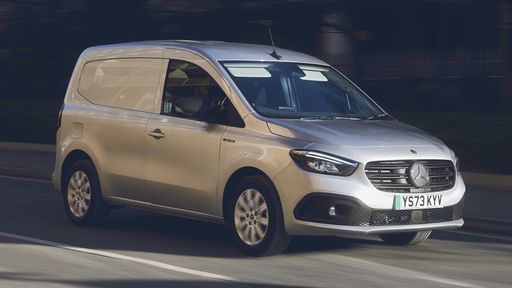
Mercedes Citan
Lexus RC
Mercedes Citan
Costs and Consumption
View detailed analysis
View detailed analysis
Engine and Performance
View detailed analysis
View detailed analysis
Dimensions and Body
View detailed analysis
View detailed analysis
Lexus RC
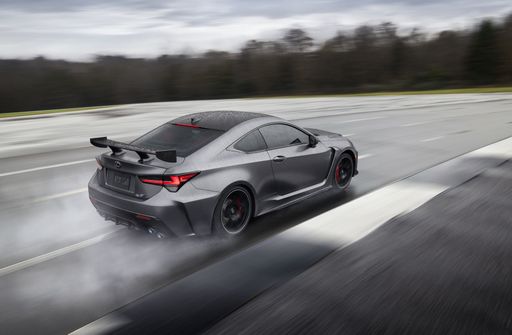
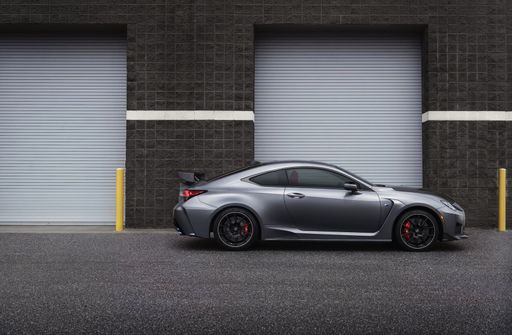
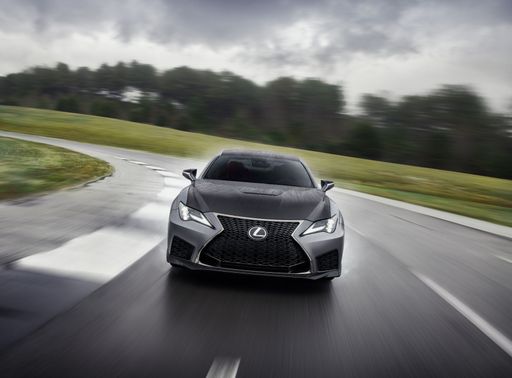
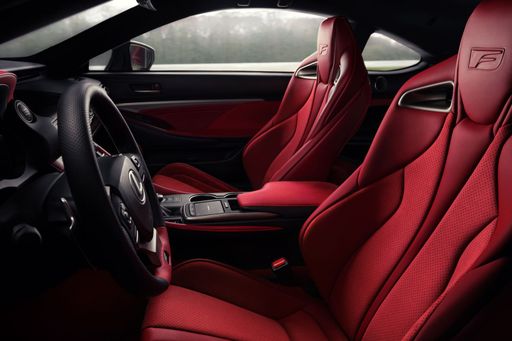
The Lexus RC cuts a dramatic figure on the road with its bold grille and sculpted coupe silhouette, blending Japanese refinement with a dash of show-off flair. Inside it favors comfort and clever detailing over racetrack theatrics, so if you want a luxurious, dependable coupe that rewards everyday driving with poise and a grin, the RC is hard to ignore.
details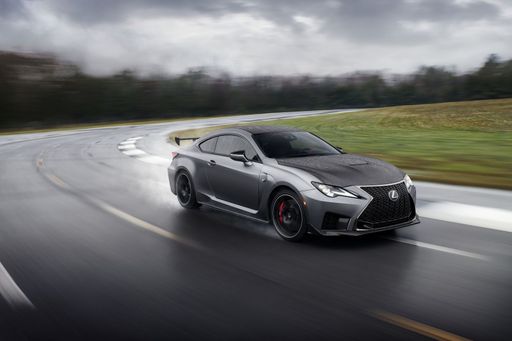
Mercedes Citan
The Mercedes Citan is a clever urban van that dresses sensible practicality in a surprisingly premium suit, making light work of deliveries and family duties without feeling like a workhorse. With a calm, car-like driving feel, clever interior packaging and the Mercedes badge up front, it’s a smart pick for buyers who want function with a touch of luxury and a wink of personality.
details
Lexus RC
Mercedes Citan
Costs and Consumption |
|
|---|---|
|
Price
82,300 - 101,500 £
|
Price
22,400 - 30,100 £
|
|
Consumption L/100km
11.8 L/100km
|
Consumption L/100km
5.2 - 7.4 L/100km
|
|
Consumption kWh/100km
-
|
Consumption kWh/100km
19.3 - 20.7 kWh/100km
|
|
Electric Range
-
|
Electric Range
265 - 280 km
|
|
Battery Capacity
-
|
Battery Capacity
45 kWh
|
|
co2
268 g/km
|
co2
0 - 167 g/km
|
|
Fuel tank capacity
66 L
|
Fuel tank capacity
54 L
|
Dimensions and Body |
|
|---|---|
|
Body Type
Coupe
|
Body Type
High Roof Estate
|
|
Seats
4
|
Seats
5
|
|
Doors
3
|
Doors
5
|
|
Curb weight
1,715 kg
|
Curb weight
1,556 - 2,010 kg
|
|
Trunk capacity
366 L
|
Trunk capacity
0 - 551 L
|
|
Length
4,710 mm
|
Length
4,498 - 4,922 mm
|
|
Width
1,845 mm
|
Width
1,859 mm
|
|
Height
1,390 mm
|
Height
1,811 - 1,830 mm
|
|
Max trunk capacity
-
|
Max trunk capacity
1,979 - 3,660 L
|
|
Payload
535 kg
|
Payload
485 - 644 kg
|
Engine and Performance |
|
|---|---|
|
Engine Type
Petrol
|
Engine Type
Petrol, Diesel, Electric
|
|
Transmission
Automatic
|
Transmission
Manuel, Automatic
|
|
Transmission Detail
Automatic Gearbox
|
Transmission Detail
Manual Gearbox, Dual-Clutch Automatic, Reduction Gearbox
|
|
Drive Type
Rear-Wheel Drive
|
Drive Type
Front-Wheel Drive
|
|
Power HP
464 HP
|
Power HP
95 - 131 HP
|
|
Acceleration 0-100km/h
4.3 - 4.5 s
|
Acceleration 0-100km/h
13 - 15.5 s
|
|
Max Speed
270 km/h
|
Max Speed
132 - 183 km/h
|
|
Torque
520 Nm
|
Torque
200 - 270 Nm
|
|
Number of Cylinders
8
|
Number of Cylinders
4
|
|
Power kW
341 kW
|
Power kW
70 - 96 kW
|
|
Engine capacity
4,969 cm3
|
Engine capacity
1,332 - 1,461 cm3
|
General |
|
|---|---|
|
Model Year
2,021 - 2,024
|
Model Year
2,021 - 2,024
|
|
CO2 Efficiency Class
G
|
CO2 Efficiency Class
F, E, A
|
|
Brand
Lexus
|
Brand
Mercedes-Benz
|
DriveDuel uses data analysis and artificial intelligence to evaluate vehicle data and create content. Content is regularly reviewed and improved.
The displayed prices are estimates based on German list prices, adjusted to the respective country’s VAT. Country-specific registration taxes are not included. This information is not legally binding.