
 Deutschland
 France
 Nederland
 Great Britain
 Sverige
 Danmark
 Suomi
Suomi Italia
 Polska
 Česko
Česko España
VS
Lotus Eletre vs Lamborghini Temerario comparison
Compare performance (918 HP vs 920 HP), boot space and price (85,700 £ vs 263,600 £ ) at a glance. Find out which car is the better choice for you – Lotus Eletre or Lamborghini Temerario?
Lotus Eletre vs Lamborghini Temerario: Key differences
Eletre
Costs and Efficiency:
When it comes to price and running costs, the biggest differences usually appear. This is often where you see which car fits your budget better in the long run.
Lotus Eletre is considerably cheaper – starting at 85,700 £ , while the Lamborghini Temerario costs 263,600 £ . That’s a price difference of around 177,866 £.
Temerario
Engine and Performance:
Under the bonnet, it becomes clear which model is tuned for sportiness and which one takes the lead when you hit the accelerator.
When it comes to engine power, the Lamborghini Temerario offers very slightly more power – delivering 920 HP compared to 918 HP. That’s roughly 2 HP more horsepower.
When accelerating from 0 to 100 km/h, the Lamborghini Temerario is a bit quicker – completing the sprint in 2.7 s, while the Lotus Eletre takes 3 s. That’s about 0.3 s quicker.
Eletre
Space and Everyday Use:
Beyond pure performance, interior space and usability matter most in daily life. This is where you see which car is more practical and versatile.
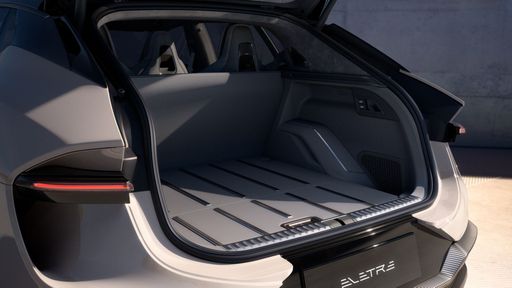
Seats: Lotus Eletre offers more seats – 5 vs 2.
In terms of curb weight, Lamborghini Temerario is substantially lighter – 1,765 kg compared to 2,565 kg. The difference is around 800 kg.
Who wins the race in the data check?
The Lotus Eletre is far ahead overall in the objective data comparison.
This result only shows which model scores more points on paper – not which of the two cars feels right for you.
from £85,700
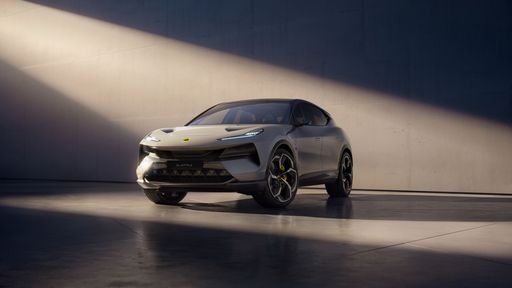
Lotus Eletre
Lotus Eletre
Lamborghini Temerario
Costs and Consumption
View detailed analysis
View detailed analysis
Engine and Performance
View detailed analysis
View detailed analysis
Dimensions and Body
View detailed analysis
View detailed analysis
Lotus Eletre
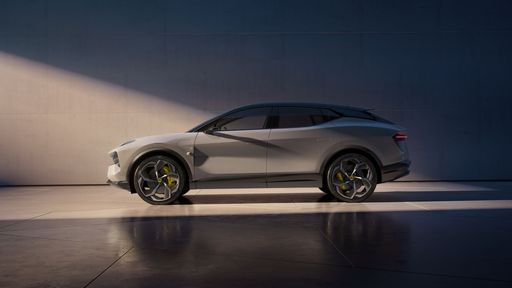
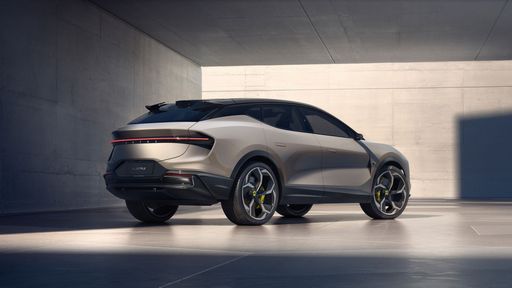
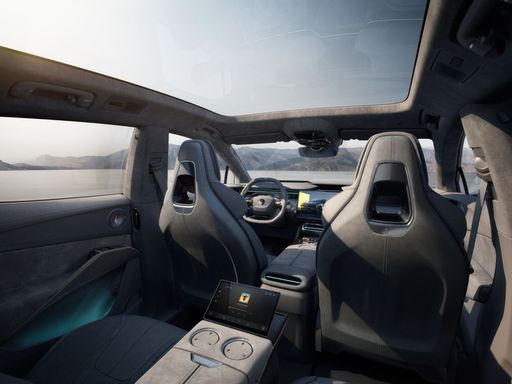
The Lotus Eletre is a bold, electric SUV that finally lets Lotus step into the luxury EV arena without losing the brand's famed focus on razor-sharp handling and driver engagement. Inside, it pairs a futuristic, tech-heavy cabin with surprising comfort and poise — think of a sports car in evening wear, ready to sprint yet polite enough for the school run.
details
Lamborghini Temerario
The Lamborghini Temerario is an arresting, driver-focused supercar that pairs sharply sculpted, theatrical styling with a raw, visceral driving character. Inside, it balances bespoke luxury and purposeful minimalism, delivering an intense, uncompromising experience that rewards skilled drivers and turns heads wherever it goes.
details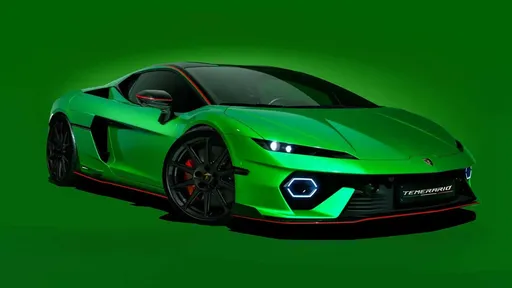
Lotus Eletre
Lamborghini Temerario
Costs and Consumption |
|
|---|---|
|
Price
85,700 - 138,000 £
|
Price
263,600 £
|
|
Consumption L/100km
-
|
Consumption L/100km
11.2 L/100km
|
|
Consumption kWh/100km
22.5 - 28.3 kWh/100km
|
Consumption kWh/100km
-
|
|
Electric Range
450 - 570 km
|
Electric Range
-
|
|
Battery Capacity
109 kWh
|
Battery Capacity
-
|
|
co2
0 g/km
|
co2
272 g/km
|
|
Fuel tank capacity
-
|
Fuel tank capacity
-
|
Dimensions and Body |
|
|---|---|
|
Body Type
SUV
|
Body Type
Coupe
|
|
Seats
5
|
Seats
2
|
|
Doors
4
|
Doors
-
|
|
Curb weight
2,565 - 2,745 kg
|
Curb weight
1,765 kg
|
|
Trunk capacity
688 L
|
Trunk capacity
-
|
|
Length
5,103 mm
|
Length
-
|
|
Width
2,060 mm
|
Width
1,996 mm
|
|
Height
1,630 mm
|
Height
-
|
|
Max trunk capacity
1,532 L
|
Max trunk capacity
-
|
|
Payload
405 - 485 kg
|
Payload
-
|
Engine and Performance |
|
|---|---|
|
Engine Type
Electric
|
Engine Type
Plugin Hybrid
|
|
Transmission
Automatic
|
Transmission
Automatic
|
|
Transmission Detail
Reduction Gearbox
|
Transmission Detail
Dual-Clutch Automatic
|
|
Drive Type
All-Wheel Drive
|
Drive Type
All-Wheel Drive
|
|
Power HP
612 - 918 HP
|
Power HP
920 HP
|
|
Acceleration 0-100km/h
3 - 4.5 s
|
Acceleration 0-100km/h
2.7 s
|
|
Max Speed
258 - 265 km/h
|
Max Speed
-
|
|
Torque
710 - 985 Nm
|
Torque
-
|
|
Number of Cylinders
-
|
Number of Cylinders
8
|
|
Power kW
450 - 675 kW
|
Power kW
677 kW
|
|
Engine capacity
-
|
Engine capacity
3,995 cm3
|
General |
|
|---|---|
|
Model Year
2025
|
Model Year
2024
|
|
CO2 Efficiency Class
A
|
CO2 Efficiency Class
G
|
|
Brand
Lotus
|
Brand
Lamborghini
|
DriveDuel uses data analysis and artificial intelligence to evaluate vehicle data and create content. Content is regularly reviewed and improved.
The displayed prices are estimates based on German list prices, adjusted to the respective country’s VAT. Country-specific registration taxes are not included. This information is not legally binding.