
 Deutschland
 France
 Nederland
 Great Britain
 Sverige
 Danmark
 Suomi
Suomi Italia
 Polska
 España
VS
Maxus Deliver 7 vs Lynk & Co 08 comparison
Compare performance (353 HP vs 350 HP), boot space and price (30,600 £ vs 48,000 £ ) at a glance. Find out which car is the better choice for you – Maxus Deliver 7 or Lynk & Co 08?
Deliver 7
Costs and Efficiency:
Looking at overall running costs, both models reveal some interesting differences in everyday economy.
Maxus Deliver 7 is significantly cheaper – starting at 30,600 £ , while the Lynk & Co 08 costs 48,000 £ . That’s a price difference of around 17,406 £.
Fuel consumption also shows a difference: the Lynk & Co 08 uses 0.9 L/100km and is substantially more efficient than the Maxus Deliver 7 with 8 L/100km. The difference is about 7.1 L/100km.
As for electric range, the Maxus Deliver 7 offers significantly more range – reaching up to 370 km, about 170 km more than the Lynk & Co 08.
08
Engine and Performance:
Under the bonnet, it becomes clear which model is tuned for sportiness and which one takes the lead when you hit the accelerator.
When it comes to engine power, the Maxus Deliver 7 offers very slightly more power – delivering 353 HP compared to 350 HP. That’s roughly 3 HP more horsepower.
When accelerating from 0 to 100 km/h, the Lynk & Co 08 is very slightly quicker – completing the sprint in 6.8 s, while the Maxus Deliver 7 takes 7.2 s. That’s about 0.4 s quicker.
Space and Everyday Use:
Cabin size, boot volume and payload all play a role in everyday practicality. Here, comfort and flexibility make the difference.
Seats: Lynk & Co 08 offers more seats – 5 vs 3.
In terms of curb weight, Lynk & Co 08 is a bit lighter – 2,112 kg compared to 2,360 kg. The difference is around 248 kg.
When it comes to payload, the Maxus Deliver 7 carries significantly more – 1,140 kg compared to 500 kg. That’s a difference of about 640 kg.
Who wins the race in the data check?
The Lynk & Co 08 stands well ahead of its rival in the objective data comparison.
This result only shows which model scores more points on paper – not which of the two cars feels right for you.
from £48,000
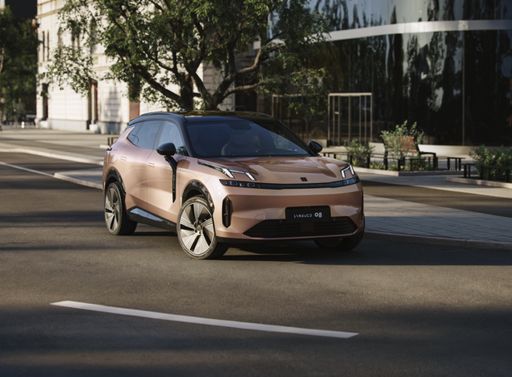
Lynk & Co 08
Maxus Deliver 7
Lynk & Co 08
Costs and Consumption
View detailed analysis
View detailed analysis
Engine and Performance
View detailed analysis
View detailed analysis
Dimensions and Body
View detailed analysis
View detailed analysis
Maxus Deliver 7
The Maxus Deliver 7 shows up like the sensible workhorse every small fleet owner secretly wants, marrying a cavernous load area with a surprisingly composed drive that turns city streets into a stress-free route. It won't win any beauty contests, but with practical ergonomics, low running costs and a no-nonsense attitude, it makes delivery days feel less like a slog and more like efficient business.
details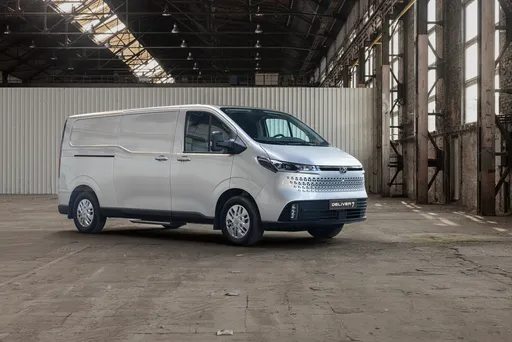
Lynk & Co 08
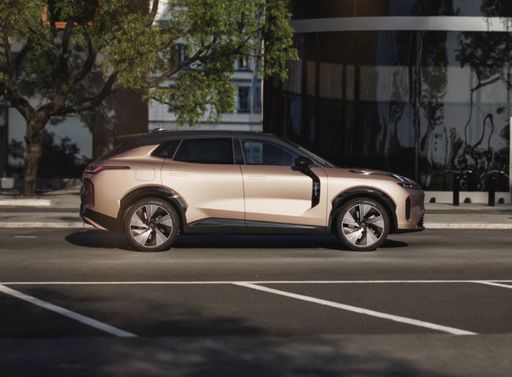
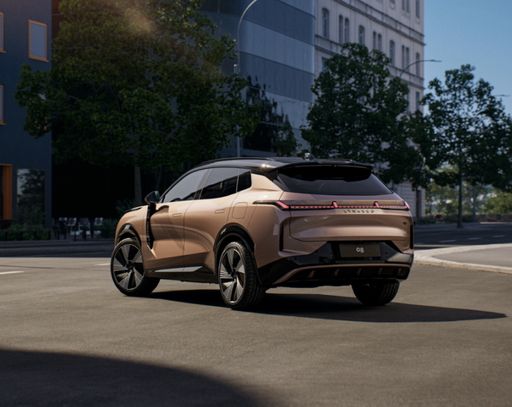
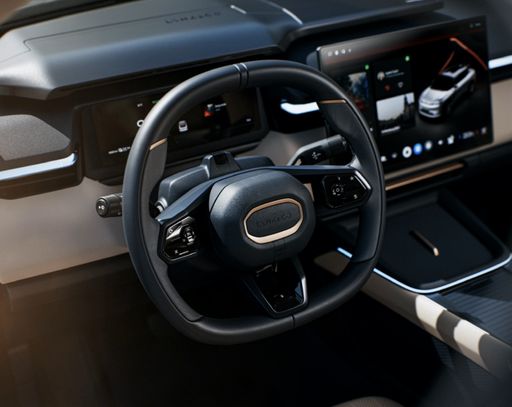
The Lynk & Co 08 represents a bold leap in automotive design, merging a sleek and modern exterior with a spacious and tech-savvy interior that caters to the needs of contemporary drivers. Its innovative approach to connectivity and user experience sets it apart in a crowded market, offering drivers an unparalleled level of interaction and customization. With a strong focus on sustainability, this model features advanced hybrid technology, underscoring Lynk & Co's commitment to eco-friendly driving solutions.
details
Maxus Deliver 7
Lynk & Co 08
Costs and Consumption |
|
|---|---|
|
Price
30,600 - 53,000 £
|
Price
48,000 - 51,400 £
|
|
Consumption L/100km
8 L/100km
|
Consumption L/100km
0.9 L/100km
|
|
Consumption kWh/100km
26.9 - 28.2 kWh/100km
|
Consumption kWh/100km
-
|
|
Electric Range
310 - 370 km
|
Electric Range
200 km
|
|
Battery Capacity
-
|
Battery Capacity
-
|
|
co2
0 - 211 g/km
|
co2
23 g/km
|
|
Fuel tank capacity
-
|
Fuel tank capacity
-
|
Dimensions and Body |
|
|---|---|
|
Body Type
Cargo Van
|
Body Type
SUV
|
|
Seats
3
|
Seats
5
|
|
Doors
4
|
Doors
-
|
|
Curb weight
2,360 - 2,595 kg
|
Curb weight
2,112 kg
|
|
Trunk capacity
-
|
Trunk capacity
540 L
|
|
Length
5,364 mm
|
Length
-
|
|
Width
2,030 mm
|
Width
1,915 mm
|
|
Height
1,990 mm
|
Height
-
|
|
Max trunk capacity
6,700 L
|
Max trunk capacity
-
|
|
Payload
905 - 1,140 kg
|
Payload
500 kg
|
Engine and Performance |
|
|---|---|
|
Engine Type
Electric, Diesel
|
Engine Type
Plugin Hybrid
|
|
Transmission
Automatic, Manuel
|
Transmission
Automatic
|
|
Transmission Detail
Reduction Gearbox, Manual Gearbox
|
Transmission Detail
Automatic Gearbox
|
|
Drive Type
Front-Wheel Drive, All-Wheel Drive
|
Drive Type
Front-Wheel Drive
|
|
Power HP
148 - 353 HP
|
Power HP
350 HP
|
|
Acceleration 0-100km/h
7.2 - 11.6 s
|
Acceleration 0-100km/h
6.8 s
|
|
Max Speed
120 km/h
|
Max Speed
-
|
|
Torque
330 - 515 Nm
|
Torque
-
|
|
Number of Cylinders
4
|
Number of Cylinders
4
|
|
Power kW
108 - 260 kW
|
Power kW
257 kW
|
|
Engine capacity
1,996 cm3
|
Engine capacity
1,499 cm3
|
General |
|
|---|---|
|
Model Year
2,024 - 2,025
|
Model Year
2,025
|
|
CO2 Efficiency Class
A, G
|
CO2 Efficiency Class
B
|
|
Brand
Maxus
|
Brand
Lynk & Co
|
DriveDuel uses data analysis and artificial intelligence to evaluate vehicle data and create content. Content is regularly reviewed and improved.
The displayed prices are estimates based on German list prices, adjusted to the respective country’s VAT. Country-specific registration taxes are not included. This information is not legally binding.