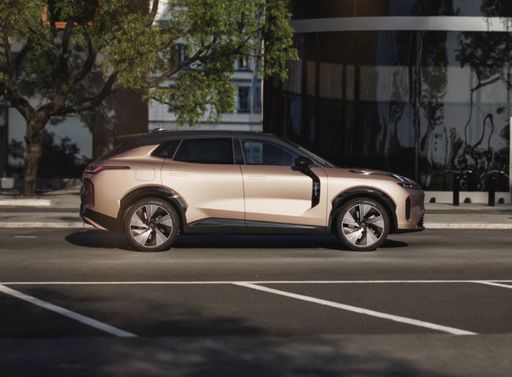
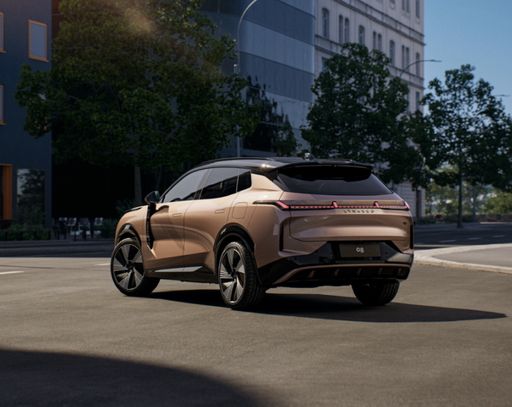
VS

Omoda 5 vs Lynk & Co 08 comparison

Compare performance (204 HP vs 350 HP), boot space and price (31,600 £ vs 48,000 £ ) at a glance. Find out which car is the better choice for you – Omoda 5 or Lynk & Co 08?

Omoda 5 vs Lynk & Co 08: Key differences

Omoda 5

4.9 (5 Reviews)
rate
  • clearly cheaper
  • substantially more electric range
  • noticeably lighter
details

Lynk & Co 08

4.7 (3 Reviews)
rate
  • significantly more power
  • slightly quicker 0–100 km/h
  • markedly more trunk space
details

All details on performance, efficiency, range and trunk space can be found in the technical comparison below – including user reviews for both models.

By Achim Sedelmaier

5

Omoda 5 VS Lynk & Co 08 — short edition for browsers and buyers

Omoda 5 and Lynk & Co 08 sit on opposite ends of a familiar trade-off: the Omoda leans hard on value, equipment and warranty, while the Lynk & Co pushes PHEV electric range, quiet comfort and a more premium feel. In simple terms, Omoda sells a well-equipped compact SUV for a keen price and long guarantee, whereas Lynk & Co asks you to pay more for much greater everyday electric driving and motorway refinement. That split shapes almost every practical decision — from who fits in the back to how often you’ll need fuel or public chargers. Read on for how those differences matter on daily routes, family trips and long runs before you dig into the technical sheet below.
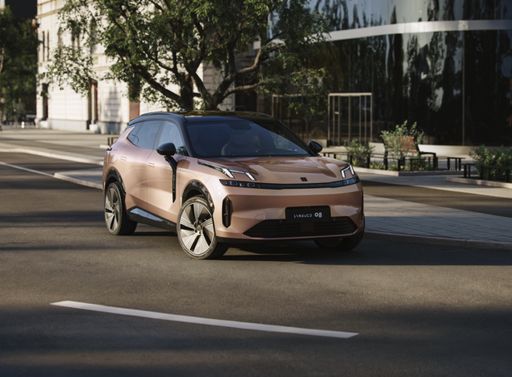
08

Cabin feel and perceived quality

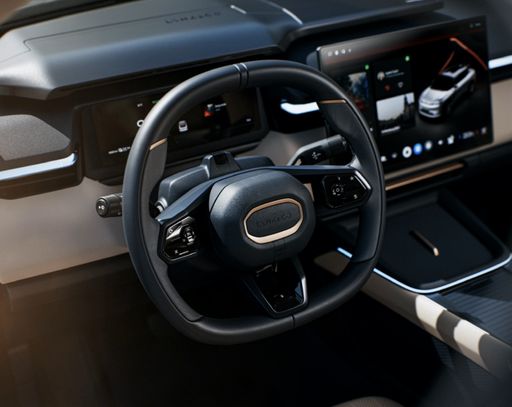
The Omoda 5’s interior looks modern and offers surprising kit for the money, but its materials and finish feel a step below the Lynk & Co 08’s calmer, more premium ambience. Lynk & Co 08 presents tighter panel gaps, quieter cabin acoustics and seats that tilt toward long‑haul comfort — some trims even offer massage and ventilation that make motorway miles easier. By contrast, the Omoda’s good value is visible in simpler switchgear, a few hard plastics and interfaces that sometimes demand workarounds. Both cars try to impress with big screens, but the Lynk & Co’s restraint in material choice reads as more grown‑up while the Omoda reads as ambitious bargain packaging.

Comfort and long‑distance behavior

If you live on motorways, the Lynk & Co 08 is the calmer companion: very low noise levels, supple seats and the ability to run long stretches on electric power keep fatigue down. The Omoda 5 rides confidently at speed but its suspension can feel springier over uneven surfaces and its engines — unless you pick the hybrid variant — are louder under load. Both cars are comfort‑biased rather than sporty; Lynk & Co trades a bit of agility for body control and serenity, whereas Omoda sacrifices some composure for a softer, more bouncy ride. For long journeys the Lynk & Co’s electric mode and quieter cabin deliver a notably less tiring experience.

Practicality, family use and luggage

For families and luggage, the Lynk & Co 08 generally feels the more usable choice: roomier rear seats and a deeper, more practical boot make packing for trips less fiddly. The Omoda 5’s rear occupants will notice tighter headroom and a lower, flatter boot that limits tall items and bulky bags, so stroller or large suitcases can be a squeeze. Lynk & Co’s higher boot sill and some small usability niggles — like limited trunk lighting and fewer quick‑release conveniences for the seats — are worth noting, but they don’t erase the advantage in space. In short, Omoda favours city‑sized practicality and clever storage up front, while Lynk & Co favours straightforward family space and long‑trip usability.

City friendliness and everyday usability

In urban routines the two cars take different approaches: Omoda 5 is compact, well‑equipped with cameras and parking aids and offers excellent warranty peace of mind, but it can feel fussy at low speeds with jerky gearbox behaviour on certain engines and limited rear visibility. Lynk & Co 08 is larger and requires more care in tight spaces, yet its PHEV electric mode and strong EV range make stop‑start city driving quiet, efficient and often free of petrol stops. Both suffer from menu‑heavy controls to some degree, but Lynk & Co’s touchscreen dominance is more intrusive in daily tasks, whereas Omoda mixes physical shortcuts with touchscreen layers that still demand time to master. Choose Omoda for easier parking and value‑minded urban ownership, choose Lynk & Co for nearly silent, electric city miles if you can live with its size and menus.

Who should consider each car — buyer fit and next steps

Buy the Omoda 5 if you prioritise headline equipment, a long warranty and the lowest entry cost paired with decent safety kit; it suits buyers who want maximum features per pound and mostly city/suburban use with occasional motorway runs. Choose the Lynk & Co 08 if your daily life benefits from a long PHEV electric range, frequent long runs or a quieter cabin for family travel — it suits buyers willing to pay more for electric driving, space and refinement. Both cars have clear compromises: Omoda trims space and refinement for value, Lynk & Co trades price for electric competence and comfort. If you want, the technical comparison next will make those trade‑offs quantifiable so you can match figures to the real‑world differences outlined here.

Here’s where it gets real: The technical differences in detail

5

Costs and Efficiency:

Looking at overall running costs, both models reveal some interesting differences in everyday economy.

Omoda 5 is clearly cheaper – starting at 31,600 £ , while the Lynk & Co 08 costs 48,000 £ . That’s a price difference of around 16,367 £.

As for electric range, the Omoda 5 offers substantially more range – reaching up to 430 km, about 230 km more than the Lynk & Co 08.

08

Engine and Performance:

Power, torque and acceleration are the classic benchmarks for car enthusiasts – and here, some clear differences start to show.

When it comes to engine power, the Lynk & Co 08 offers significantly more power – delivering 350 HP compared to 204 HP. That’s roughly 146 HP more horsepower.

When accelerating from 0 to 100 km/h, the Lynk & Co 08 is slightly quicker – completing the sprint in 6.8 s, while the Omoda 5 takes 7.6 s. That’s about 0.8 s quicker.

Space and Everyday Use:

Cabin size, boot volume and payload all play a role in everyday practicality. Here, comfort and flexibility make the difference.

Both vehicles offer seating for 5 people.

In terms of curb weight, Omoda 5 is noticeably lighter – 1,710 kg compared to 2,112 kg. The difference is around 402 kg.

Looking at boot space, the Lynk & Co 08 offers markedly more boot space – 540 L compared to 350 L. That’s a difference of about 190 L.

When it comes to payload, the Omoda 5 carries only slightly more – 536 kg compared to 500 kg. That’s a difference of about 36 kg.

Who wins the race in the data check?

The Omoda 5 stands well ahead of its rival in the objective data comparison.
This result only shows which model scores more points on paper – not which of the two cars feels right for you.

£31,628
5

Omoda 5

  • Engine Type : Electric
  • Transmission : Automatic
  • Drive Type : Front-Wheel Drive
  • Power HP : 204 HP
  • Consumption kWh/100km : 15.9 kWh/100km
  • Electric Range : 430 km
Omoda 5
Lynk & Co 08

Costs and Consumption

View detailed analysis

Engine and Performance

View detailed analysis

Dimensions and Body

View detailed analysis

Omoda 5

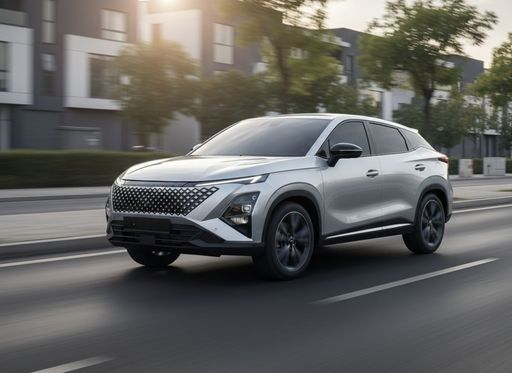
The Omoda 5 is a stylish compact crossover that catches the eye with a bold, contemporary look and a tech-forward cabin. It offers a comfortable ride and a surprisingly spacious interior, making it a practical yet distinctive choice for buyers who want modern features and solid value.

details

Lynk & Co 08

The Lynk & Co 08 represents a bold leap in automotive design, merging a sleek and modern exterior with a spacious and tech-savvy interior that caters to the needs of contemporary drivers. Its innovative approach to connectivity and user experience sets it apart in a crowded market, offering drivers an unparalleled level of interaction and customization. With a strong focus on sustainability, this model features advanced hybrid technology, underscoring Lynk & Co's commitment to eco-friendly driving solutions.

details
Omoda 5
Lynk & Co 08

Costs and Consumption

Price
31,600 £
Price
48,000 - 51,400 £
Consumption L/100km
-
Consumption L/100km
0.9 L/100km
Consumption kWh/100km
15.9 kWh/100km
Consumption kWh/100km
-
Electric Range
430 km
Electric Range
200 km
Battery Capacity
-
Battery Capacity
-
co2
0 g/km
co2
23 g/km
Fuel tank capacity
-
Fuel tank capacity
-

Dimensions and Body

Body Type
SUV
Body Type
SUV
Seats
5
Seats
5
Doors
-
Doors
-
Curb weight
1,710 kg
Curb weight
2,112 kg
Trunk capacity
350 L
Trunk capacity
540 L
Length
-
Length
-
Width
1,830 mm
Width
1,915 mm
Height
-
Height
-
Max trunk capacity
-
Max trunk capacity
-
Payload
536 kg
Payload
500 kg

Engine and Performance

Engine Type
Electric
Engine Type
Plugin Hybrid
Transmission
Automatic
Transmission
Automatic
Transmission Detail
Reduction Gearbox
Transmission Detail
Automatic Gearbox
Drive Type
Front-Wheel Drive
Drive Type
Front-Wheel Drive
Power HP
204 HP
Power HP
350 HP
Acceleration 0-100km/h
7.6 s
Acceleration 0-100km/h
6.8 s
Max Speed
-
Max Speed
-
Torque
340 Nm
Torque
-
Number of Cylinders
-
Number of Cylinders
4
Power kW
150 kW
Power kW
257 kW
Engine capacity
-
Engine capacity
1,499 cm3

General

Model Year
2026
Model Year
2025
CO2 Efficiency Class
A
CO2 Efficiency Class
B
Brand
Omoda
Brand
Lynk & Co
DriveDuel uses data analysis and artificial intelligence to evaluate vehicle data and create content. Content is regularly reviewed and improved. The displayed prices are estimates based on German list prices, adjusted to the respective country’s VAT. Country-specific registration taxes are not included. This information is not legally binding.