VS

Mazda CX-60 vs Volvo V60 comparison

Compare performance (327 HP vs 455 HP), boot space and price (43,700 £ vs 41,600 £ ) at a glance. Find out which car is the better choice for you – Mazda CX-60 or Volvo V60?

Mazda CX-60 vs Volvo V60: Key differences

Mazda CX-60

4.6 (7 Reviews)
rate
  • marginally more trunk space

Volvo V60

5 (1 Reviews)
rate
  • barely cheaper
  • clearly more power
  • significantly more efficient
  • clearly more electric range
  • visibly quicker 0–100 km/h
  • only slightly lighter

All details on performance, efficiency, range and trunk space can be found in the technical comparison below – including user reviews for both models.

CX-60

Introduction: A Clash of Titans in the Automotive Arena

In the ever-evolving automotive landscape, the demand for versatile and efficient vehicles has never been higher. As families and urban dwellers seek the perfect blend of style, technology, and performance, the Mazda CX-60 and Volvo V60 stand out as two formidable options. This article delves into a comprehensive comparison of these two vehicles, examining their technical specifications, innovations, and overall driving experience.
V60

Body Type: Utility vs. Elegance

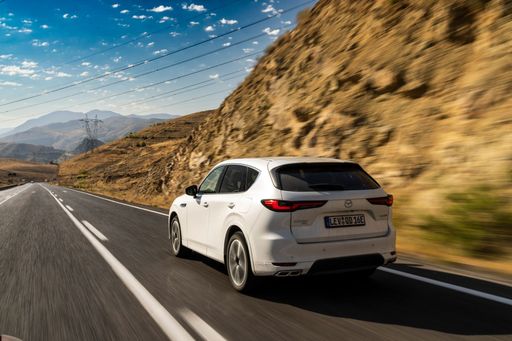
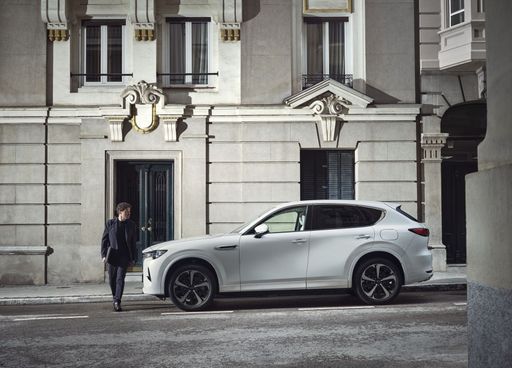
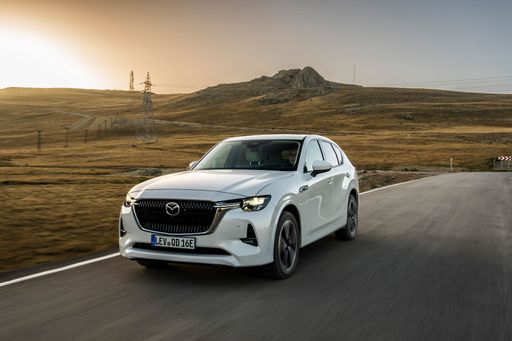
The Mazda CX-60 is categorized as an SUV, bringing together a robust stance with generous cargo space and off-road capabilities. With a trunk capacity of 570 liters and ample interior space for five passengers, it caters to families and adventurers alike.

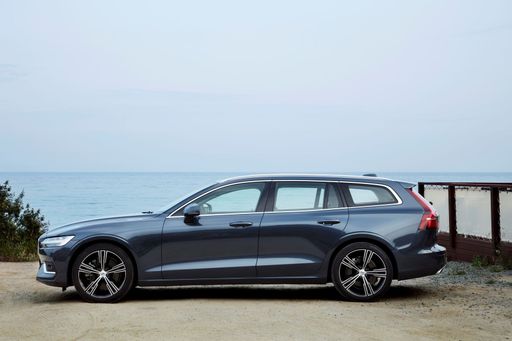
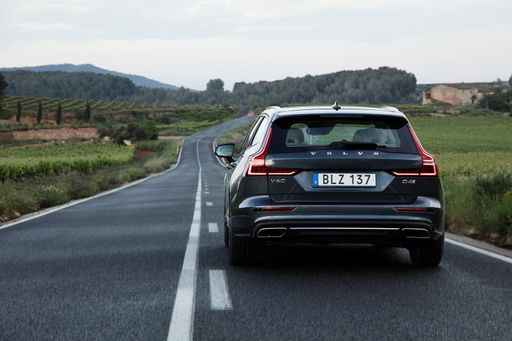
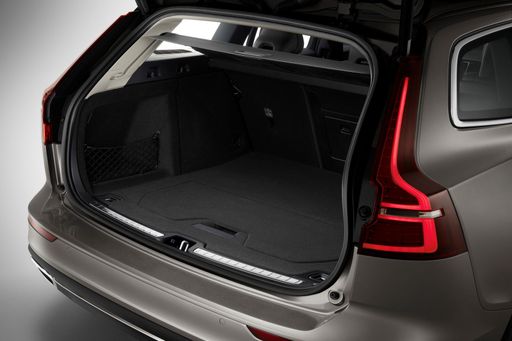
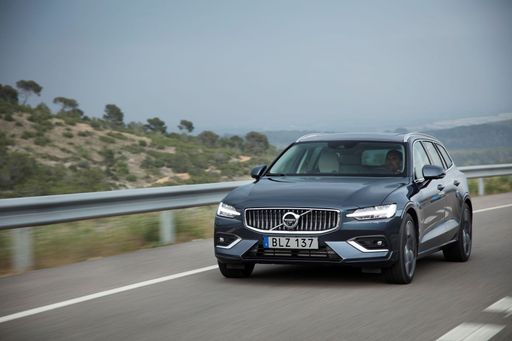
In contrast, the Volvo V60 is a stylish wagon that emphasizes elegance without compromising practicality. It offers a slightly smaller trunk space of 519 liters but brings with it a sleek design that appeals to those prioritizing aesthetics and comfort.

CX-60

Performance: Power Under the Hood

When it comes to engine options, the Mazda CX-60 showcases a diverse lineup, including Plugin Hybrid and Diesel MHEV variants. The most powerful iteration boasts 327 HP, allowing it to accelerate from 0 to 100 km/h in just 5.8 seconds. Its drivetrain options include both all-wheel drive and rear-wheel drive configurations, making it suitable for various driving conditions.

On the other hand, the Volvo V60 presents a range of engines from petrol and hybrid to diesel variants, with the top-tier engine reaching an impressive 455 HP. The acceleration figures are equally remarkable, with some models sprinting from 0 to 100 km/h in just 4.6 seconds. However, it’s worth noting that the V60's maximum speed is capped at 180 km/h, a limitation uncharacteristic of its CX-60 rival.

V60

Fuel Efficiency: Innovation Meets Economy

Both models strive for efficiency, but they adopt different approaches. The Mazda CX-60 excels with its Plugin Hybrid variant, achieving an impressive consumption rate of just 1.4 L/100km and an electric range of 64 km. This makes it one of the most fuel-efficient options in its class.

The Volvo V60, while also providing a Plugin Hybrid option, features a higher consumption rate of 0.7 L/100km for its hybrid variant and a more substantial electric range of 92 km, thanks largely to its 14.7 kWh battery capacity. This difference highlights Volvo's commitment to greener technologies.

CX-60

Technology and Innovations: The Digital Age of Driving

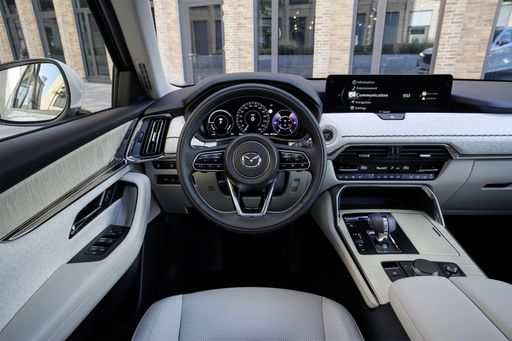
When it comes to in-car technology, both Mazda and Volvo have invested heavily in new innovations. The CX-60 is equipped with Mazda’s latest infotainment system, featuring a large touchscreen display that supports both Apple CarPlay and Android Auto, ensuring seamless connectivity for the modern driver.

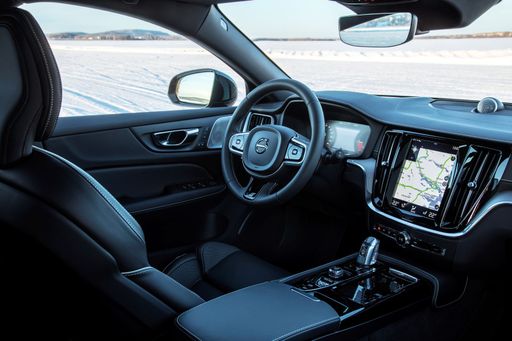
The V60, known for its advanced safety features and driver-assist technologies, comes with Volvo's renowned Pilot Assist system, which enhances safety and convenience through adaptive cruise control and lane-keeping assistance. The intuitive user interface, along with a premium sound system, adds to the overall luxurious feel of the vehicle.

V60

Interior Comfort: Craftsmanship and Design

Inside the Mazda CX-60, drivers and passengers are treated to a spacious cabin featuring high-quality materials and ergonomic seating. The SUV’s elevated design allows for an expansive view of the road, complemented by an array of cargo space options making it ideal for road trips or day-to-day commutes.

The Volvo V60, on the other hand, embodies Scandinavian design principles, blending simplicity and elegance. With a focus on comfort and minimalism, the interior is adorned with high-end materials and customizable ambient lighting, ensuring a soothing driving environment.

CX-60

Sustainability: A Commitment to the Future

Both manufacturers are making strides towards sustainability. Mazda is gradually transitioning to more eco-friendly models, with the CX-60 sitting at the forefront of their hybrid technology. The reduced CO2 emissions are significant, making it an appealing choice for environmentally conscious consumers.

Volvo, in its quest to become a fully electric brand by 2030, has integrated sustainability throughout its production process. Their vehicles, including the V60, utilize recyclable materials and advanced technologies to minimize environmental impact, demonstrating a strong commitment to a greener future.

V60

Conclusion: Which One Reigns Supreme?

Ultimately, the decision between the Mazda CX-60 and Volvo V60 boils down to personal preferences and driving needs. If you seek a powerful and efficient SUV with innovative technology and ample cargo space, the CX-60 is difficult to ignore. Conversely, if a refined, performance-oriented wagon with cutting-edge safety features is what you desire, the V60 is a compelling choice. Both vehicles stand as excellent representatives of their respective brands, catering to different aspects of the modern driver’s needs.

Here’s where it gets real: The technical differences in detail

CX-60

Costs and Efficiency:

Price and efficiency are key factors when choosing a car – and this is often where the real differences emerge.

Volvo V60 is barely cheaper – starting at 41,600 £ , while the Mazda CX-60 costs 43,700 £ . That’s a price difference of around 2,023 £.

Fuel consumption also shows a difference: the Volvo V60 uses 2.4 L/100km and is significantly more efficient than the Mazda CX-60 with 3.8 L/100km. The difference is about 1.4 L/100km.

As for electric range, the Volvo V60 offers clearly more range – reaching up to 93 km, about 30 km more than the Mazda CX-60.

V60

Engine and Performance:

Power, torque and acceleration say a lot about how a car feels on the road. This is where you see which model delivers more driving dynamics.

When it comes to engine power, the Volvo V60 offers clearly more power – delivering 455 HP compared to 327 HP. That’s roughly 128 HP more horsepower.

When accelerating from 0 to 100 km/h, the Volvo V60 is visibly quicker – completing the sprint in 4.6 s, while the Mazda CX-60 takes 5.8 s. That’s about 1.2 s quicker.

There’s also a difference in torque: the Volvo V60 delivers clearly more torque with 709 Nm compared to 550 Nm. That’s about 159 Nm more.

CX-60

Space and Everyday Use:

Cabin size, boot volume and payload all play a role in everyday practicality. Here, comfort and flexibility make the difference.

Both vehicles offer seating for 5 people.

In terms of curb weight, Volvo V60 is only slightly lighter – 1,734 kg compared to 1,890 kg. The difference is around 156 kg.

Looking at boot space, the Mazda CX-60 offers marginally more boot space – 570 L compared to 519 L. That’s a difference of about 51 L.

When it comes to payload, the Mazda CX-60 carries slightly more – 612 kg compared to 506 kg. That’s a difference of about 106 kg.

Who wins the race in the data check?

The Volvo V60 holds a decisive overall lead in the objective data comparison.
This result only shows which model scores more points on paper – not which of the two cars feels right for you.

from £41,600
V60

Volvo V60

  • Engine Type : Petrol MHEV, Plugin Hybrid
  • Transmission : Automatic
  • Drive Type : Front-Wheel Drive, All-Wheel Drive
  • Power HP : 197 - 455 HP
  • Consumption L/100km : 2.4 - 6.2 L/100km
  • Electric Range : 93 km
Mazda CX-60
Volvo V60

Costs and Consumption

View detailed analysis

Engine and Performance

View detailed analysis

Dimensions and Body

View detailed analysis

Mazda CX-60

The Mazda CX-60 pairs sculpted, understated looks with poised handling and a cabin that punches above its class, making long drives feel unexpectedly civilized. For buyers who want a premium feel without the showroom swagger, it's the sort of car that earns respect quietly — and still manages a wink when you push on.

details

Volvo V60

The Volvo V60 blends elegant Scandinavian design with a practical estate layout, making it a composed and sensible choice for buyers who want style without sacrifice. Inside, a serene cabin, clever safety features and a supple ride turn daily commutes and weekend getaways into effortless, grown-up motoring.

details
Mazda CX-60
Volvo V60

Costs and Consumption

Price
43,700 - 57,900 £
Price
41,600 - 65,000 £
Consumption L/100km
3.8 - 5.2 L/100km
Consumption L/100km
2.4 - 6.2 L/100km
Consumption kWh/100km
-
Consumption kWh/100km
-
Electric Range
63 km
Electric Range
93 km
Battery Capacity
-
Battery Capacity
-
co2
85 - 137 g/km
co2
54 - 140 g/km
Fuel tank capacity
-
Fuel tank capacity
60 L

Dimensions and Body

Body Type
SUV
Body Type
Estate
Seats
5
Seats
5
Doors
-
Doors
5
Curb weight
1,890 - 2,055 kg
Curb weight
1,734 - 2,064 kg
Trunk capacity
570 L
Trunk capacity
519 L
Length
-
Length
4,778 mm
Width
1,890 mm
Width
1,850 mm
Height
-
Height
1,432 mm
Max trunk capacity
-
Max trunk capacity
1,431 L
Payload
581 - 612 kg
Payload
466 - 506 kg

Engine and Performance

Engine Type
Plugin Hybrid, Diesel MHEV
Engine Type
Petrol MHEV, Plugin Hybrid
Transmission
Automatic
Transmission
Automatic
Transmission Detail
Automatic Gearbox
Transmission Detail
Dual-Clutch Automatic, Automatic Gearbox
Drive Type
All-Wheel Drive, Rear-Wheel Drive
Drive Type
Front-Wheel Drive, All-Wheel Drive
Power HP
200 - 327 HP
Power HP
197 - 455 HP
Acceleration 0-100km/h
5.8 - 8.4 s
Acceleration 0-100km/h
4.6 - 7.6 s
Max Speed
-
Max Speed
180 km/h
Torque
450 - 550 Nm
Torque
300 - 709 Nm
Number of Cylinders
4 - 6
Number of Cylinders
4
Power kW
147 - 241 kW
Power kW
145 - 335 kW
Engine capacity
2,488 - 3,283 cm3
Engine capacity
1,969 cm3

General

Model Year
2,025
Model Year
2,024 - 2,025
CO2 Efficiency Class
B, D, E
CO2 Efficiency Class
E, B
Brand
Mazda
Brand
Volvo
DriveDuel uses data analysis and artificial intelligence to evaluate vehicle data and create content. Content is regularly reviewed and improved. The displayed prices are estimates based on German list prices, adjusted to the respective country’s VAT. Country-specific registration taxes are not included. This information is not legally binding.