
 Deutschland
 France
 Nederland
 Great Britain
 Sverige
 Norge
Norge Danmark
 Suomi
Suomi Italia
 Polska
 España
VS
Mercedes EQA vs Volvo V60 – Differences & prices compared
Everyday use, family trips or long-distance drives – here’s where the differences show.
Discover whether Mercedes EQA or Volvo V60 fits your lifestyle better.
EQA
@ Mercedes-Benz Group Media
Costs and Efficiency:
Price and efficiency are key factors when choosing a car – and this is often where the real differences emerge.
Volvo V60 has a minimal advantage in terms of price – it starts at 41600 £, while the Mercedes EQA costs 44200 £. That’s a price difference of around 2589 £.
As for range, the Mercedes EQA performs decisively better – achieving up to 561 km, about 469 km more than the Volvo V60.
V60
@ Volvo Cars
Engine and Performance:
Under the bonnet, it becomes clear which model is tuned for sportiness and which one takes the lead when you hit the accelerator.
When it comes to engine power, the Volvo V60 has a clearly perceptible edge – offering 455 HP compared to 292 HP. That’s roughly 163 HP more horsepower.
In acceleration from 0 to 100 km/h, the Volvo V60 is noticeable quicker – completing the sprint in 4.60 s, while the Mercedes EQA takes 6 s. That’s about 1.40 s faster.
In terms of top speed, the Volvo V60 performs to a small extent better – reaching 180 km/h, while the Mercedes EQA tops out at 160 km/h. The difference is around 20 km/h.
There’s also a difference in torque: Volvo V60 pulls distinct stronger with 709 Nm compared to 520 Nm. That’s about 189 Nm difference.
EQA
@ Mercedes-Benz Group Media
Space and Everyday Use:
Cabin size, boot volume and payload all play a role in everyday practicality. Here, comfort and flexibility make the difference.
Both vehicles offer seating for 5 people.
In curb weight, Volvo V60 is slightly lighter – 1734 kg compared to 2045 kg. The difference is around 311 kg.
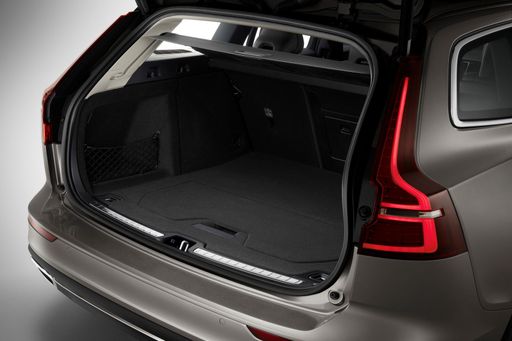
In terms of boot space, the Volvo V60 offers distinct more room – 519 L compared to 340 L. That’s a difference of about 179 L.
In maximum load capacity, the Volvo V60 performs minimal better – up to 1431 L, which is about 111 L more than the Mercedes EQA.
When it comes to payload, Volvo V60 slightly takes the win – 506 kg compared to 425 kg. That’s a difference of about 81 kg.
Who wins the race?
The Volvo V60 proves to be offers a more balanced package and therefore becomes our DriveDuel Champion!
Volvo V60 is the better all-rounder in this comparison.
from about £41,600
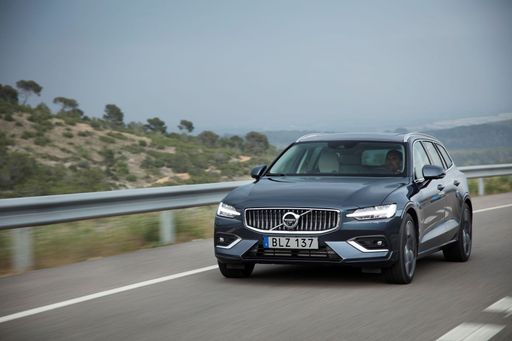 @ Volvo Cars
Volvo V60
Mercedes EQA
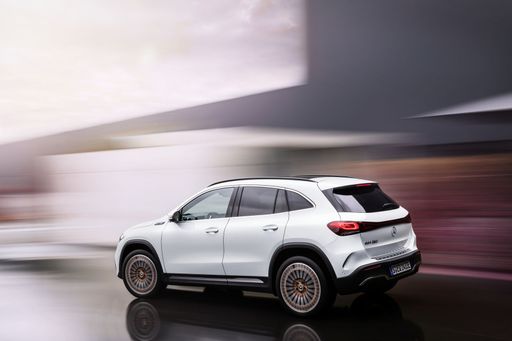
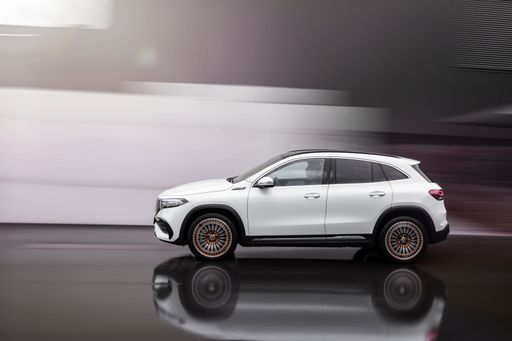
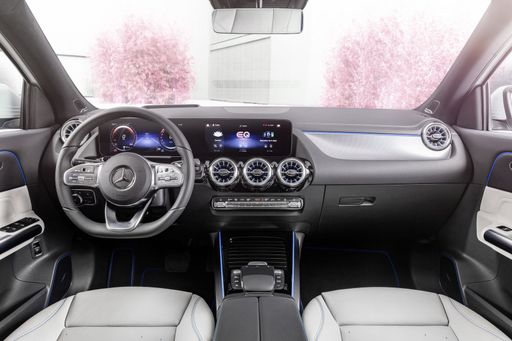
The Mercedes EQA slips into the electric crossover ranks with the brand’s familiar luxury polish, offering a quiet, fuss-free drive that feels perfectly at home in the city or on a country escape. Inside it’s neatly finished and tech-forward, projecting grown-up refinement even if it plays things a bit safe for anyone chasing outright excitement.
details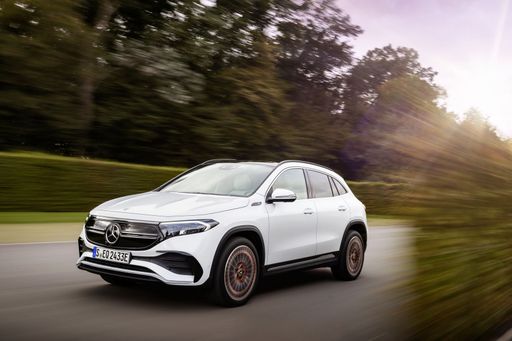 @ Mercedes-Benz Group Media
 @ Mercedes-Benz Group Media
 @ Mercedes-Benz Group Media
 @ Mercedes-Benz Group Media
Volvo V60
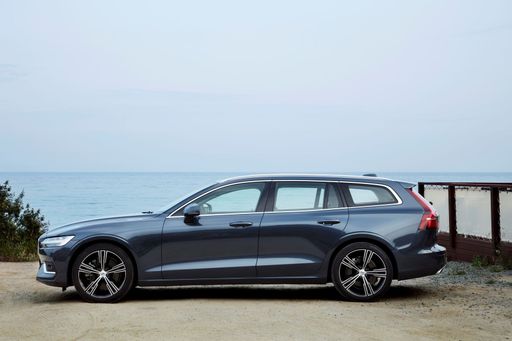
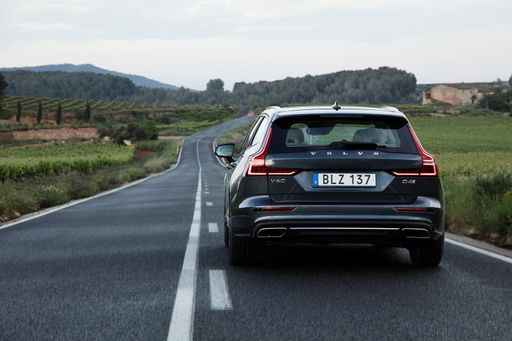
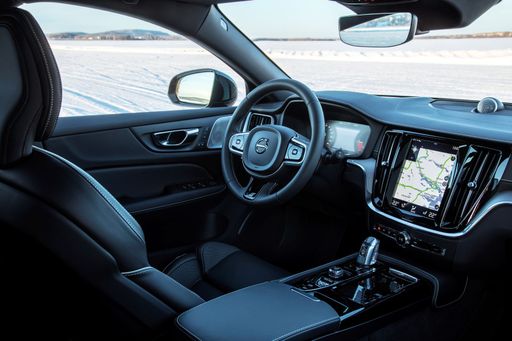
The Volvo V60 blends elegant Scandinavian design with a practical estate layout, making it a composed and sensible choice for buyers who want style without sacrifice. Inside, a serene cabin, clever safety features and a supple ride turn daily commutes and weekend getaways into effortless, grown-up motoring.
details
@ Volvo Cars
 @ Volvo Cars
 @ Volvo Cars
 @ Volvo Cars
 @ Volvo Cars
Mercedes EQA
Volvo V60
|
@ Mercedes-Benz Group Media
|
@ Volvo Cars
|
|
|
|
Costs and Consumption |
|
|---|---|
|
Price
44200 - 57400 £
|
Price
41600 - 64200 £
|
|
Consumption L/100km
-
|
Consumption L/100km
2.4 - 6.2 L
|
|
Consumption kWh/100km
14.4 - 16.9 kWh
|
Consumption kWh/100km
-
|
|
Electric Range
476 - 561 km
|
Electric Range
92 km
|
|
Battery Capacity
70.50 kWh
|
Battery Capacity
14.70 kWh
|
|
co2
0 g/km
|
co2
54 - 140 g/km
|
|
Fuel tank capacity
-
|
Fuel tank capacity
60 L
|
Dimensions and Body |
|
|---|---|
|
Body Type
SUV
|
Body Type
Estate
|
|
Seats
5
|
Seats
5
|
|
Doors
5
|
Doors
5
|
|
Curb weight
2045 - 2115 kg
|
Curb weight
1734 - 2064 kg
|
|
Trunk capacity
340 L
|
Trunk capacity
519 L
|
|
Length
4463 mm
|
Length
4778 mm
|
|
Width
1834 mm
|
Width
1850 mm
|
|
Height
1608 - 1613 mm
|
Height
1432 mm
|
|
Max trunk capacity
1320 L
|
Max trunk capacity
1431 L
|
|
Payload
425 kg
|
Payload
466 - 506 kg
|
Engine and Performance |
|
|---|---|
|
Engine Type
Electric
|
Engine Type
Petrol MHEV, Plugin Hybrid
|
|
Transmission
Automatic
|
Transmission
Automatic
|
|
Transmission Detail
Reduction Gearbox
|
Transmission Detail
Dual-Clutch Automatic, Automatic Gearbox
|
|
Drive Type
Front-Wheel Drive, All-Wheel Drive
|
Drive Type
Front-Wheel Drive, All-Wheel Drive
|
|
Power HP
190 - 292 HP
|
Power HP
197 - 455 HP
|
|
Acceleration 0-100km/h
6 - 8.6 s
|
Acceleration 0-100km/h
4.6 - 7.6 s
|
|
Max Speed
160 km/h
|
Max Speed
180 km/h
|
|
Torque
385 - 520 Nm
|
Torque
300 - 709 Nm
|
|
Number of Cylinders
-
|
Number of Cylinders
4
|
|
Power kW
140 - 215 kW
|
Power kW
145 - 335 kW
|
|
Engine capacity
-
|
Engine capacity
1969 cm3
|
General |
|
|---|---|
|
Model Year
2024 - 2025
|
Model Year
2024 - 2025
|
|
CO2 Efficiency Class
A
|
CO2 Efficiency Class
E, B
|
|
Brand
Mercedes-Benz
|
Brand
Volvo
|
Is the Mercedes EQA offered with different drivetrains?
Available configurations include Front-Wheel Drive or All-Wheel Drive.
The prices and data displayed are estimates based on German list prices and may vary by country. This information is not legally binding.