VS

Mercedes EQS vs Audi Q8 e-tron comparison

Compare performance (544 HP vs 503 HP), boot space and price (93,900 £ vs 65,100 £ ) at a glance. Find out which car is the better choice for you – Mercedes EQS or Audi Q8 e-tron?

Mercedes EQS vs Audi Q8 e-tron: Key differences

Mercedes EQS

  • only slightly more power
  • somewhat more efficient
  • visibly more electric range
  • very slightly quicker 0–100 km/h
  • only slightly lighter
  • marginally more trunk space

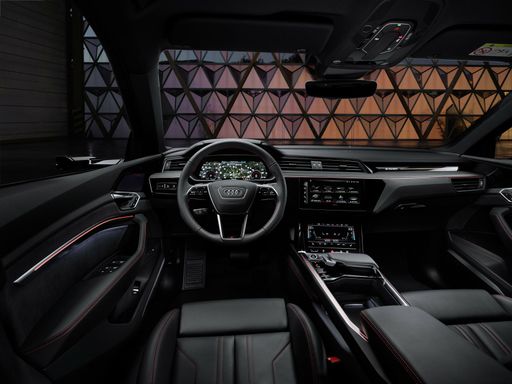
Audi Q8 e-tron

  • significantly cheaper
EQS

The Audi Q8 e-tron vs. the Mercedes EQS: A High-Stakes Showdown

In the rapidly growing sphere of electric vehicles, two titans have emerged as leaders in innovation and performance: the Audi Q8 e-tron and the Mercedes EQS. Both vehicles promise cutting-edge technology, outstanding design, and remarkable electric efficiency — but which one truly leads the charge in today's competitive market?
Q8 e-tron

Design and Body Style

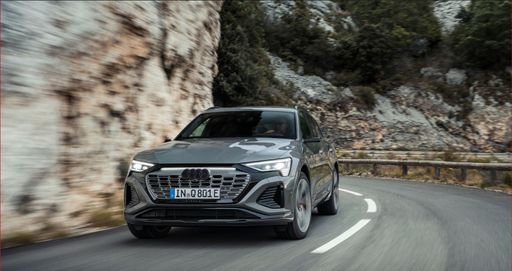
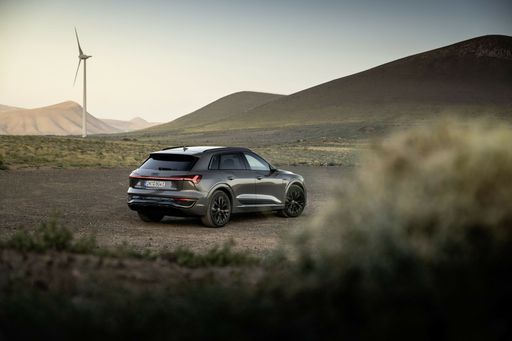
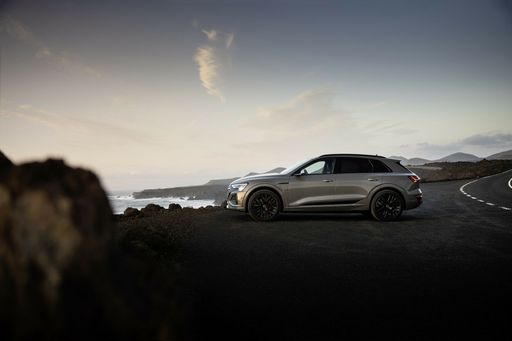
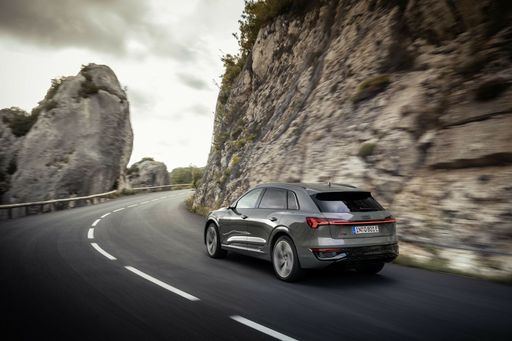
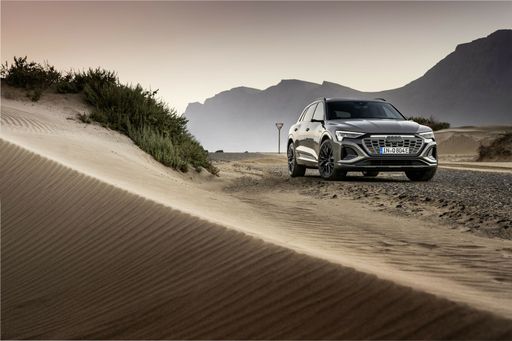
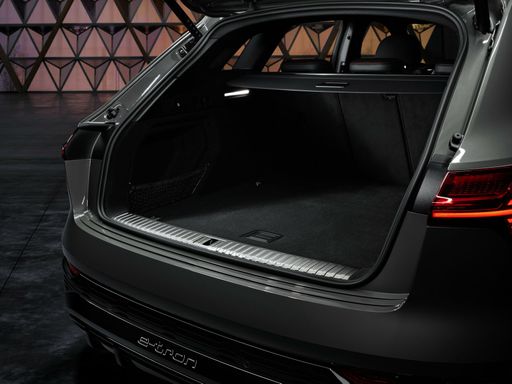
The Audi Q8 e-tron is an SUV that exudes elegance and power. With dimensions of 4915mm in length, and a height range from 1617mm to 1633mm, it offers a spacious yet aerodynamic silhouette. The SUV design not only provides ample room for five passengers, but also a substantial trunk capacity ranging from 528L to 569L, ensuring it meets the needs of those who prioritize both style and functionality.

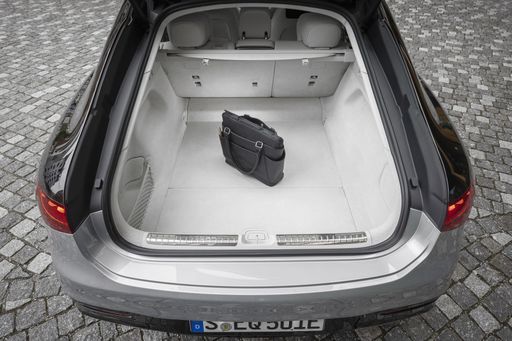
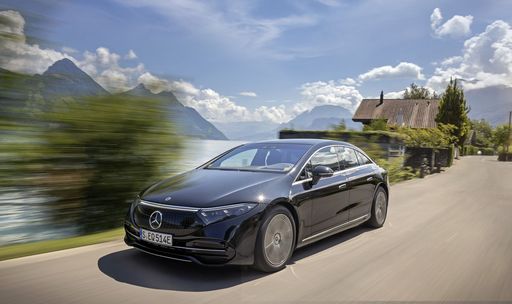
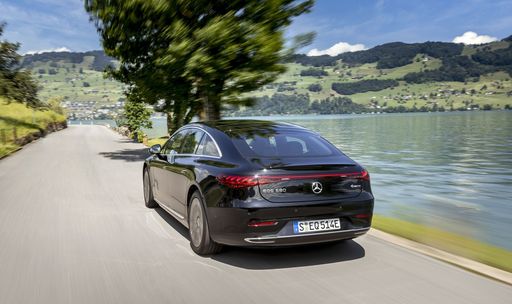
In contrast, the Mercedes EQS opts for a sophisticated hatchback body style. Its sleeker design is highlighted by its commanding length of 5223mm and a height of approximately 1512mm. Despite its more svelte proportions, the EQS surprises with a trunk capacity of 610L, making it quite competitive in terms of storage without sacrificing its futuristic aerodynamics.

EQS

Performance and Range

When assessing electric performance, both models offer impressive stats. The Audi Q8 e-tron provides a variety of power options, ranging from 340 to 503 HP, and torque ranging from 664 to 973 Nm. With a top speed of up to 210 km/h and acceleration as brisk as 4.5 seconds from 0 to 100 km/h, it is engineered for thrilling drives. The electric range varies between an efficient 456 km and a remarkable 595 km based on battery capacity options of 89 kWh and 106 kWh.

The Mercedes EQS, meanwhile, ups the ante with power outputs from 360 HP to a staggering 761 HP, offering both rear-wheel and all-wheel drive layouts. It boasts a truly impressive range between 625 km and 816 km. Acceleration is equally spirited, capable of launching from 0 to 100 km/h in as little as 3.4 seconds, depending on the model. Its top speed stands slightly higher at up to 250 km/h, ensuring speed enthusiasts are not left wanting.

Q8 e-tron

Technological Innovations

Both vehicles are a testament to the automakers' commitment to innovation. Audi equips the Q8 e-tron with a highly efficient automatic transmission featuring a reduction gearbox, paired with state-of-the-art all-wheel drive technology, ensuring seamless handling across diverse terrains.

The Mercedes EQS shines with its sophisticated drivetrain options, also offering a reduction gearbox and advanced driving aids. Notably, its battery capacity is an industry-leading 118 kWh, which contributes to its exceptional range and efficiency, with consumption rates between 16.5 and 21 kWh/100km.

EQS

Environmental Impact

Both the Audi Q8 e-tron and the Mercedes EQS are stellar performers in terms of environmental impact, both achieving a CO2 efficiency class rating of A and having zero carbon emissions during operation. This makes them not only powerful choices for today's roads but also conscientious decisions for tomorrow's environment.

Q8 e-tron

Conclusion

Deciding between the Audi Q8 e-tron and the Mercedes EQS largely depends on individual preference and priorities. If one seeks an SUV with a balance of power and practicality, the Q8 e-tron poses a compelling case. For those leaning towards luxurious hatchback sophistication with cutting-edge technology and greater range, the EQS stands out.

In essence, both models symbolize the pinnacle of electric vehicle innovation and luxury, marking them as top contenders in the ongoing race to define the future of driving.

Here’s where it gets real: The technical differences in detail

EQS

Costs and Efficiency:

Looking at overall running costs, both models reveal some interesting differences in everyday economy.

Audi Q8 e-tron is significantly cheaper – starting at 65,100 £ , while the Mercedes EQS costs 93,900 £ . That’s a price difference of around 28,843 £.

In terms of energy consumption, the Mercedes EQS is somewhat more efficient: consuming 16.5 kWh/100km compared to 19.7 kWh/100km for the Audi Q8 e-tron. That’s a difference of about 3.2 kWh/100km.

As for electric range, the Mercedes EQS offers visibly more range – reaching up to 816 km, about 221 km more than the Audi Q8 e-tron.

Q8 e-tron

Engine and Performance:

Power, torque and acceleration say a lot about how a car feels on the road. This is where you see which model delivers more driving dynamics.

When it comes to engine power, the Mercedes EQS offers only slightly more power – delivering 544 HP compared to 503 HP. That’s roughly 41 HP more horsepower.

When accelerating from 0 to 100 km/h, the Mercedes EQS is very slightly quicker – completing the sprint in 4.4 s, while the Audi Q8 e-tron takes 4.5 s. That’s about 0.1 s quicker.

There’s no difference in top speed – both reach 210 km/h.

There’s also a difference in torque: the Audi Q8 e-tron delivers somewhat more torque with 973 Nm compared to 858 Nm. That’s about 115 Nm more.

EQS

Space and Everyday Use:

Whether family car or daily driver – which one offers more room, flexibility and comfort?

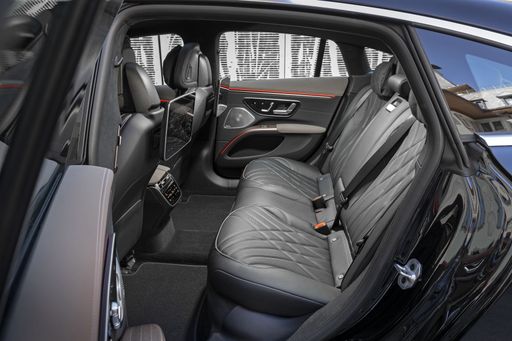
Both vehicles offer seating for 5 people.

In terms of curb weight, Mercedes EQS is only slightly lighter – 2,545 kg compared to 2,585 kg. The difference is around 40 kg.

Looking at boot space, the Mercedes EQS offers marginally more boot space – 610 L compared to 569 L. That’s a difference of about 41 L.

For maximum load capacity, the Mercedes EQS offers marginally more capacity – up to 1,770 L, about 133 L more than the Audi Q8 e-tron.

When it comes to payload, the Audi Q8 e-tron carries barely more – 595 kg compared to 565 kg. That’s a difference of about 30 kg.

Who wins the race in the data check?

The Mercedes EQS holds a narrow overall lead in the objective data comparison.
This result only shows which model scores more points on paper – not which of the two cars feels right for you.

from £93,900
EQS

Mercedes EQS

  • Engine Type : Electric
  • Transmission : Automatic
  • Drive Type : All-Wheel Drive, Rear-Wheel Drive
  • Power HP : 360 - 544 HP
  • Consumption kWh/100km : 16.5 - 17.2 kWh/100km
  • Electric Range : 790 - 816 km
Mercedes EQS
Audi Q8 e-tron

Costs and Consumption

View detailed analysis

Engine and Performance

View detailed analysis

Dimensions and Body

View detailed analysis

Mercedes EQS

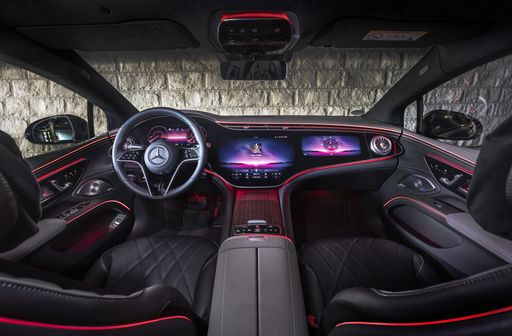
The Mercedes EQS is a silent, spaceship-like flagship that turns electric luxury into zen on wheels, wrapped in a swooping design that insists on being admired. Inside it’s all glassy screens and soft-touch surfaces that make long trips feel like first class, and the driving experience is composed and effortless — like a courteous butler with an electric heart.

details

Audi Q8 e-tron

The Audi Q8 e-tron wraps Audi’s usual premium polish into a quiet, composed electric SUV that feels refined and surprisingly effortless to drive. With a spacious, tech-forward cabin and understated road presence, it’s a practical yet stylish choice for buyers who want electric motoring without losing the dignity of a proper luxury SUV.

details
Mercedes EQS
Audi Q8 e-tron

Costs and Consumption

Price
93,900 - 123,500 £
Price
65,100 - 102,800 £
Consumption L/100km
-
Consumption L/100km
-
Consumption kWh/100km
16.5 - 17.2 kWh/100km
Consumption kWh/100km
19.7 - 26.3 kWh/100km
Electric Range
790 - 816 km
Electric Range
456 - 595 km
Battery Capacity
118 kWh
Battery Capacity
89 - 106 kWh
co2
0 g/km
co2
0 g/km
Fuel tank capacity
-
Fuel tank capacity
-

Dimensions and Body

Body Type
Hatchback
Body Type
SUV
Seats
5
Seats
5
Doors
5
Doors
5
Curb weight
2,545 - 2,655 kg
Curb weight
2,585 - 2,725 kg
Trunk capacity
610 L
Trunk capacity
528 - 569 L
Length
5,223 mm
Length
4,915 mm
Width
1,926 mm
Width
1,937 - 1,994 mm
Height
1,512 mm
Height
1,617 - 1,683 mm
Max trunk capacity
1,770 L
Max trunk capacity
1,567 - 1,637 L
Payload
550 - 565 kg
Payload
515 - 595 kg

Engine and Performance

Engine Type
Electric
Engine Type
Electric
Transmission
Automatic
Transmission
Automatic
Transmission Detail
Reduction Gearbox
Transmission Detail
Reduction Gearbox
Drive Type
All-Wheel Drive, Rear-Wheel Drive
Drive Type
All-Wheel Drive
Power HP
360 - 544 HP
Power HP
340 - 503 HP
Acceleration 0-100km/h
4.4 - 6.2 s
Acceleration 0-100km/h
4.5 - 6 s
Max Speed
210 km/h
Max Speed
200 - 210 km/h
Torque
568 - 858 Nm
Torque
664 - 973 Nm
Number of Cylinders
-
Number of Cylinders
-
Power kW
265 - 400 kW
Power kW
250 - 370 kW
Engine capacity
-
Engine capacity
-

General

Model Year
2,024
Model Year
2,023 - 2,024
CO2 Efficiency Class
A
CO2 Efficiency Class
A
Brand
Mercedes-Benz
Brand
Audi
DriveDuel uses data analysis and artificial intelligence to evaluate vehicle data and create content. Content is regularly reviewed and improved. The displayed prices are estimates based on German list prices, adjusted to the respective country’s VAT. Country-specific registration taxes are not included. This information is not legally binding.