VS

Audi Q8 e-tron vs BMW iX3 comparison

Compare performance (503 HP vs 469 HP), boot space and price (65,100 £ vs 60,800 £ ) at a glance. Find out which car is the better choice for you – Audi Q8 e-tron or BMW iX3?

Audi Q8 e-tron vs BMW iX3: Key differences

Audi Q8 e-tron

  • only slightly more power
  • barely quicker 0–100 km/h

BMW iX3

4.7 (3 Reviews)
rate
  • only slightly cheaper
  • markedly more efficient
  • clearly more electric range
  • only slightly lighter

All details on performance, efficiency, range and trunk space can be found in the technical comparison below – including user reviews for both models.

By Achim Sedelmaier

Q8 e-tron

The Battle of Luxury Electric SUVs: Audi Q8 e-tron vs. BMW iX3

The electric vehicle (EV) market is rapidly expanding, and two major players—Audi and BMW—offer compelling choices in the luxury SUV segment. The Audi Q8 e-tron and the BMW iX3 are at the forefront, showcasing remarkable innovations, impressive power, and eco-friendly credentials. We take a closer look at these two electrifying contenders to help you decide which aligns better with your lifestyle and preferences.
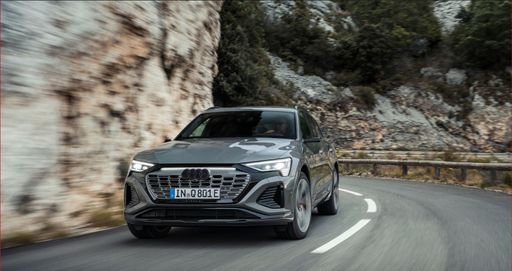
iX3

Power and Performance

The Audi Q8 e-tron is equipped with all-wheel drive, offering three power options ranging from 340 HP to an exciting 503 HP. This provides not only versatility but also swift acceleration, with the ability to go from 0 to 100 km/h in just 4.5 seconds in its top variant. The BMW iX3, featuring rear-wheel drive, packs a 286 HP motor, providing a leisurely yet capable acceleration of 6.8 seconds from 0 to 100 km/h.

Both vehicles claim a CO2 emission of 0 g/km, while the Q8 e-tron offers more power options with torque ranging from 664 Nm to a robust 973 Nm, compared to the iX3's 400 Nm. The Audi also boasts a higher maximum speed of up to 210 km/h, surpassing the BMW's top speed of 180 km/h.

Q8 e-tron

Efficiency and Range

Efficiency in electric vehicles is paramount, and both SUVs excel in this category. The BMW iX3 offers a modest consumption of 17.6 kWh/100 km, paired with a 73.9 kWh battery, delivering up to 471 km of range. In contrast, the Audi Q8 e-tron provides broader options, with consumption ranging from 19.7 to 26.3 kWh/100 km and battery capacities of 89 kWh to 106 kWh. The Audi offers a longer maximum range, reaching up to 595 km, which can be a decisive factor for long-distance commutes.

iX3

Design and Practicality

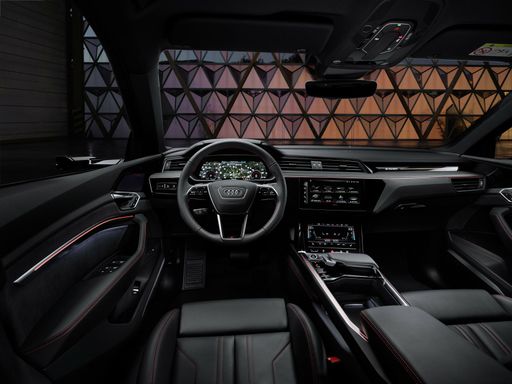
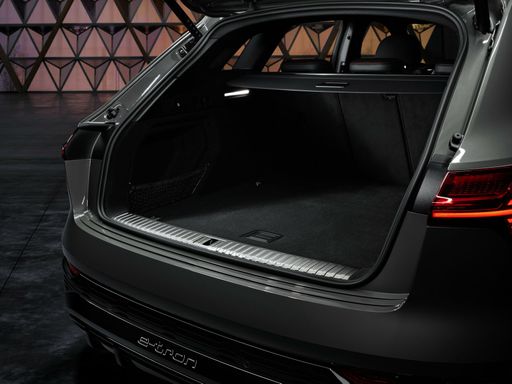
Both SUVs exude the luxury and style you would expect from these prestigious brands. The Audi Q8 e-tron stretches 4915 mm in length, providing a more spacious interior, while the BMW iX3's shorter length of 4734 mm offers agility. The Audi’s trunk capacity varies from 528 L to 569 L, slightly surpassing BMW's 510 L, which might appeal to families requiring ample cargo space.

Each model accommodates five seats comfortably, catering well to family and personal use. However, the Q8 e-tron likely scores higher in passenger comfort with its marginally larger dimensions: width up to 1994 mm and a maximum height of 1683 mm.

Q8 e-tron

Innovation and Advanced Technology

Both vehicles represent the pinnacle of automotive innovation. The Audi Q8 e-tron embraces a more modern technique in its engineering and technology, offering dynamic all-wheel performance suitable for diverse terrains. Meanwhile, the BMW iX3 stands out with its efficient energy consumption and nimble rear-wheel drive, showcasing BMW's commitment to combining sportiness with electric efficiency.

iX3

Conclusion: The Electrifying Choice

Choosing between the Audi Q8 e-tron and the BMW iX3 essentially depends on your priorities. The Audi Q8 e-tron leans towards those who desire all-wheel drive prowess, expansive range options, and potentially greater interior space. Conversely, the BMW iX3 is ideal for those who prefer a stylish, efficient drive with the spirited character of rear-wheel handling.

Ultimately, both SUVs offer compelling packages in the green frontier of automotive making, ensuring zero emissions without compromising on luxury. Consider what performance, utility, and aesthetic align with your desires, and embark on your next sustainable journey with one of these electric marvels.

Here’s where it gets real: The technical differences in detail

Q8 e-tron

Costs and Efficiency:

Price and efficiency are often the first things buyers look at. Here it becomes clear which model has the long-term edge – whether at the pump, the plug, or in purchase price.

BMW iX3 is only slightly cheaper – starting at 60,800 £ , while the Audi Q8 e-tron costs 65,100 £ . That’s a price difference of around 4,286 £.

In terms of energy consumption, the BMW iX3 is markedly more efficient: consuming 15.1 kWh/100km compared to 19.7 kWh/100km for the Audi Q8 e-tron. That’s a difference of about 4.6 kWh/100km.

As for electric range, the BMW iX3 offers clearly more range – reaching up to 805 km, about 210 km more than the Audi Q8 e-tron.

iX3

Engine and Performance:

Power, torque and acceleration say a lot about how a car feels on the road. This is where you see which model delivers more driving dynamics.

When it comes to engine power, the Audi Q8 e-tron offers only slightly more power – delivering 503 HP compared to 469 HP. That’s roughly 34 HP more horsepower.

When accelerating from 0 to 100 km/h, the Audi Q8 e-tron is barely quicker – completing the sprint in 4.5 s, while the BMW iX3 takes 4.9 s. That’s about 0.4 s quicker.

There’s also a difference in torque: the Audi Q8 e-tron delivers noticeably more torque with 973 Nm compared to 645 Nm. That’s about 328 Nm more.

Q8 e-tron

Space and Everyday Use:

Whether family car or daily driver – which one offers more room, flexibility and comfort?

Both vehicles offer seating for 5 people.

In terms of curb weight, BMW iX3 is only slightly lighter – 2,360 kg compared to 2,585 kg. The difference is around 225 kg.

When it comes to payload, the Audi Q8 e-tron carries markedly more – 595 kg compared to 465 kg. That’s a difference of about 130 kg.

Who wins the race in the data check?

The Audi Q8 e-tron sits just ahead overall in the objective data comparison.
This result only shows which model scores more points on paper – not which of the two cars feels right for you.

from £65,100
Q8 e-tron

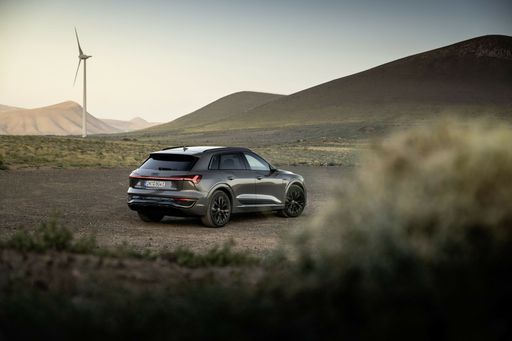
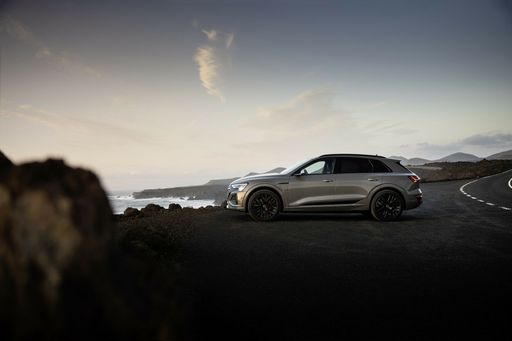
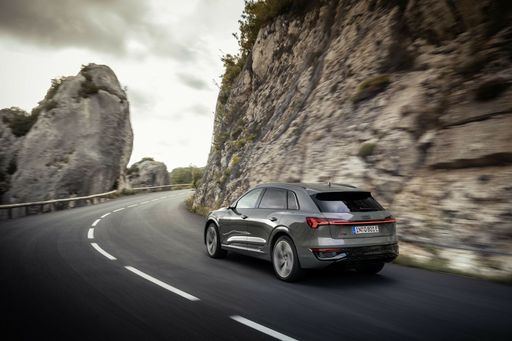
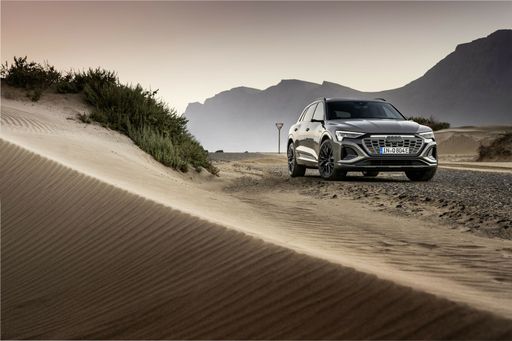
Audi Q8 e-tron

  • Engine Type : Electric
  • Transmission : Automatic
  • Drive Type : All-Wheel Drive
  • Power HP : 340 - 503 HP
  • Consumption kWh/100km : 19.7 - 26.3 kWh/100km
  • Electric Range : 456 - 595 km
Audi Q8 e-tron
BMW iX3

Costs and Consumption

View detailed analysis

Engine and Performance

View detailed analysis

Dimensions and Body

View detailed analysis

Audi Q8 e-tron

The Audi Q8 e-tron wraps Audi’s usual premium polish into a quiet, composed electric SUV that feels refined and surprisingly effortless to drive. With a spacious, tech-forward cabin and understated road presence, it’s a practical yet stylish choice for buyers who want electric motoring without losing the dignity of a proper luxury SUV.

details

BMW iX3

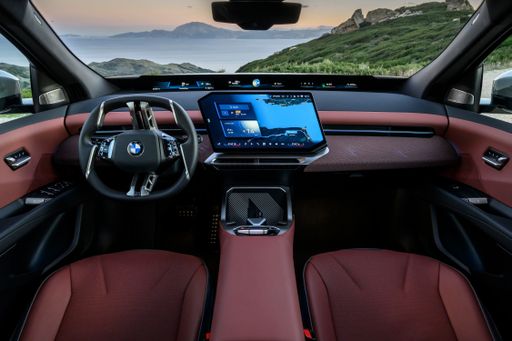
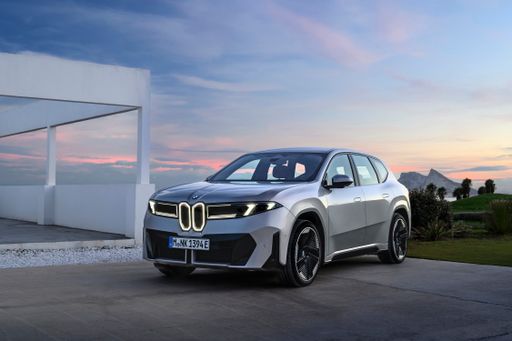
The BMW iX3 brings BMW's familiar SUV poise into the electric era, blending restrained styling and a comfortable, composed ride that will please traditionalists dipping their toes into electrification. It's quiet, practical and rather grown-up about going electric — a sensible choice for buyers who want BMW driving manners without the drama.

details
Audi Q8 e-tron
BMW iX3

Costs and Consumption

Price
65,100 - 102,800 £
Price
60,800 - 66,300 £
Consumption L/100km
-
Consumption L/100km
-
Consumption kWh/100km
19.7 - 26.3 kWh/100km
Consumption kWh/100km
15.1 kWh/100km
Electric Range
456 - 595 km
Electric Range
805 km
Battery Capacity
89 - 106 kWh
Battery Capacity
-
co2
0 g/km
co2
0 g/km
Fuel tank capacity
-
Fuel tank capacity
-

Dimensions and Body

Body Type
SUV
Body Type
SUV
Seats
5
Seats
5
Doors
5
Doors
-
Curb weight
2,585 - 2,725 kg
Curb weight
2,360 kg
Trunk capacity
528 - 569 L
Trunk capacity
-
Length
4,915 mm
Length
-
Width
1,937 - 1,994 mm
Width
1,895 mm
Height
1,617 - 1,683 mm
Height
-
Max trunk capacity
1,567 - 1,637 L
Max trunk capacity
-
Payload
515 - 595 kg
Payload
465 kg

Engine and Performance

Engine Type
Electric
Engine Type
Electric
Transmission
Automatic
Transmission
Automatic
Transmission Detail
Reduction Gearbox
Transmission Detail
Reduction Gearbox
Drive Type
All-Wheel Drive
Drive Type
All-Wheel Drive
Power HP
340 - 503 HP
Power HP
469 HP
Acceleration 0-100km/h
4.5 - 6 s
Acceleration 0-100km/h
4.9 s
Max Speed
200 - 210 km/h
Max Speed
-
Torque
664 - 973 Nm
Torque
645 Nm
Number of Cylinders
-
Number of Cylinders
-
Power kW
250 - 370 kW
Power kW
345 kW
Engine capacity
-
Engine capacity
-

General

Model Year
2,023 - 2,024
Model Year
2,026
CO2 Efficiency Class
A
CO2 Efficiency Class
A
Brand
Audi
Brand
BMW
DriveDuel uses data analysis and artificial intelligence to evaluate vehicle data and create content. Content is regularly reviewed and improved. The displayed prices are estimates based on German list prices, adjusted to the respective country’s VAT. Country-specific registration taxes are not included. This information is not legally binding.