VS

BMW i4 vs BMW iX3 comparison

Compare performance (601 HP vs 469 HP), boot space and price (49,900 £ vs 54,300 £ ) at a glance. Find out which car is the better choice for you – BMW i4 or BMW iX3?

BMW i4 vs BMW iX3: Key differences

BMW i4

5 (3 Reviews)
rate
  • very slightly cheaper
  • noticeably more power
  • visibly quicker 0–100 km/h
  • a bit lighter
details

BMW iX3

4.6 (4 Reviews)
rate
  • only slightly more efficient
  • clearly more electric range
details

All details on performance, efficiency, range and trunk space can be found in the technical comparison below – including user reviews for both models.

By Achim Sedelmaier

i4

Quick take

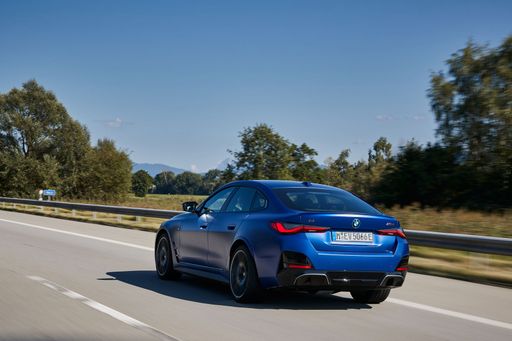
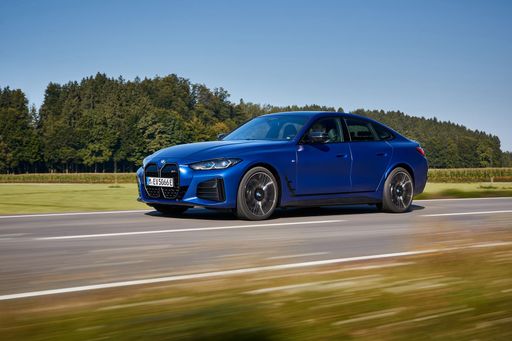
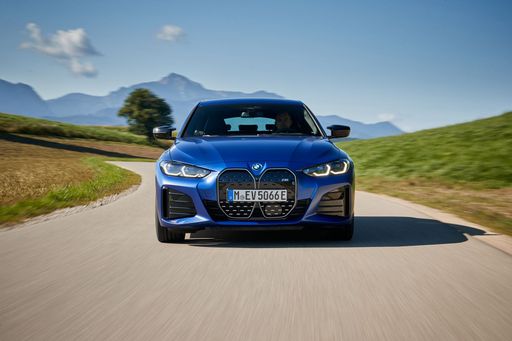
BMW i4 VS BMW iX3 — the BMW i4 and BMW iX3 are siblings in BMW's electric lineup but they set out to solve different problems. The i4 presents itself as a low, driver‑focused Gran Coupé that emphasises engagement and a refined cabin, while the iX3 is an SUV built around space, long‑distance ease and fast recharge convenience. This comparison is about how those choices affect everyday life: steering feel, rear‑seat comfort, luggage practicality and how each car behaves on long runs. Read on to see which of these two BMWs better matches the way you drive and live.
iX3

Driving character

On the road the BMW i4 feels like a compact sports saloon: precise steering, a lower seating position and a responsiveness that rewards an involved driver. The BMW iX3, despite being taller, surprises with composed body control and a forgiving balance that makes it easy to cover miles without fuss. If you enjoy spirited cornering and immediate feedback, the i4 will feel more satisfying through bends and in tighter traffic. If you prefer an effortless, calm experience where assistants and a stable ride do most of the work, the iX3 is the more relaxed companion. Their different characters make the choice about driver preference rather than capability.

i4

Comfort and long‑distance behavior

For motorway miles the BMW i4 is remarkably quiet and steady, delivering a grown‑up cruising experience that quickly reduces fatigue for the driver. The BMW iX3 leans even more into comfort for long stints with a softer overall demeanour, extra rear legroom and a flatter floor that benefits passengers. Rear occupants will clearly prefer the iX3 for longer journeys, while the i4’s rear is better suited to shorter trips or smaller passengers. On long drives the iX3’s packaging and charging rhythm make route planning simpler, whereas the i4 asks for a touch more attention to stops and range management. So long‑distance buyers will tend to favour the iX3 for ease, and drivers who prize refined high‑speed composure will enjoy the i4.

iX3

Practicality and everyday usability

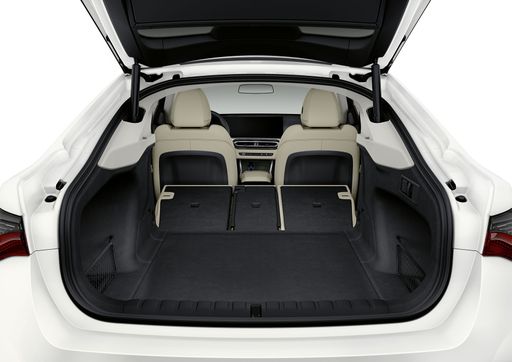
Practicality splits along body‑style lines: the i4’s hatchback and split‑fold rear give clever daily usability and neat underfloor storage, but it lacks a frunk and its rear space is tighter. The iX3’s SUV proportions translate into a larger boot, a usable frunk and towing capability that make moving family kit, bikes or furniture easier. In town the i4 can feel narrower and sportier, yet its large turning circle and rear visibility limit its agility in tight spots. The iX3 is wider but its cameras, parking aids and roomier cabin reduce everyday friction when carrying people or cargo. If you regularly haul bulky items or three adults, the iX3 is the more practical choice; if lower loading height and a sportier silhouette matter, the i4 wins.

i4

Cabin feel, tech and perceived quality

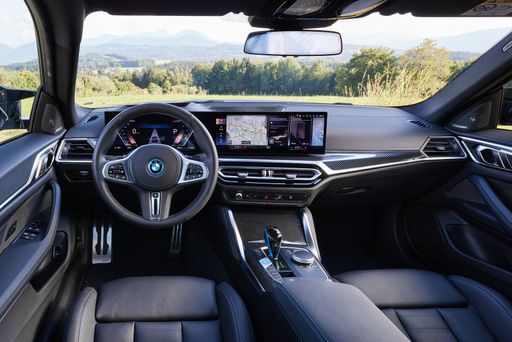
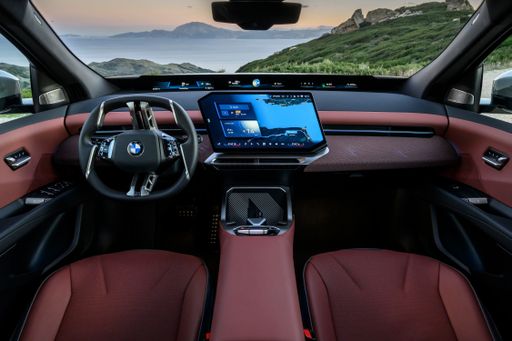
Inside, the BMW i4 favours traditional premium cues: well‑weighted controls, a driver‑oriented cockpit and materials that read as deliberately upscale. The BMW iX3 takes a more futuristic approach with the Panoramic iDrive band, a broad heads‑up presence and voice‑centric controls that modernise the experience but require an adjustment period. Both cabins feel premium, yet the i4 gives more tactile reassurance while the iX3 trades some physical buttons for software conveniences and hands‑off features. That trade‑off matters in daily use — the i4’s controller helps when you don’t want to stare at screens, while the iX3 rewards time spent teaching its voice assistant and customising shortcuts. Choose the i4 for immediate ergonomic clarity, or the iX3 if you prefer a forward‑looking, screen‑first environment.

iX3

Which fits you?

Put simply: choose the BMW i4 if you prioritise driver engagement, a refined Gran Coupé atmosphere and hatchback practicality; choose the BMW iX3 if you want maximum rear comfort, easier luggage management and fewer, shorter charging stops on long trips. Business users and drivers who want presence and a tactile cockpit will tend toward the i4, while families and high‑mileage commuters will see more upside in the iX3’s space, frunk and relaxed highway technology. Budget and option choices shift the balance — the i4 can become option‑heavy while the iX3 packs tech that pays off on long runs — so decide which trade‑offs you’re willing to accept. Below is the technical comparison that explains how battery layout, packaging and drivetrain choices produce these real‑world differences, helping you match spec to daily needs.

Here’s where it gets real: The technical differences in detail

i4

Costs and Efficiency:

Looking at overall running costs, both models reveal some interesting differences in everyday economy.

BMW i4 is very slightly cheaper – starting at 49,900 £ , while the BMW iX3 costs 54,300 £ . That’s a price difference of around 4,457 £.

In terms of energy consumption, the BMW iX3 is only slightly more efficient: consuming 14.6 kWh/100km compared to 14.7 kWh/100km for the BMW i4. That’s a difference of about 0.1 kWh/100km.

As for electric range, the BMW iX3 offers clearly more range – reaching up to 805 km, about 192 km more than the BMW i4.

iX3

Engine and Performance:

Power, torque and acceleration are the classic benchmarks for car enthusiasts – and here, some clear differences start to show.

When it comes to engine power, the BMW i4 offers noticeably more power – delivering 601 HP compared to 469 HP. That’s roughly 132 HP more horsepower.

When accelerating from 0 to 100 km/h, the BMW i4 is visibly quicker – completing the sprint in 3.7 s, while the BMW iX3 takes 4.9 s. That’s about 1.2 s quicker.

There’s also a difference in torque: the BMW i4 delivers moderately more torque with 795 Nm compared to 645 Nm. That’s about 150 Nm more.

i4

Space and Everyday Use:

Whether family car or daily driver – which one offers more room, flexibility and comfort?

Both vehicles offer seating for 5 people.

In terms of curb weight, BMW i4 is a bit lighter – 2,070 kg compared to 2,360 kg. The difference is around 290 kg.

When it comes to payload, the BMW i4 carries very slightly more – 480 kg compared to 465 kg. That’s a difference of about 15 kg.

Who wins the race in the data check?

The BMW i4 is decisively ahead in the objective data comparison.
This result only shows which model scores more points on paper – not which of the two cars feels right for you.

from £49,900
i4

BMW i4

  • Engine Type Electric
  • Transmission Automatic
  • Drive Type Rear-Wheel Drive, All-Wheel Drive
  • Power HP 286 - 601 HP
  • Consumption kWh/100km 14.7 - 16.7 kWh/100km
  • Electric Range 514 - 613 km
BMW i4
BMW iX3

Costs and Consumption

View detailed analysis

Engine and Performance

View detailed analysis

Dimensions and Body

View detailed analysis

BMW i4

The BMW i4 arrives with the poise of a classic Gran Coupé, marrying BMW's playful handling with a sleek, modern interior that makes switching to electric feel like an upgrade rather than a compromise. For buyers who want a practical daily driver that still enjoys a spirited back-road run, the i4 quietly delivers smiles and a surprising dose of driver engagement.

details

BMW iX3

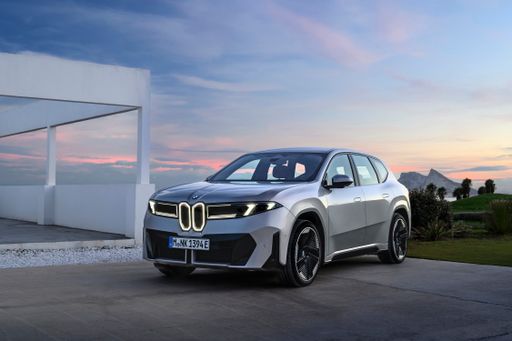
The BMW iX3 is an electric SUV that delivers the composed, premium driving experience BMW buyers expect. With a calm, refined cabin and practical everyday usability, it’s a strong choice for those who want electric motoring without giving up luxury and comfort.

details
BMW i4
BMW iX3

Costs and Consumption

Price
49,900 - 63,200 £
Price
54,300 - 66,300 £
Consumption L/100km
-
Consumption L/100km
-
Consumption kWh/100km
14.7 - 16.7 kWh/100km
Consumption kWh/100km
14.6 - 15.1 kWh/100km
Electric Range
514 - 613 km
Electric Range
635 - 805 km
Battery Capacity
-
Battery Capacity
-
co2
0 g/km
co2
0 g/km
Fuel tank capacity
-
Fuel tank capacity
-

Dimensions and Body

Body Type
Hatchback
Body Type
SUV
Seats
5
Seats
5
Doors
-
Doors
-
Curb weight
2,070 - 2,285 kg
Curb weight
2,360 kg
Trunk capacity
470 L
Trunk capacity
-
Length
-
Length
-
Width
1,852 mm
Width
1,895 mm
Height
-
Height
-
Max trunk capacity
-
Max trunk capacity
-
Payload
445 - 480 kg
Payload
465 kg

Engine and Performance

Engine Type
Electric
Engine Type
Electric
Transmission
Automatic
Transmission
Automatic
Transmission Detail
Reduction Gearbox
Transmission Detail
Reduction Gearbox
Drive Type
Rear-Wheel Drive, All-Wheel Drive
Drive Type
All-Wheel Drive, Rear-Wheel Drive
Power HP
286 - 601 HP
Power HP
320 - 469 HP
Acceleration 0-100km/h
3.7 - 6 s
Acceleration 0-100km/h
4.9 - 5.9 s
Max Speed
-
Max Speed
-
Torque
400 - 795 Nm
Torque
500 - 645 Nm
Number of Cylinders
-
Number of Cylinders
-
Power kW
210 - 442 kW
Power kW
235 - 345 kW
Engine capacity
-
Engine capacity
-

General

Model Year
2,024 - 2,025
Model Year
2026
CO2 Efficiency Class
A
CO2 Efficiency Class
A
Brand
BMW
Brand
BMW
DriveDuel uses data analysis and artificial intelligence to evaluate vehicle data and create content. Content is regularly reviewed and improved. The displayed prices are estimates based on German list prices, adjusted to the respective country’s VAT. Country-specific registration taxes are not included. This information is not legally binding.