VS

BMW i4 vs Alpine A390 comparison

Compare performance (601 HP vs 470 HP), boot space and price (49,900 £ vs 57,900 £ ) at a glance. Find out which car is the better choice for you – BMW i4 or Alpine A390?

BMW i4 vs Alpine A390: Key differences

BMW i4

5 (3 Reviews)
rate
  • moderately cheaper
  • visibly more power
  • visibly more efficient
  • moderately more electric range
  • barely quicker 0–100 km/h
  • only slightly lighter
details

Alpine A390

  • slightly more trunk space
details

All details on performance, efficiency, range and trunk space can be found in the technical comparison below – including user reviews for both models.

By Achim Sedelmaier

i4

Direct comparison: BMW i4 and Alpine A390

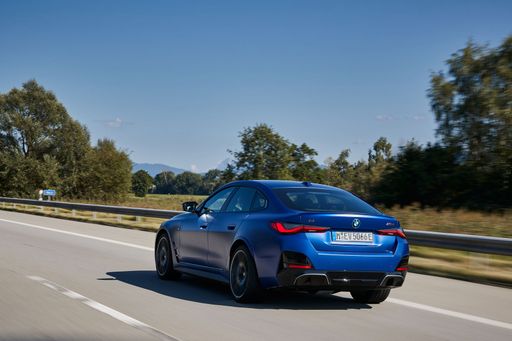
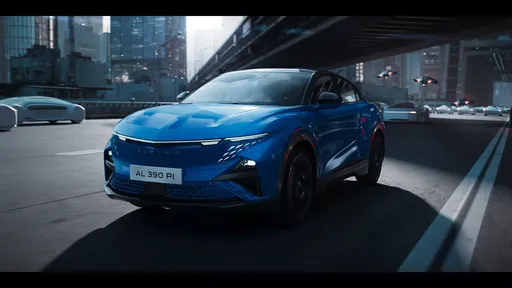
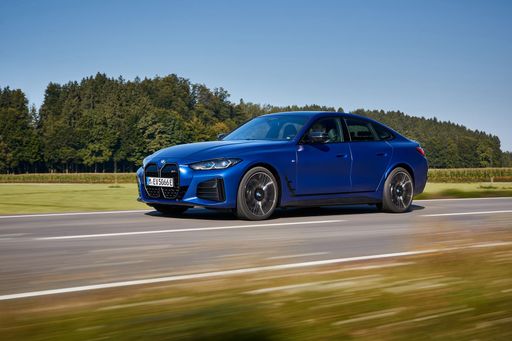
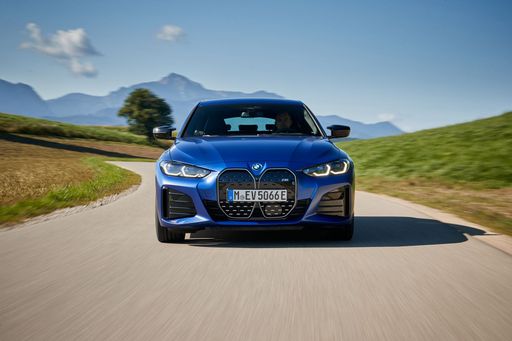
The BMW i4 and Alpine A390 offer two very different answers to what an electric car can be: the i4 leans into composed, premium long‑distance refinement while the A390 prioritises playful, torque‑heavy driving engagement. This BMW i4 VS Alpine A390 comparison lays out how those characters translate to everyday life rather than spec sheets. The i4 feels like a quietly confident grand tourer that masks its power behind calm manners, whereas the A390 announces itself with instant shove and razor‑sharp turn‑in. Buyers will quickly see that choosing between them is a question of preferred temperament—soothing authority versus athletic liveliness—more than incremental tradeoffs in features.
A390

Driving character and performance

On the move the contrast is immediate: the BMW i4 behaves like a measured performance saloon, delivering its pace with composure and a heavy, planted feel that soothes on fast roads. The Alpine A390 is the opposite sort of thrill—nimble, direct and eager to change direction, its torque delivery and torque‑vectoring make it feel lighter and far more playful. That sharper behaviour costs you in energy: Alpine’s eagerness translates into more frequent refuelling—i.e. charging—on long runs, while the i4 stretches distance with a more efficient gait. If you value razor‑edged feedback and on‑demand drama, Alpine rewards you; if you want power without drama and steady reserves for motorway cruising, the i4 is the more relaxed companion.

i4

Comfort and long‑distance behaviour

The BMW i4 wins the long haul for most people because it’s quieter, better insulated and tuned to smooth out high‑speed miles, so multi‑hour motorway stints feel less tiring. The Alpine A390 can be surprisingly compliant on fine surfaces thanks to clever damping, but on rough roads or with its larger wheels it exposes bumps and can feel more taut. Both cars share compromises in rear‑seat space, but they feel different in use: the i4’s rear is snug in a premium way, whereas the A390’s rear position is lower and more cramped, making long back‑seat trips less comfortable. In short trips with corners and punches of fun, Alpine keeps you smiling; for repeated long runs and quiet cruising the i4 wears the better grin longer.

Practicality and cabin feel

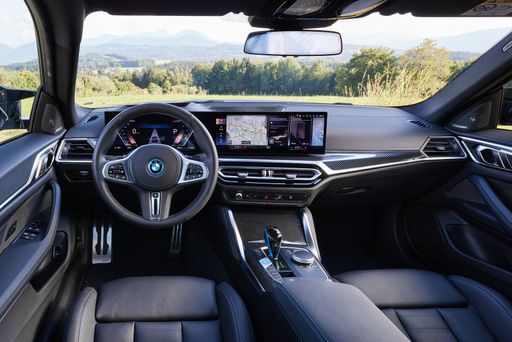
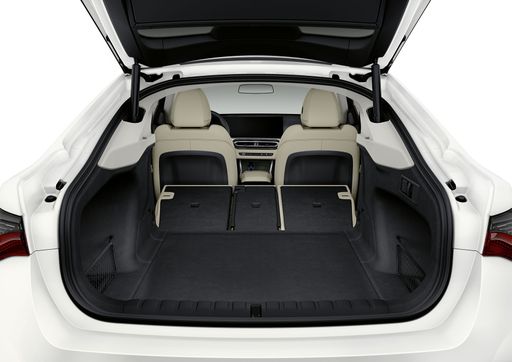
Practical daily life favours the BMW i4 where a proper hatch and clever cargo compromises make loading easier and the interior reads as consistently premium. Alpine’s boot is usefully wide and its floor practical, but cabin materials and detailing sometimes betray cost‑led choices, so the A390 interior feels more functional than luxurious. The i4’s cockpit leans on refinement and tactile switches like the iDrive controller for a familiar premium interaction, while Alpine’s Google‑centric system and physical climate controls make basic tasks fast and intuitive. If you regularly carry varied loads or expect a more refined cabin ambience, the i4 edges ahead; if cargo shape and driver‑facing simplicity matter more than polish, the A390 holds its own.

City friendliness and everyday usability

In town the Alpine A390 is easier to hustle: light steering and agile manners make parking and lane changes less effortful, and the straightforward physical knobs are welcome during short trips. The BMW i4’s fine ride and strong regen are excellent in stop‑start traffic, but its large turning circle and tighter rear visibility demand more reliance on cameras and assists in tight urban environments. Ergonomically the A390 gets points for quick‑to‑use controls; the i4’s touch‑heavy climate and some menus can feel fiddly while driving. So for bumping around the city the Alpine is the livelier fit, while the i4 is friendlier to longer commutes that include highway sections.

Buyer fit: who should pick which car

Choose the BMW i4 if you prioritise quiet motorway miles, a consistently premium cabin and everyday practicality from a hatchback layout; it suits commuters, frequent long‑distance drivers and those who want a composed, grown‑up electric saloon. Opt for the Alpine A390 if you crave driver engagement, immediate responsiveness and a car that makes cornered roads enjoyable even at the cost of higher energy use and a less lofty interior feel. Families that carry adults in the rear often will prefer the i4’s packaging, while solo drivers or enthusiasts who relish on‑road agility will find more thrills in the A390. The technical section that follows will dig into the drivetrain, range and charging trade‑offs that underline these real‑world differences so you can match the numbers to the fit described here.

Here’s where it gets real: The technical differences in detail

i4

Costs and Efficiency:

Price and efficiency are often the first things buyers look at. Here it becomes clear which model has the long-term edge – whether at the pump, the plug, or in purchase price.

BMW i4 is moderately cheaper – starting at 49,900 £ , while the Alpine A390 costs 57,900 £ . That’s a price difference of around 7,972 £.

In terms of energy consumption, the BMW i4 is visibly more efficient: consuming 14.7 kWh/100km compared to 18.7 kWh/100km for the Alpine A390. That’s a difference of about 4 kWh/100km.

As for electric range, the BMW i4 offers moderately more range – reaching up to 613 km, about 62 km more than the Alpine A390.

A390

Engine and Performance:

Power, torque and acceleration are the classic benchmarks for car enthusiasts – and here, some clear differences start to show.

When it comes to engine power, the BMW i4 offers visibly more power – delivering 601 HP compared to 470 HP. That’s roughly 131 HP more horsepower.

When accelerating from 0 to 100 km/h, the BMW i4 is barely quicker – completing the sprint in 3.7 s, while the Alpine A390 takes 3.9 s. That’s about 0.2 s quicker.

There’s also a difference in torque: the Alpine A390 delivers barely more torque with 824 Nm compared to 795 Nm. That’s about 29 Nm more.

i4

Space and Everyday Use:

Whether family car or daily driver – which one offers more room, flexibility and comfort?

Both vehicles offer seating for 5 people.

In terms of curb weight, BMW i4 is only slightly lighter – 2,070 kg compared to 2,121 kg. The difference is around 51 kg.

Looking at boot space, the Alpine A390 offers slightly more boot space – 532 L compared to 470 L. That’s a difference of about 62 L.

When it comes to payload, the Alpine A390 carries barely more – 484 kg compared to 480 kg. That’s a difference of about 4 kg.

Who wins the race in the data check?

The BMW i4 is clearly superior overall in the objective data comparison.
This result only shows which model scores more points on paper – not which of the two cars feels right for you.

from £49,900
i4

BMW i4

  • Engine Type Electric
  • Transmission Automatic
  • Drive Type Rear-Wheel Drive, All-Wheel Drive
  • Power HP 286 - 601 HP
  • Consumption kWh/100km 14.7 - 16.7 kWh/100km
  • Electric Range 514 - 613 km
BMW i4
Alpine A390

Costs and Consumption

View detailed analysis

Engine and Performance

View detailed analysis

Dimensions and Body

View detailed analysis

BMW i4

The BMW i4 arrives with the poise of a classic Gran Coupé, marrying BMW's playful handling with a sleek, modern interior that makes switching to electric feel like an upgrade rather than a compromise. For buyers who want a practical daily driver that still enjoys a spirited back-road run, the i4 quietly delivers smiles and a surprising dose of driver engagement.

details

Alpine A390

The Alpine A390 is the brand’s leap into the fast electric crossover arena, wrapping Dieppe’s lightweight ethos in a sleek, coupe-ish body with real everyday usability. If the steering and chassis feel echo the A110, this could be the enthusiast’s family EV—subtle, sharp, and très chic, with enough theatre to make the school run feel like a pit lane exit.

details
BMW i4
Alpine A390

Costs and Consumption

Price
49,900 - 63,200 £
Price
57,900 - 66,900 £
Consumption L/100km
-
Consumption L/100km
-
Consumption kWh/100km
14.7 - 16.7 kWh/100km
Consumption kWh/100km
18.7 - 20.4 kWh/100km
Electric Range
514 - 613 km
Electric Range
497 - 551 km
Battery Capacity
-
Battery Capacity
-
co2
0 g/km
co2
0 g/km
Fuel tank capacity
-
Fuel tank capacity
-

Dimensions and Body

Body Type
Hatchback
Body Type
SUV
Seats
5
Seats
5
Doors
-
Doors
-
Curb weight
2,070 - 2,285 kg
Curb weight
2,121 - 2,124 kg
Trunk capacity
470 L
Trunk capacity
532 L
Length
-
Length
-
Width
1,852 mm
Width
1,885 mm
Height
-
Height
-
Max trunk capacity
-
Max trunk capacity
-
Payload
445 - 480 kg
Payload
481 - 484 kg

Engine and Performance

Engine Type
Electric
Engine Type
Electric
Transmission
Automatic
Transmission
Automatic
Transmission Detail
Reduction Gearbox
Transmission Detail
Reduction Gearbox
Drive Type
Rear-Wheel Drive, All-Wheel Drive
Drive Type
All-Wheel Drive
Power HP
286 - 601 HP
Power HP
400 - 470 HP
Acceleration 0-100km/h
3.7 - 6 s
Acceleration 0-100km/h
3.9 - 4.8 s
Max Speed
-
Max Speed
-
Torque
400 - 795 Nm
Torque
661 - 824 Nm
Number of Cylinders
-
Number of Cylinders
-
Power kW
210 - 442 kW
Power kW
295 - 345 kW
Engine capacity
-
Engine capacity
-

General

Model Year
2,024 - 2,025
Model Year
2026
CO2 Efficiency Class
A
CO2 Efficiency Class
A
Brand
BMW
Brand
Alpine
DriveDuel uses data analysis and artificial intelligence to evaluate vehicle data and create content. Content is regularly reviewed and improved. The displayed prices are estimates based on German list prices, adjusted to the respective country’s VAT. Country-specific registration taxes are not included. This information is not legally binding.