VS

BMW i4 vs Polestar 4 comparison

Compare performance (601 HP vs 544 HP), boot space and price (49,400 £ vs 53,100 £ ) at a glance. Find out which car is the better choice for you – BMW i4 or Polestar 4?

BMW i4 vs Polestar 4: Key differences

BMW i4

4.9 (2 Reviews)
rate
  • barely cheaper
  • only slightly more power
  • clearly more efficient
  • very slightly quicker 0–100 km/h
  • very slightly lighter

Polestar 4

4.8 (8 Reviews)
rate
  • only slightly more electric range
  • somewhat more trunk space

All details on performance, efficiency, range and trunk space can be found in the technical comparison below – including user reviews for both models.

i4

Two electric personalities under one roof

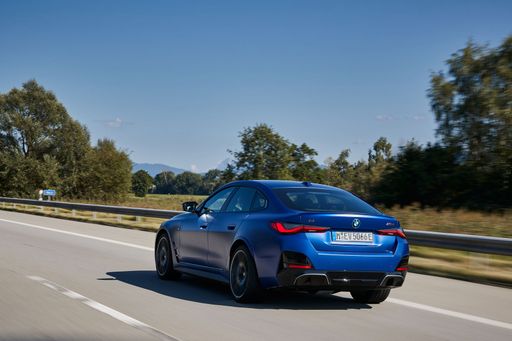
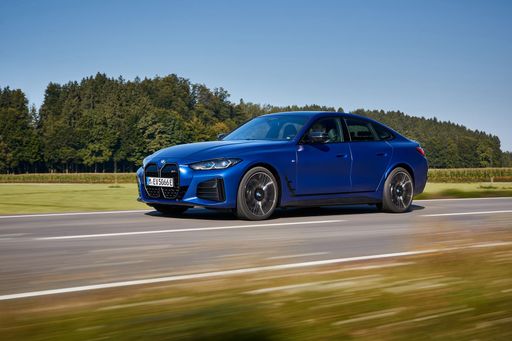
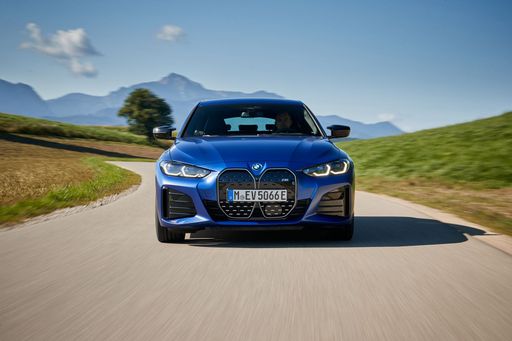
The duel on our tarmac pits the familiar, athletic presence of the BMW i4 against the crisp, Scandinavian-flavoured statement of the Polestar 4. One wears its performance pedigree like a tailored suit, the other dresses in pared-back lines and thoughtful details. Together they map two different answers to the same question: how should an everyday electric car look, feel and behave?
4

Sensory contrast: crafted engagement vs sculpted calm

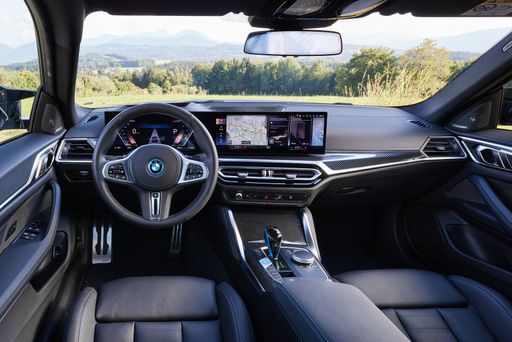
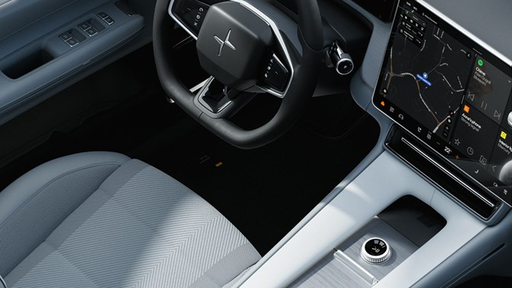
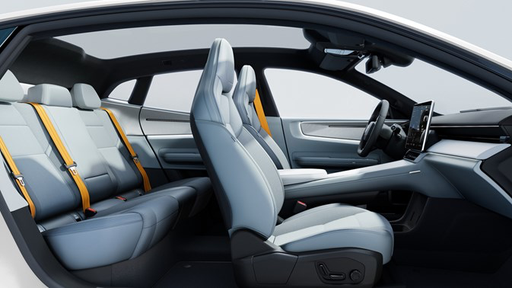
The i4 leans into driver engagement with a cabin that still feels like the cockpit of a sports saloon — tactile controls, a purposeful seating position and chassis tuning that talks back. The Polestar 4 answers with restraint: clean surfaces, deliberate material choices and an ambience that prioritises visual coherence over sporty theatrics. One invites you to hustle through corners; the other encourages a composed, considered pace and a continuous design story.

i4

How they handle real life: school runs, parking and motorway miles

In everyday use the i4 feels like a long-legged commuter that still enjoys a twisty B-road, offering confidence for long stints and a familiar ergonomics package that drivers recognise instantly. The Polestar 4 shines when you want modern packaging and effortless kerb appeal — it’s easy to live with in the city and has a practical, luggage-friendly demeanour for weekend plans. Both make sensible daily partners but they deliver different kinds of comfort: one leans toward driver-focused calm, the other toward minimalist usability.

4

Buyers’ excuses: what you’ll tell friends when you sign the papers

If you choose the i4 you’ll talk about the driving feel, the badge and the reassuringly familiar premium finish; it’s a decision that sounds as practical as it does indulgent. Opting for the Polestar 4, you’ll frame it as a design-led, forward-looking choice — a car that feels contemporary on arrival and speaks to a tidy, modern aesthetic. Either way the rationale is part identity and part usefulness: appearance and experience sell as much as the promise of everyday comfort.

i4

Who should park a BMW i4 in their garage?

The i4 suits drivers who prize a planted, somewhat sporty character and the understated prestige of a traditional premium maker — people who want to enjoy the commute as much as tolerate it. It’s for those who value a composed long-distance companion with controls that reward input, and for buyers who like their tech and luxury served in a familiar, driver-centric format. If you want a car that feels sorted and slightly assertive, this is where your instincts will nod.

4

Who should pick the Polestar 4 instead?

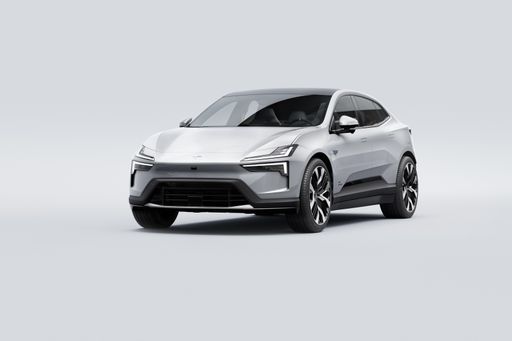
The Polestar 4 is aimed at buyers who place design, interface clarity and a contemporary Scandinavian aesthetic high on the priority list; it’s for drivers who want their car to feel like a statement as much as transport. It will appeal to those who enjoy a minimalist interior, distinctive looks and a modern presentation over traditional badge-power. Read on for the detailed figures and the small-print differences that separate these two very different approaches to electric motoring.

Here’s where it gets real: The technical differences in detail

i4

Costs and Efficiency:

When it comes to price and running costs, the biggest differences usually appear. This is often where you see which car fits your budget better in the long run.

BMW i4 is barely cheaper – starting at 49,400 £ , while the Polestar 4 costs 53,100 £ . That’s a price difference of around 3,686 £.

In terms of energy consumption, the BMW i4 is clearly more efficient: consuming 14.7 kWh/100km compared to 17.8 kWh/100km for the Polestar 4. That’s a difference of about 3.1 kWh/100km.

As for electric range, the Polestar 4 offers only slightly more range – reaching up to 620 km, about 7 km more than the BMW i4.

4

Engine and Performance:

Under the bonnet, it becomes clear which model is tuned for sportiness and which one takes the lead when you hit the accelerator.

When it comes to engine power, the BMW i4 offers only slightly more power – delivering 601 HP compared to 544 HP. That’s roughly 57 HP more horsepower.

When accelerating from 0 to 100 km/h, the BMW i4 is very slightly quicker – completing the sprint in 3.7 s, while the Polestar 4 takes 3.8 s. That’s about 0.1 s quicker.

There’s also a difference in torque: the BMW i4 delivers somewhat more torque with 795 Nm compared to 686 Nm. That’s about 109 Nm more.

i4

Space and Everyday Use:

Whether family car or daily driver – which one offers more room, flexibility and comfort?

Both vehicles offer seating for 5 people.

In terms of curb weight, BMW i4 is very slightly lighter – 2,070 kg compared to 2,230 kg. The difference is around 160 kg.

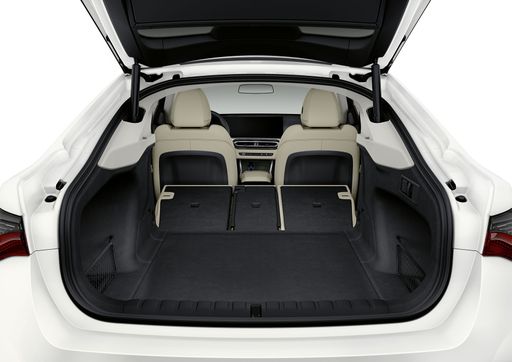
Looking at boot space, the Polestar 4 offers somewhat more boot space – 526 L compared to 470 L. That’s a difference of about 56 L.

When it comes to payload, the BMW i4 carries only slightly more – 480 kg compared to 455 kg. That’s a difference of about 25 kg.

Who wins the race in the data check?

The BMW i4 is clearly superior overall in the objective data comparison.
This result only shows which model scores more points on paper – not which of the two cars feels right for you.

from £49,400
i4

BMW i4

  • Engine Type : Electric
  • Transmission : Automatic
  • Drive Type : Rear-Wheel Drive, All-Wheel Drive
  • Power HP : 286 - 601 HP
  • Consumption kWh/100km : 14.7 - 16.7 kWh/100km
  • Electric Range : 514 - 613 km
BMW i4
Polestar 4

Costs and Consumption

View detailed analysis

Engine and Performance

View detailed analysis

Dimensions and Body

View detailed analysis

BMW i4

The BMW i4 arrives with the poise of a classic Gran Coupé, marrying BMW's playful handling with a sleek, modern interior that makes switching to electric feel like an upgrade rather than a compromise. For buyers who want a practical daily driver that still enjoys a spirited back-road run, the i4 quietly delivers smiles and a surprising dose of driver engagement.

details

Polestar 4

The Polestar 4 wears a coupe-like profile and a Scandinavian-minimal interior that feels premium and unexpectedly roomy, with composed handling that makes urban driving and country roads a pleasure. For buyers who want an electric car that turns heads without shouting, the Polestar 4 is a stylish, clever choice that balances practicality with personality.

details
BMW i4
Polestar 4

Costs and Consumption

Price
49,400 - 62,500 £
Price
53,100 - 59,900 £
Consumption L/100km
-
Consumption L/100km
-
Consumption kWh/100km
14.7 - 16.7 kWh/100km
Consumption kWh/100km
17.8 - 18.7 kWh/100km
Electric Range
514 - 613 km
Electric Range
590 - 620 km
Battery Capacity
-
Battery Capacity
94 kWh
co2
0 g/km
co2
0 g/km
Fuel tank capacity
-
Fuel tank capacity
-

Dimensions and Body

Body Type
Hatchback
Body Type
SUV
Seats
5
Seats
5
Doors
-
Doors
5
Curb weight
2,070 - 2,285 kg
Curb weight
2,230 - 2,355 kg
Trunk capacity
470 L
Trunk capacity
526 L
Length
-
Length
4,840 mm
Width
1,852 mm
Width
2,008 mm
Height
-
Height
1,534 mm
Max trunk capacity
-
Max trunk capacity
1,536 L
Payload
445 - 480 kg
Payload
455 kg

Engine and Performance

Engine Type
Electric
Engine Type
Electric
Transmission
Automatic
Transmission
Automatic
Transmission Detail
Reduction Gearbox
Transmission Detail
Reduction Gearbox
Drive Type
Rear-Wheel Drive, All-Wheel Drive
Drive Type
All-Wheel Drive, Rear-Wheel Drive
Power HP
286 - 601 HP
Power HP
272 - 544 HP
Acceleration 0-100km/h
3.7 - 6 s
Acceleration 0-100km/h
3.8 - 7.1 s
Max Speed
-
Max Speed
200 km/h
Torque
400 - 795 Nm
Torque
343 - 686 Nm
Number of Cylinders
-
Number of Cylinders
-
Power kW
210 - 442 kW
Power kW
200 - 400 kW
Engine capacity
-
Engine capacity
-

General

Model Year
2,024 - 2,025
Model Year
2,024
CO2 Efficiency Class
A
CO2 Efficiency Class
A
Brand
BMW
Brand
Polestar
DriveDuel uses data analysis and artificial intelligence to evaluate vehicle data and create content. Content is regularly reviewed and improved. The displayed prices are estimates based on German list prices, adjusted to the respective country’s VAT. Country-specific registration taxes are not included. This information is not legally binding.