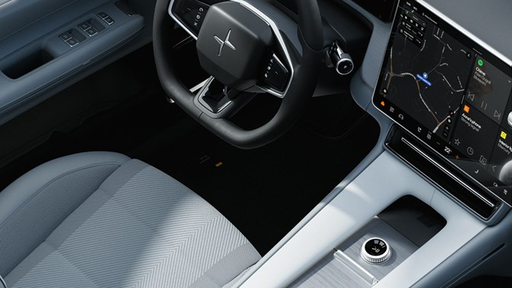
VS

Polestar 4 vs Polestar 5 comparison

Compare performance (544 HP vs 884 HP), boot space and price (53,100 £ vs 101,700 £ ) at a glance. Find out which car is the better choice for you – Polestar 4 or Polestar 5?

Polestar 4 vs Polestar 5: Key differences

Polestar 4

4.8 (9 Reviews)
rate
  • clearly cheaper
  • somewhat lighter
details

Polestar 5

  • noticeably more power
  • very slightly more efficient
  • very slightly more electric range
  • moderately quicker 0–100 km/h
details

All details on performance, efficiency, range and trunk space can be found in the technical comparison below – including user reviews for both models.

By Achim Sedelmaier

4

Polestar 4 VS Polestar 5: which Polestar fits your life?

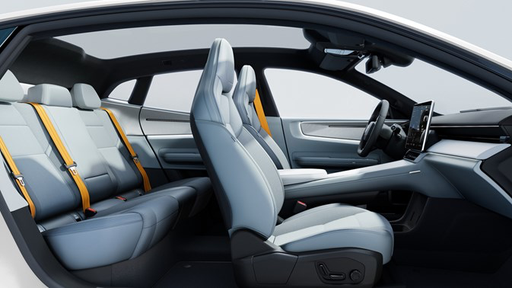
The Polestar 4 and the Polestar 5 land in the same design language but serve very different priorities, so choosing between them is about trade-offs rather than simple superiority. The Polestar 4 is the design‑forward coupé‑SUV that prioritises rear comfort, quiet cruising and everyday usability for five occupants. The Polestar 5 leans into a more exclusive, four‑seat grand‑tourer character with much stronger propulsion and a bolder performance stance. Read on to see how those fundamental choices translate into real‑world feelings behind the wheel, in the cabin and on the family run.
5

Driving character: calm cruiser or high‑strung GT?

Polestar 4 is built to soothe: a hushed cabin, supportive seats and a steady, confidence‑inspiring long‑distance demeanor that makes motorway miles feel effortless. By contrast, Polestar 5 arrives with a palpable performance agenda — acceleration and torque are clearly priorities, which changes the way the car asks to be driven. That extra performance brings a different emotional tone; where the Polestar 4 encourages measured, relaxed progress, the Polestar 5 rewards assertive inputs and rapid overtakes. Buyers who want a serene daily cruiser will prefer the 4, while those after flagship pace and presence will lean toward the 5.

4

Comfort and long‑distance usability

On long trips the Polestar 4 feels very much like a highway specialist: quiet wind and road noise, excellent front seats and surprisingly generous rear room make it a preferred choice for regular motorway journeys. The Polestar 5, with its higher output and longer reach between charges, turns long‑distance driving into a faster, more decisive experience — useful if you often carry fewer passengers and value time over maximum cabin space. That said, higher performance and a heavier kerb weight can mean a firmer setup or different ride compromises compared with the 4’s more composed suspension tuning. If back‑seat ease and a gentle cruising temperament matter, the Polestar 4 will feel more friendly day after day.

Practicality and cabin usability

If you need a true five‑seater with flexible rear accommodation, the Polestar 4 is the more pragmatic option: roomy rear seats, ISOFIX anchors and a conventional family mindset underpin its usability. The Polestar 5’s four‑seat focus signals a shift toward personal comfort and exclusivity rather than maximum passenger versatility, which makes it less forgiving for regular family schleps or ferrying three across the back. Both cars trade some conventional cargo practicality for sleek styling, so watch how each boot and pass‑through works for your typical loads before you buy. In short, Polestar 4 favors everyday people‑carriage; Polestar 5 favors two‑up comfort and a premium, less utilitarian cabin layout.

City manners, perceived quality and buyer fit

Navigating tight streets exposes the Polestar 4’s limitations: its broad stance and turning circle make close‑quarters manoeuvres more deliberate, despite good camera and assistance systems. The Polestar 5, being heavier and more substantial, will feel similarly challenging in dense urban environments and is better suited to buyers who accept that trade for performance and presence. Perceived interior quality trends toward the 4’s modern, pared‑back Scandinavian feel with sustainable materials, while the 5 tends to read as a flagship with a stronger premium aura — at a notably higher cost of entry. If you prioritise family practicality and value, the Polestar 4 is the sensible pick; if you prioritise flagship performance and exclusivity, the Polestar 5 is the one to consider.

How the trade‑offs show up in numbers — and what to check next

The real differences between Polestar 4 and Polestar 5 are straightforward in outcome: the 5 offers a much more powerful, performance‑oriented package with different seating and a higher price, while the 4 delivers five‑seat practicality, a calmer ride and stronger everyday usability. Those headline contrasts explain most buyer decisions, but the details behind range, charging, ride tuning and interior layout will determine whether a particular car fits your routines. Scroll to the technical comparison next to see the precise trade‑offs in performance, range and weight so you can match them to your commute, family needs and budget. Neither choice is objectively right for everyone — the decision is which compromises you’re willing to accept.

Here’s where it gets real: The technical differences in detail

4

Costs and Efficiency:

Looking at overall running costs, both models reveal some interesting differences in everyday economy.

Polestar 4 is clearly cheaper – starting at 53,100 £ , while the Polestar 5 costs 101,700 £ . That’s a price difference of around 48,600 £.

In terms of energy consumption, the Polestar 5 is very slightly more efficient: consuming 17.6 kWh/100km compared to 17.8 kWh/100km for the Polestar 4. That’s a difference of about 0.2 kWh/100km.

As for electric range, the Polestar 5 offers very slightly more range – reaching up to 670 km, about 50 km more than the Polestar 4.

5

Engine and Performance:

Under the bonnet, it becomes clear which model is tuned for sportiness and which one takes the lead when you hit the accelerator.

When it comes to engine power, the Polestar 5 offers noticeably more power – delivering 884 HP compared to 544 HP. That’s roughly 340 HP more horsepower.

When accelerating from 0 to 100 km/h, the Polestar 5 is moderately quicker – completing the sprint in 3.2 s, while the Polestar 4 takes 3.8 s. That’s about 0.6 s quicker.

There’s also a difference in torque: the Polestar 5 delivers noticeably more torque with 1,015 Nm compared to 686 Nm. That’s about 329 Nm more.

4

Space and Everyday Use:

Whether family car or daily driver – which one offers more room, flexibility and comfort?

Seats: Polestar 4 offers more seats – 5 vs 4.

In terms of curb weight, Polestar 4 is somewhat lighter – 2,230 kg compared to 2,462 kg. The difference is around 232 kg.

Who wins the race in the data check?

The Polestar 5 holds a slight edge in the objective data comparison.
This result only shows which model scores more points on paper – not which of the two cars feels right for you.

from £101,700
5

Polestar 5

  • Engine Type : Electric
  • Transmission : Automatic
  • Drive Type : All-Wheel Drive
  • Power HP : 748 - 884 HP
  • Consumption kWh/100km : 17.6 - 20.9 kWh/100km
  • Electric Range : 565 - 670 km
Polestar 4
Polestar 5

Costs and Consumption

View detailed analysis

Engine and Performance

View detailed analysis

Dimensions and Body

View detailed analysis

Polestar 4

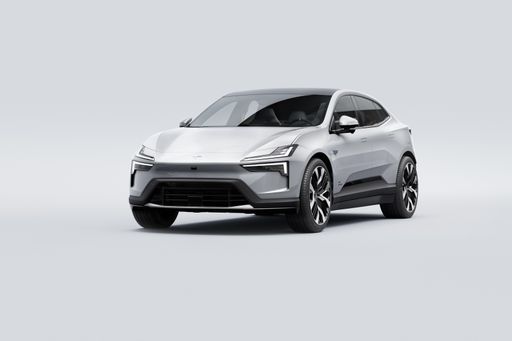
The Polestar 4 wears a coupe-like profile and a Scandinavian-minimal interior that feels premium and unexpectedly roomy, with composed handling that makes urban driving and country roads a pleasure. For buyers who want an electric car that turns heads without shouting, the Polestar 4 is a stylish, clever choice that balances practicality with personality.

details

Polestar 5

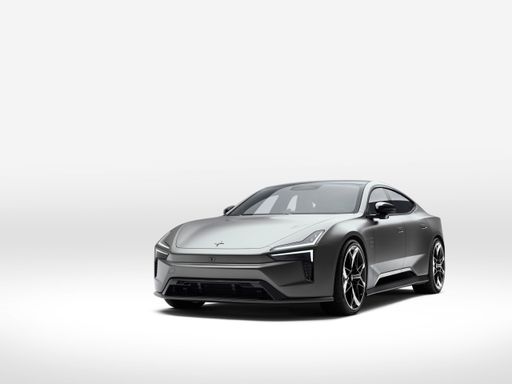
The Polestar 5 represents the Swedish automaker's bold vision for the future of electric vehicles, marrying cutting-edge design with sustainable automotive innovation. With its sleek silhouette and minimalist aesthetics, the vehicle stands out in a crowd, delivering a nod to Scandinavian design principles. Beyond its striking appearance, the Polestar 5 is engineered to offer exceptional performance and efficiency, making it a compelling choice for environmentally conscious drivers seeking luxury and innovation.

details
Polestar 4
Polestar 5

Costs and Consumption

Price
53,100 - 59,900 £
Price
101,700 - 121,400 £
Consumption L/100km
-
Consumption L/100km
-
Consumption kWh/100km
17.8 - 18.7 kWh/100km
Consumption kWh/100km
17.6 - 20.9 kWh/100km
Electric Range
590 - 620 km
Electric Range
565 - 670 km
Battery Capacity
94 kWh
Battery Capacity
-
co2
0 g/km
co2
0 g/km
Fuel tank capacity
-
Fuel tank capacity
-

Dimensions and Body

Body Type
SUV
Body Type
Coupe
Seats
5
Seats
4
Doors
5
Doors
-
Curb weight
2,230 - 2,355 kg
Curb weight
2,462 - 2,465 kg
Trunk capacity
526 L
Trunk capacity
-
Length
4,840 mm
Length
-
Width
2,008 mm
Width
2,015 mm
Height
1,534 mm
Height
-
Max trunk capacity
1,536 L
Max trunk capacity
-
Payload
455 kg
Payload
-

Engine and Performance

Engine Type
Electric
Engine Type
Electric
Transmission
Automatic
Transmission
Automatic
Transmission Detail
Reduction Gearbox
Transmission Detail
Reduction Gearbox
Drive Type
All-Wheel Drive, Rear-Wheel Drive
Drive Type
All-Wheel Drive
Power HP
272 - 544 HP
Power HP
748 - 884 HP
Acceleration 0-100km/h
3.8 - 7.1 s
Acceleration 0-100km/h
3.2 - 3.9 s
Max Speed
200 km/h
Max Speed
-
Torque
343 - 686 Nm
Torque
812 - 1,015 Nm
Number of Cylinders
-
Number of Cylinders
-
Power kW
200 - 400 kW
Power kW
550 - 650 kW
Engine capacity
-
Engine capacity
-

General

Model Year
2024
Model Year
2025
CO2 Efficiency Class
A
CO2 Efficiency Class
A
Brand
Polestar
Brand
Polestar
DriveDuel uses data analysis and artificial intelligence to evaluate vehicle data and create content. Content is regularly reviewed and improved. The displayed prices are estimates based on German list prices, adjusted to the respective country’s VAT. Country-specific registration taxes are not included. This information is not legally binding.