
VS

Volvo ES90 vs Polestar 5 comparison

Compare performance (680 HP vs 884 HP), boot space and price (69,900 £ vs 101,700 £ ) at a glance. Find out which car is the better choice for you – Volvo ES90 or Polestar 5?

Volvo ES90 vs Polestar 5: Key differences

Volvo ES90

4.3 (5 Reviews)
rate
  • significantly cheaper
  • very slightly more efficient
  • only slightly more electric range
details

Polestar 5

  • clearly more power
  • visibly quicker 0–100 km/h
  • only slightly lighter
details

All details on performance, efficiency, range and trunk space can be found in the technical comparison below – including user reviews for both models.

By Achim Sedelmaier

ES90

Head-to-head: Volvo ES90 vs Polestar 5 — the electric luxury sedan duel

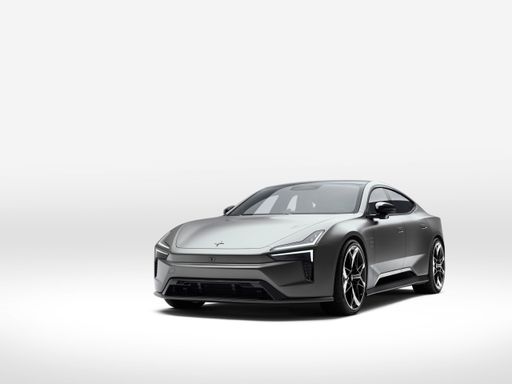
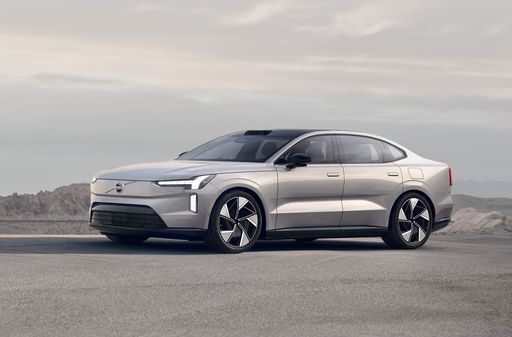
Volvo ES90 vs Polestar 5 is a clash between two very different takes on what a modern electric luxury sedan should be, and the contrast is obvious from the first glance. The Volvo ES90 projects calm, Scandinavian restraint while the Polestar 5 looks like an athletic concept that learned to behave on the road. This comparison unpacks how design, character and everyday usability split between them rather than getting lost in headline figures. If you care about personality as much as performance, this duel will help you pick the tone you want to set every morning.
5

Two attitudes: composed grand tourer vs theatrical performance

The Volvo ES90 feels like the grown-up option — measured, plush and geared toward serenity — whereas the Polestar 5 is unapologetically theatrical, all tension and low-slung presence. Volvo’s interior mood leans on warmth and clear ergonomics, while Polestar nudges you toward a cockpit that prioritises involvement and drama. That difference in attitude carries through to the way each car rides, responds and asks to be driven. Pick your side: the ES90 whispers competence, the Polestar 5 shouts capability with style.

Daily life and practicality: family-friendly calm versus driver-focused excitement

For day-to-day duties the Volvo ES90 feels like the safer bet — roomier, easier to live with and more forgiving on long runs and school runs, whereas the Polestar 5 favours a more compact, sporting cabin that rewards someone who likes to hustle between corners. Volvo’s layout and softer setup make it a better partner for longer commutes and passengers who prize comfort, while Polestar’s firmer, athletic setup will appeal to drivers who want feedback and poise. Both are useable for city life and motorway miles, but they solve those chores in distinct ways. If practicality and a relaxed demeanour matter most, the ES90 is the natural lean-in; if you want drama on demand, look to the Polestar 5.

What you’re saying about yourself when you drive one

Choosing the Polestar 5 broadcasts a taste for performance credentials and progressive design — it’s for buyers who enjoy being noticed and value a sharper driving persona. Opting for the Volvo ES90 signals a preference for understated luxury, thoughtful packaging and a premium that isn’t loud about itself. Each car has a different justification story: one trades a little subtlety for showmanship, the other trades some theatricality for composure and usability. Either way, your pick tells people whether you prioritise presence or poise.

Who should naturally gravitate to the Volvo ES90

If you’re a commuter who values efficiency, a family-first pragmatist or someone who wants a calm, comfortable cabin for long miles, the Volvo ES90 will feel immediately sensible and rewarding. It suits buyers who prioritise everyday usefulness, relaxed refinement and an interior that won’t tire passengers on a long journey. Folks who like their tech to be helpful rather than showy will appreciate how the ES90 arranges things. In short, the ES90 is a clear pick for those who lean practical and prefer comfort over spectacle, even when compared to the Polestar 5.

Who should naturally gravitate to the Polestar 5 — and how the ES90 stacks up

The Polestar 5 is aimed at drivers who want their EV to be a statement: kinetic styling, sharper handling and a stronger performance focus make it irresistible to style-conscious and performance-minded buyers. If you crave a car that rewards spirited driving and reflects a bold taste, the Polestar 5 will satisfy where the more restrained Volvo ES90 might feel too polite. That said, if your priorities swing back toward comfort or family practicality, the ES90 remains the quieter, more pragmatic alternative. Read on to see the exact trade-offs if you want the figures that make those differences tangible.

Here’s where it gets real: The technical differences in detail

ES90

Costs and Efficiency:

Price and efficiency are key factors when choosing a car – and this is often where the real differences emerge.

Volvo ES90 is significantly cheaper – starting at 69,900 £ , while the Polestar 5 costs 101,700 £ . That’s a price difference of around 31,723 £.

In terms of energy consumption, the Volvo ES90 is very slightly more efficient: consuming 16.6 kWh/100km compared to 17.6 kWh/100km for the Polestar 5. That’s a difference of about 1 kWh/100km.

As for electric range, the Volvo ES90 offers only slightly more range – reaching up to 706 km, about 36 km more than the Polestar 5.

5

Engine and Performance:

Power, torque and acceleration are the classic benchmarks for car enthusiasts – and here, some clear differences start to show.

When it comes to engine power, the Polestar 5 offers clearly more power – delivering 884 HP compared to 680 HP. That’s roughly 204 HP more horsepower.

When accelerating from 0 to 100 km/h, the Polestar 5 is visibly quicker – completing the sprint in 3.2 s, while the Volvo ES90 takes 4 s. That’s about 0.8 s quicker.

There’s also a difference in torque: the Polestar 5 delivers slightly more torque with 1,015 Nm compared to 870 Nm. That’s about 145 Nm more.

Space and Everyday Use:

Beyond pure performance, interior space and usability matter most in daily life. This is where you see which car is more practical and versatile.

Seats: Volvo ES90 offers more seats – 5 vs 4.

In terms of curb weight, Polestar 5 is only slightly lighter – 2,462 kg compared to 2,610 kg. The difference is around 148 kg.

Who wins the race in the data check?

The Polestar 5 holds a slight edge in the objective data comparison.
This result only shows which model scores more points on paper – not which of the two cars feels right for you.

from £101,700
5

Polestar 5

  • Engine Type Electric
  • Transmission Automatic
  • Drive Type All-Wheel Drive
  • Power HP 748 - 884 HP
  • Consumption kWh/100km 17.6 - 20.9 kWh/100km
  • Electric Range 565 - 670 km
Volvo ES90
Polestar 5

Costs and Consumption

View detailed analysis

Engine and Performance

View detailed analysis

Dimensions and Body

View detailed analysis

Volvo ES90

The Volvo ES90 stands out as a luxury sedan, embodying Scandinavian elegance combined with innovative technology. Its sleek design is complemented by a plush interior that emphasizes comfort and safety, aligning with Volvo's renowned reputation. With advanced features and a focus on sustainability, the ES90 is a testament to the brand's commitment to responsible luxury.

details

Polestar 5

The Polestar 5 represents the Swedish automaker's bold vision for the future of electric vehicles, marrying cutting-edge design with sustainable automotive innovation. With its sleek silhouette and minimalist aesthetics, the vehicle stands out in a crowd, delivering a nod to Scandinavian design principles. Beyond its striking appearance, the Polestar 5 is engineered to offer exceptional performance and efficiency, making it a compelling choice for environmentally conscious drivers seeking luxury and innovation.

details
Volvo ES90
Polestar 5

Costs and Consumption

Price
69,900 - 74,600 £
Price
101,700 - 121,400 £
Consumption L/100km
-
Consumption L/100km
-
Consumption kWh/100km
16.6 kWh/100km
Consumption kWh/100km
17.6 - 20.9 kWh/100km
Electric Range
706 km
Electric Range
565 - 670 km
Battery Capacity
-
Battery Capacity
-
co2
0 g/km
co2
0 g/km
Fuel tank capacity
-
Fuel tank capacity
-

Dimensions and Body

Body Type
Hatchback
Body Type
Coupe
Seats
5
Seats
4
Doors
-
Doors
-
Curb weight
2,610 kg
Curb weight
2,462 - 2,465 kg
Trunk capacity
-
Trunk capacity
-
Length
-
Length
-
Width
1,942 mm
Width
2,015 mm
Height
-
Height
-
Max trunk capacity
-
Max trunk capacity
-
Payload
460 kg
Payload
-

Engine and Performance

Engine Type
Electric
Engine Type
Electric
Transmission
Automatic
Transmission
Automatic
Transmission Detail
Reduction Gearbox
Transmission Detail
Reduction Gearbox
Drive Type
All-Wheel Drive
Drive Type
All-Wheel Drive
Power HP
456 - 680 HP
Power HP
748 - 884 HP
Acceleration 0-100km/h
4 - 5.4 s
Acceleration 0-100km/h
3.2 - 3.9 s
Max Speed
-
Max Speed
-
Torque
670 - 870 Nm
Torque
812 - 1,015 Nm
Number of Cylinders
-
Number of Cylinders
-
Power kW
335 - 500 kW
Power kW
550 - 650 kW
Engine capacity
-
Engine capacity
-

General

Model Year
2026
Model Year
2025
CO2 Efficiency Class
A
CO2 Efficiency Class
A
Brand
Volvo
Brand
Polestar
DriveDuel uses data analysis and artificial intelligence to evaluate vehicle data and create content. Content is regularly reviewed and improved. The displayed prices are estimates based on German list prices, adjusted to the respective country’s VAT. Country-specific registration taxes are not included. This information is not legally binding.








