VS

BMW i5 vs Polestar 4 comparison

Compare performance (601 HP vs 544 HP), boot space and price (60,200 £ vs 53,100 £ ) at a glance. Find out which car is the better choice for you – BMW i5 or Polestar 4?

BMW i5 vs Polestar 4: Key differences

BMW i5

  • barely more power
  • noticeably more efficient
  • only slightly more electric range
  • barely lighter
details

Polestar 4

4.8 (8 Reviews)
rate
  • slightly cheaper
  • very slightly more trunk space
details

All details on performance, efficiency, range and trunk space can be found in the technical comparison below – including user reviews for both models.

By Achim Sedelmaier

i5

The Electric Revolution: BMW i5 vs Polestar 4

The dawn of electric vehicles (EVs) continues to reshape the automotive landscape, and two models are making waves in the market: the BMW i5 and the Polestar 4. Both exhibit a unique blend of technology, performance, and eco-friendliness, making them stand out in their respective categories. This article delves into a detailed comparison of these two electric titans, uncovering what sets each apart.
4

Design and Dimensions

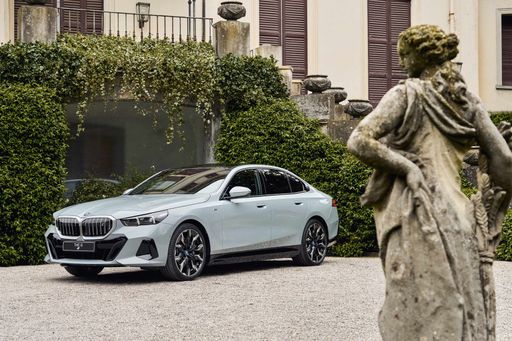
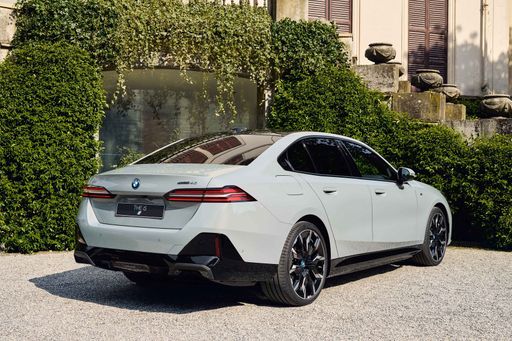
BMW i5, a sleek sedan, embodies luxury with its modern design. Measuring 5060 mm in length, 1900 mm in width, and a height of 1515 mm for the rear-wheel-drive variant, it presents a commanding, yet elegant presence on the road. The i5's sedan body type offers a spacious trunk capacity of 490 liters, making it practical for family getaways or business trips.

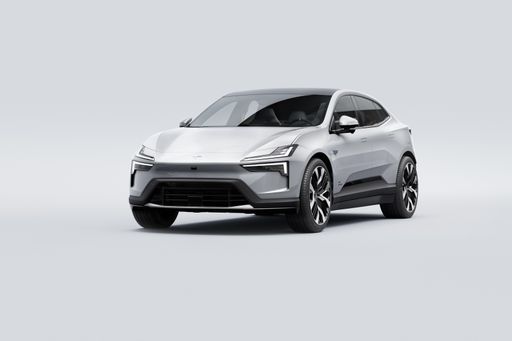
On the other hand, the Polestar 4 takes a bold stance with its SUV configuration, offering versatility and a robust appearance. It measures 4840 mm in length, 2008 mm in width, and 1534 mm in height, providing a more elevated view of the road. With a trunk capacity of 526 liters, it edges ahead in cargo space, appealing to adventure enthusiasts.

i5

Performance and Power

The BMW i5 provides a range of power choices catering to different driving preferences. The variants deliver between 340 to 601 horsepower, with the top performance model hitting 601 HP and accelerating from 0 to 100 km/h in just 3.8 seconds. It boasts a top speed of 230 km/h and drivetrain options of rear-wheel and all-wheel drive, ensuring a dynamic yet stable ride.

Polestar 4 emphasizes power with a firm approach. Its models deliver 272 and 544 horsepower, with the higher variant matching i5's acceleration feat of 3.8 seconds for 0 to 100 km/h, backed by a maximum speed of 200 km/h. It offers both all-wheel and rear-wheel drive options, aligning with its SUV promise of versatility and strength.

4

Range and Efficiency

In terms of range, the Polestar 4 takes the lead with an impressive 620 km for the rear-wheel-drive version, thanks to its larger 94 kWh battery capacity. This efficiency ensures longer drives with fewer recharge stops, fitting for extensive travels.

The BMW i5, however, remains a formidable contender with ranges between 511 to 582 km, backed by an 81.2 kWh battery capacity. Its energy consumption varies from 15.9 to 18.4 kWh/100 km, ensuring efficient energy use that keeps operating costs manageable.

i5

Innovations and Features

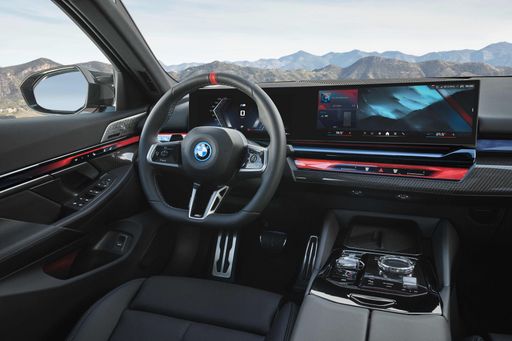
Both cars shine with innovative features that enhance the driving experience. The BMW i5 integrates advanced driver-assist systems and luxury interior finishes, echoing BMW's commitment to cutting-edge technology and comfort.

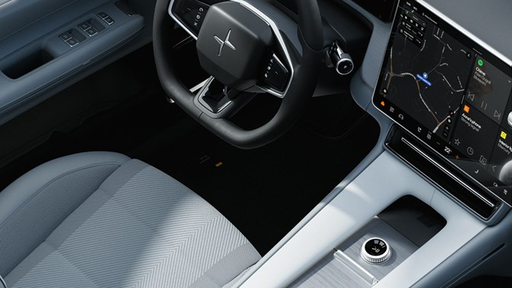
Polestar 4, meanwhile, underscores its sustainable ethos with environmentally friendly materials and advanced infotainment systems integrated with cutting-edge driver aids, making it a tech-savvy choice for sustainability-conscious drivers.

4

Conclusion

Choosing between the BMW i5 and Polestar 4 depends largely on the buyer's preference for style, performance, and lifestyle needs. The i5 appeals to those seeking a luxury sedan experience with a rich heritage in automotive excellence, while the Polestar 4 attracts those leaning towards an eco-friendly SUV with robust performance and innovation.

Both represent the future of electric mobility, catering to diverse preferences and marking significant strides in the journey towards sustainable transportation.

Here’s where it gets real: The technical differences in detail

i5

Costs and Efficiency:

Looking at overall running costs, both models reveal some interesting differences in everyday economy.

Polestar 4 is slightly cheaper – starting at 53,100 £ , while the BMW i5 costs 60,200 £ . That’s a price difference of around 7,114 £.

In terms of energy consumption, the BMW i5 is noticeably more efficient: consuming 14.7 kWh/100km compared to 17.8 kWh/100km for the Polestar 4. That’s a difference of about 3.1 kWh/100km.

As for electric range, the BMW i5 offers only slightly more range – reaching up to 627 km, about 7 km more than the Polestar 4.

4

Engine and Performance:

Under the bonnet, it becomes clear which model is tuned for sportiness and which one takes the lead when you hit the accelerator.

When it comes to engine power, the BMW i5 offers barely more power – delivering 601 HP compared to 544 HP. That’s roughly 57 HP more horsepower.

Both models accelerate almost equally fast – 3.8 s from 0 to 100 km/h.

Looking at top speed, the BMW i5 is moderately faster – reaching 230 km/h, while the Polestar 4 tops out at 200 km/h. The difference is around 30 km/h.

There’s also a difference in torque: the BMW i5 delivers slightly more torque with 820 Nm compared to 686 Nm. That’s about 134 Nm more.

i5

Space and Everyday Use:

Whether family car or daily driver – which one offers more room, flexibility and comfort?

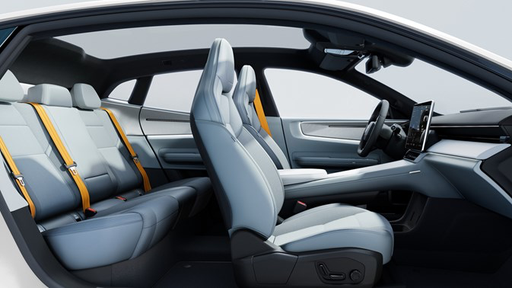
Both vehicles offer seating for 5 people.

In terms of curb weight, BMW i5 is barely lighter – 2,195 kg compared to 2,230 kg. The difference is around 35 kg.

Looking at boot space, the Polestar 4 offers very slightly more boot space – 526 L compared to 490 L. That’s a difference of about 36 L.

When it comes to payload, the BMW i5 carries slightly more – 545 kg compared to 455 kg. That’s a difference of about 90 kg.

Who wins the race in the data check?

The BMW i5 is clearly ahead overall in the objective data comparison.
This result only shows which model scores more points on paper – not which of the two cars feels right for you.

from £60,200
i5

BMW i5

  • Engine Type : Electric
  • Transmission : Automatic
  • Drive Type : Rear-Wheel Drive, All-Wheel Drive
  • Power HP : 340 - 601 HP
  • Consumption kWh/100km : 14.7 - 17.1 kWh/100km
  • Electric Range : 540 - 627 km
BMW i5
Polestar 4

Costs and Consumption

View detailed analysis

Engine and Performance

View detailed analysis

Dimensions and Body

View detailed analysis

BMW i5

The BMW i5 swaps predictable executive-car manners for a confident electric vibe, marrying refined comfort with surprisingly engaging steering. It’s a practical choice that doesn’t feel dull, offering the kind of clean, premium experience that makes commuting feel like a small indulgence.

details

Polestar 4

The Polestar 4 wears a coupe-like profile and a Scandinavian-minimal interior that feels premium and unexpectedly roomy, with composed handling that makes urban driving and country roads a pleasure. For buyers who want an electric car that turns heads without shouting, the Polestar 4 is a stylish, clever choice that balances practicality with personality.

details
BMW i5
Polestar 4

Costs and Consumption

Price
60,200 - 85,300 £
Price
53,100 - 59,900 £
Consumption L/100km
-
Consumption L/100km
-
Consumption kWh/100km
14.7 - 17.1 kWh/100km
Consumption kWh/100km
17.8 - 18.7 kWh/100km
Electric Range
540 - 627 km
Electric Range
590 - 620 km
Battery Capacity
81.2 kWh
Battery Capacity
94 kWh
co2
0 g/km
co2
0 g/km
Fuel tank capacity
-
Fuel tank capacity
-

Dimensions and Body

Body Type
Sedan
Body Type
SUV
Seats
5
Seats
5
Doors
4
Doors
5
Curb weight
2,195 - 2,370 kg
Curb weight
2,230 - 2,355 kg
Trunk capacity
490 L
Trunk capacity
526 L
Length
5,060 mm
Length
4,840 mm
Width
1,900 mm
Width
2,008 mm
Height
1,505 - 1,515 mm
Height
1,534 mm
Max trunk capacity
-
Max trunk capacity
1,536 L
Payload
525 - 545 kg
Payload
455 kg

Engine and Performance

Engine Type
Electric
Engine Type
Electric
Transmission
Automatic
Transmission
Automatic
Transmission Detail
Reduction Gearbox
Transmission Detail
Reduction Gearbox
Drive Type
Rear-Wheel Drive, All-Wheel Drive
Drive Type
All-Wheel Drive, Rear-Wheel Drive
Power HP
340 - 601 HP
Power HP
272 - 544 HP
Acceleration 0-100km/h
3.8 - 6 s
Acceleration 0-100km/h
3.8 - 7.1 s
Max Speed
193 - 230 km/h
Max Speed
200 km/h
Torque
430 - 820 Nm
Torque
343 - 686 Nm
Number of Cylinders
-
Number of Cylinders
-
Power kW
250 - 442 kW
Power kW
200 - 400 kW
Engine capacity
-
Engine capacity
-

General

Model Year
2,023 - 2,024
Model Year
2024
CO2 Efficiency Class
A
CO2 Efficiency Class
A
Brand
BMW
Brand
Polestar
DriveDuel uses data analysis and artificial intelligence to evaluate vehicle data and create content. Content is regularly reviewed and improved. The displayed prices are estimates based on German list prices, adjusted to the respective country’s VAT. Country-specific registration taxes are not included. This information is not legally binding.