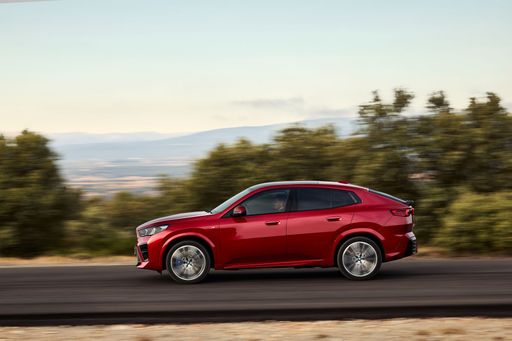
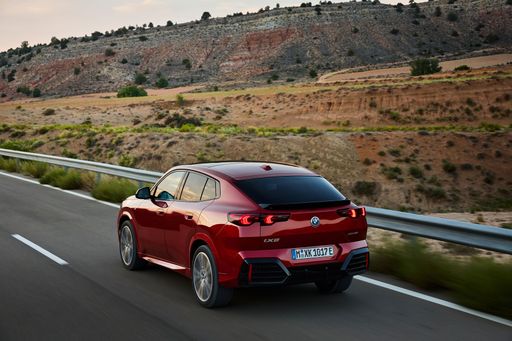
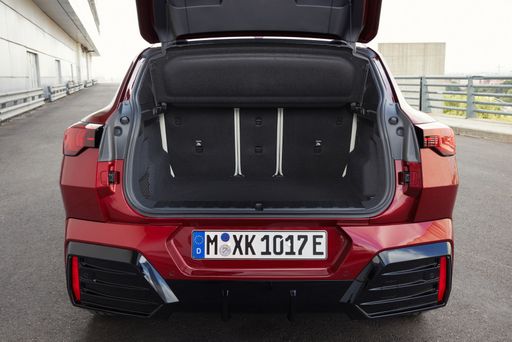
VS

BMW i4 vs BMW iX2 comparison

Compare performance (601 HP vs 313 HP), boot space and price (49,400 £ vs 43,700 £ ) at a glance. Find out which car is the better choice for you – BMW i4 or BMW iX2?

BMW i4 vs BMW iX2: Key differences

BMW i4

5 (3 Reviews)
rate
  • substantially more power
  • slightly more electric range
  • considerably quicker 0–100 km/h
details

BMW iX2

5 (2 Reviews)
rate
  • slightly cheaper
  • barely more efficient
  • marginally lighter
  • a bit more trunk space
details

All details on performance, efficiency, range and trunk space can be found in the technical comparison below – including user reviews for both models.

By Achim Sedelmaier

i4

BMW i4 and BMW iX2: quick take

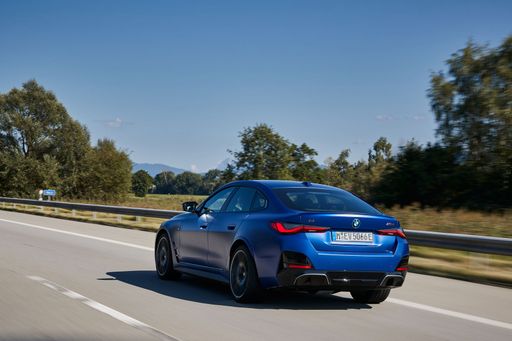
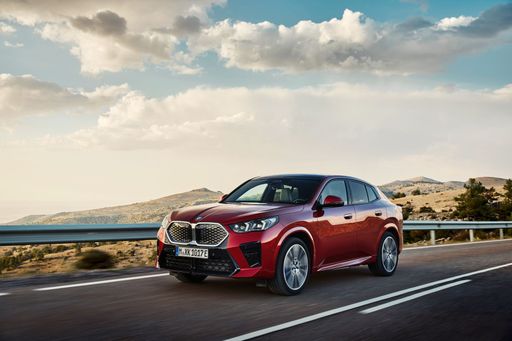
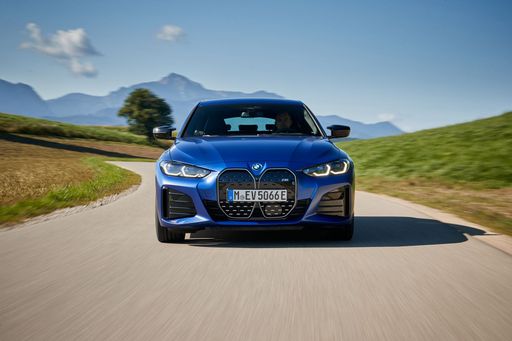
BMW i4 VS BMW iX2 sets up a clear contrast: the i4 is a driver‑centric Gran Coupé leaning toward composed, premium long‑distance motoring, while the iX2 is a stylish SUV‑coupé that prioritises image, usable luggage length and a commanding seating position. The i4 feels like an electrified sports saloon transplanted into everyday life, with a low seating position and a focus on refinement. The iX2 sells itself on presence and practicality for two to four people, though that comes with some coupé‑style compromises in the back. For buyers, the choice is about whether you want sportier manners and a more classic BMW cabin (i4) or a slightly more upright, design‑forward package with easier loading (iX2).
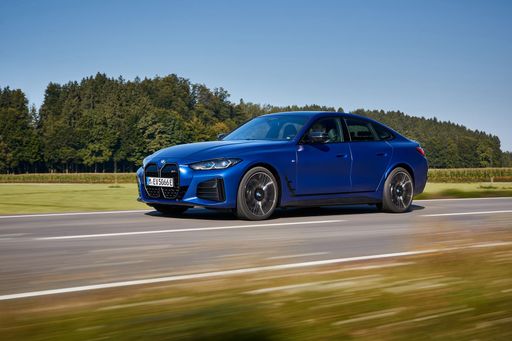
iX2

Driving character and city vs motorway manners

The BMW i4 drives like a traditional BMW: precise, planted and happiest on sweeping roads and motorways, while the BMW iX2 brings a punchy, SUV‑style thrust but a more front‑heavy, less communicative feel. In town the iX2’s compact footprint and parking aids make life easier, though its firm city ride can feel nervous over potholes. Conversely, the i4’s larger turning circle and tighter rear visibility make tight urban manoeuvres more demanding but reward you with quieter, more assured high‑speed cruising. If you split time between fast A‑roads and long commutes, the i4 leans toward comfort and composure; if you favour style, quick off‑the‑line response and easier parking, the iX2 will suit you better.

i4

Comfort and long‑distance usability

Both the BMW i4 and BMW iX2 are impressively quiet at speed, yet the i4 generally delivers a more hushed, limousine‑like experience and seats that support long miles without fatigue. The iX2 matches the i4 for wind noise suppression but tends to feel firmer on urban surfaces, especially with larger wheels, so its long‑distance comfort depends on wheel choice. Rear passengers feel the trade‑off differently: the i4’s sportier packaging can cramp taller occupants, while the iX2’s coupé roofline also limits headroom and makes extended rear trips less comfortable. For regular motorway miles the i4 is the calmer, more composed companion; for shorter, mixed‑use journeys with occasional highway work, the iX2 can still be perfectly acceptable if you prioritise front‑seat comfort and presence.

iX2

Practicality, cargo and family usability

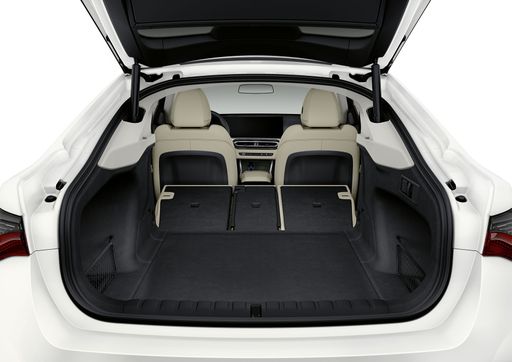
Practical differences between the BMW i4 and BMW iX2 are tangible: the i4’s hatch and 40:20:40 split rear make loading awkward shapes easier, whereas the iX2 gives a longer, flatter load floor that feels more usable for everyday luggage. Neither car is a family van — both rear seats are tighter than some rivals — but the i4’s lower roof and the iX2’s coupe silhouette create different pinch points for tall adults and high‑top child seats. The iX2’s higher cargo sill can be a nuisance when lifting heavy items, while the i4’s lack of a frunk and its narrower boot opening limit some loading tasks. If you need flexible boot space and a practical hatch, the i4 nudges ahead; if you prioritise a roomy cargo floor and easier everyday packing, the iX2 may be more convincing.

i4

Cabin feel, controls and perceived quality

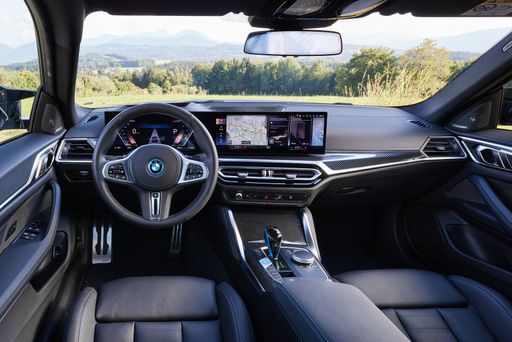
Inside, both the BMW i4 and BMW iX2 feel premium, but they project different personalities: the i4 is driver‑focused with tactile switches and the familiar iDrive control that helps keep attention on the road, while the iX2 embraces a modern touchscreen‑led approach with a slick OS and richer connected services. Material quality is high in both, though the i4’s classic BMW ergonomics give it a slightly more grown‑up, solid impression and easier reach controls for regular driving tasks. The iX2’s software and features can be more instantly impressive on paper, but the lack of a rotary controller makes some interactions trickier when moving. If you prize tactile ergonomics and a composed cabin, the i4 feels more traditionally premium; if you want the latest infotainment and a tech‑first presentation, the iX2 is more modern‑looking and feature‑rich.

iX2

Who should buy which car — buyer fit and trade‑offs

Choosing between the BMW i4 and BMW iX2 comes down to priorities: buy the i4 if you value long‑distance refinement, a more traditional BMW driving experience and hatchback practicality despite higher cost and a tighter rear. Opt for the iX2 if you prefer a stylish SUV profile, easier everyday load length and strong forward thrust in a slightly more compact footprint but can accept firmer urban ride and less rear headroom. Both cars carry premium prices and options that quickly add up, so budget‑minded buyers should weigh which compromises they can live with. Below is the technical comparison that unpacks how those real‑world differences map to range, power, charging and cargo details.

Here’s where it gets real: The technical differences in detail

i4

Costs and Efficiency:

Price and efficiency are often the first things buyers look at. Here it becomes clear which model has the long-term edge – whether at the pump, the plug, or in purchase price.

BMW iX2 is slightly cheaper – starting at 43,700 £ , while the BMW i4 costs 49,400 £ . That’s a price difference of around 5,657 £.

In terms of energy consumption, the BMW iX2 is barely more efficient: consuming 14.4 kWh/100km compared to 14.7 kWh/100km for the BMW i4. That’s a difference of about 0.3 kWh/100km.

As for electric range, the BMW i4 offers slightly more range – reaching up to 613 km, about 101 km more than the BMW iX2.

iX2

Engine and Performance:

Power, torque and acceleration are the classic benchmarks for car enthusiasts – and here, some clear differences start to show.

When it comes to engine power, the BMW i4 offers substantially more power – delivering 601 HP compared to 313 HP. That’s roughly 288 HP more horsepower.

When accelerating from 0 to 100 km/h, the BMW i4 is considerably quicker – completing the sprint in 3.7 s, while the BMW iX2 takes 5.6 s. That’s about 1.9 s quicker.

There’s also a difference in torque: the BMW i4 delivers clearly more torque with 795 Nm compared to 494 Nm. That’s about 301 Nm more.

i4

Space and Everyday Use:

Beyond pure performance, interior space and usability matter most in daily life. This is where you see which car is more practical and versatile.

Both vehicles offer seating for 5 people.

In terms of curb weight, BMW iX2 is marginally lighter – 1,960 kg compared to 2,070 kg. The difference is around 110 kg.

Looking at boot space, the BMW iX2 offers a bit more boot space – 525 L compared to 470 L. That’s a difference of about 55 L.

When it comes to payload, the BMW iX2 carries only slightly more – 510 kg compared to 480 kg. That’s a difference of about 30 kg.

Who wins the race in the data check?

The BMW i4 holds a decisive overall lead in the objective data comparison.
This result only shows which model scores more points on paper – not which of the two cars feels right for you.

from £49,400
i4

BMW i4

  • Engine Type : Electric
  • Transmission : Automatic
  • Drive Type : Rear-Wheel Drive, All-Wheel Drive
  • Power HP : 286 - 601 HP
  • Consumption kWh/100km : 14.7 - 16.7 kWh/100km
  • Electric Range : 514 - 613 km
BMW i4
BMW iX2

Costs and Consumption

View detailed analysis

Engine and Performance

View detailed analysis

Dimensions and Body

View detailed analysis

BMW i4

The BMW i4 arrives with the poise of a classic Gran Coupé, marrying BMW's playful handling with a sleek, modern interior that makes switching to electric feel like an upgrade rather than a compromise. For buyers who want a practical daily driver that still enjoys a spirited back-road run, the i4 quietly delivers smiles and a surprising dose of driver engagement.

details

BMW iX2

The BMW iX2 cuts a sporty silhouette and delivers the buttoned-up premium feel you expect from the brand, wrapped in a compact electric package that’s easy to live with. It’s a smart pick for buyers who want engaging city driving, clever cabin tech and a touch of eco-conscious flair without giving up the fun behind the wheel.

details
BMW i4
BMW iX2

Costs and Consumption

Price
49,400 - 62,500 £
Price
43,700 - 55,600 £
Consumption L/100km
-
Consumption L/100km
-
Consumption kWh/100km
14.7 - 16.7 kWh/100km
Consumption kWh/100km
14.4 - 15.4 kWh/100km
Electric Range
514 - 613 km
Electric Range
476 - 512 km
Battery Capacity
-
Battery Capacity
-
co2
0 g/km
co2
0 g/km
Fuel tank capacity
-
Fuel tank capacity
-

Dimensions and Body

Body Type
Hatchback
Body Type
SUV
Seats
5
Seats
5
Doors
-
Doors
-
Curb weight
2,070 - 2,285 kg
Curb weight
1,960 - 2,095 kg
Trunk capacity
470 L
Trunk capacity
525 L
Length
-
Length
-
Width
1,852 mm
Width
1,845 mm
Height
-
Height
-
Max trunk capacity
-
Max trunk capacity
-
Payload
445 - 480 kg
Payload
500 - 510 kg

Engine and Performance

Engine Type
Electric
Engine Type
Electric
Transmission
Automatic
Transmission
Automatic
Transmission Detail
Reduction Gearbox
Transmission Detail
Reduction Gearbox
Drive Type
Rear-Wheel Drive, All-Wheel Drive
Drive Type
Front-Wheel Drive, All-Wheel Drive
Power HP
286 - 601 HP
Power HP
204 - 313 HP
Acceleration 0-100km/h
3.7 - 6 s
Acceleration 0-100km/h
5.6 - 8.6 s
Max Speed
-
Max Speed
-
Torque
400 - 795 Nm
Torque
250 - 494 Nm
Number of Cylinders
-
Number of Cylinders
-
Power kW
210 - 442 kW
Power kW
150 - 230 kW
Engine capacity
-
Engine capacity
-

General

Model Year
2,024 - 2,025
Model Year
2026
CO2 Efficiency Class
A
CO2 Efficiency Class
A
Brand
BMW
Brand
BMW
DriveDuel uses data analysis and artificial intelligence to evaluate vehicle data and create content. Content is regularly reviewed and improved. The displayed prices are estimates based on German list prices, adjusted to the respective country’s VAT. Country-specific registration taxes are not included. This information is not legally binding.