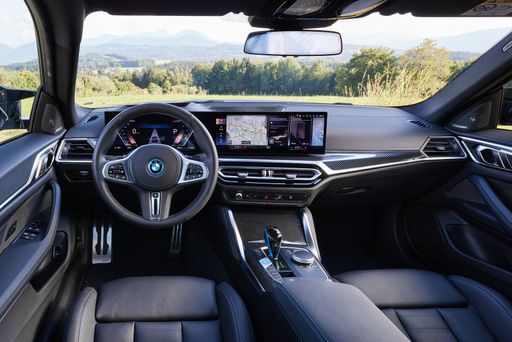
VS

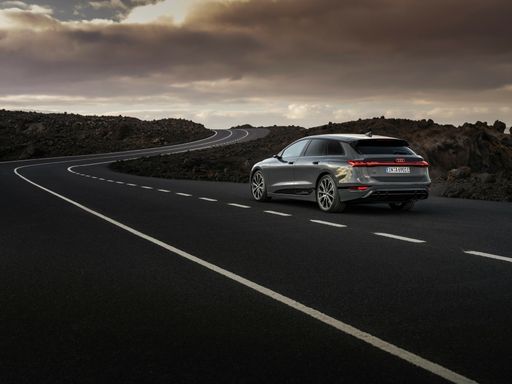
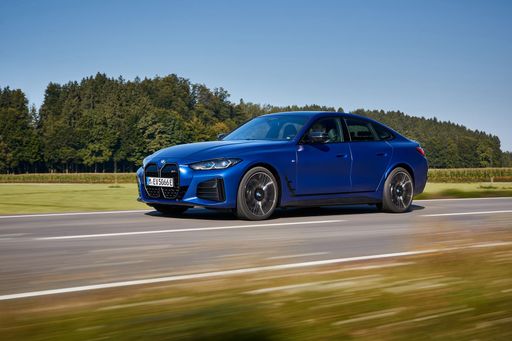
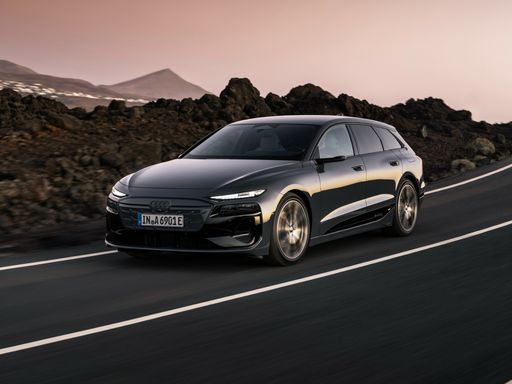
Audi A6 e-tron Avant vs BMW i4 comparison

Compare performance (551 HP vs 601 HP), boot space and price (55,200 £ vs 49,400 £ ) at a glance. Find out which car is the better choice for you – Audi A6 e-tron Avant or BMW i4?

Audi A6 e-tron Avant vs BMW i4: Key differences

Audi A6 e-tron Avant

3.4 (3 Reviews)
rate
  • a bit more electric range
  • very slightly more trunk space
details

BMW i4

5 (3 Reviews)
rate
  • moderately cheaper
  • marginally more power
  • very slightly more efficient
  • only slightly quicker 0–100 km/h
  • very slightly lighter
details

All details on performance, efficiency, range and trunk space can be found in the technical comparison below – including user reviews for both models.

By Achim Sedelmaier

A6 e-tron Avant

Overview: Audi A6 e-tron Avant VS BMW i4

Audi A6 e-tron Avant VS BMW i4 pits a tech‑heavy electric Avant against a driver‑focused Gran Coupé, and the choice is more about character than pure capability. The Audi A6 e-tron Avant presents itself as a composed, long‑distance specialist with rapid DC charging and an emphasis on low‑effort cruising. The BMW i4 answers with a tighter, more communicative chassis, a tactile cockpit and the familiar BMW ride-and-handling balance. Buyers will notice the Avant aiming to smooth highway miles while the i4 tries to make every corner feel intentional. This comparison teases those real‑world trade‑offs before we drill into numbers and charging specifics.
i4

Driving character and dynamics

The Audi A6 e-tron Avant leans into stability and comfort, its steering feeling light and composure prioritized over razor‑sharp feedback. The BMW i4 is the sportier companion here: more precise in turn‑in, better at translating driver inputs into behaviour and generally more eager on back roads. That means the Avant is the relaxed motorway cruiser you can set and forget, while the i4 rewards an engaged driver who wants a bit more connection. The trade‑off is obvious — the A6 sacrifices sporting immediacy for serenity, the i4 trades some isolation for agility. Choose based on whether you value calm long‑distance manners or more communicative dynamics in everyday driving.

A6 e-tron Avant

Comfort and long‑distance behavior

On long runs the Audi A6 e-tron Avant stands out: its suspension tuning and noise suppression make highway miles feel effortless and less fatiguing. The BMW i4 is also composed at speed but presents a firmer ride and seats that support laterally, so long days can feel more purposeful than plush. Rear passengers are treated differently too — the Avant’s architecture prioritizes legroom and a flatter load floor, whereas the i4’s lower roofline and tunnel make the back seat cozier, especially for taller adults. If your typical journeys are motorway spins with few stops, the Avant’s serenity and charging behavior will be more relieving; if you value spirited but stable travel with supportive seats, the i4 fits better. Both excel as long‑distance EVs, but their comfort philosophies diverge noticeably in everyday use.

i4

Practicality and everyday usability

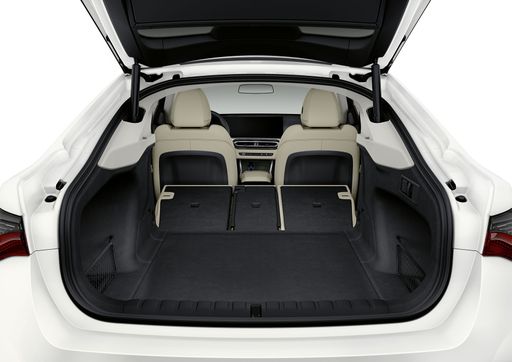
Practical differences are more than shape: the Audi A6 e-tron Avant brings a proper wagon mindset with a flat load floor and flexible seat split that aids bulky cargo and occasional towing needs. The BMW i4’s hatchback layout makes loading awkward items easier and offers clever under‑floor storage, but its lower roofline limits vertical space and rear headroom. In the city the Avant’s larger footprint and narrower rear visibility can complicate tight parking, and camera‑based mirror systems can polarize users; the i4 is no nimble city car either, with a wide turning circle, but the driving position and visibility feel more conventional. Day‑to‑day, the Avant is the choice if hauling and highway practicality matter, while the i4 suits buyers who prioritise accessible boot opening and compact‑feeling usability despite tighter rear accommodations. Both require thought about options and parking aids to mitigate their respective blind spots.

A6 e-tron Avant

Cabin feel, controls and perceived quality

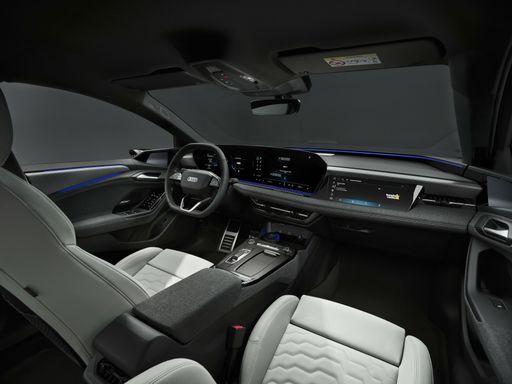
The interior ambience marks a clear split: the Audi A6 e-tron Avant pushes a tech‑forward, screen‑centric environment with Google‑based systems and augmented displays that impress but can feel button‑sparse and glossy. The BMW i4 leans on classic tactile quality — cleaner materials, a driver‑oriented layout and the iDrive controller that keeps key functions within reach. That makes the i4 feel more traditionally premium and less likely to frustrate on a long day of toggling climate or assist features, even though some menus still bury controls. The Avant’s presentation reads more modern and gadgety, which will appeal if you want futuristic aids, while the i4’s cabin will win buyers who care about finish, ergonomics and fewer touchscreen interruptions. In practice, the Audi feels like a tech showcase and the BMW like a more coherent, earned luxury cockpit.

i4

Buyer fit and how to decide

Pick the Audi A6 e-tron Avant if your life revolves around long motorway stints, fast charging stops, towing capability or you want the pragmatic benefits of a flat‑floor Avant with a tech edge. Choose the BMW i4 if you prioritise a refined, tactile cabin, sharper steering and hatchback practicality for daily life, even if rear space is tighter and options push the price up. The Avant suits business users and frequent travellers who value serenity and charging convenience; the i4 suits drivers who want classic BMW driving traits and perceived premium materials. Consider how often you’ll carry tall passengers, tow or park in tight urban spaces — these real usage patterns will expose the strengths and trade‑offs quickly. The technical comparison that follows will unpack range, charging rates and performance details to match these real‑world preferences to the numbers.

Here’s where it gets real: The technical differences in detail

A6 e-tron Avant

Costs and Efficiency:

Price and efficiency are key factors when choosing a car – and this is often where the real differences emerge.

BMW i4 is moderately cheaper – starting at 49,400 £ , while the Audi A6 e-tron Avant costs 55,200 £ . That’s a price difference of around 5,871 £.

In terms of energy consumption, the BMW i4 is very slightly more efficient: consuming 14.7 kWh/100km compared to 14.8 kWh/100km for the Audi A6 e-tron Avant. That’s a difference of about 0.1 kWh/100km.

As for electric range, the Audi A6 e-tron Avant offers a bit more range – reaching up to 716 km, about 103 km more than the BMW i4.

i4

Engine and Performance:

Under the bonnet, it becomes clear which model is tuned for sportiness and which one takes the lead when you hit the accelerator.

When it comes to engine power, the BMW i4 offers marginally more power – delivering 601 HP compared to 551 HP. That’s roughly 50 HP more horsepower.

When accelerating from 0 to 100 km/h, the BMW i4 is only slightly quicker – completing the sprint in 3.7 s, while the Audi A6 e-tron Avant takes 3.9 s. That’s about 0.2 s quicker.

There’s also a difference in torque: the Audi A6 e-tron Avant delivers very slightly more torque with 855 Nm compared to 795 Nm. That’s about 60 Nm more.

A6 e-tron Avant

Space and Everyday Use:

Whether family car or daily driver – which one offers more room, flexibility and comfort?

Both vehicles offer seating for 5 people.

In terms of curb weight, BMW i4 is very slightly lighter – 2,070 kg compared to 2,185 kg. The difference is around 115 kg.

Looking at boot space, the Audi A6 e-tron Avant offers very slightly more boot space – 502 L compared to 470 L. That’s a difference of about 32 L.

When it comes to payload, the Audi A6 e-tron Avant carries barely more – 500 kg compared to 480 kg. That’s a difference of about 20 kg.

Who wins the race in the data check?

The BMW i4 is barely ahead in the objective data comparison.
This result only shows which model scores more points on paper – not which of the two cars feels right for you.

from £49,400
i4

BMW i4

  • Engine Type : Electric
  • Transmission : Automatic
  • Drive Type : Rear-Wheel Drive, All-Wheel Drive
  • Power HP : 286 - 601 HP
  • Consumption kWh/100km : 14.7 - 16.7 kWh/100km
  • Electric Range : 514 - 613 km
Audi A6 e-tron Avant
BMW i4

Costs and Consumption

View detailed analysis

Engine and Performance

View detailed analysis

Dimensions and Body

View detailed analysis

Audi A6 e-tron Avant

The Audi A6 e-tron Avant wraps Audi's trademark refinement into a sleek electric estate that looks at home in the city or on the open road. Inside it's grown-up and tech-forward with practical packaging for family life, delivering a composed, confident drive that makes everyday hauling feel a bit more special and slightly futuristic.

details

BMW i4

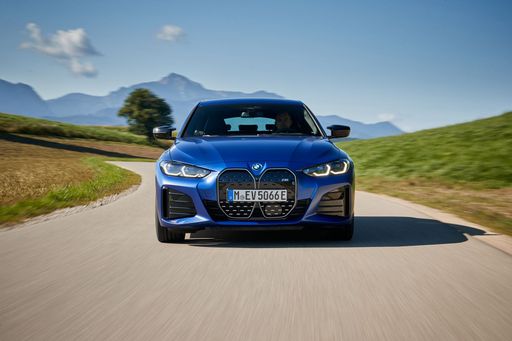
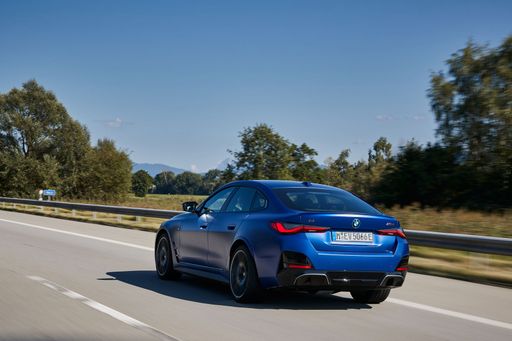
The BMW i4 arrives with the poise of a classic Gran Coupé, marrying BMW's playful handling with a sleek, modern interior that makes switching to electric feel like an upgrade rather than a compromise. For buyers who want a practical daily driver that still enjoys a spirited back-road run, the i4 quietly delivers smiles and a surprising dose of driver engagement.

details
Audi A6 e-tron Avant
BMW i4

Costs and Consumption

Price
55,200 - 100,100 £
Price
49,400 - 62,500 £
Consumption L/100km
-
Consumption L/100km
-
Consumption kWh/100km
14.8 - 17 kWh/100km
Consumption kWh/100km
14.7 - 16.7 kWh/100km
Electric Range
539 - 716 km
Electric Range
514 - 613 km
Battery Capacity
75.8 - 94.9 kWh
Battery Capacity
-
co2
0 g/km
co2
0 g/km
Fuel tank capacity
-
Fuel tank capacity
-

Dimensions and Body

Body Type
Estate
Body Type
Hatchback
Seats
5
Seats
5
Doors
5
Doors
-
Curb weight
2,185 - 2,410 kg
Curb weight
2,070 - 2,285 kg
Trunk capacity
502 L
Trunk capacity
470 L
Length
4,928 mm
Length
-
Width
1,923 mm
Width
1,852 mm
Height
1,504 - 1,527 mm
Height
-
Max trunk capacity
1,422 L
Max trunk capacity
-
Payload
470 - 500 kg
Payload
445 - 480 kg

Engine and Performance

Engine Type
Electric
Engine Type
Electric
Transmission
Automatic
Transmission
Automatic
Transmission Detail
Reduction Gearbox
Transmission Detail
Reduction Gearbox
Drive Type
Rear-Wheel Drive, All-Wheel Drive
Drive Type
Rear-Wheel Drive, All-Wheel Drive
Power HP
326 - 551 HP
Power HP
286 - 601 HP
Acceleration 0-100km/h
3.9 - 6 s
Acceleration 0-100km/h
3.7 - 6 s
Max Speed
210 - 240 km/h
Max Speed
-
Torque
435 - 855 Nm
Torque
400 - 795 Nm
Number of Cylinders
-
Number of Cylinders
-
Power kW
240 - 405 kW
Power kW
210 - 442 kW
Engine capacity
-
Engine capacity
-

General

Model Year
2024
Model Year
2,024 - 2,025
CO2 Efficiency Class
A
CO2 Efficiency Class
A
Brand
Audi
Brand
BMW
DriveDuel uses data analysis and artificial intelligence to evaluate vehicle data and create content. Content is regularly reviewed and improved. The displayed prices are estimates based on German list prices, adjusted to the respective country’s VAT. Country-specific registration taxes are not included. This information is not legally binding.