VS

BMW i4 vs BMW iX1 comparison

Compare performance (601 HP vs 313 HP), boot space and price (49,400 £ vs 42,300 £ ) at a glance. Find out which car is the better choice for you – BMW i4 or BMW iX1?

BMW i4 vs BMW iX1: Key differences

BMW i4

5 (1 Reviews)
rate
  • substantially more power
  • slightly more electric range
  • clearly quicker 0–100 km/h

BMW iX1

4.7 (3 Reviews)
rate
  • moderately cheaper
  • only slightly more efficient
  • barely lighter
  • barely more trunk space

All details on performance, efficiency, range and trunk space can be found in the technical comparison below – including user reviews for both models.

i4

In the rapidly evolving world of electric vehicles, BMW is pushing the boundaries of technology and design with its innovative lineup. Today, we take a closer look at two exciting models from the Bavarian manufacturer: the BMW i4 and the BMW iX1. Both vehicles exemplify the brand's commitment to sustainability and performance, but they cater to different segments of the market. Let's dive into a thorough comparison of their technical aspects and innovations.
iX1

Performance & Powertrains

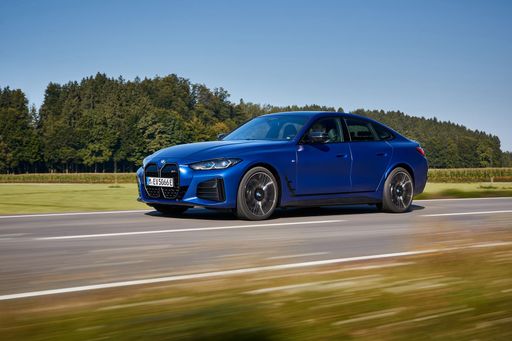
The BMW i4 is available with a range of power outputs, from 286 HP to an astonishing 544 HP in its top variant. This hatchback offers both rear-wheel and all-wheel drive configurations, with an exhilarating acceleration capability that allows it to go from 0 to 100 km/h in just 3.9 seconds for the performance-oriented models. The i4 boasts an impressive electric range, varying from 485 km to 582 km, depending on the battery capacity selected, which ranges from 67.1 kWh to 81.3 kWh.

In contrast, the BMW iX1, classified as an SUV, presents a different performance profile, with power outputs of 204 HP to 313 HP. The iX1 utilizes front-wheel and all-wheel drive systems and has a slightly slower acceleration, achieving 0 to 100 km/h in 5.6 seconds at its peak performance. Its range is competitive as well, with estimates between 436 km and 463 km thanks to its 64.8 kWh battery capacity.

i4

Efficiency: Consumption & Environmental Impact

When it comes to energy consumption, the BMW i4 is quite efficient, with rates ranging from 15.6 kWh/100km to 18 kWh/100km. The iX1 is slightly less efficient, consuming between 15.8 kWh/100km and 17.1 kWh/100km. Both vehicles excel in terms of CO2 emissions as they maintain a zero-emission status, earning them an A rating in terms of CO2 efficiency class.

iX1

Design & Interior Space

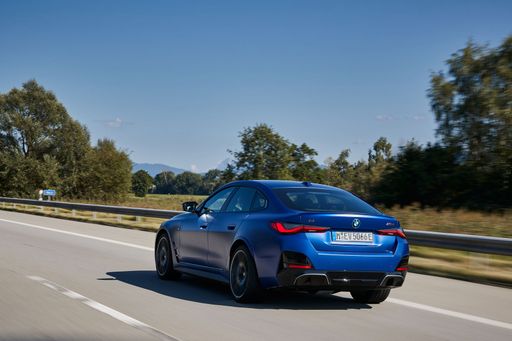
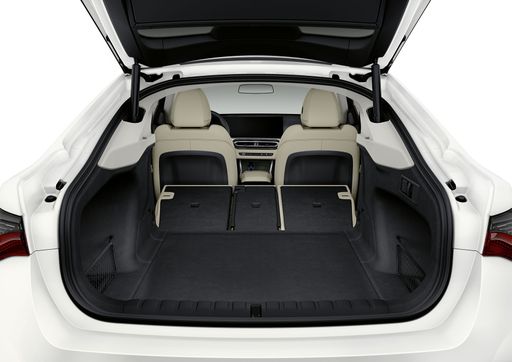
The BMW i4 stands out with its sleek hatchback profile, measuring 4,783 mm in length and 1,852 mm in width. It offers a trunk capacity of 470 liters, making it practical for everyday use. With a height of 1,448 mm, the i4 presents a sporty silhouette, appealing to those who prioritize aesthetics and performance.

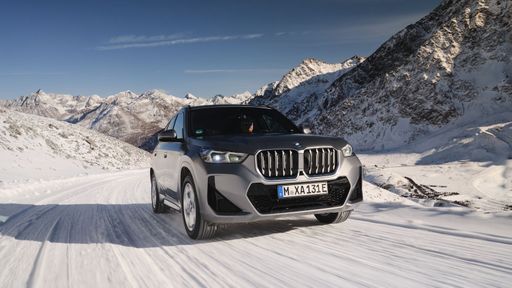
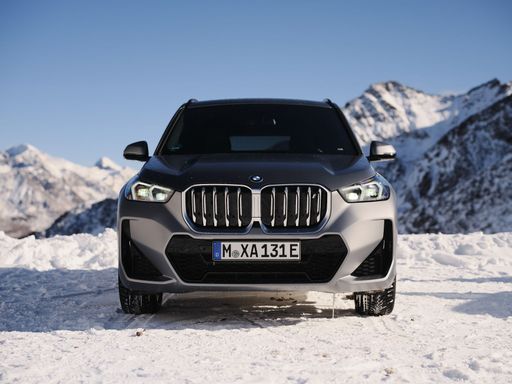
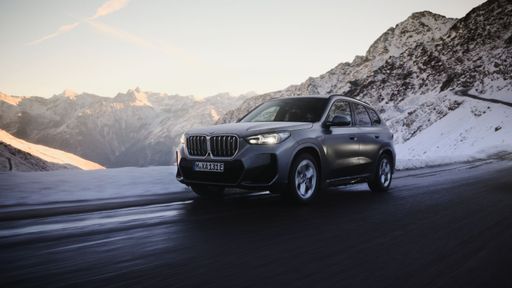
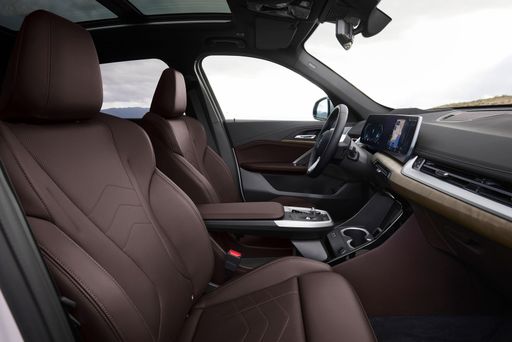
On the other hand, the BMW iX1's SUV design caters to a different audience, showcasing a more robust build with a height of 1,616 mm. It is slightly shorter in length at 4,500 mm and has a width of 1,845 mm. The trunk capacity is slightly more generous, at 490 liters, making the iX1 a family-friendly option. Furthermore, both models offer spacious interiors with seating for five, ensuring comfort for all passengers.

i4

Driving Technology & Innovations

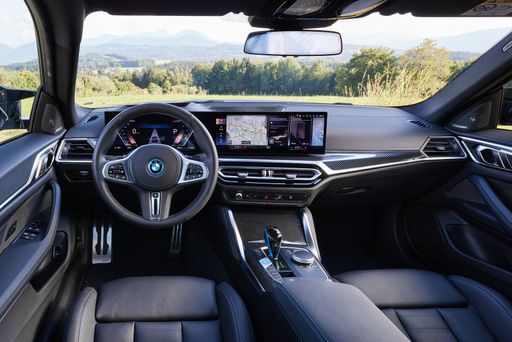
Both BMW models are equipped with the latest driving technologies designed to enhance the driving experience. The i4 integrates cutting-edge driver assistance systems, enabling features like adaptive cruise control, lane-keeping assistance, and parking aids. The vehicle also incorporates BMW's latest infotainment system and a large display, providing drivers with access to a multitude of functionalities.

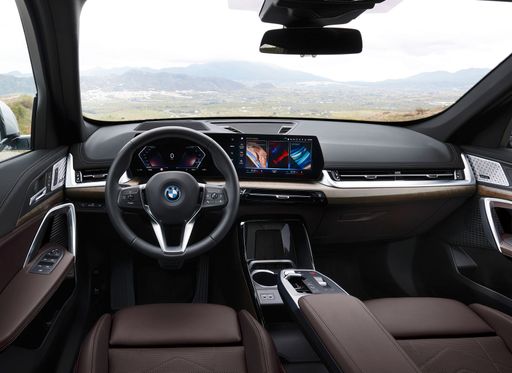
Similarly, the iX1 boasts advanced technologies, including a comprehensive suite of safety and navigation features. The infotainment system is user-friendly and includes a range of connectivity options, making it an appealing choice for tech-savvy drivers. Both models reflect BMW's dedication to creating vehicles that are not only performance-oriented but also loaded with modern conveniences.

iX1

Conclusion

Ultimately, the choice between the BMW i4 and iX1 boils down to personal preference and lifestyle needs. The i4 is designed for those who seek performance and style in a compact form, while the iX1 appeals to families and adventure-seekers looking for a versatile SUV. Both models demonstrate BMW's commitment to sustainable driving without compromising on luxury or performance. As the electric vehicle market continues to grow, these two models are prime examples of how innovation can lead to exciting new possibilities on the road.

Here’s where it gets real: The technical differences in detail

i4

Costs and Efficiency:

When it comes to price and running costs, the biggest differences usually appear. This is often where you see which car fits your budget better in the long run.

BMW iX1 is moderately cheaper – starting at 42,300 £ , while the BMW i4 costs 49,400 £ . That’s a price difference of around 7,029 £.

In terms of energy consumption, the BMW iX1 is only slightly more efficient: consuming 14.3 kWh/100km compared to 14.7 kWh/100km for the BMW i4. That’s a difference of about 0.4 kWh/100km.

As for electric range, the BMW i4 offers slightly more range – reaching up to 613 km, about 99 km more than the BMW iX1.

iX1

Engine and Performance:

Power, torque and acceleration are the classic benchmarks for car enthusiasts – and here, some clear differences start to show.

When it comes to engine power, the BMW i4 offers substantially more power – delivering 601 HP compared to 313 HP. That’s roughly 288 HP more horsepower.

When accelerating from 0 to 100 km/h, the BMW i4 is clearly quicker – completing the sprint in 3.7 s, while the BMW iX1 takes 5.6 s. That’s about 1.9 s quicker.

There’s also a difference in torque: the BMW i4 delivers markedly more torque with 795 Nm compared to 494 Nm. That’s about 301 Nm more.

i4

Space and Everyday Use:

Whether family car or daily driver – which one offers more room, flexibility and comfort?

Both vehicles offer seating for 5 people.

In terms of curb weight, BMW iX1 is barely lighter – 1,940 kg compared to 2,070 kg. The difference is around 130 kg.

Looking at boot space, the BMW iX1 offers barely more boot space – 490 L compared to 470 L. That’s a difference of about 20 L.

When it comes to payload, the BMW iX1 carries marginally more – 495 kg compared to 480 kg. That’s a difference of about 15 kg.

Who wins the race in the data check?

The BMW i4 is far ahead overall in the objective data comparison.
This result only shows which model scores more points on paper – not which of the two cars feels right for you.

from £49,400
i4

BMW i4

  • Engine Type : Electric
  • Transmission : Automatic
  • Drive Type : Rear-Wheel Drive, All-Wheel Drive
  • Power HP : 286 - 601 HP
  • Consumption kWh/100km : 14.7 - 16.7 kWh/100km
  • Electric Range : 514 - 613 km
BMW i4
BMW iX1

Costs and Consumption

View detailed analysis

Engine and Performance

View detailed analysis

Dimensions and Body

View detailed analysis

BMW i4

The BMW i4 arrives with the poise of a classic Gran Coupé, marrying BMW's playful handling with a sleek, modern interior that makes switching to electric feel like an upgrade rather than a compromise. For buyers who want a practical daily driver that still enjoys a spirited back-road run, the i4 quietly delivers smiles and a surprising dose of driver engagement.

details

BMW iX1

The BMW iX1 wraps BMW's electric ambition into a compact SUV package that feels unexpectedly premium, with sharp handling and a crisp, modern cabin that keeps the driver in charge. It's ideal for buyers who want a stylish, quiet daily driver with useful practicality and tech-savvy touches — plus enough character to make the commute feel less like a chore and more like a short joyride.

details
BMW i4
BMW iX1

Costs and Consumption

Price
49,400 - 62,500 £
Price
42,300 - 55,200 £
Consumption L/100km
-
Consumption L/100km
-
Consumption kWh/100km
14.7 - 16.7 kWh/100km
Consumption kWh/100km
14.3 - 15.7 kWh/100km
Electric Range
514 - 613 km
Electric Range
466 - 514 km
Battery Capacity
-
Battery Capacity
-
co2
0 g/km
co2
0 g/km
Fuel tank capacity
-
Fuel tank capacity
-

Dimensions and Body

Body Type
Hatchback
Body Type
SUV
Seats
5
Seats
5
Doors
-
Doors
-
Curb weight
2,070 - 2,285 kg
Curb weight
1,940 - 2,085 kg
Trunk capacity
470 L
Trunk capacity
490 L
Length
-
Length
-
Width
1,852 mm
Width
1,845 mm
Height
-
Height
-
Max trunk capacity
-
Max trunk capacity
-
Payload
445 - 480 kg
Payload
495 kg

Engine and Performance

Engine Type
Electric
Engine Type
Electric
Transmission
Automatic
Transmission
Automatic
Transmission Detail
Reduction Gearbox
Transmission Detail
Reduction Gearbox
Drive Type
Rear-Wheel Drive, All-Wheel Drive
Drive Type
Front-Wheel Drive, All-Wheel Drive
Power HP
286 - 601 HP
Power HP
204 - 313 HP
Acceleration 0-100km/h
3.7 - 6 s
Acceleration 0-100km/h
5.6 - 8.6 s
Max Speed
-
Max Speed
-
Torque
400 - 795 Nm
Torque
250 - 494 Nm
Number of Cylinders
-
Number of Cylinders
-
Power kW
210 - 442 kW
Power kW
150 - 230 kW
Engine capacity
-
Engine capacity
-

General

Model Year
2,024 - 2,025
Model Year
2,026
CO2 Efficiency Class
A
CO2 Efficiency Class
A
Brand
BMW
Brand
BMW
DriveDuel uses data analysis and artificial intelligence to evaluate vehicle data and create content. Content is regularly reviewed and improved. The displayed prices are estimates based on German list prices, adjusted to the respective country’s VAT. Country-specific registration taxes are not included. This information is not legally binding.