VS

NIO ET7 vs ZEEKR 001 comparison

Compare performance (653 HP vs 544 HP), boot space and price (59,900 £ vs 51,400 £ ) at a glance. Find out which car is the better choice for you – NIO ET7 or ZEEKR 001?

NIO ET7 vs ZEEKR 001: Key differences

NIO ET7

  • somewhat more power
details

ZEEKR 001

5 (1 Reviews)
rate
  • moderately cheaper
  • very slightly more efficient
  • very slightly more electric range
  • moderately lighter
  • noticeably more trunk space
details

By Achim Sedelmaier

ET7

The electric vehicle market is experiencing rapid growth, with brands like NIO and ZEEKR leading the charge with innovative designs and advanced technologies. In this comparison, we will delve into two exciting models: the NIO ET7 and the ZEEKR 001. Both vehicles offer impressive specifications, but they cater to different preferences within the electric vehicle community.
001

Design and Dimensions

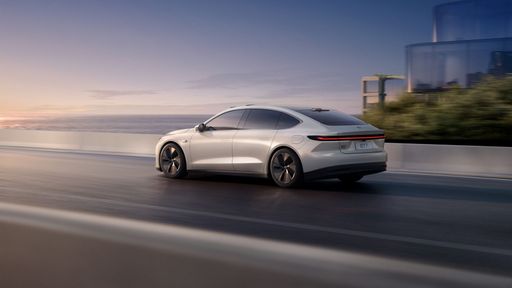
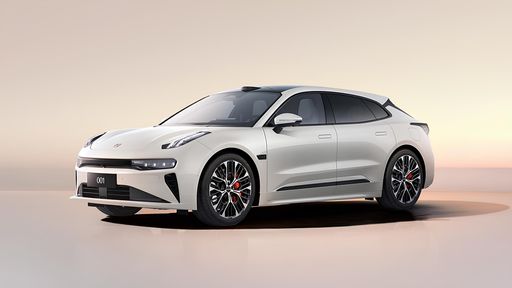
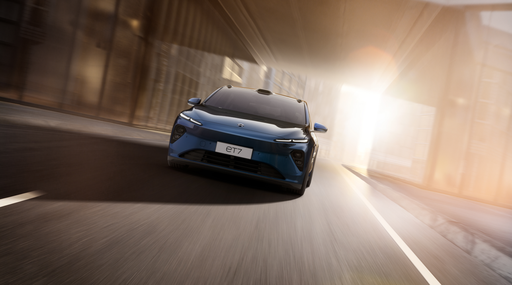
Starting with their body types, the NIO ET7 is a sleek sedan while the ZEEKR 001 showcases a sporty hatchback design. The ET7 measures 5101 mm in length, 1987 mm in width, and stands at a height of 1509 mm. In contrast, the ZEEKR 001 is slightly shorter at 4955 mm but wider at 2005 mm. Its height varies between 1548 mm to 1560 mm, depending on the model variant.

Both vehicles feature a modern and sophisticated aesthetic, but the ET7 leans towards a more luxurious executive profile, targeting those who favor elegance, while the ZEEKR 001 adopts a more muscular and dynamic appearance, appealing to enthusiasts who appreciate a sportier vibe.

ET7

Powertrain and Performance

Under the hood, performance specifications are vital for prospective buyers. The NIO ET7 offers an all-wheel-drive system, delivering an impressive 653 HP with a torque of 850 Nm. The acceleration from 0 to 100 km/h is achieved in just 3.8 seconds, showcasing its superb responsiveness. The compact powertrain also provides a respectable electric range of up to 584 km on a full charge, thanks to its 90 kWh battery capacity.

In comparison, the ZEEKR 001 comes with both rear-wheel and all-wheel-drive options, producing power variants ranging from 272 HP to 544 HP. With a top acceleration of 3.8 seconds for the performance variant, it offers nearly equivalent performance to the ET7. However, the ZEEKR 001 can stretch a little further in range, with models capable of reaching up to 620 km on a single charge using a 100 kWh battery.

Efficiency and Charging

Efficiency is a critical aspect of electric vehicles. The NIO ET7 performs well with a consumption rate between 18.5 and 19.1 kWh/100 km, while the ZEEKR 001 offers a similar efficiency profile of 18.2 to 18.5 kWh/100 km. Both models brace themselves against environmental standards, coming in with an impressive CO2 efficiency class of A, meaning they produce zero tailpipe emissions.

As for charging, both brands incorporate advanced technologies to minimize downtime. With their navigation systems, drivers can easily locate charging stations, ensuring a seamless experience during longer trips.

Interior and Space

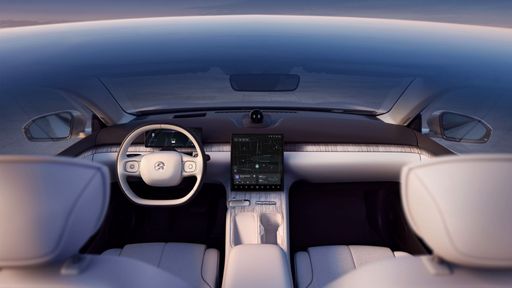
Both the NIO ET7 and ZEEKR 001 accommodate five passengers, but they offer different interior experiences. The ET7 shines with a luxurious cabin design, featuring high-quality materials, ergonomic seating, and advanced infotainment systems that enhance comfort during journeys. The trunk capacity of 363 liters adds to its practicality for daily use.

On the other hand, the ZEEKR 001 takes a more tech-centric approach, highlighting its spaciousness and airiness with a trunk capacity of 539 liters, making it ideal for those with active lifestyles. Its infotainment system leans heavily on modern tech integration, appealing to a younger, tech-savvy audience.

Conclusion

Both the NIO ET7 and ZEEKR 001 present compelling choices in the electric vehicle segment, each excelling in different areas. The ET7 is perfect for buyers seeking luxury and performance combined, while the ZEEKR 001 is geared toward those wanting practicality and cutting-edge technology. As the automotive world continues to evolve, these models demonstrate the strides being made in electric mobility, offering consumers a taste of the future.

Here’s where it gets real: The technical differences in detail

ET7

Costs and Efficiency:

Looking at overall running costs, both models reveal some interesting differences in everyday economy.

ZEEKR 001 is moderately cheaper – starting at 51,400 £ , while the NIO ET7 costs 59,900 £ . That’s a price difference of around 8,494 £.

In terms of energy consumption, the ZEEKR 001 is very slightly more efficient: consuming 18.2 kWh/100km compared to 19 kWh/100km for the NIO ET7. That’s a difference of about 0.8 kWh/100km.

As for electric range, the ZEEKR 001 offers very slightly more range – reaching up to 620 km, about 36 km more than the NIO ET7.

001

Engine and Performance:

Power, torque and acceleration say a lot about how a car feels on the road. This is where you see which model delivers more driving dynamics.

When it comes to engine power, the NIO ET7 offers somewhat more power – delivering 653 HP compared to 544 HP. That’s roughly 109 HP more horsepower.

Both models accelerate almost equally fast – 3.8 s from 0 to 100 km/h.

There’s also a difference in torque: the NIO ET7 delivers somewhat more torque with 850 Nm compared to 686 Nm. That’s about 164 Nm more.

ET7

Space and Everyday Use:

Beyond pure performance, interior space and usability matter most in daily life. This is where you see which car is more practical and versatile.

Both vehicles offer seating for 5 people.

In terms of curb weight, ZEEKR 001 is moderately lighter – 2,200 kg compared to 2,434 kg. The difference is around 234 kg.

Looking at boot space, the ZEEKR 001 offers noticeably more boot space – 539 L compared to 363 L. That’s a difference of about 176 L.

When it comes to payload, the ZEEKR 001 carries slightly more – 520 kg compared to 466 kg. That’s a difference of about 54 kg.

Who wins the race in the data check?

The ZEEKR 001 is slightly ahead in the objective data comparison.
This result only shows which model scores more points on paper – not which of the two cars feels right for you.

from £51,400
001

ZEEKR 001

  • Engine Type Electric
  • Transmission Automatic
  • Drive Type Rear-Wheel Drive, All-Wheel Drive
  • Power HP 272 - 544 HP
  • Consumption kWh/100km 18.2 - 18.5 kWh/100km
  • Electric Range 585 - 620 km
NIO ET7
ZEEKR 001

Costs and Consumption

View detailed analysis

Engine and Performance

View detailed analysis

Dimensions and Body

View detailed analysis

NIO ET7

The NIO ET7 arrives like a calm thunderstorm — sleek, silent and unapologetically clever, turning motorway cruising into the sort of effortless glide that makes other cars feel noisy and rehearsed. Inside, it's all luxury sofas and smart gadgets that actually help rather than confuse, so buyers who crave tech and comfort will feel like they've upgraded their life without needing to spellcheck the manual.

details

ZEEKR 001

The Zeekr 001 feels like a grown-up fastback from the future, blending sleek Scandinavian minimalism with surprising road presence that turns heads without shouting. Inside it's a premium, gadget-filled cocoon that makes electric driving effortless and enjoyable — a polished alternative for buyers who want something refreshingly different.

details
NIO ET7
ZEEKR 001

Costs and Consumption

Price
59,900 - 68,900 £
Price
51,400 - 62,600 £
Consumption L/100km
-
Consumption L/100km
-
Consumption kWh/100km
19 - 19.3 kWh/100km
Consumption kWh/100km
18.2 - 18.5 kWh/100km
Electric Range
451 - 584 km
Electric Range
585 - 620 km
Battery Capacity
73.5 - 90 kWh
Battery Capacity
-
co2
0 g/km
co2
0 g/km
Fuel tank capacity
-
Fuel tank capacity
-

Dimensions and Body

Body Type
Sedan
Body Type
Estate
Seats
5
Seats
5
Doors
4
Doors
-
Curb weight
2,434 - 2,454 kg
Curb weight
2,200 - 2,350 kg
Trunk capacity
363 L
Trunk capacity
539 L
Length
5,101 mm
Length
-
Width
1,987 mm
Width
2,005 mm
Height
1,509 mm
Height
-
Max trunk capacity
-
Max trunk capacity
-
Payload
446 - 466 kg
Payload
505 - 520 kg

Engine and Performance

Engine Type
Electric
Engine Type
Electric
Transmission
Automatic
Transmission
Automatic
Transmission Detail
Reduction Gearbox
Transmission Detail
Reduction Gearbox
Drive Type
All-Wheel Drive
Drive Type
Rear-Wheel Drive, All-Wheel Drive
Power HP
653 HP
Power HP
272 - 544 HP
Acceleration 0-100km/h
3.8 s
Acceleration 0-100km/h
3.8 - 7.2 s
Max Speed
200 km/h
Max Speed
-
Torque
850 Nm
Torque
343 - 686 Nm
Number of Cylinders
-
Number of Cylinders
-
Power kW
480 kW
Power kW
200 - 400 kW
Engine capacity
-
Engine capacity
-

General

Model Year
2022
Model Year
2026
CO2 Efficiency Class
A
CO2 Efficiency Class
A
Brand
NIO
Brand
ZEEKR
DriveDuel uses data analysis and artificial intelligence to evaluate vehicle data and create content. Content is regularly reviewed and improved. The displayed prices are estimates based on German list prices, adjusted to the respective country’s VAT. Country-specific registration taxes are not included. This information is not legally binding.