VS

Omoda 9 vs XPeng G9 comparison

Compare performance (537 HP vs 575 HP), boot space and price (45,300 £ vs 51,100 £ ) at a glance. Find out which car is the better choice for you – Omoda 9 or XPeng G9?

Omoda 9 vs XPeng G9: Key differences

Omoda 9

5 (1 Reviews)
rate
  • moderately cheaper
details

XPeng G9

4.8 (7 Reviews)
rate
  • marginally more power
  • significantly more electric range
  • a bit quicker 0–100 km/h
  • very slightly lighter
  • noticeably more trunk space
details

All details on performance, efficiency, range and trunk space can be found in the technical comparison below – including user reviews for both models.

By Achim Sedelmaier

9

XPeng G9 VS Omoda 9 — quick read before you dive into numbers

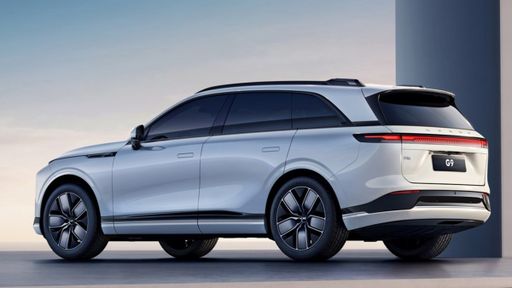
XPeng G9 VS Omoda 9 frames a simple split: a roomy, tech-forward battery SUV that accelerates the long-trip experience against a generously equipped plug-in hybrid aimed at efficient daily driving. The XPeng G9 feels like an upscale, composed cruiser on motorways, while the Omoda 9 trades a touch of finesse for accessible kit and clever packaging. Both aim at comfort, but they deliver it with different priorities — one through premium materials and charging speed, the other through equipment and usable electric-only range. Read on to understand how those priorities change real-world life with either car.
G9

Character and driving feel

The XPeng G9 drives like a heavyweight grand tourer — calm, stable and biased toward refinement rather than razor-sharp steering, which suits long runs but won't thrill a driver chasing cornering feedback. The Omoda 9 is even more clearly tuned for relaxed cruising: lighter steering, noticeable body motion in tighter turns and a general bias toward smoothness over engagement. If you want immediate throttle shove and a planted highway demeanour, the XPeng G9 leans more premium and composed; if you prefer a floaty, effortless feel that masks speed rather than delivering precision, the Omoda 9 will feel right. Both are comfortable rather than sporty, but the XPeng carries momentum with a firmer sense of authority.

9

Comfort, cabin feel and perceived quality

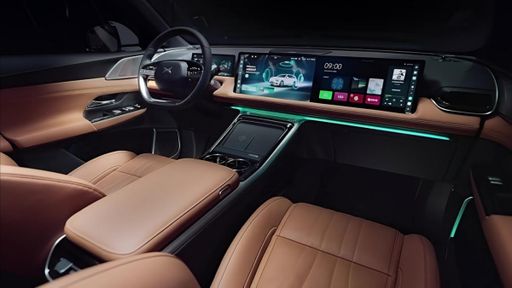
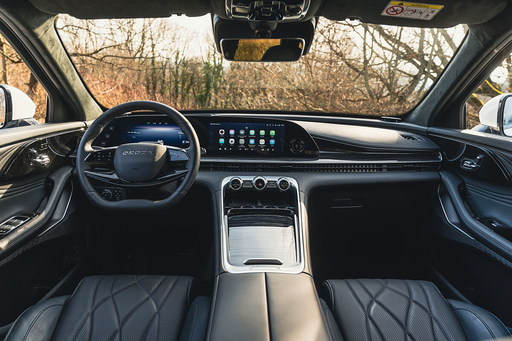
Step into the XPeng G9 and the cabin reads closer to established premium rivals — thicker materials, layered screens and a more restrained overall finish that feels deliberate and upscale. The Omoda 9 surprises with a long list of comfort features and a very roomy rear seat, but some interior areas reveal mainstream-grade plastics and cost-conscious detailing. Rear passengers will be happy in both cars, yet the XPeng treats them with optional high-end extras, whereas the Omoda compensates with clever space use like a flat floor and electrically adjustable rear backs. In short, the XPeng sells refinement; the Omoda sells bang-for-bucks comfort.

G9

Practicality and everyday usability

When it comes to packing for a weekend away the XPeng G9’s load area and front storage make life easier, especially if you regularly haul bulky items or want the extra flexibility of a frunk. The Omoda 9 offers a large cargo footprint too, but its shallow, flatter boot shape and lack of underfloor tricks make tall or awkward loads less tidy. Daily usability also splits on charging strategy: the XPeng makes long-distance charging stops shorter and simpler, while the Omoda rewards commuter use with long electric-only trips between home charges and lower running cost for typical day-to-day miles. Both cabins demand time to learn — deep menus and touchscreen-first layouts are common — but Omoda’s physical knobs for climate controls are a welcome practical touch.

City friendliness and daily driving quirks

In urban use the Omoda 9’s PHEV nature and quiet electric driving make it an efficient commuter, and its cameras and parking aids do much of the tight-spot work for you. The XPeng G9 is more of a large-car proposition in tight streets: the cabin is calm and well-insulated, but the sheer size and camera-dependent helpers make narrow parking feel more like a managed operation. Both cars have elaborate driver aids that can be helpful, yet both vendors’ systems also tend to over-alert on occasion — XPeng’s warnings are commonly described as more insistent, while Omoda’s chimes can likewise become tiresome until you dial settings in. For everyday city life the Omoda feels slightly more forgiving because of its PHEV efficiency and straightforward ergonomics.

Who each car actually fits — purchase trade-offs

Choose the XPeng G9 if your priority is long-distance calm, premium cabin feel and the convenience of very fast DC charging for frequent motorway journeys; it suits families and business users who value space and a more assured highway presence. Opt for the Omoda 9 if you want top‑level equipment, a lower sticker price and an efficient plug‑in setup that covers most commutes on electric power — it fits budget‑minded buyers and those who rarely do long nonstop runs. Both cars make sensible compromises, so the decision narrows to how often you tow or travel long distances, whether you value trunk depth over boot shape, and how much you care about perceived cabin luxury versus spec count — the technical comparison that follows will show how those trade-offs translate into figures.

Here’s where it gets real: The technical differences in detail

9

Costs and Efficiency:

Price and efficiency are often the first things buyers look at. Here it becomes clear which model has the long-term edge – whether at the pump, the plug, or in purchase price.

Omoda 9 is moderately cheaper – starting at 45,300 £ , while the XPeng G9 costs 51,100 £ . That’s a price difference of around 5,743 £.

As for electric range, the XPeng G9 offers significantly more range – reaching up to 585 km, about 440 km more than the Omoda 9.

G9

Engine and Performance:

Power, torque and acceleration say a lot about how a car feels on the road. This is where you see which model delivers more driving dynamics.

When it comes to engine power, the XPeng G9 offers marginally more power – delivering 575 HP compared to 537 HP. That’s roughly 38 HP more horsepower.

When accelerating from 0 to 100 km/h, the XPeng G9 is a bit quicker – completing the sprint in 4.2 s, while the Omoda 9 takes 4.9 s. That’s about 0.7 s quicker.

There’s also a difference in torque: the XPeng G9 delivers very slightly more torque with 695 Nm compared to 650 Nm. That’s about 45 Nm more.

9

Space and Everyday Use:

Whether family car or daily driver – which one offers more room, flexibility and comfort?

Both vehicles offer seating for 5 people.

In terms of curb weight, XPeng G9 is very slightly lighter – 2,210 kg compared to 2,270 kg. The difference is around 60 kg.

Looking at boot space, the XPeng G9 offers noticeably more boot space – 660 L compared to 471 L. That’s a difference of about 189 L.

When it comes to payload, the XPeng G9 carries moderately more – 520 kg compared to 447 kg. That’s a difference of about 73 kg.

Who wins the race in the data check?

The XPeng G9 is clearly superior overall in the objective data comparison.
This result only shows which model scores more points on paper – not which of the two cars feels right for you.

from £51,100
G9

XPeng G9

  • Engine Type Electric
  • Transmission Automatic
  • Drive Type Rear-Wheel Drive, All-Wheel Drive
  • Power HP 351 - 575 HP
  • Consumption kWh/100km 18.4 - 20.1 kWh/100km
  • Electric Range 502 - 585 km
Omoda 9
XPeng G9

Costs and Consumption

View detailed analysis

Engine and Performance

View detailed analysis

Dimensions and Body

View detailed analysis

Omoda 9

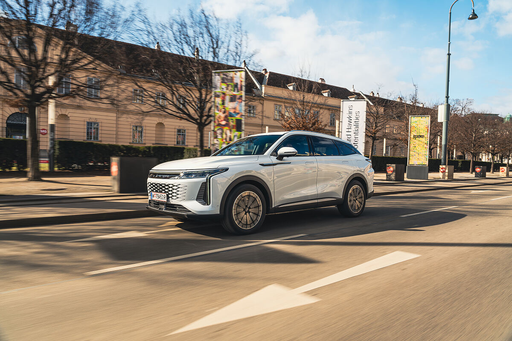
The Omoda 9 blends bold, contemporary styling with a surprisingly spacious and well-appointed interior that punches above its class. It offers a composed, comfortable ride and modern infotainment and safety features that make it a strong choice for buyers wanting a practical yet stylish family crossover.

details

XPeng G9

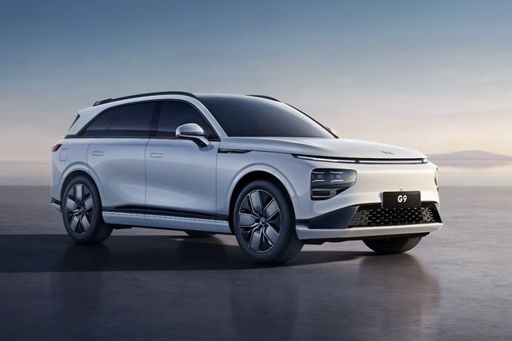
The XPeng G9 is a spacious, tech-forward electric SUV that pairs a calm, refined ride with responsive performance and a high-quality, minimalist cabin. With strong emphasis on connectivity and advanced driving assistance, it’s a compelling choice if you want modern EV features and generous practicality without a legacy badge.

details
Omoda 9
XPeng G9

Costs and Consumption

Price
45,300 £
Price
51,100 - 62,200 £
Consumption L/100km
1.6 L/100km
Consumption L/100km
-
Consumption kWh/100km
-
Consumption kWh/100km
18.4 - 20.1 kWh/100km
Electric Range
145 km
Electric Range
502 - 585 km
Battery Capacity
-
Battery Capacity
-
co2
38 g/km
co2
0 g/km
Fuel tank capacity
-
Fuel tank capacity
-

Dimensions and Body

Body Type
SUV
Body Type
SUV
Seats
5
Seats
5
Doors
-
Doors
-
Curb weight
2,270 kg
Curb weight
2,210 - 2,395 kg
Trunk capacity
471 L
Trunk capacity
660 L
Length
-
Length
-
Width
1,920 mm
Width
1,937 mm
Height
-
Height
-
Max trunk capacity
-
Max trunk capacity
-
Payload
447 kg
Payload
515 - 520 kg

Engine and Performance

Engine Type
Plugin Hybrid
Engine Type
Electric
Transmission
Automatic
Transmission
Automatic
Transmission Detail
Automatic Gearbox
Transmission Detail
Reduction Gearbox
Drive Type
All-Wheel Drive
Drive Type
Rear-Wheel Drive, All-Wheel Drive
Power HP
537 HP
Power HP
351 - 575 HP
Acceleration 0-100km/h
4.9 s
Acceleration 0-100km/h
4.2 - 6.6 s
Max Speed
-
Max Speed
-
Torque
650 Nm
Torque
465 - 695 Nm
Number of Cylinders
4
Number of Cylinders
-
Power kW
395 kW
Power kW
258 - 423 kW
Engine capacity
1,499 cm3
Engine capacity
-

General

Model Year
2026
Model Year
2025
CO2 Efficiency Class
B
CO2 Efficiency Class
A
Brand
Omoda
Brand
XPeng
DriveDuel uses data analysis and artificial intelligence to evaluate vehicle data and create content. Content is regularly reviewed and improved. The displayed prices are estimates based on German list prices, adjusted to the respective country’s VAT. Country-specific registration taxes are not included. This information is not legally binding.