VS

Vauxhall Zafira Life vs Mercedes V Class comparison

Compare performance (180 HP vs 237 HP), boot space and price (36,000 £ vs 48,200 £ ) at a glance. Find out which car is the better choice for you – Vauxhall Zafira Life or Mercedes V Class?

Vauxhall Zafira Life vs Mercedes V Class: Key differences

Vauxhall Zafira Life

  • clearly cheaper
  • a bit lighter
details

Mercedes V Class

  • clearly more power
  • considerably quicker 0–100 km/h
details

By Achim Sedelmaier

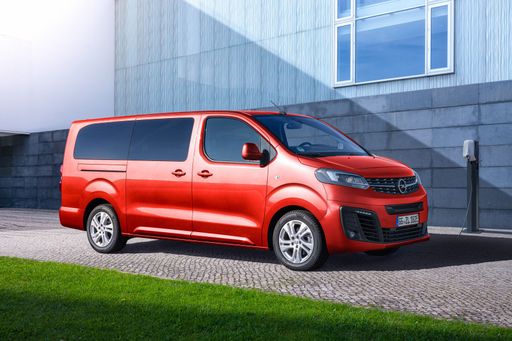
Zafira Life

A Battle of Buses: Mercedes V-Class vs. Vauxhall Zafira Life

In the realm of multi-purpose vehicles, two titans stand out for their unique attributes and innovative features: the Mercedes V-Class and the Vauxhall Zafira Life. This in-depth comparison delves into the technical aspects and innovations of these two popular models as they vie for supremacy in the bus segment. Both vehicles promise comfort, performance, and versatility, but let's see which one might be better suited to your needs.
V Class

Performance & Powertrain: Diesel vs. Electric

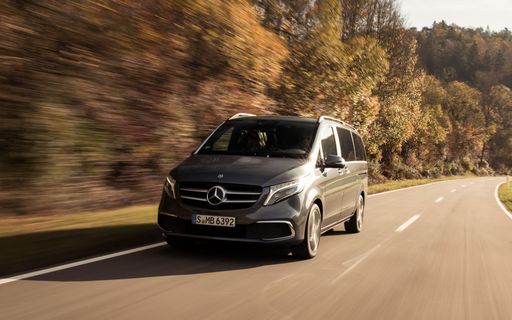
The Mercedes V-Class offers a traditional approach with diesel and petrol engines. With power outputs ranging from 163 to 237 HP, the V-Class provides flexible performance options through its rear-wheel and all-wheel drive variants. Its automatic gearbox ensures smooth transitions between gears, giving it a responsive driving experience.

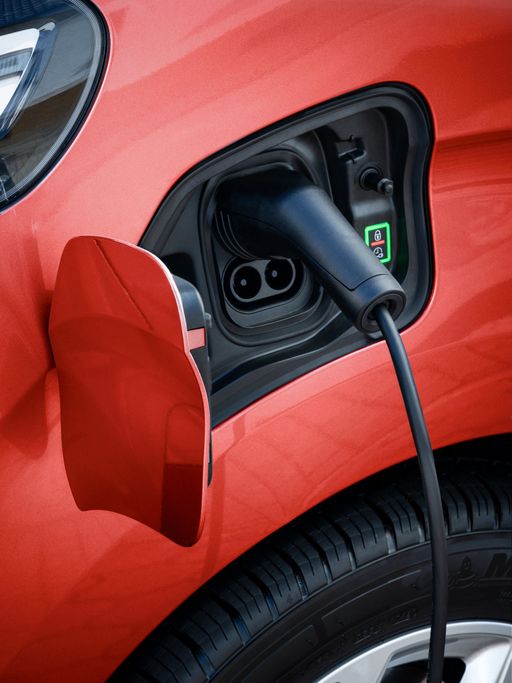
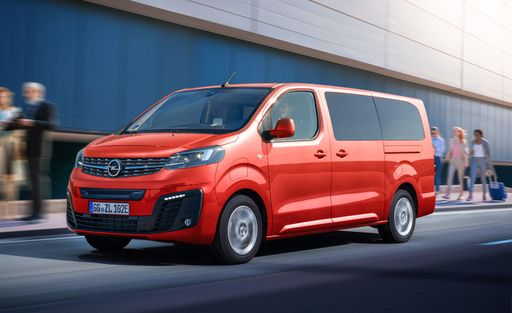
On the other hand, the Vauxhall Zafira Life takes the modern electric route with its front-wheel drive and a reduction gearbox. Equipped with a 136 HP electric motor, it might not compete with the V-Class in terms of raw power, but it excels with an emissions-free drive and lower running costs. The Zafira Life's electric range extends up to 347 kilometers, making it an attractive choice for eco-conscious consumers.

Zafira Life

Dimensions & Practicality

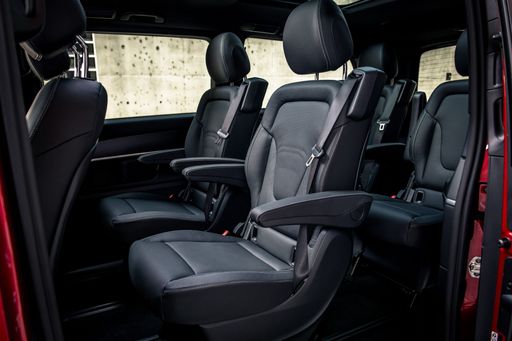
Both models offer impressive dimensions, catering to a variety of passenger and cargo needs. The V-Class can accommodate up to six seats, while retaining generous luggage space, with a trunk capacity ranging from 610 to 1410 liters, depending on the seating configuration. At a length of up to 5370 mm, it ensures ample interior space, ideal for family or executive transport.

The Zafira Life, slightly more compact at a maximum length of 5331 mm, surprises with its eight-seating capacity. However, this comes at the cost of limited trunk space, rated at zero liters with a full passenger load. Nevertheless, it makes up for this with its flexibility in seat arrangement to optimize passenger or cargo space as necessary.

V Class

Eco-efficiency & Sustainability

The Vauxhall Zafira Life wins in the sustainability category with its zero CO2 emissions, classified under efficiency class A. It represents a step towards sustainable transportation without compromising on comfort or practicality. Its electric nature ensures that your carbon footprint remains minimal, ideal for urban environments with strict emissions regulations.

Conversely, the Mercedes V-Class models exude power yet fall short in eco-friendliness, with CO2 emissions ranging from 185 to 232 g/km. Classified as efficiency class G, their diesel engines, though robust, reflect a more traditional fuel-based approach, calling for advancements to meet future environmental standards.

Zafira Life

Comfort & Innovation

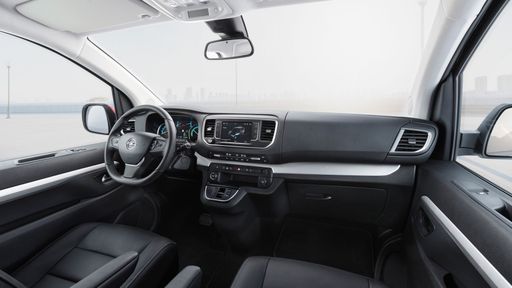
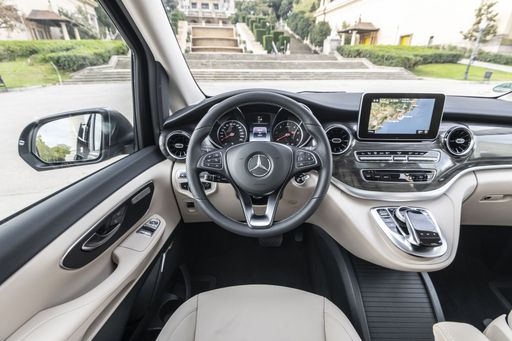
Both vehicles offer innovative solutions for passenger comfort and safety. The V-Class is renowned for its luxurious interiors, packed with high-quality materials and modern technological integrations. It embraces Mercedes-Benz’s commitment to comfort with features like adjustable seating configurations and entertainment systems, creating an atmosphere of luxury and sophistication.

The Zafira Life, although more utilitarian, incorporates a range of driver-assist technologies and infotainment options to enhance the travel experience. Its electric powertrain keeps the cabin quiet, contributing to a peaceful and serene environment, particularly on longer journeys.

V Class

Conclusion: Choosing Your Ideal Bus

Deciding between the Mercedes V-Class and the Vauxhall Zafira Life boils down to individual priorities. For those inclined towards luxury, performance, and traditional powertrains, the V-Class is a compelling choice. Meanwhile, if sustainability, cost-efficiency, and a higher seating capacity are driving your decision, the Zafira Life emerges as the superior alternative. Both models bring significant attributes to the table, ensuring that whatever your choice, quality and innovation are guaranteed. Ultimately, it is a decision between opulence and progressivism, each with its unique forte.

Here’s where it gets real: The technical differences in detail

Zafira Life

Costs and Efficiency:

Price and efficiency are often the first things buyers look at. Here it becomes clear which model has the long-term edge – whether at the pump, the plug, or in purchase price.

Vauxhall Zafira Life is clearly cheaper – starting at 36,000 £ , while the Mercedes V Class costs 48,200 £ . That’s a price difference of around 12,173 £.

Both cars consume an average of 7.1 L/100km – no difference here.

V Class

Engine and Performance:

Under the bonnet, it becomes clear which model is tuned for sportiness and which one takes the lead when you hit the accelerator.

When it comes to engine power, the Mercedes V Class offers clearly more power – delivering 237 HP compared to 180 HP. That’s roughly 57 HP more horsepower.

When accelerating from 0 to 100 km/h, the Mercedes V Class is considerably quicker – completing the sprint in 7.4 s, while the Vauxhall Zafira Life takes 10.6 s. That’s about 3.2 s quicker.

There’s also a difference in torque: the Mercedes V Class delivers moderately more torque with 500 Nm compared to 400 Nm. That’s about 100 Nm more.

Zafira Life

Space and Everyday Use:

Beyond pure performance, interior space and usability matter most in daily life. This is where you see which car is more practical and versatile.

Seats: Vauxhall Zafira Life offers more seats – 8 vs 6.

In terms of curb weight, Vauxhall Zafira Life is a bit lighter – 1,953 kg compared to 2,192 kg. The difference is around 239 kg.

When it comes to payload, the Vauxhall Zafira Life carries marginally more – 914 kg compared to 908 kg. That’s a difference of about 6 kg.

Who wins the race in the data check?

The Vauxhall Zafira Life is decisively ahead in the objective data comparison.
This result only shows which model scores more points on paper – not which of the two cars feels right for you.

from £36,000
Zafira Life

Vauxhall Zafira Life

  • Engine Type : Electric, Diesel
  • Transmission : Automatic
  • Drive Type : Front-Wheel Drive
  • Power HP : 136 - 180 HP
  • Consumption L/100km : 7.1 L/100km
  • Consumption kWh/100km : 24.7 - 24.8 kWh/100km
  • Electric Range : 220 - 347 km
Vauxhall Zafira Life
Mercedes V Class

Costs and Consumption

View detailed analysis

Engine and Performance

View detailed analysis

Dimensions and Body

View detailed analysis

Vauxhall Zafira Life

The Opel Zafira Life is a practical, no-nonsense people carrier that wraps flexible space and family-friendly features into a tidy, grown-up package. It’s comfy on long runs, easy to live with day to day, and wears its van roots with surprising style — the kind of sensible buy that still manages to smile.

details

Mercedes V Class

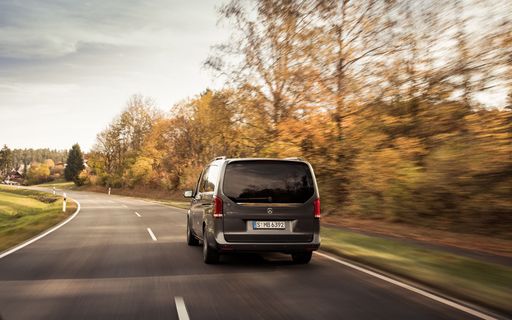
The V‑Class is the grown-up people mover that blends executive-level comfort with van practicality, ideal for those who want to ferry family and gear without sacrificing luxury. Inside it's plush and flexible, with clever touches that turn long hauls into a comfortable commute and still manage to look serious on the school run.

details
Vauxhall Zafira Life
Mercedes V Class

Costs and Consumption

Price
36,000 - 53,200 £
Price
48,200 - 83,300 £
Consumption L/100km
7.1 L/100km
Consumption L/100km
7.1 - 10.2 L/100km
Consumption kWh/100km
24.7 - 24.8 kWh/100km
Consumption kWh/100km
-
Electric Range
220 - 347 km
Electric Range
-
Battery Capacity
-
Battery Capacity
-
co2
0 - 186 g/km
co2
187 - 232 g/km
Fuel tank capacity
-
Fuel tank capacity
-

Dimensions and Body

Body Type
Bus
Body Type
Bus
Seats
8
Seats
6
Doors
5
Doors
-
Curb weight
1,953 - 2,240 kg
Curb weight
2,192 - 2,464 kg
Trunk capacity
0 L
Trunk capacity
-
Length
4,981 - 5,331 mm
Length
-
Width
2,010 mm
Width
1,928 mm
Height
1,890 mm
Height
-
Max trunk capacity
4,200 - 4,900 L
Max trunk capacity
-
Payload
850 - 914 kg
Payload
636 - 908 kg

Engine and Performance

Engine Type
Electric, Diesel
Engine Type
Diesel, Petrol
Transmission
Automatic
Transmission
Automatic
Transmission Detail
Reduction Gearbox, Automatic Gearbox
Transmission Detail
Automatic Gearbox
Drive Type
Front-Wheel Drive
Drive Type
Rear-Wheel Drive, All-Wheel Drive
Power HP
136 - 180 HP
Power HP
163 - 237 HP
Acceleration 0-100km/h
10.6 - 14.3 s
Acceleration 0-100km/h
7.4 - 10.7 s
Max Speed
130 km/h
Max Speed
-
Torque
260 - 400 Nm
Torque
370 - 500 Nm
Number of Cylinders
4
Number of Cylinders
4
Power kW
100 - 132 kW
Power kW
120 - 174 kW
Engine capacity
2,184 cm3
Engine capacity
1,950 - 1,999 cm3

General

Model Year
2,024 - 2,025
Model Year
2025
CO2 Efficiency Class
A, G
CO2 Efficiency Class
G
Brand
Vauxhall
Brand
Mercedes-Benz
DriveDuel uses data analysis and artificial intelligence to evaluate vehicle data and create content. Content is regularly reviewed and improved. The displayed prices are estimates based on German list prices, adjusted to the respective country’s VAT. Country-specific registration taxes are not included. This information is not legally binding.