
 Deutschland
 France
 Nederland
 Great Britain
 Sverige
 Danmark
 Suomi
Suomi Italia
 Polska
 España
VS
Peugeot 508 vs Tesla Model S comparison
Compare performance (360 HP vs 1,020 HP), boot space and price (44,600 £ vs 94,300 £ ) at a glance. Find out which car is the better choice for you – Peugeot 508 or Tesla Model S?
508
Costs and Efficiency:
Looking at overall running costs, both models reveal some interesting differences in everyday economy.
Peugeot 508 is clearly cheaper – starting at 44,600 £ , while the Tesla Model S costs 94,300 £ . That’s a price difference of around 49,706 £.
As for electric range, the Tesla Model S offers substantially more range – reaching up to 744 km, about 689 km more than the Peugeot 508.
Model S
Engine and Performance:
Power, torque and acceleration say a lot about how a car feels on the road. This is where you see which model delivers more driving dynamics.
When it comes to engine power, the Tesla Model S offers clearly more power – delivering 1,020 HP compared to 360 HP. That’s roughly 660 HP more horsepower.
When accelerating from 0 to 100 km/h, the Tesla Model S is clearly quicker – completing the sprint in 2.1 s, while the Peugeot 508 takes 5.2 s. That’s about 3.1 s quicker.
Looking at top speed, the Tesla Model S is noticeably faster – reaching 322 km/h, while the Peugeot 508 tops out at 250 km/h. The difference is around 72 km/h.
508
Space and Everyday Use:
Cabin size, boot volume and payload all play a role in everyday practicality. Here, comfort and flexibility make the difference.
Both vehicles offer seating for 5 people.
In terms of curb weight, Peugeot 508 is moderately lighter – 1,811 kg compared to 2,092 kg. The difference is around 281 kg.
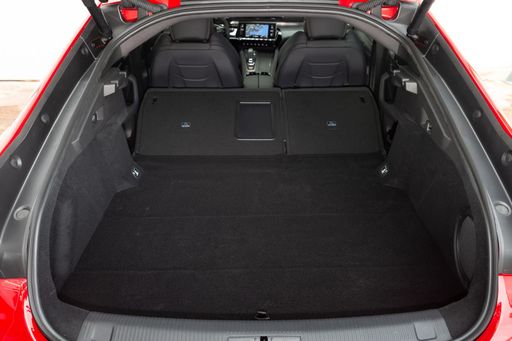
Looking at boot space, the Tesla Model S offers clearly more boot space – 799 L compared to 487 L. That’s a difference of about 312 L.
For maximum load capacity, the Tesla Model S offers a bit more capacity – up to 1,828 L, about 291 L more than the Peugeot 508.
When it comes to payload, the Peugeot 508 carries barely more – 469 kg compared to 442 kg. That’s a difference of about 27 kg.
Who wins the race in the data check?
The Tesla Model S is clearly superior overall in the objective data comparison.
This result only shows which model scores more points on paper – not which of the two cars feels right for you.
from £94,300
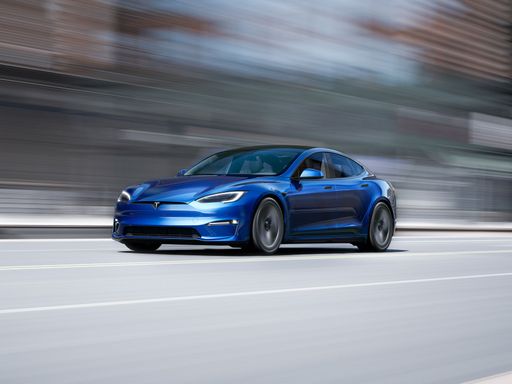
Tesla Model S
Peugeot 508
Tesla Model S
Costs and Consumption
View detailed analysis
View detailed analysis
Engine and Performance
View detailed analysis
View detailed analysis
Dimensions and Body
View detailed analysis
View detailed analysis
Peugeot 508
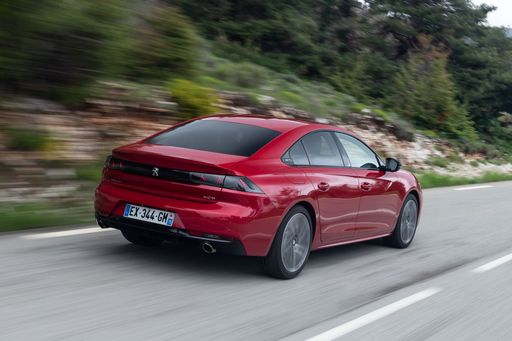
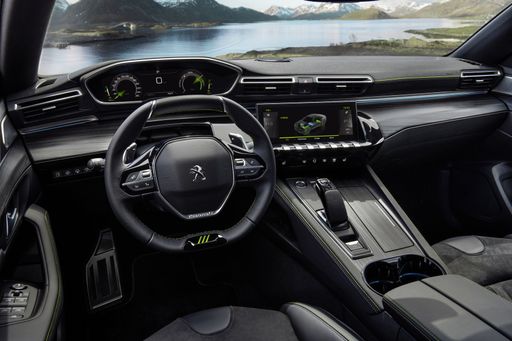
The Peugeot 508 turns heads with a low-slung, almost coupe-like silhouette and a cabin that feels grown-up and surprisingly premium for the money. On the road it balances comfort and poise with a playful edge, making it a convincing choice for buyers who want something stylish and sensible without shouting for attention.
details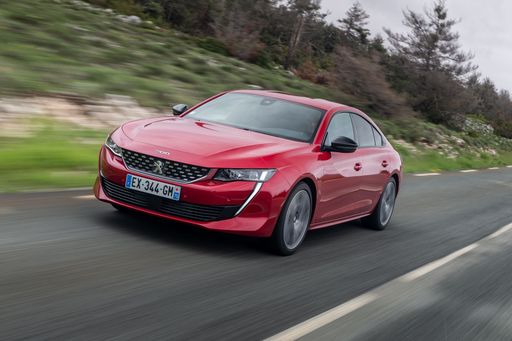
Tesla Model S
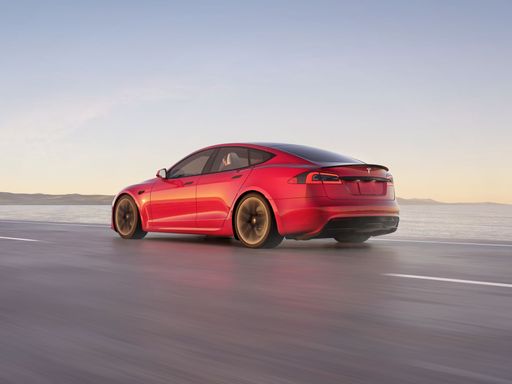
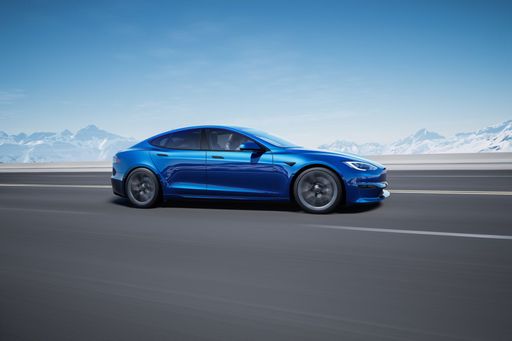
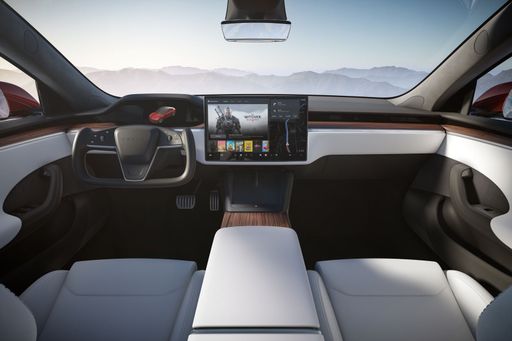
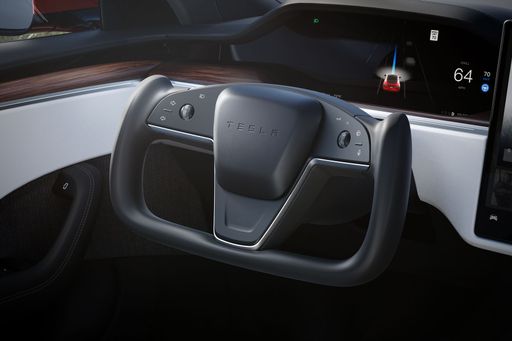
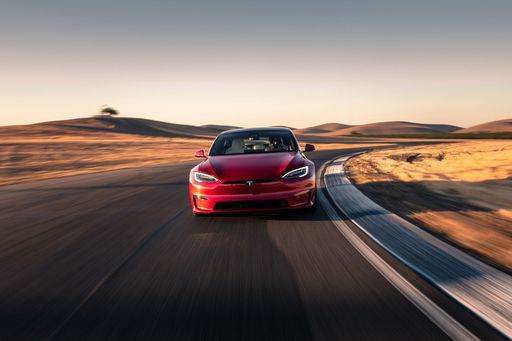
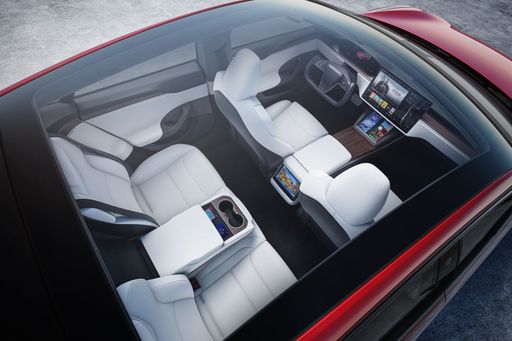
The Tesla Model S glides like a luxury sedan from the future, delivering instant shove and serene highway composure that make it feel equally at home on a rush-hour commute or a long-distance cruise. Inside, its minimalist cabin and gadget-forward interface turn every drive into a tech demo, making it as much a statement piece as a practical choice — and one that still manages to feel a little bit magical.
details
Peugeot 508
Tesla Model S
Costs and Consumption |
|
|---|---|
|
Price
44,600 - 60,800 £
|
Price
94,300 - 102,800 £
|
|
Consumption L/100km
1.6 - 2 L/100km
|
Consumption L/100km
-
|
|
Consumption kWh/100km
-
|
Consumption kWh/100km
16.8 - 18 kWh/100km
|
|
Electric Range
46 - 55 km
|
Electric Range
611 - 744 km
|
|
Battery Capacity
-
|
Battery Capacity
-
|
|
co2
36 - 45 g/km
|
co2
0 g/km
|
|
Fuel tank capacity
43 L
|
Fuel tank capacity
-
|
Dimensions and Body |
|
|---|---|
|
Body Type
Hatchback
|
Body Type
Hatchback
|
|
Seats
5
|
Seats
5
|
|
Doors
5
|
Doors
5
|
|
Curb weight
1,811 - 1,941 kg
|
Curb weight
2,092 - 2,197 kg
|
|
Trunk capacity
487 L
|
Trunk capacity
799 L
|
|
Length
4,750 mm
|
Length
5,021 mm
|
|
Width
1,859 mm
|
Width
1,987 mm
|
|
Height
1,403 mm
|
Height
1,431 mm
|
|
Max trunk capacity
1,537 L
|
Max trunk capacity
1,828 L
|
|
Payload
379 - 469 kg
|
Payload
432 - 442 kg
|
Engine and Performance |
|
|---|---|
|
Engine Type
Plugin Hybrid
|
Engine Type
Electric
|
|
Transmission
Automatic
|
Transmission
Automatic
|
|
Transmission Detail
Automatic Gearbox
|
Transmission Detail
Reduction Gearbox
|
|
Drive Type
Front-Wheel Drive, All-Wheel Drive
|
Drive Type
All-Wheel Drive
|
|
Power HP
180 - 360 HP
|
Power HP
670 - 1,020 HP
|
|
Acceleration 0-100km/h
5.2 - 8.2 s
|
Acceleration 0-100km/h
2.1 - 3.2 s
|
|
Max Speed
230 - 250 km/h
|
Max Speed
240 - 322 km/h
|
|
Torque
360 - 520 Nm
|
Torque
-
|
|
Number of Cylinders
4
|
Number of Cylinders
-
|
|
Power kW
133 - 265 kW
|
Power kW
493 - 750 kW
|
|
Engine capacity
1,598 cm3
|
Engine capacity
-
|
General |
|
|---|---|
|
Model Year
2,024
|
Model Year
2,025
|
|
CO2 Efficiency Class
B
|
CO2 Efficiency Class
A
|
|
Brand
Peugeot
|
Brand
Tesla
|
DriveDuel uses data analysis and artificial intelligence to evaluate vehicle data and create content. Content is regularly reviewed and improved.
The displayed prices are estimates based on German list prices, adjusted to the respective country’s VAT. Country-specific registration taxes are not included. This information is not legally binding.