VS

Peugeot 3008 vs Peugeot 508 comparison

Compare performance (325 HP vs 360 HP), boot space and price (35,100 £ vs 44,600 £ ) at a glance. Find out which car is the better choice for you – Peugeot 3008 or Peugeot 508?

Peugeot 3008 vs Peugeot 508: Key differences

Peugeot 3008

3.4 (4 Reviews)
rate
  • noticeably cheaper
  • clearly more electric range
  • barely lighter
  • barely more trunk space

Peugeot 508

4.9 (2 Reviews)
rate
  • very slightly more power
  • considerably more efficient
  • moderately quicker 0–100 km/h

All details on performance, efficiency, range and trunk space can be found in the technical comparison below – including user reviews for both models.

3008

Introduction: The Battle of Peugeot's Icons

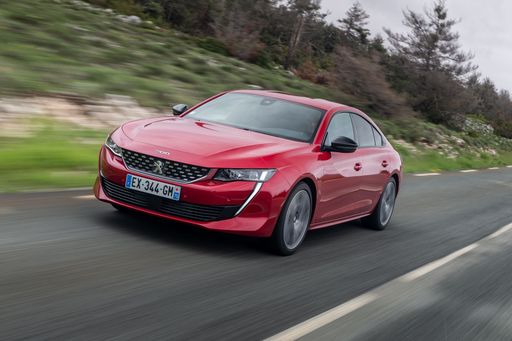
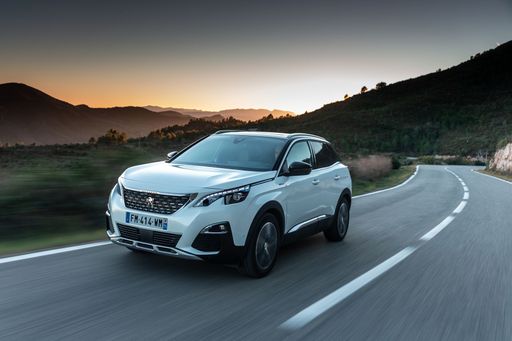
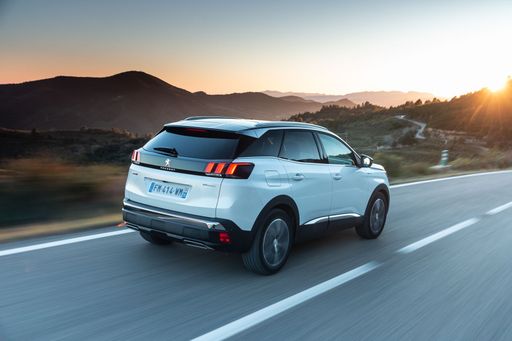
The Peugeot 3008 and 508 represent two sides of the French automaker's design and engineering prowess. While the 3008 is an SUV that caters to those who crave versatility and practicality, the 508 is a sleek hatchback that embodies sporty elegance and dynamic performance. In this comparison, we delve into the technical aspects and innovations of both models to determine which one suits your driving needs best.
508

Engine Options and Performance

The Peugeot 3008 offers a variety of engine options, featuring petrol MHEV, plug-in hybrid, and electric powertrains. It boasts power outputs ranging from 136 HP to an impressive 231 HP. Depending on the variant, it can accelerate from 0-100 km/h in as little as 8.4 seconds, making it a robust contender in the SUV segment.

On the other hand, the Peugeot 508 is designed for performance enthusiasts. With its plugin hybrid engine options, the 508 generates between 180 HP to a staggering 360 HP, achieving 0-100 km/h in just 5.2 seconds for the most powerful variant. The 508's advanced engineering is evident in its ability to reach a maximum speed of 250 km/h, outpacing the 3008's top speed of 220 km/h in most configurations.

3008

Fuel Efficiency and Emissions

When it comes to fuel consumption, the Peugeot 3008 showcases impressive efficiency across its powertrains. The petrol MHEV variant can achieve up to 5.7 L/100 km, while the electric models exhibit even lower consumption rates, with emissions as low as 0 g/km.

The 508, however, takes eco-friendliness to a new level, particularly with its plug-in hybrid systems that can return between 1.3 to 2.0 L/100 km. With CO2 emissions ranging from just 30 g/km to 45 g/km, the 508 stands out as an environmentally conscious choice without sacrificing performance.

508

Dimensions and Practicality

In terms of dimensions, the 3008 is slightly larger with a length of 4542 mm, width of 1895 mm, and height of 1641 mm. The SUV offers a spacious trunk capacity of 520 liters, making it ideal for families or those needing extra cargo space.

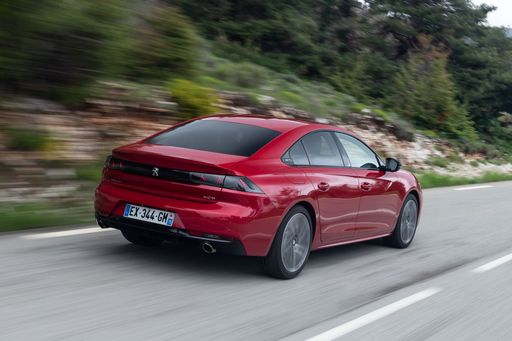
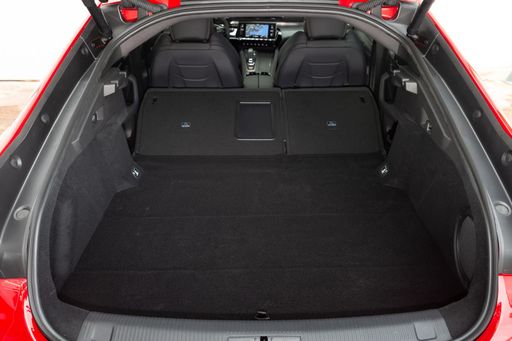
Conversely, the 508 is more compact at 4750 mm long and 1859 mm wide but offers a respectable trunk capacity of 487 liters. The lower height of 1403 mm enhances its sporty profile, making it a visually appealing option for urban driving.

3008

Interior and Technology Innovations

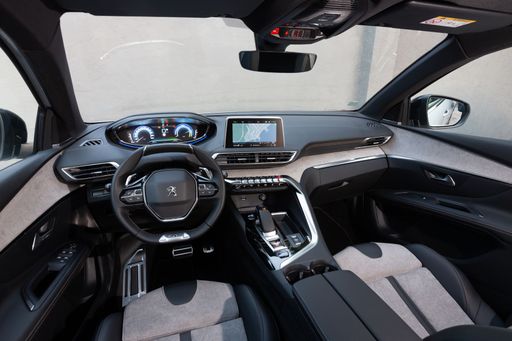
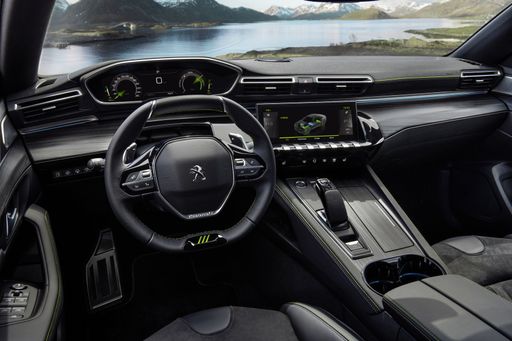
Both models showcase Peugeot's innovative approach to interior design and technology. The 3008 features a well-appointed cabin with a modern i-Cockpit layout, including an advanced touchscreen that integrates seamlessly with its smart connectivity features.

The 508, on the other hand, takes a more driver-centric approach with luxurious materials and cutting-edge technology. Its digital cockpit amplifies the driving experience with intuitive controls and infotainment systems. Both vehicles offer a suite of safety features, including advanced driver-assist systems that enhance road safety.

508

Conclusion: Which One Should You Choose?

The choice between the Peugeot 3008 and 508 ultimately depends on your lifestyle and driving preferences. If you prioritize space, practicality, and versatility, the 3008 is a clear winner. Conversely, if you seek a sophisticated driving experience coupled with performance and efficiency, the 508 stands out as an alluring option. Both vehicles embody Peugeot's commitment to innovation and quality, making them excellent choices in their respective segments.

Here’s where it gets real: The technical differences in detail

3008

Costs and Efficiency:

Price and efficiency are key factors when choosing a car – and this is often where the real differences emerge.

Peugeot 3008 is noticeably cheaper – starting at 35,100 £ , while the Peugeot 508 costs 44,600 £ . That’s a price difference of around 9,429 £.

Fuel consumption also shows a difference: the Peugeot 508 uses 1.6 L/100km and is considerably more efficient than the Peugeot 3008 with 2.4 L/100km. The difference is about 0.8 L/100km.

As for electric range, the Peugeot 3008 offers clearly more range – reaching up to 698 km, about 643 km more than the Peugeot 508.

508

Engine and Performance:

Under the bonnet, it becomes clear which model is tuned for sportiness and which one takes the lead when you hit the accelerator.

When it comes to engine power, the Peugeot 508 offers very slightly more power – delivering 360 HP compared to 325 HP. That’s roughly 35 HP more horsepower.

When accelerating from 0 to 100 km/h, the Peugeot 508 is moderately quicker – completing the sprint in 5.2 s, while the Peugeot 3008 takes 6 s. That’s about 0.8 s quicker.

Looking at top speed, the Peugeot 508 is a bit faster – reaching 250 km/h, while the Peugeot 3008 tops out at 201 km/h. The difference is around 49 km/h.

There’s also a difference in torque: the Peugeot 508 delivers only slightly more torque with 520 Nm compared to 511 Nm. That’s about 9 Nm more.

3008

Space and Everyday Use:

Beyond pure performance, interior space and usability matter most in daily life. This is where you see which car is more practical and versatile.

Both vehicles offer seating for 5 people.

In terms of curb weight, Peugeot 3008 is barely lighter – 1,648 kg compared to 1,811 kg. The difference is around 163 kg.

Looking at boot space, the Peugeot 3008 offers barely more boot space – 520 L compared to 487 L. That’s a difference of about 33 L.

For maximum load capacity, the Peugeot 508 offers marginally more capacity – up to 1,537 L, about 57 L more than the Peugeot 3008.

When it comes to payload, the Peugeot 508 carries barely more – 469 kg compared to 467 kg. That’s a difference of about 2 kg.

Who wins the race in the data check?

The Peugeot 3008 is far ahead overall in the objective data comparison.
This result only shows which model scores more points on paper – not which of the two cars feels right for you.

from £35,100
3008

Peugeot 3008

  • Engine Type : Electric, Petrol MHEV, Plugin Hybrid
  • Transmission : Automatic
  • Drive Type : Front-Wheel Drive, All-Wheel Drive
  • Power HP : 145 - 325 HP
  • Consumption L/100km : 2.4 - 5.4 L/100km
  • Consumption kWh/100km : 16.9 - 17.6 kWh/100km
  • Electric Range : 81 - 698 km
Peugeot 3008
Peugeot 508

Costs and Consumption

View detailed analysis

Engine and Performance

View detailed analysis

Dimensions and Body

View detailed analysis

Peugeot 3008

The Peugeot 3008 blends bold French styling with a surprisingly grown-up interior that makes even dull commutes feel a little bit special. Practical enough for family life yet lively to drive, it’s a clever all‑rounder that stands out from the crossover crowd without shouting for attention.

details

Peugeot 508

The Peugeot 508 turns heads with a low-slung, almost coupe-like silhouette and a cabin that feels grown-up and surprisingly premium for the money. On the road it balances comfort and poise with a playful edge, making it a convincing choice for buyers who want something stylish and sensible without shouting for attention.

details
Peugeot 3008
Peugeot 508

Costs and Consumption

Price
35,100 - 52,000 £
Price
44,600 - 60,800 £
Consumption L/100km
2.4 - 5.4 L/100km
Consumption L/100km
1.6 - 2 L/100km
Consumption kWh/100km
16.9 - 17.6 kWh/100km
Consumption kWh/100km
-
Electric Range
81 - 698 km
Electric Range
46 - 55 km
Battery Capacity
0.4 - 96.9 kWh
Battery Capacity
-
co2
0 - 121 g/km
co2
36 - 45 g/km
Fuel tank capacity
55 L
Fuel tank capacity
43 L

Dimensions and Body

Body Type
SUV
Body Type
Hatchback
Seats
5
Seats
5
Doors
5
Doors
5
Curb weight
1,648 - 2,266 kg
Curb weight
1,811 - 1,941 kg
Trunk capacity
470 - 520 L
Trunk capacity
487 L
Length
4,542 mm
Length
4,750 mm
Width
1,895 mm
Width
1,859 mm
Height
1,641 mm
Height
1,403 mm
Max trunk capacity
1,430 - 1,480 L
Max trunk capacity
1,537 L
Payload
432 - 467 kg
Payload
379 - 469 kg

Engine and Performance

Engine Type
Electric, Petrol MHEV, Plugin Hybrid
Engine Type
Plugin Hybrid
Transmission
Automatic
Transmission
Automatic
Transmission Detail
Reduction Gearbox, Dual-Clutch Automatic
Transmission Detail
Automatic Gearbox
Drive Type
Front-Wheel Drive, All-Wheel Drive
Drive Type
Front-Wheel Drive, All-Wheel Drive
Power HP
145 - 325 HP
Power HP
180 - 360 HP
Acceleration 0-100km/h
6 - 10.2 s
Acceleration 0-100km/h
5.2 - 8.2 s
Max Speed
170 - 201 km/h
Max Speed
230 - 250 km/h
Torque
230 - 511 Nm
Torque
360 - 520 Nm
Number of Cylinders
3 - 4
Number of Cylinders
4
Power kW
107 - 239 kW
Power kW
133 - 265 kW
Engine capacity
1,199 - 1,598 cm3
Engine capacity
1,598 cm3

General

Model Year
2,024 - 2,026
Model Year
2,024
CO2 Efficiency Class
A, D, B
CO2 Efficiency Class
B
Brand
Peugeot
Brand
Peugeot
DriveDuel uses data analysis and artificial intelligence to evaluate vehicle data and create content. Content is regularly reviewed and improved. The displayed prices are estimates based on German list prices, adjusted to the respective country’s VAT. Country-specific registration taxes are not included. This information is not legally binding.