VS

Peugeot 3008 vs Renault Austral comparison

Compare performance (325 HP vs 148 HP), boot space and price (36,800 £ vs 29,900 £ ) at a glance. Find out which car is the better choice for you – Peugeot 3008 or Renault Austral?

Peugeot 3008 vs Renault Austral: Key differences

Peugeot 3008

3.5 (6 Reviews)
rate
  • clearly more power
  • significantly more efficient
  • considerably quicker 0–100 km/h
details

Renault Austral

4.9 (5 Reviews)
rate
  • clearly cheaper
  • only slightly lighter
  • only slightly more trunk space
details

All details on performance, efficiency, range and trunk space can be found in the technical comparison below – including user reviews for both models.

By Achim Sedelmaier

3008

Head-to-head: Peugeot 3008 vs Renault Austral in the compact SUV ring

Peugeot 3008 vs Renault Austral is the tidy headline you want when comparing two contenders in the compact SUV class, and this page is built for that exact decision. If you’re searching for a clear compact SUV comparison that separates character from cash, these two offer very different answers to the same brief. The Peugeot 3008 leans into a styled, driver-focused persona while the Renault Austral aims for easy-living practicality, and that contrast is the story buyers care about. Read on to cut through showroom polish and understand which one actually suits your everyday life and taste.
Austral

Attitude: city sharpener or calm cruiser?

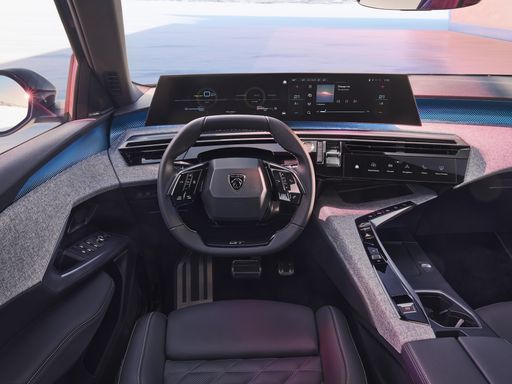
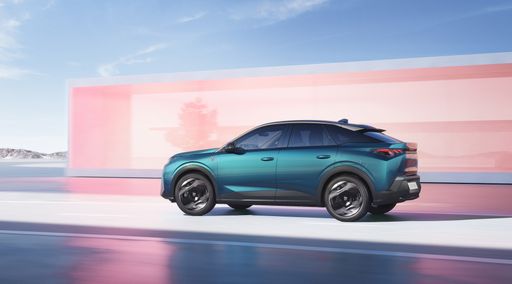
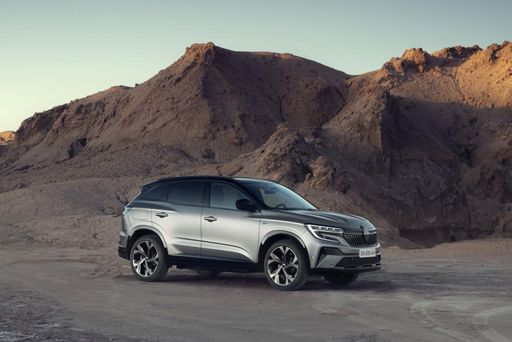
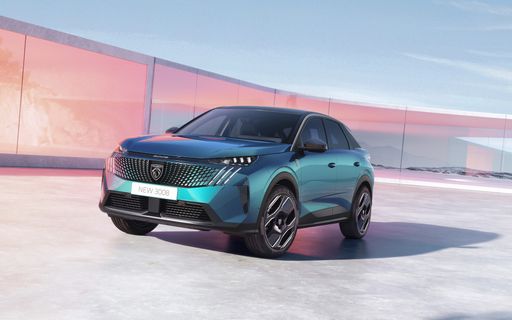
The Peugeot 3008 projects attitude — crisp lines, a compact cockpit feel and a suspension that hints at engagement over indulgence, giving it a more athletic stance in traffic. By contrast the Renault Austral prefers to be diplomatic: softer styling cues, a composed ride and an interior that feels aimed at smoothing daily friction rather than provoking smiles. That difference in temperament is immediate in the driver’s seat — the 3008 wants you to feel involved, the Austral wants you to arrive relaxed. Pick your vibe: expressive and slightly sporty, or understated and comfort-first.

3008

Everyday life: who clunks in the school run, who thrills on the motorway?

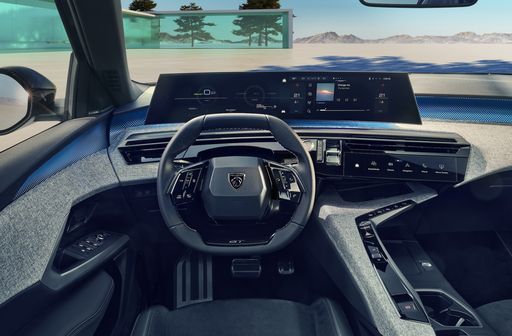
For daily duties the Renault Austral shows its strengths with easy access, a cushioned ride and cabin ergonomics that put functionality first, making it a sensible companion for school runs and grocery hauls. The Peugeot 3008, meanwhile, makes routine driving feel a touch more premium and focussed, with a cockpit that prioritises driver engagement and a road manners profile that rewards twistier routes. Both handle family tasks, but the Austral trades a bit of character for a calmer, more practical package while the 3008 keeps the driver entertained on longer runs. If cargo shuffling, simple controls and relaxed cruising matter most, Austral nudges ahead; if you value steering feel and a tauter chassis, the 3008 will be more satisfying day-to-day.

Austral

Buying it for the badge, the looks, or the logic?

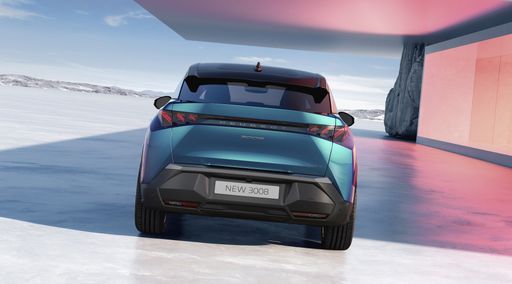
If image and interior refinement are top of your list, the Peugeot 3008 makes for a persuasive statement: it looks distinct and wears its details like a tailored jacket, which matters if you like arriving in something with presence. The Renault Austral answers a different kind of confidence — one that’s practical, budget-aware and quietly competent, appealing if you want to justify your choice on everyday sense rather than showroom glam. Both cars give you a story to tell: the 3008 reads as aspirational and designed, the Austral as reasoned and domestically sensible. Choose the story you want to tell every time you leave the driveway.

3008

Who should seriously consider the Peugeot 3008?

The Peugeot 3008 is a strong match for buyers who lean toward the Design/Brand and Tech archetypes — people who value cabin flair, a driver-focused feel and gadgetry that feels modern. If you appreciate sharp styling, a cockpit that feels curated and a car that rewards enthusiastic driving, the 3008 fits that bill far better than the more reserved Renault Austral. It’s for shoppers who want their compact SUV to reflect personality and who will enjoy the way it drives as much as the way it looks. If that’s you, the 3008 will make the commute feel intentional rather than incidental.

Austral

Who should seriously consider the Renault Austral (and why the 3008 still matters)?

The Renault Austral suits the Rational and Pragmatist buyer archetypes — think people who prioritise sensible packaging, an agreeable ride and lower fuss in daily use over headline-grabbing style. If you need a straightforward family car that makes life easier, the Austral’s calm demeanour and practical focus will be persuasive next to the more characterful Peugeot 3008. That said, if driver enjoyment or a stronger design statement ranks high on your list, the 3008 remains the persuasive alternative to test-drive. Read the detailed delta below to see how the numbers line up and which trade-offs matter most for your daily miles.

Here’s where it gets real: The technical differences in detail

3008

Costs and Efficiency:

Looking at overall running costs, both models reveal some interesting differences in everyday economy.

Renault Austral is clearly cheaper – starting at 29,900 £ , while the Peugeot 3008 costs 36,800 £ . That’s a price difference of around 6,900 £.

Fuel consumption also shows a difference: the Peugeot 3008 uses 2.4 L/100km and is significantly more efficient than the Renault Austral with 6.4 L/100km. The difference is about 4 L/100km.

Austral

Engine and Performance:

Power, torque and acceleration are the classic benchmarks for car enthusiasts – and here, some clear differences start to show.

When it comes to engine power, the Peugeot 3008 offers clearly more power – delivering 325 HP compared to 148 HP. That’s roughly 177 HP more horsepower.

When accelerating from 0 to 100 km/h, the Peugeot 3008 is considerably quicker – completing the sprint in 6 s, while the Renault Austral takes 9.9 s. That’s about 3.9 s quicker.

There’s also a difference in torque: the Peugeot 3008 delivers considerably more torque with 511 Nm compared to 270 Nm. That’s about 241 Nm more.

3008

Space and Everyday Use:

Cabin size, boot volume and payload all play a role in everyday practicality. Here, comfort and flexibility make the difference.

Both vehicles offer seating for 5 people.

In terms of curb weight, Renault Austral is only slightly lighter – 1,548 kg compared to 1,648 kg. The difference is around 100 kg.

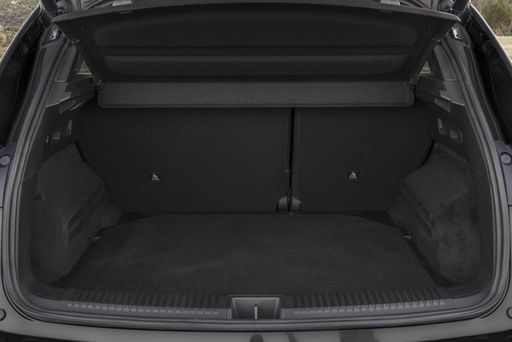
Looking at boot space, the Renault Austral offers only slightly more boot space – 555 L compared to 520 L. That’s a difference of about 35 L.

When it comes to payload, the Peugeot 3008 carries very slightly more – 467 kg compared to 455 kg. That’s a difference of about 12 kg.

Who wins the race in the data check?

The Peugeot 3008 is clearly superior overall in the objective data comparison.
This result only shows which model scores more points on paper – not which of the two cars feels right for you.

from £36,800
3008

Peugeot 3008

  • Engine Type Electric, Petrol MHEV, Plugin Hybrid
  • Transmission Automatic
  • Drive Type Front-Wheel Drive, All-Wheel Drive
  • Power HP 145 - 325 HP
  • Consumption L/100km 2.4 - 5.3 L/100km
  • Consumption kWh/100km 16.9 - 17.4 kWh/100km
  • Electric Range 81 - 698 km
Peugeot 3008
Renault Austral

Costs and Consumption

View detailed analysis

Engine and Performance

View detailed analysis

Dimensions and Body

View detailed analysis

Peugeot 3008

The Peugeot 3008 blends striking, modern styling with a comfortable, well-appointed interior that feels more premium than its class. It's practical and composed on the road, with clever storage and driver-focused tech that make it an easy choice for everyday family life or longer, relaxed drives.

details

Renault Austral

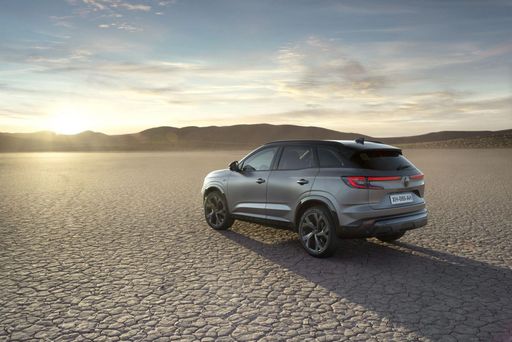
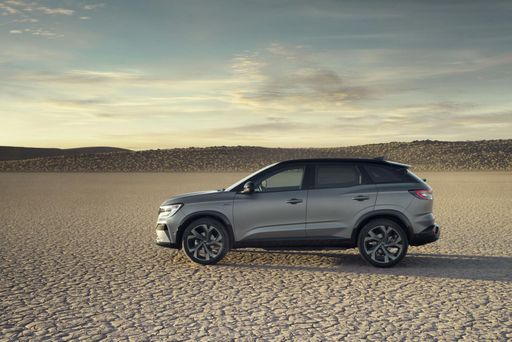
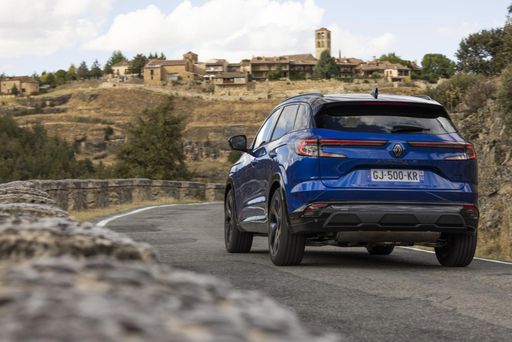
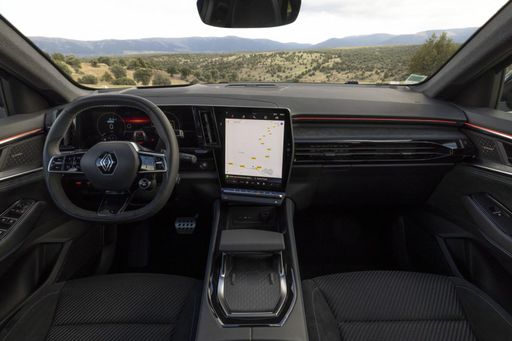
The Renault Austral is a stylish, well-built crossover that blends a comfortable ride with a spacious, modern cabin. It combines everyday-friendly refinement and contemporary technology with a focus on safety and practicality, making it a sensible choice for drivers who want an all-round family car.

details
Peugeot 3008
Renault Austral

Costs and Consumption

Price
36,800 - 52,200 £
Price
29,900 - 34,100 £
Consumption L/100km
2.4 - 5.3 L/100km
Consumption L/100km
6.4 L/100km
Consumption kWh/100km
16.9 - 17.4 kWh/100km
Consumption kWh/100km
-
Electric Range
81 - 698 km
Electric Range
-
Battery Capacity
-
Battery Capacity
-
co2
0 - 121 g/km
co2
145 g/km
Fuel tank capacity
-
Fuel tank capacity
-

Dimensions and Body

Body Type
SUV
Body Type
SUV
Seats
5
Seats
5
Doors
-
Doors
-
Curb weight
1,648 - 2,266 kg
Curb weight
1,548 kg
Trunk capacity
470 - 520 L
Trunk capacity
555 L
Length
-
Length
-
Width
1,895 mm
Width
1,825 mm
Height
-
Height
-
Max trunk capacity
-
Max trunk capacity
-
Payload
432 - 467 kg
Payload
455 kg

Engine and Performance

Engine Type
Electric, Petrol MHEV, Plugin Hybrid
Engine Type
Petrol MHEV
Transmission
Automatic
Transmission
Automatic
Transmission Detail
Reduction Gearbox, Dual-Clutch Automatic
Transmission Detail
CVT
Drive Type
Front-Wheel Drive, All-Wheel Drive
Drive Type
Front-Wheel Drive
Power HP
145 - 325 HP
Power HP
148 HP
Acceleration 0-100km/h
6 - 10.2 s
Acceleration 0-100km/h
9.9 s
Max Speed
-
Max Speed
-
Torque
230 - 511 Nm
Torque
270 Nm
Number of Cylinders
3 - 4
Number of Cylinders
4
Power kW
107 - 239 kW
Power kW
109 kW
Engine capacity
1,199 - 1,598 cm3
Engine capacity
1,332 cm3

General

Model Year
2,024 - 2,026
Model Year
2025
CO2 Efficiency Class
A, D, B
CO2 Efficiency Class
E
Brand
Peugeot
Brand
Renault
DriveDuel uses data analysis and artificial intelligence to evaluate vehicle data and create content. Content is regularly reviewed and improved. The displayed prices are estimates based on German list prices, adjusted to the respective country’s VAT. Country-specific registration taxes are not included. This information is not legally binding.