VS

Ford Kuga vs Renault Austral comparison

Compare performance (243 HP vs 148 HP), boot space and price (34,200 £ vs 29,900 £ ) at a glance. Find out which car is the better choice for you – Ford Kuga or Renault Austral?

Ford Kuga vs Renault Austral: Key differences

Ford Kuga

4.2 (6 Reviews)
rate
  • visibly more power
  • clearly more efficient
  • visibly quicker 0–100 km/h
  • very slightly lighter
details

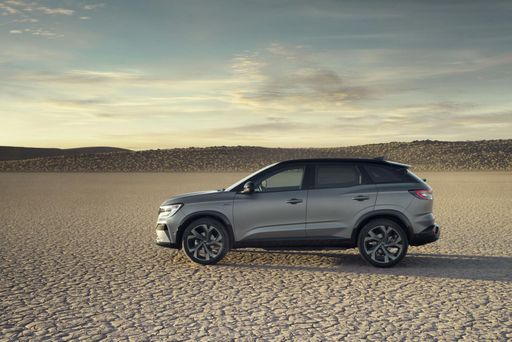
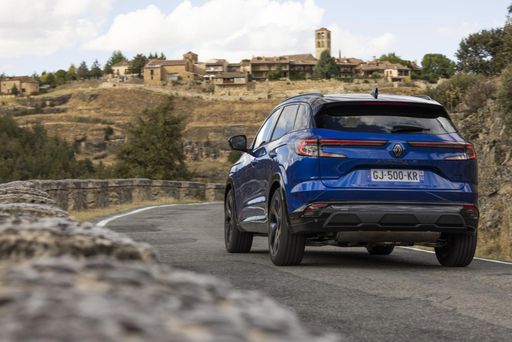
Renault Austral

4.9 (5 Reviews)
rate
  • slightly cheaper
details

All details on performance, efficiency, range and trunk space can be found in the technical comparison below – including user reviews for both models.

By Achim Sedelmaier

Kuga

Ford Kuga VS Renault Austral — first look and what this matchup means

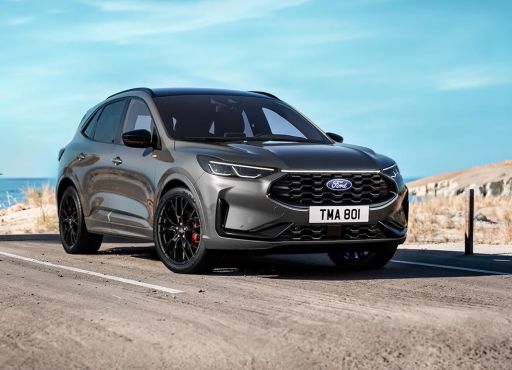
Ford Kuga and Renault Austral sit on the same compact‑SUV stage but play very different roles: the Kuga leans toward driver engagement and plug‑in efficiency, while the Austral pushes modern infotainment, perceived quality and everyday frugality without a cable. The Kuga feels like a car that rewards those who enjoy steering precision and brisk throttle response, whereas the Austral feels smarter and calmer in the cockpit thanks to its software and materials. Price and running‑cost logic also diverge: one asks you to buy into electrified driving, the other promises low real‑world fuel use without charging. Read on for the practical contrasts that actually matter to buyers, not spec sheets.
Austral

Character and driving feeling — who enjoys the drive more?

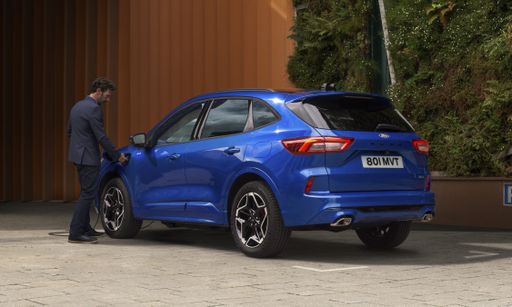
The Ford Kuga makes itself known with a direct, confident steering setup and a taut chassis that invites cornering and active driving; it rewards anyone who enjoys an SUV that behaves a bit like a hatchback. The Renault Austral is agile in town thanks to its rear‑wheel steering option and light, easy steering, but it doesn’t deliver the same communicative feel through the wheel that the Kuga does. Where Kuga’s hybrid systems can sound or feel busy under heavy acceleration, the Austral’s hybrid can feel hesitant during shifts and shows its engine note on the motorway. So pick the Kuga if you value driver engagement and stronger shove, choose the Austral if you prefer a calmer, more composed trade‑off for everyday driving.

Kuga

Cabin, technology and perceived quality — which feels nicer inside?

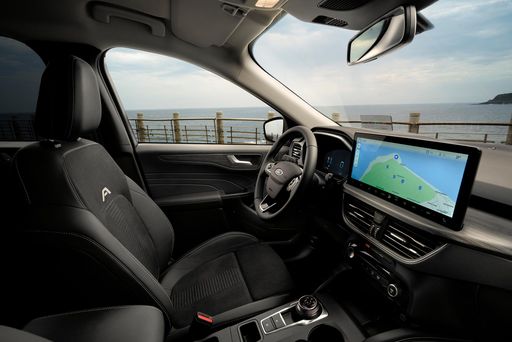
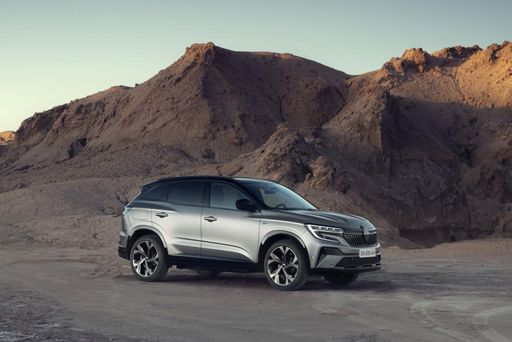
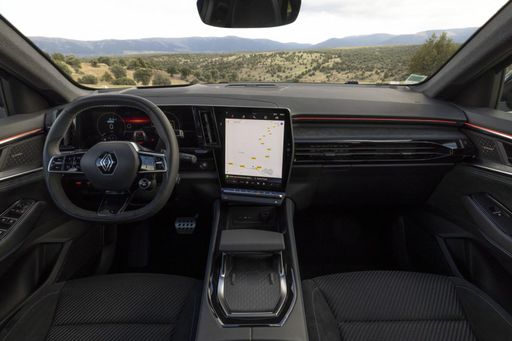
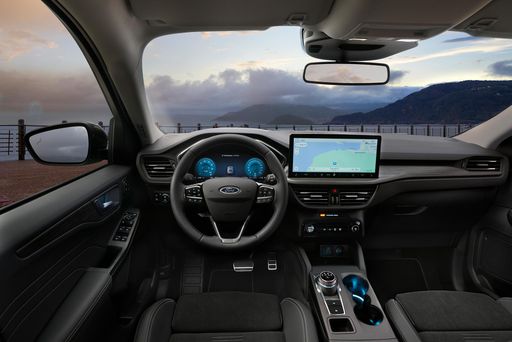
Inside, the Renault Austral generally feels the more upmarket choice: materials are more refined and its Google‑powered infotainment is fast, logical and integrated, which gives a refreshingly modern daily experience. The Ford Kuga counters with a large Sync screen and very capable connectivity, but its cabin finishes are more functional and the touch‑only climate controls can be annoying on the move. In practice that means the Austral will impress visitors and owners who care about tactile quality and instant‑use tech, while the Kuga will suit buyers who prioritise clear screens and pragmatic layout over plushness. Either way, the two cabins deliver different atmospheres — one polished and tech‑forward, the other driver‑focused and utilitarian.

Austral

Comfort and long‑distance behavior — who wins the motorway mile?

On long runs the Ford Kuga’s composure at steady speeds feels reassuring: low wind and road noise help it cruise comfortably, though firmer suspension settings can fatigue on poorly surfaced roads. The Renault Austral offers comfortable, well‑contoured front seats and a relaxed ride in urban and mixed use, but wind noise and a buzzy engine become noticeable at sustained motorway speeds. That makes the Kuga a slightly better companion for long, quiet highway journeys if you prioritise serenity, whereas the Austral is kinder on shorter tours and frequent stop‑start commutes where its seat comfort and tech shine. Both have trade‑offs: Kuga’s firmer ride vs Austral’s higher acoustic load at speed.

Kuga

Practicality and family usability — everyday cargo and rear‑seat life

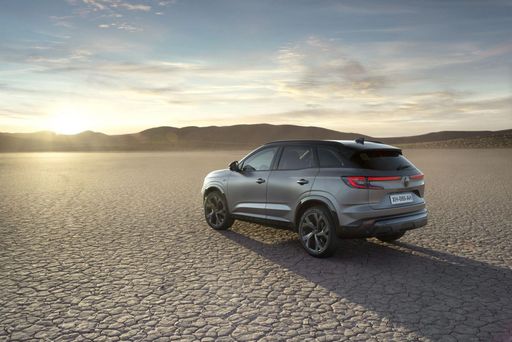
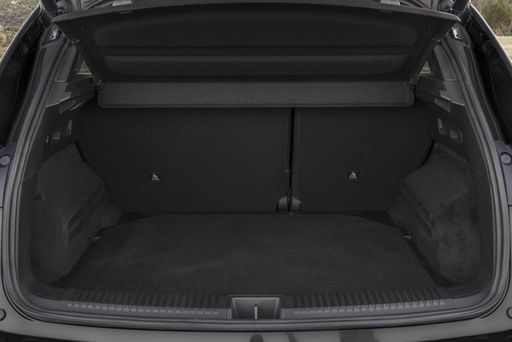
For family duties the Ford Kuga scores with a genuinely flexible rear bench that slides to balance luggage and legroom, and the cabin layout is geared toward usable storage and straightforward loading. The Renault Austral also offers a variable rear seat and sensible storage, but its hybrid packaging tends to trim boot space and presents a higher load lip and stepped floor in certain versions. In real life that means a Kuga can feel more adaptable for mixed family errands or longer trips when you need rear legroom or oddly shaped cargo, while the Austral suits couples or small families who want clean cabin ergonomics and can live with a tighter boot. Consider how often you haul large loads — that’s where the difference becomes obvious.

Austral

City friendliness, buyer fit and who should read the technical page next

In the city the Renault Austral’s small turning circle and slick infotainment give it an edge for parking, navigation and everyday convenience, plus it tends to be cheaper to buy if you don’t plan to charge. The Ford Kuga is very city‑capable too — excellent forward visibility and strong low‑speed efficiency in its hybrid modes — but it makes most sense where you can exploit plug‑in benefits or want a sportier driving character. If you’re a commuter with home or workplace charging, enjoy engaging handling and need rear‑seat versatility, the Ford Kuga will likely match your priorities; if you prize cabin tech, perceived quality, maneuverability and a lower purchase price, the Renault Austral is the more natural fit. The technical comparison that follows will unpack the drivetrains, consumption and space trade‑offs so you can see how those buyer‑level conclusions map onto real figures.

Here’s where it gets real: The technical differences in detail

Kuga

Costs and Efficiency:

When it comes to price and running costs, the biggest differences usually appear. This is often where you see which car fits your budget better in the long run.

Renault Austral is slightly cheaper – starting at 29,900 £ , while the Ford Kuga costs 34,200 £ . That’s a price difference of around 4,328 £.

Fuel consumption also shows a difference: the Ford Kuga uses 2.8 L/100km and is clearly more efficient than the Renault Austral with 6.4 L/100km. The difference is about 3.6 L/100km.

Austral

Engine and Performance:

Power, torque and acceleration say a lot about how a car feels on the road. This is where you see which model delivers more driving dynamics.

When it comes to engine power, the Ford Kuga offers visibly more power – delivering 243 HP compared to 148 HP. That’s roughly 95 HP more horsepower.

When accelerating from 0 to 100 km/h, the Ford Kuga is visibly quicker – completing the sprint in 7.3 s, while the Renault Austral takes 9.9 s. That’s about 2.6 s quicker.

There’s also a difference in torque: the Renault Austral delivers moderately more torque with 270 Nm compared to 240 Nm. That’s about 30 Nm more.

Kuga

Space and Everyday Use:

Cabin size, boot volume and payload all play a role in everyday practicality. Here, comfort and flexibility make the difference.

Both vehicles offer seating for 5 people.

In terms of curb weight, Ford Kuga is very slightly lighter – 1,526 kg compared to 1,548 kg. The difference is around 22 kg.

When it comes to payload, the Ford Kuga carries moderately more – 550 kg compared to 455 kg. That’s a difference of about 95 kg.

Who wins the race in the data check?

The Ford Kuga stands well ahead of its rival in the objective data comparison.
This result only shows which model scores more points on paper – not which of the two cars feels right for you.

from £34,200
Kuga

Ford Kuga

  • Engine Type Petrol, Full Hybrid, Plugin Hybrid
  • Transmission Manuel, Automatic
  • Drive Type Front-Wheel Drive, All-Wheel Drive
  • Power HP 150 - 243 HP
  • Consumption L/100km 2.8 - 6.8 L/100km
  • Electric Range 68 km
Ford Kuga
Renault Austral

Costs and Consumption

View detailed analysis

Engine and Performance

View detailed analysis

Dimensions and Body

View detailed analysis

Ford Kuga

The Ford Kuga is a practical and comfortable compact SUV that balances everyday usability with a composed ride and adaptable interior. It offers sensible tech and safety features, making it a solid choice for families or anyone seeking a versatile, easy-to-live-with crossover.

details

Renault Austral

The Renault Austral is a stylish, well-built crossover that blends a comfortable ride with a spacious, modern cabin. It combines everyday-friendly refinement and contemporary technology with a focus on safety and practicality, making it a sensible choice for drivers who want an all-round family car.

details
Ford Kuga
Renault Austral

Costs and Consumption

Price
34,200 - 46,300 £
Price
29,900 - 34,100 £
Consumption L/100km
2.8 - 6.8 L/100km
Consumption L/100km
6.4 L/100km
Consumption kWh/100km
-
Consumption kWh/100km
-
Electric Range
68 km
Electric Range
-
Battery Capacity
-
Battery Capacity
-
co2
55 - 154 g/km
co2
145 g/km
Fuel tank capacity
-
Fuel tank capacity
-

Dimensions and Body

Body Type
SUV
Body Type
SUV
Seats
5
Seats
5
Doors
-
Doors
-
Curb weight
1,526 - 1,859 kg
Curb weight
1,548 kg
Trunk capacity
-
Trunk capacity
555 L
Length
-
Length
-
Width
1,882 mm
Width
1,825 mm
Height
-
Height
-
Max trunk capacity
-
Max trunk capacity
-
Payload
541 - 550 kg
Payload
455 kg

Engine and Performance

Engine Type
Petrol, Full Hybrid, Plugin Hybrid
Engine Type
Petrol MHEV
Transmission
Manuel, Automatic
Transmission
Automatic
Transmission Detail
Manual Gearbox, CVT, Automatic Gearbox
Transmission Detail
CVT
Drive Type
Front-Wheel Drive, All-Wheel Drive
Drive Type
Front-Wheel Drive
Power HP
150 - 243 HP
Power HP
148 HP
Acceleration 0-100km/h
7.3 - 9.9 s
Acceleration 0-100km/h
9.9 s
Max Speed
-
Max Speed
-
Torque
240 Nm
Torque
270 Nm
Number of Cylinders
3 - 4
Number of Cylinders
4
Power kW
111 - 178 kW
Power kW
109 kW
Engine capacity
1,496 - 2,488 cm3
Engine capacity
1,332 cm3

General

Model Year
2025
Model Year
2025
CO2 Efficiency Class
E, D, B
CO2 Efficiency Class
E
Brand
Ford
Brand
Renault
DriveDuel uses data analysis and artificial intelligence to evaluate vehicle data and create content. Content is regularly reviewed and improved. The displayed prices are estimates based on German list prices, adjusted to the respective country’s VAT. Country-specific registration taxes are not included. This information is not legally binding.