VS

Peugeot 2008 vs Peugeot 3008 comparison

Compare performance (156 HP vs 325 HP), boot space and price (24,800 £ vs 35,100 £ ) at a glance. Find out which car is the better choice for you – Peugeot 2008 or Peugeot 3008?

Peugeot 2008 vs Peugeot 3008: Key differences

Peugeot 2008

5 (1 Reviews)
rate
  • clearly cheaper
  • moderately more efficient
  • visibly lighter

Peugeot 3008

3.4 (4 Reviews)
rate
  • significantly more power
  • clearly more efficient
  • significantly more electric range
  • visibly quicker 0–100 km/h
  • slightly more trunk space

All details on performance, efficiency, range and trunk space can be found in the technical comparison below – including user reviews for both models.

2008

Peugeot 2008 vs. Peugeot 3008: A Battle of Compact SUVs

In the bustling market of compact SUVs, Peugeot presents two strong contenders: the Peugeot 2008 and the Peugeot 3008. These models are not just a testament to Peugeot's commitment to innovation and style, but they also cater to different audiences with varied needs. Let's dive deeper into the specifications and innovations that set these two apart.
3008

Elegance and Design

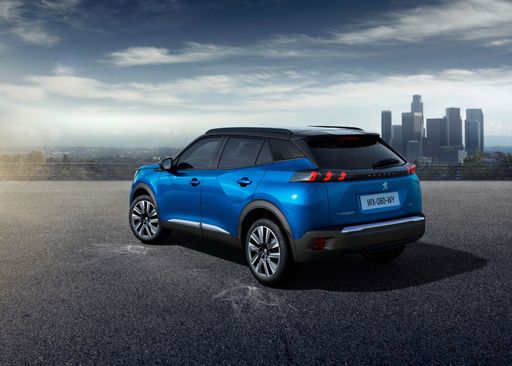
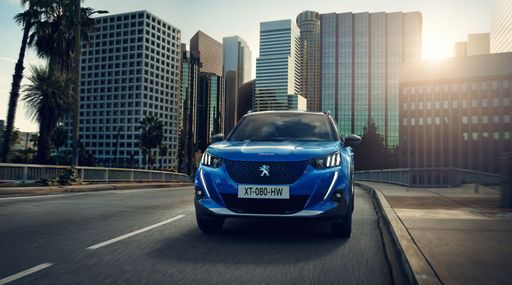
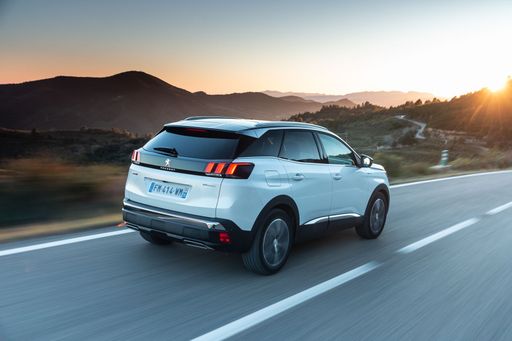
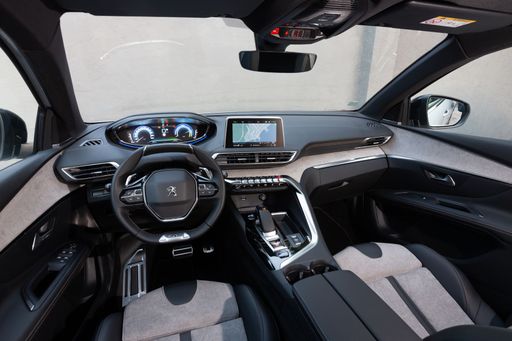
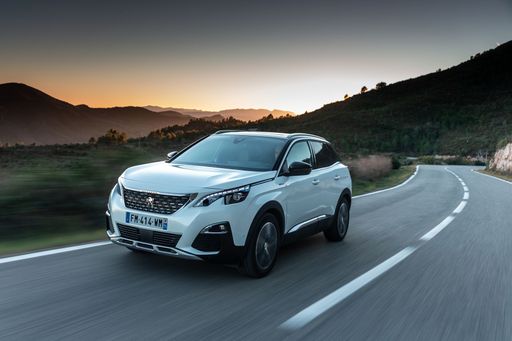
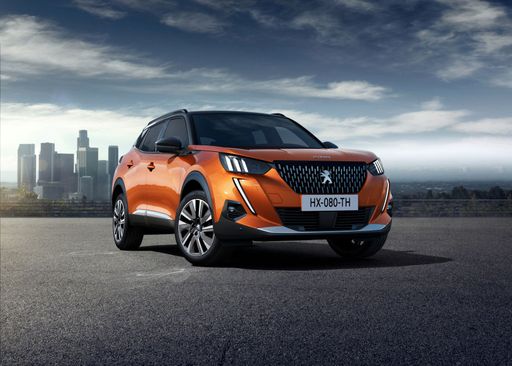
The Peugeot 2008 and the 3008 exude the iconic French flair for design. The 2008 is slightly more compact, measuring 4304 mm in length, 1770 mm in width, and 1523 mm in height. It is perfect for urban dwellers who prefer agility and ease of parking. On the other hand, the 3008 with its 4542 mm length, 1895 mm width, and 1641 mm height takes a more robust stance on the road, appealing to those seeking more space and presence.

2008

Power and Performance

When it comes to power, both models offer a range of engine types. The 2008 provides options for petrol and electric engines, with power outputs ranging from 101 HP to 156 HP. It features front-wheel drive across the variants, while its acceleration to 100 km/h ranges from 8.3 to 10.9 seconds, depending on the engine choice. The 3008 steps up with options including plug-in hybrids and electric, boasting a more powerful range from 195 HP to 325 HP and offering both front-wheel and all-wheel drive configurations.

3008

Efficiency and Sustainability

Sustainability has become a focal point in automotive design, and Peugeot has made commendable strides in this area. The Peugeot 2008 offers a pure electric variant with an impressive range of 406 km, while the engine choices maintain an efficient fuel consumption as low as 5 L/100km. The 3008, with its plug-in hybrid capacity, shines with a consumption rate of just 0.9 L/100km for the hybrid variant and a staggering pure electric range of up to 698 km, underscoring Peugeot's commitment to eco-friendliness.

2008

Interior and Comfort

Both vehicles seat five passengers comfortably, but the 3008 offers greater boot space at 520 liters compared to the 434 liters in the 2008, providing more room for family outings. The Peugeot 3008 is crafted for those who appreciate extra space without compromising on sophistication and comfort.

3008

Innovative Technology

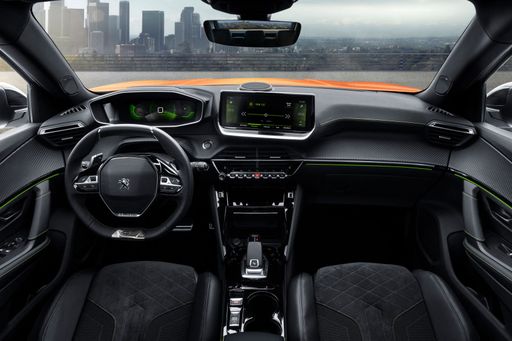
The innovation doesn’t stop at engines and design. Both models come with modern features such as an advanced infotainment system, driver assistance features, and adaptive cruise control. The 3008, being the larger model, tends to showcase more advanced technologies, reflecting its position as the slightly more premium option.

2008

Final Verdict

In conclusion, the Peugeot 2008 and 3008 cater to different needs while maintaining Peugeot's high standards of design and innovation. The 2008 is perfect for those looking for a compact, efficient vehicle with a touch of elegance, ideal for city driving. Meanwhile, the 3008 presents itself as a more spacious and powerful alternative, suitable for families or those desiring a more robust driving experience. Ultimately, whether you opt for the nimble 2008 or the bolder 3008, Peugeot ensures you drive away with style and substance.

Here’s where it gets real: The technical differences in detail

2008

Costs and Efficiency:

When it comes to price and running costs, the biggest differences usually appear. This is often where you see which car fits your budget better in the long run.

Peugeot 2008 is clearly cheaper – starting at 24,800 £ , while the Peugeot 3008 costs 35,100 £ . That’s a price difference of around 10,380 £.

Fuel consumption also shows a difference: the Peugeot 3008 uses 2.4 L/100km and is clearly more efficient than the Peugeot 2008 with 4.9 L/100km. The difference is about 2.5 L/100km.

In terms of energy consumption, the Peugeot 2008 is moderately more efficient: consuming 15.3 kWh/100km compared to 16.9 kWh/100km for the Peugeot 3008. That’s a difference of about 1.6 kWh/100km.

As for electric range, the Peugeot 3008 offers significantly more range – reaching up to 698 km, about 292 km more than the Peugeot 2008.

3008

Engine and Performance:

Power, torque and acceleration say a lot about how a car feels on the road. This is where you see which model delivers more driving dynamics.

When it comes to engine power, the Peugeot 3008 offers significantly more power – delivering 325 HP compared to 156 HP. That’s roughly 169 HP more horsepower.

When accelerating from 0 to 100 km/h, the Peugeot 3008 is visibly quicker – completing the sprint in 6 s, while the Peugeot 2008 takes 8.3 s. That’s about 2.3 s quicker.

Looking at top speed, the Peugeot 2008 is only slightly faster – reaching 206 km/h, while the Peugeot 3008 tops out at 201 km/h. The difference is around 5 km/h.

There’s also a difference in torque: the Peugeot 3008 delivers significantly more torque with 511 Nm compared to 270 Nm. That’s about 241 Nm more.

2008

Space and Everyday Use:

Beyond pure performance, interior space and usability matter most in daily life. This is where you see which car is more practical and versatile.

Both vehicles offer seating for 5 people.

In terms of curb weight, Peugeot 2008 is visibly lighter – 1,263 kg compared to 1,648 kg. The difference is around 385 kg.

Looking at boot space, the Peugeot 3008 offers slightly more boot space – 520 L compared to 434 L. That’s a difference of about 86 L.

For maximum load capacity, the Peugeot 3008 offers very slightly more capacity – up to 1,480 L, about 13 L more than the Peugeot 2008.

When it comes to payload, the Peugeot 3008 carries marginally more – 467 kg compared to 447 kg. That’s a difference of about 20 kg.

Who wins the race in the data check?

The Peugeot 3008 stands well ahead of its rival in the objective data comparison.
This result only shows which model scores more points on paper – not which of the two cars feels right for you.

from £35,100
3008

Peugeot 3008

  • Engine Type : Electric, Petrol MHEV, Plugin Hybrid
  • Transmission : Automatic
  • Drive Type : Front-Wheel Drive, All-Wheel Drive
  • Power HP : 145 - 325 HP
  • Consumption L/100km : 2.4 - 5.4 L/100km
  • Consumption kWh/100km : 16.9 - 17.6 kWh/100km
  • Electric Range : 81 - 698 km
Peugeot 2008
Peugeot 3008

Costs and Consumption

View detailed analysis

Engine and Performance

View detailed analysis

Dimensions and Body

View detailed analysis

Peugeot 2008

The Peugeot 2008 is a stylish, city-friendly crossover that packs big character into a compact package, turning mundane errands into a mildly entertaining drive. Its clever interior layout, polished looks and confident ride make it a smart choice for buyers who want practical daily sense with a touch of flair.

details

Peugeot 3008

The Peugeot 3008 blends bold French styling with a surprisingly grown-up interior that makes even dull commutes feel a little bit special. Practical enough for family life yet lively to drive, it’s a clever all‑rounder that stands out from the crossover crowd without shouting for attention.

details
Peugeot 2008
Peugeot 3008

Costs and Consumption

Price
24,800 - 40,400 £
Price
35,100 - 52,000 £
Consumption L/100km
4.9 - 5.7 L/100km
Consumption L/100km
2.4 - 5.4 L/100km
Consumption kWh/100km
15.3 - 15.5 kWh/100km
Consumption kWh/100km
16.9 - 17.6 kWh/100km
Electric Range
405 - 406 km
Electric Range
81 - 698 km
Battery Capacity
51 kWh
Battery Capacity
0.4 - 96.9 kWh
co2
0 - 129 g/km
co2
0 - 121 g/km
Fuel tank capacity
44 L
Fuel tank capacity
55 L

Dimensions and Body

Body Type
SUV
Body Type
SUV
Seats
5
Seats
5
Doors
5
Doors
5
Curb weight
1,263 - 1,623 kg
Curb weight
1,648 - 2,266 kg
Trunk capacity
434 L
Trunk capacity
470 - 520 L
Length
4,304 mm
Length
4,542 mm
Width
1,770 mm
Width
1,895 mm
Height
1,523 mm
Height
1,641 mm
Max trunk capacity
1,467 L
Max trunk capacity
1,430 - 1,480 L
Payload
407 - 447 kg
Payload
432 - 467 kg

Engine and Performance

Engine Type
Electric, Petrol MHEV, Petrol
Engine Type
Electric, Petrol MHEV, Plugin Hybrid
Transmission
Automatic, Manuel
Transmission
Automatic
Transmission Detail
Reduction Gearbox, Dual-Clutch Automatic, Manual Gearbox
Transmission Detail
Reduction Gearbox, Dual-Clutch Automatic
Drive Type
Front-Wheel Drive
Drive Type
Front-Wheel Drive, All-Wheel Drive
Power HP
101 - 156 HP
Power HP
145 - 325 HP
Acceleration 0-100km/h
8.3 - 10.9 s
Acceleration 0-100km/h
6 - 10.2 s
Max Speed
150 - 206 km/h
Max Speed
170 - 201 km/h
Torque
205 - 270 Nm
Torque
230 - 511 Nm
Number of Cylinders
3
Number of Cylinders
3 - 4
Power kW
74 - 115 kW
Power kW
107 - 239 kW
Engine capacity
1,199 cm3
Engine capacity
1,199 - 1,598 cm3

General

Model Year
2,023 - 2,026
Model Year
2,024 - 2,026
CO2 Efficiency Class
A, C, D
CO2 Efficiency Class
A, D, B
Brand
Peugeot
Brand
Peugeot
DriveDuel uses data analysis and artificial intelligence to evaluate vehicle data and create content. Content is regularly reviewed and improved. The displayed prices are estimates based on German list prices, adjusted to the respective country’s VAT. Country-specific registration taxes are not included. This information is not legally binding.