VS

Peugeot 2008 vs Peugeot 308 comparison

Compare performance (156 HP vs 195 HP), boot space and price (24,800 £ vs 29,200 £ ) at a glance. Find out which car is the better choice for you – Peugeot 2008 or Peugeot 308?

Peugeot 2008 vs Peugeot 308: Key differences

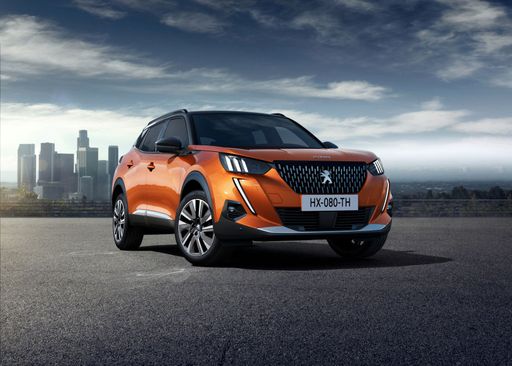
Peugeot 2008

5 (1 Reviews)
rate
  • moderately cheaper
  • very slightly more efficient
  • somewhat lighter
  • very slightly more trunk space
details

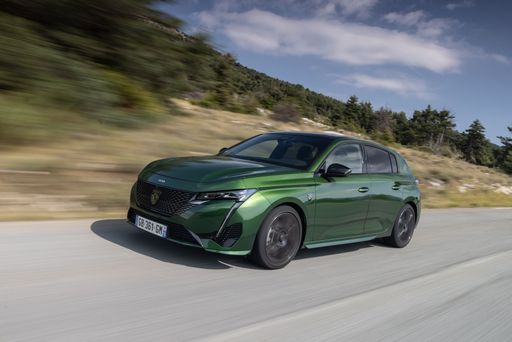
Peugeot 308

5 (2 Reviews)
rate
  • slightly more power
  • substantially more efficient
  • very slightly more electric range
  • very slightly quicker 0–100 km/h
details

By Achim Sedelmaier

2008

Peugeot 2008 VS Peugeot 308: the real-world choice

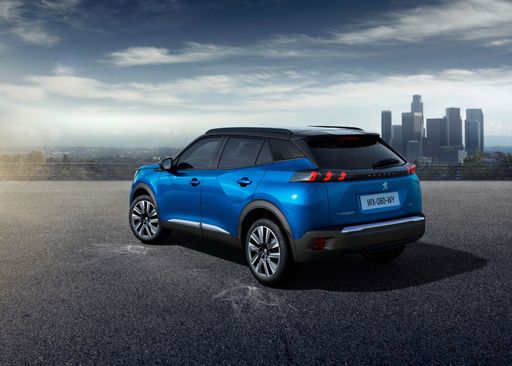
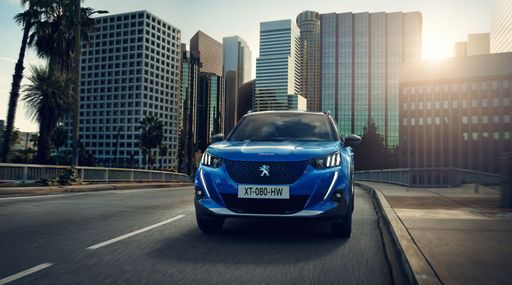
The Peugeot 2008 and Peugeot 308 sit close on price but feel very different in daily life. The 2008 is a compact SUV with an easygoing vibe, an airy stance, and a surprisingly useful boot, while the 308 is a low-slung hatch that majors on polish and quiet confidence. If your week is heavy on errands, parking garages, and mixed commutes, the 2008’s higher seating and friendly manners make it an instinctive fit. If you value hushed long trips, a more planted feel, and stronger power options, the 308 answers with a more grown-up drive. This comparison frames where each Peugeot suits you best before you dive into the details.
308

Character and drive: relaxed SUV vs composed hatch

The Peugeot 2008 steers light and calm, prioritizing ease over edge; it’s the one that unwinds city stress and takes country roads at an unhurried pace. The Peugeot 308 feels more secure and tied down, with a keener response that makes slip roads and flowing bends simpler and more confident. Both use Peugeot’s small-wheel, high-cluster layout, but the 308 translates it into a slightly more agile, mature drive while the 2008 stays comfort-first. Straight-line punch favors the 308, which also responds more assertively when you need a quick overtake. If driving enjoyment matters, the 308 has the upper hand; if low-effort serenity is your goal, the 2008 plays to that brief.

2008

Comfort and long-distance manners

For motorway calm, both Peugeots are impressively quiet, yet the Peugeot 308 goes a shade further with its settled body control and plush hush at speed. The Peugeot 2008 surprises for a small SUV, smoothing out long hauls better than expected, though it prefers a measured rhythm and smaller wheels. On efficiency, the 308’s engine range—with strong diesel and electric options—makes sustained mileage feel easy on fuel or charge, while the 2008’s mild-hybrid setup is sensibly frugal for mixed use. Frequent long-range drivers will appreciate the 308’s composure and stamina, whereas the 2008 is perfectly content with regular commutes and weekend trips. If you eye mostly motorways, the 308 simply feels more effortless over hours behind the wheel.

308

Cabin feel and ergonomics

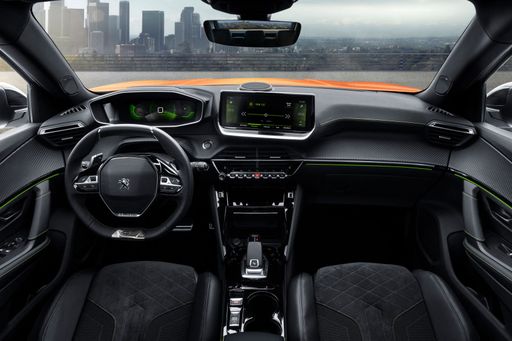
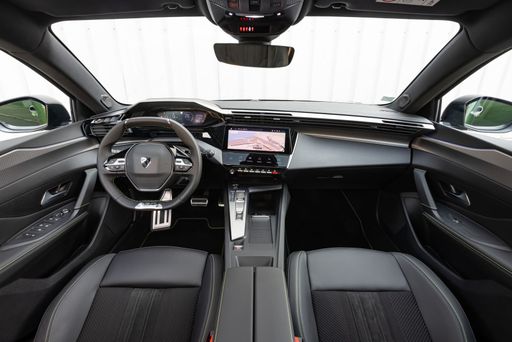
Both cabins look and feel upmarket, with bold design and materials that punch above class, yet they deliver a different mood. The Peugeot 308 is more cocooned and premium in tone, subtly conveying a step up in refinement; the Peugeot 2008 feels brighter and more lounge-like thanks to its SUV stance. The shared i-Cockpit can be magic for some and maddening for others, so test the driving position—taller drivers especially—because the wheel and dials relationship won’t suit every body shape. Touch-centric climate and menus can frustrate in both, even with shortcut tiles helping a little. If you want a rich, intimate cockpit, the 308 nails it; if you prefer an airier view out and a lighter ambiance, the 2008 is the better match.

2008

Space, usability, and city life

The Peugeot 2008 makes everyday practicality easy: a straightforward, well-shaped boot and a higher hip point that eases loading kids and cargo. Rear space is adequate rather than generous, but it’s still friendlier for family use than the Peugeot 308 hatch, whose back seat feels tighter for tall teens. In the 308, luggage room is fine for weekly life, though electrified versions eat into underfloor and trunk space; heavy haulers should look at the estate variant. Around town, both are compact and easy to place, yet the 2008’s ride height and light controls reduce the mental load in traffic and tight car parks. If your routine is school runs and supermarket sweeps, the 2008 is simply less fussy to live with day to day.

308

Costs, efficiency, and who should buy which

The Peugeot 2008 typically undercuts the 308 to buy and runs sensibly with the mild hybrid, making it a value-savvy pick for mixed driving. The Peugeot 308 asks more but gives back with stronger performance potential and notably better long-haul efficiency in the right spec. Choose the 2008 if you want SUV ease, a useful boot, and a calm demeanor that suits city-to-suburb living. Choose the 308 if you commute far, prize refinement and response, and prefer a hatch that feels a size more serious from behind the wheel. With those priorities set, the following technical comparison will help you lock in the version that best fits your budget and mileage.

Here’s where it gets real: The technical differences in detail

2008

Costs and Efficiency:

Looking at overall running costs, both models reveal some interesting differences in everyday economy.

Peugeot 2008 is moderately cheaper – starting at 24,800 £ , while the Peugeot 308 costs 29,200 £ . That’s a price difference of around 4,475 £.

Fuel consumption also shows a difference: the Peugeot 308 uses 2.3 L/100km and is substantially more efficient than the Peugeot 2008 with 4.9 L/100km. The difference is about 2.6 L/100km.

In terms of energy consumption, the Peugeot 2008 is very slightly more efficient: consuming 15.3 kWh/100km compared to 15.6 kWh/100km for the Peugeot 308. That’s a difference of about 0.3 kWh/100km.

As for electric range, the Peugeot 308 offers very slightly more range – reaching up to 450 km, about 45 km more than the Peugeot 2008.

308

Engine and Performance:

Power, torque and acceleration are the classic benchmarks for car enthusiasts – and here, some clear differences start to show.

When it comes to engine power, the Peugeot 308 offers slightly more power – delivering 195 HP compared to 156 HP. That’s roughly 39 HP more horsepower.

When accelerating from 0 to 100 km/h, the Peugeot 308 is very slightly quicker – completing the sprint in 7.6 s, while the Peugeot 2008 takes 8.3 s. That’s about 0.7 s quicker.

There’s also a difference in torque: the Peugeot 308 delivers barely more torque with 300 Nm compared to 270 Nm. That’s about 30 Nm more.

2008

Space and Everyday Use:

Whether family car or daily driver – which one offers more room, flexibility and comfort?

Both vehicles offer seating for 5 people.

In terms of curb weight, Peugeot 2008 is somewhat lighter – 1,263 kg compared to 1,453 kg. The difference is around 190 kg.

Looking at boot space, the Peugeot 2008 offers very slightly more boot space – 434 L compared to 412 L. That’s a difference of about 22 L.

When it comes to payload, the Peugeot 308 carries somewhat more – 503 kg compared to 447 kg. That’s a difference of about 56 kg.

Who wins the race in the data check?

The Peugeot 308 stands well ahead of its rival in the objective data comparison.
This result only shows which model scores more points on paper – not which of the two cars feels right for you.

from £29,200
308

Peugeot 308

  • Engine Type Petrol MHEV, Diesel, Plugin Hybrid, Electric
  • Transmission Automatic
  • Drive Type Front-Wheel Drive
  • Power HP 131 - 195 HP
  • Consumption L/100km 2.3 - 5.1 L/100km
  • Consumption kWh/100km 15.6 kWh/100km
  • Electric Range 81 - 450 km
Peugeot 2008
Peugeot 308

Costs and Consumption

View detailed analysis

Engine and Performance

View detailed analysis

Dimensions and Body

View detailed analysis

Peugeot 2008

The Peugeot 2008 is a compact crossover that blends sharp French styling with a practical, high-riding layout, giving it more presence and versatility than a typical small hatchback. Inside it offers a clever, user-friendly cabin with sensible storage and modern infotainment, while a composed ride and efficient powertrains make it well suited to both city errands and longer journeys.

details

Peugeot 308

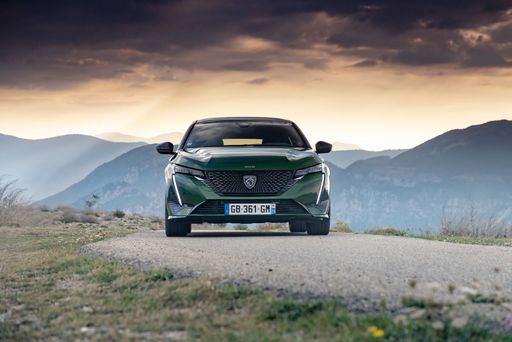
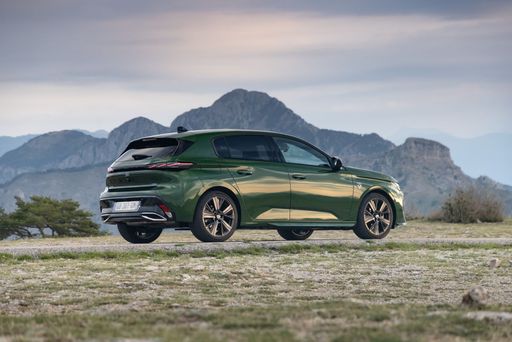
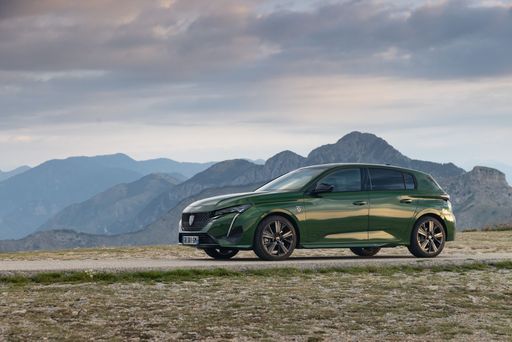
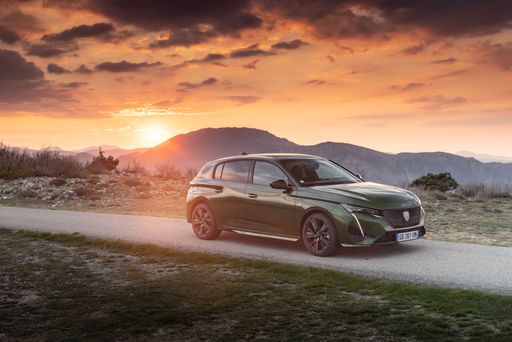
The Peugeot 308 brings a sleek, feline profile and an unexpectedly upscale cabin, with clever packaging and materials that feel a touch more premium than you might expect. It’s composed on the road, easy to live with for daily life, and a smart choice if you want a stylish hatch that still behaves when the road gets interesting.

details
Peugeot 2008
Peugeot 308

Costs and Consumption

Price
24,800 - 40,400 £
Price
29,200 - 42,600 £
Consumption L/100km
4.9 - 5.7 L/100km
Consumption L/100km
2.3 - 5.1 L/100km
Consumption kWh/100km
15.3 kWh/100km
Consumption kWh/100km
15.6 kWh/100km
Electric Range
405 km
Electric Range
81 - 450 km
Battery Capacity
-
Battery Capacity
-
co2
0 - 129 g/km
co2
0 - 133 g/km
Fuel tank capacity
-
Fuel tank capacity
-

Dimensions and Body

Body Type
SUV
Body Type
Hatchback
Seats
5
Seats
5
Doors
-
Doors
-
Curb weight
1,263 - 1,623 kg
Curb weight
1,453 - 1,749 kg
Trunk capacity
434 L
Trunk capacity
314 - 412 L
Length
-
Length
-
Width
1,770 mm
Width
1,852 mm
Height
-
Height
-
Max trunk capacity
-
Max trunk capacity
-
Payload
407 - 447 kg
Payload
430 - 503 kg

Engine and Performance

Engine Type
Petrol MHEV, Electric, Petrol
Engine Type
Petrol MHEV, Diesel, Plugin Hybrid, Electric
Transmission
Automatic, Manuel
Transmission
Automatic
Transmission Detail
Dual-Clutch Automatic, Reduction Gearbox, Manual Gearbox
Transmission Detail
Dual-Clutch Automatic, Automatic Gearbox, Reduction Gearbox
Drive Type
Front-Wheel Drive
Drive Type
Front-Wheel Drive
Power HP
101 - 156 HP
Power HP
131 - 195 HP
Acceleration 0-100km/h
8.3 - 10.9 s
Acceleration 0-100km/h
7.6 - 10.6 s
Max Speed
-
Max Speed
-
Torque
205 - 270 Nm
Torque
230 - 300 Nm
Number of Cylinders
3
Number of Cylinders
3 - 4
Power kW
74 - 115 kW
Power kW
96 - 143 kW
Engine capacity
1,199 cm3
Engine capacity
1,199 - 1,598 cm3

General

Model Year
2,025 - 2,026
Model Year
2,025 - 2,026
CO2 Efficiency Class
C, A, D
CO2 Efficiency Class
C, D, B, A
Brand
Peugeot
Brand
Peugeot
DriveDuel uses data analysis and artificial intelligence to evaluate vehicle data and create content. Content is regularly reviewed and improved. The displayed prices are estimates based on German list prices, adjusted to the respective country’s VAT. Country-specific registration taxes are not included. This information is not legally binding.