VS

Peugeot 308 vs Peugeot 408 comparison

Compare performance (195 HP vs 225 HP), boot space and price (29,200 £ vs 35,100 £ ) at a glance. Find out which car is the better choice for you – Peugeot 308 or Peugeot 408?

Peugeot 308 vs Peugeot 408: Key differences

Peugeot 308

5 (1 Reviews)
rate
  • visibly cheaper
  • moderately more efficient
  • marginally lighter

Peugeot 408

4.9 (1 Reviews)
rate
  • somewhat more power
  • barely more efficient
  • barely more electric range
  • only slightly quicker 0–100 km/h
  • clearly more trunk space

All details on performance, efficiency, range and trunk space can be found in the technical comparison below – including user reviews for both models.

308

Peugeot 308 vs Peugeot 408: A Battle of Elegance and Innovation

With Peugeot's latest offerings, the Peugeot 308 and 408, the French automaker caters to different customer preferences, blending traditional hatchback appeal with modern SUV versatility. As both models showcase stylish designs, advanced technology, and robust performance, we delve into their distinct characteristics to help potential buyers make an informed choice.

408

Design and Dimensions

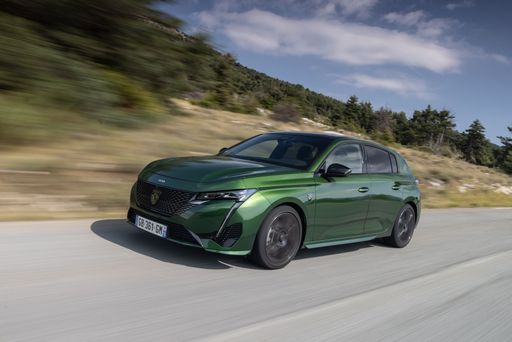
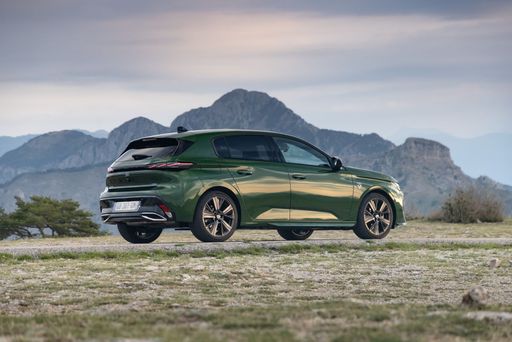
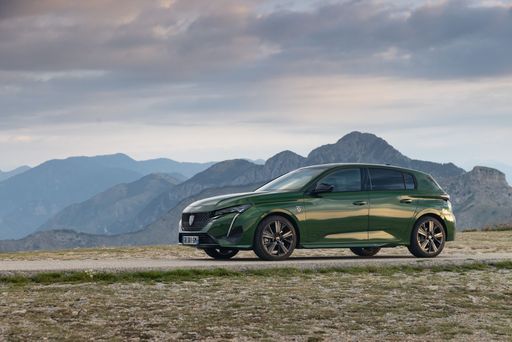
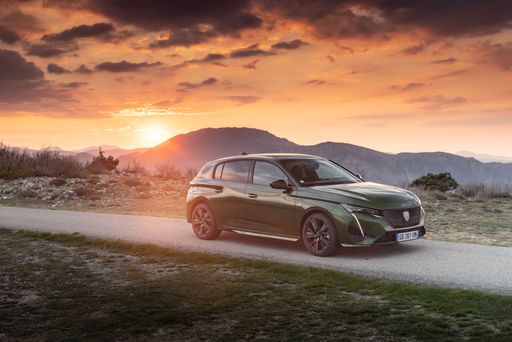
The Peugeot 308 maintains the classic allure of a compact hatchback. With a length of 4,367 mm, a width of 1,852 mm, and a height of 1,441 mm, it offers a compact yet spacious environment for urban commuting. It features a trunk capacity of 412 liters, making it a practical choice for everyday needs.

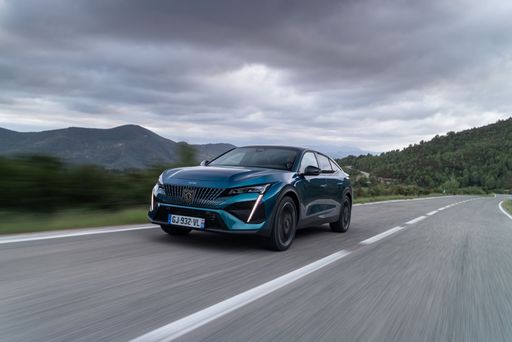
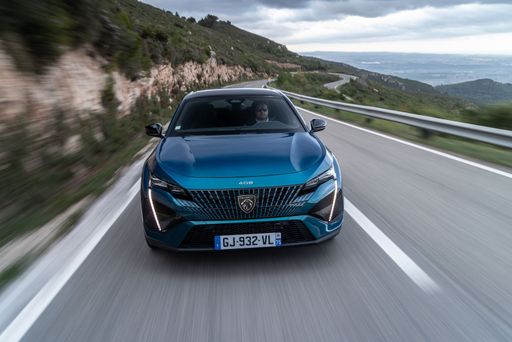
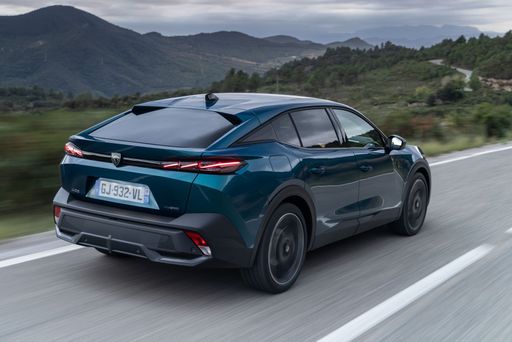
In contrast, the Peugeot 408, with its SUV body type, capitalizes on space and versatility. At 4,687 mm in length, 1,848 mm in width, and 1,478 mm in height, it provides a more commanding road presence. The trunk capacity of 536 liters offers ample storage, catering to families and adventure enthusiasts alike.

308

Performance and Efficiency

The Peugeot 308 caters to a variety of drivers with its diverse engine options, ranging from petrol, diesel, and plug-in hybrid to an all-electric version. Power outputs range from 130 HP in the petrol variant to 225 HP in the plug-in hybrid. Its impressive CO2 efficiency class varies with the engine type, achieving up to Class A. The 308's quick acceleration from 0-100 km/h takes as little as 7.5 seconds, displaying its peppy nature.

The Peugeot 408, while focusing on hybrid and electric efficiency, doesn't lag in power. Offering engine outputs of up to 225 HP similar to the 308, it also boosts its electric ranger with a maximum of 453 km. Its efficient engine design allows for an acceleration of 0-100 km/h in 7.2 seconds, with CO2 efficiency reaching Class A, aligning performance with environmental consciousness.

408

Interior and Technology

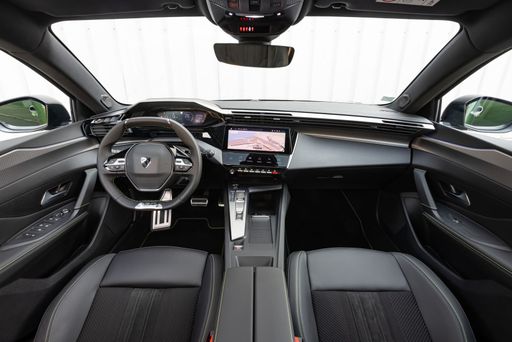
Inside the 308, Peugeot ensures a blend of comfort and sophistication. The car seats five passengers comfortably, incorporating intuitive technology with its digital instrumentation and user-friendly infotainment system. It's equipped for the modern driver, offering features that enhance convenience and connectivity.

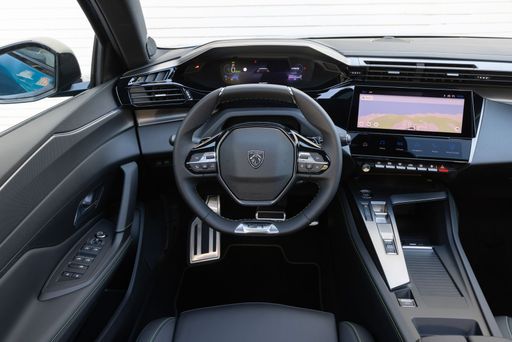
The 408 takes a step forward with its spacious interior, designed to provide maximum comfort across its five seats. Advanced technological features mark the cabin with a high-definition touchscreen, integrated navigation, and driver assistance systems, ensuring a safe and connected driving experience. Tech enthusiasts will appreciate the innovation integrated into this SUV.

308

Conclusion

The Peugeot 308 and 408 serve different audiences with their distinctive features. The 308, with its sleek hatchback design and varied engine options, appeals to those who seek a compact yet versatile vehicle. Meanwhile, the 408 embraces the SUV segment, offering more space and a wider scope of utility, perfect for families and those needing extra room.

Both models symbolize Peugeot's dedication to blend performance, style, and innovation. Whether the decision leans toward the agile 308 or the versatile 408, buyers are sure to experience a car that reflects the best of contemporary automotive advancements.

Here’s where it gets real: The technical differences in detail

308

Costs and Efficiency:

Price and efficiency are often the first things buyers look at. Here it becomes clear which model has the long-term edge – whether at the pump, the plug, or in purchase price.

Peugeot 308 is visibly cheaper – starting at 29,200 £ , while the Peugeot 408 costs 35,100 £ . That’s a price difference of around 5,880 £.

Fuel consumption also shows a difference: the Peugeot 308 uses 2.3 L/100km and is moderately more efficient than the Peugeot 408 with 2.7 L/100km. The difference is about 0.4 L/100km.

In terms of energy consumption, the Peugeot 408 is barely more efficient: consuming 14.8 kWh/100km compared to 15.6 kWh/100km for the Peugeot 308. That’s a difference of about 0.8 kWh/100km.

As for electric range, the Peugeot 408 offers barely more range – reaching up to 455 km, about 5 km more than the Peugeot 308.

408

Engine and Performance:

Under the bonnet, it becomes clear which model is tuned for sportiness and which one takes the lead when you hit the accelerator.

When it comes to engine power, the Peugeot 408 offers somewhat more power – delivering 225 HP compared to 195 HP. That’s roughly 30 HP more horsepower.

When accelerating from 0 to 100 km/h, the Peugeot 408 is only slightly quicker – completing the sprint in 7.2 s, while the Peugeot 308 takes 7.6 s. That’s about 0.4 s quicker.

Looking at top speed, the Peugeot 408 is only slightly faster – reaching 233 km/h, while the Peugeot 308 tops out at 225 km/h. The difference is around 8 km/h.

There’s also a difference in torque: the Peugeot 408 delivers moderately more torque with 360 Nm compared to 300 Nm. That’s about 60 Nm more.

308

Space and Everyday Use:

Beyond pure performance, interior space and usability matter most in daily life. This is where you see which car is more practical and versatile.

Both vehicles offer seating for 5 people.

In terms of curb weight, Peugeot 308 is marginally lighter – 1,453 kg compared to 1,544 kg. The difference is around 91 kg.

Looking at boot space, the Peugeot 408 offers clearly more boot space – 536 L compared to 412 L. That’s a difference of about 124 L.

For maximum load capacity, the Peugeot 408 offers a bit more capacity – up to 1,583 L, about 260 L more than the Peugeot 308.

When it comes to payload, the Peugeot 308 carries only slightly more – 503 kg compared to 456 kg. That’s a difference of about 47 kg.

Who wins the race in the data check?

The Peugeot 408 is far ahead overall in the objective data comparison.
This result only shows which model scores more points on paper – not which of the two cars feels right for you.

from £35,100
408

Peugeot 408

  • Engine Type : Electric, Petrol MHEV, Plugin Hybrid
  • Transmission : Automatic
  • Drive Type : Front-Wheel Drive
  • Power HP : 145 - 225 HP
  • Consumption L/100km : 2.7 - 5.1 L/100km
  • Consumption kWh/100km : 14.8 kWh/100km
  • Electric Range : 79 - 455 km
Peugeot 308
Peugeot 408

Costs and Consumption

View detailed analysis

Engine and Performance

View detailed analysis

Dimensions and Body

View detailed analysis

Peugeot 308

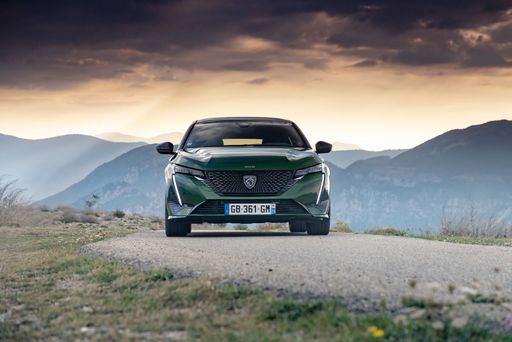
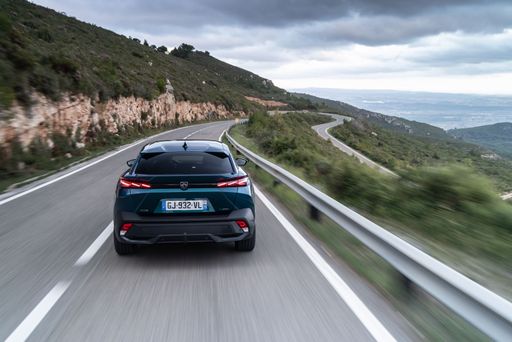
The Peugeot 308 brings a sleek, feline profile and an unexpectedly upscale cabin, with clever packaging and materials that feel a touch more premium than you might expect. It’s composed on the road, easy to live with for daily life, and a smart choice if you want a stylish hatch that still behaves when the road gets interesting.

details

Peugeot 408

The Peugeot 408 blends a coupe-like roofline with practical sensibility, delivering striking looks and a surprisingly airy, premium-feeling cabin. On the road it prefers comfort and poise over manic thrills, making it a smart, stylish choice for buyers who want something a bit different from the usual family hatchback.

details
Peugeot 308
Peugeot 408

Costs and Consumption

Price
29,200 - 42,600 £
Price
35,100 - 48,000 £
Consumption L/100km
2.3 - 5.1 L/100km
Consumption L/100km
2.7 - 5.1 L/100km
Consumption kWh/100km
15.6 kWh/100km
Consumption kWh/100km
14.8 kWh/100km
Electric Range
78 - 450 km
Electric Range
79 - 455 km
Battery Capacity
0.4 kWh
Battery Capacity
58.2 kWh
co2
0 - 133 g/km
co2
0 - 114 g/km
Fuel tank capacity
42 - 52 L
Fuel tank capacity
42 - 52 L

Dimensions and Body

Body Type
Hatchback
Body Type
SUV
Seats
5
Seats
5
Doors
5
Doors
5
Curb weight
1,453 - 1,749 kg
Curb weight
1,544 - 1,879 kg
Trunk capacity
314 - 412 L
Trunk capacity
471 - 536 L
Length
4,367 mm
Length
4,687 mm
Width
1,852 mm
Width
1,848 mm
Height
1,438 mm
Height
1,478 mm
Max trunk capacity
1,258 - 1,323 L
Max trunk capacity
1,528 - 1,583 L
Payload
430 - 503 kg
Payload
371 - 456 kg

Engine and Performance

Engine Type
Petrol MHEV, Diesel, Plugin Hybrid, Electric
Engine Type
Electric, Petrol MHEV, Plugin Hybrid
Transmission
Automatic
Transmission
Automatic
Transmission Detail
Dual-Clutch Automatic, Automatic Gearbox, Reduction Gearbox
Transmission Detail
Reduction Gearbox, Dual-Clutch Automatic
Drive Type
Front-Wheel Drive
Drive Type
Front-Wheel Drive
Power HP
131 - 195 HP
Power HP
145 - 225 HP
Acceleration 0-100km/h
7.6 - 10.6 s
Acceleration 0-100km/h
7.2 - 9.4 s
Max Speed
170 - 225 km/h
Max Speed
160 - 233 km/h
Torque
230 - 300 Nm
Torque
230 - 360 Nm
Number of Cylinders
3 - 4
Number of Cylinders
4
Power kW
96 - 144 kW
Power kW
107 - 165 kW
Engine capacity
1,199 - 1,598 cm3
Engine capacity
1,199 - 1,598 cm3

General

Model Year
2,025 - 2,026
Model Year
2,024 - 2,025
CO2 Efficiency Class
C, D, B, A
CO2 Efficiency Class
A, C, B
Brand
Peugeot
Brand
Peugeot
DriveDuel uses data analysis and artificial intelligence to evaluate vehicle data and create content. Content is regularly reviewed and improved. The displayed prices are estimates based on German list prices, adjusted to the respective country’s VAT. Country-specific registration taxes are not included. This information is not legally binding.