VS

Peugeot 308 SW vs Peugeot 408 comparison

Compare performance (195 HP vs 225 HP), boot space and price (30,100 £ vs 35,100 £ ) at a glance. Find out which car is the better choice for you – Peugeot 308 SW or Peugeot 408?

Peugeot 308 SW vs Peugeot 408: Key differences

Peugeot 308 SW

4.5 (2 Reviews)
rate
  • somewhat cheaper
  • a bit more efficient
  • barely lighter
  • marginally more trunk space

Peugeot 408

4.9 (1 Reviews)
rate
  • a bit more power
  • only slightly more efficient
  • barely more electric range
  • barely quicker 0–100 km/h

All details on performance, efficiency, range and trunk space can be found in the technical comparison below – including user reviews for both models.

308 SW

When it comes to selecting the perfect family-friendly vehicle, the European market has long been known for producing innovative and practical options. Two standout models from Peugeot, the 308 SW and the 408, are currently capturing attention. While they come from the same manufacturer and share some technological roots, their designs and utility differ significantly. This article will dive deep into the comparison of these two impressive vehicles, focusing on their technical specifications and innovations.

408

Design Dynamics: Wagon Versus SUV

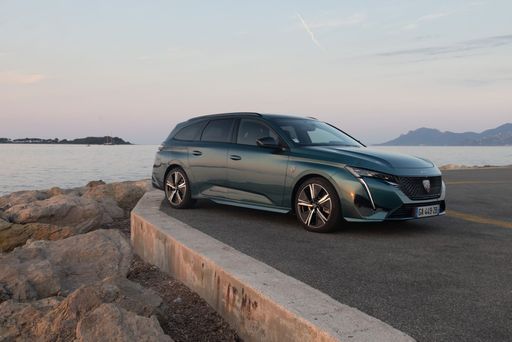
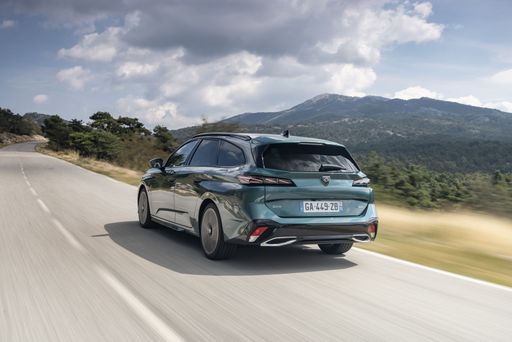
The Peugeot 308 SW is a wagon that skilfully combines elegance with functionality. With a length of 4636 mm, it boasts a trunk capacity of 608 liters, making it ideal for families or weekend adventurers. Its sleek profile is complemented by a height of 1442 mm, giving it a low center of gravity that's delightful for handling.

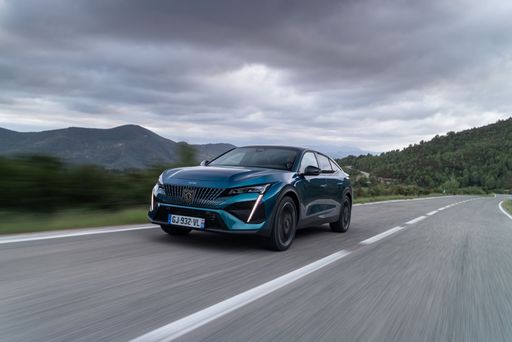
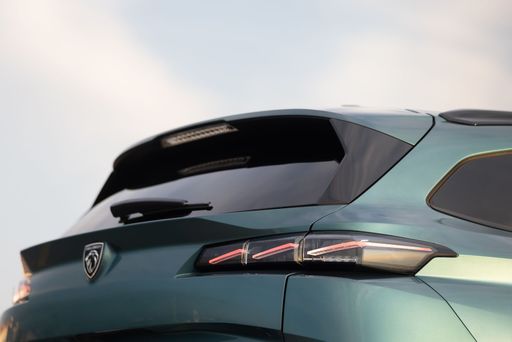
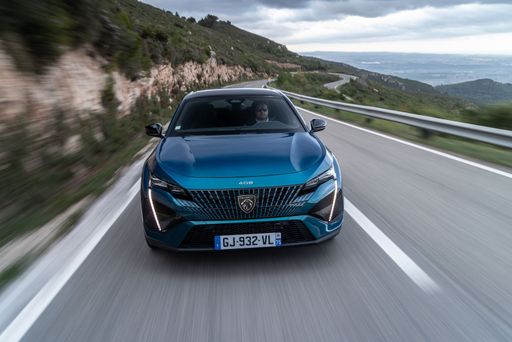
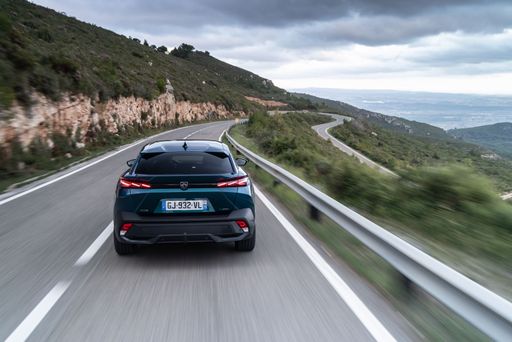
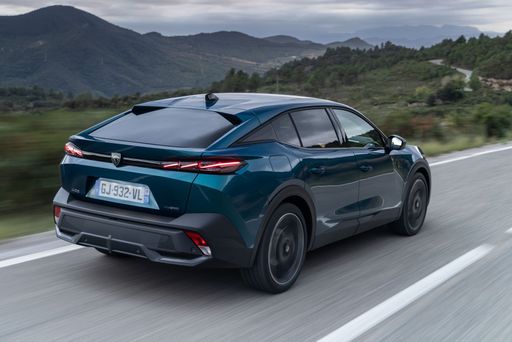
On the other hand, the Peugeot 408 is classified as an SUV and spans 4687 mm in length. While it has a slightly lesser trunk capacity at 536 liters, it offers a higher ground clearance at 1478 mm, which benefits those who prefer an elevated driving experience. The wider stance of the 408, measuring 1848 mm, contributes to a more robust road presence.

308 SW

Powertrains and Performance: A Tale of Versatility

Both models offer various engine options tailored to different driving styles and fuel preferences. The Peugeot 308 SW is equipped with a range of engines, including Petrol MHEV, Diesel, Plugin Hybrid, and even an electric variant. Power ratings range from 130 to 225 HP, ensuring that drivers can find a version that suits their performance needs.

The 408, however, focuses more on hybridized powertrains, offering Petrol MHEV and Plugin Hybrid choices. Its performance can reach up to 225 HP as well, but with a peak torque output of 360 Nm, which allows for snappier acceleration. The 408 can sprint from 0-100 km/h in just 7.2 seconds, outpacing the 308 SW's best time of 7.6 seconds for those seeking a dash of excitement.

408

Efficiency and Fuel Economy: Sustainability Meets Style

Fuel efficiency is an essential consideration for modern drivers, and both vehicles shine in this arena. The Peugeot 308 SW offers a remarkable consumption rate of only 5.1 L/100 km for its petrol models, while its Plugin Hybrid variant dips down to an impressive 1.3 L/100 km.

The 408 matches this with an equally competitive figure, recording 5.1 L/100 km for its petrol MHEV configurations, and an astounding 1.4 L/100 km in its Plugin Hybrid form. The electric ranges also differ slightly, with the 308 SW achieving up to 57 km, while the 408 can extend up to 63 km, making both choices appealing for those aiming for greener travel options.

308 SW

Technological Innovations: The Future of Driving

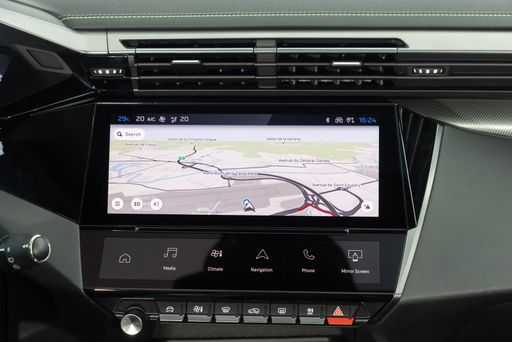
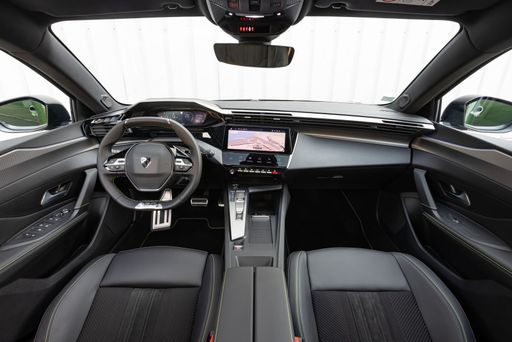
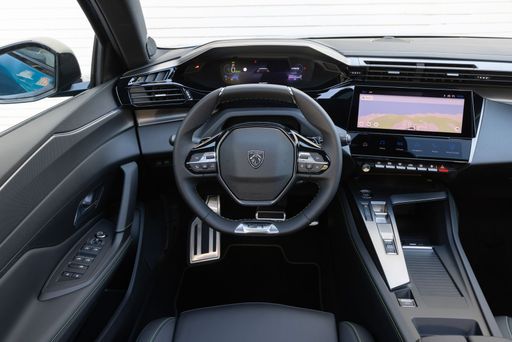
Peugeot has embraced advanced technology in both models. The 308 SW features the state-of-the-art i-Cockpit system, which includes a digital head-up display and touchscreen interface, ensuring a driver-focused experience. Additionally, features like adaptive cruise control, lane-keeping assistance, and 360-degree parking cameras are available, making it both safe and user-friendly.

The 408 carries similar attributes but emphasizes a slightly different tech portfolio. It uses an upgraded version of the i-Cockpit and includes enhanced connectivity features and more intuitive controls for an even smoother drive. Safety innovations such as automatic emergency braking and blind spot monitoring add to its appeal.

408

Conclusion: Which Model Suits You Best?

The choice between the Peugeot 308 SW and the 408 ultimately comes down to personal preference and lifestyle needs. The 308 SW, with its wagon styling and spacious trunk, appeals more to families needing practical day-to-day usability. Meanwhile, the 408 shines as a stylish SUV, offering a dynamic driving experience with a hybrid punch. Regardless of the choice, Peugeot has delivered two commendable vehicles that stand out in their respective classes with their blend of performance, efficiency, and cutting-edge technology.

Here’s where it gets real: The technical differences in detail

308 SW

Costs and Efficiency:

Price and efficiency are often the first things buyers look at. Here it becomes clear which model has the long-term edge – whether at the pump, the plug, or in purchase price.

Peugeot 308 SW is somewhat cheaper – starting at 30,100 £ , while the Peugeot 408 costs 35,100 £ . That’s a price difference of around 4,997 £.

Fuel consumption also shows a difference: the Peugeot 308 SW uses 2.3 L/100km and is a bit more efficient than the Peugeot 408 with 2.7 L/100km. The difference is about 0.4 L/100km.

In terms of energy consumption, the Peugeot 408 is only slightly more efficient: consuming 14.8 kWh/100km compared to 15.2 kWh/100km for the Peugeot 308 SW. That’s a difference of about 0.4 kWh/100km.

As for electric range, the Peugeot 408 offers barely more range – reaching up to 455 km, about 11 km more than the Peugeot 308 SW.

408

Engine and Performance:

Under the bonnet, it becomes clear which model is tuned for sportiness and which one takes the lead when you hit the accelerator.

When it comes to engine power, the Peugeot 408 offers a bit more power – delivering 225 HP compared to 195 HP. That’s roughly 30 HP more horsepower.

When accelerating from 0 to 100 km/h, the Peugeot 408 is barely quicker – completing the sprint in 7.2 s, while the Peugeot 308 SW takes 7.7 s. That’s about 0.5 s quicker.

Looking at top speed, the Peugeot 408 is barely faster – reaching 233 km/h, while the Peugeot 308 SW tops out at 225 km/h. The difference is around 8 km/h.

There’s also a difference in torque: the Peugeot 408 delivers somewhat more torque with 360 Nm compared to 300 Nm. That’s about 60 Nm more.

308 SW

Space and Everyday Use:

Beyond pure performance, interior space and usability matter most in daily life. This is where you see which car is more practical and versatile.

Both vehicles offer seating for 5 people.

In terms of curb weight, Peugeot 308 SW is barely lighter – 1,484 kg compared to 1,544 kg. The difference is around 60 kg.

Looking at boot space, the Peugeot 308 SW offers marginally more boot space – 551 L compared to 536 L. That’s a difference of about 15 L.

For maximum load capacity, the Peugeot 408 offers very slightly more capacity – up to 1,583 L, about 100 L more than the Peugeot 308 SW.

When it comes to payload, the Peugeot 308 SW carries somewhat more – 508 kg compared to 456 kg. That’s a difference of about 52 kg.

Who wins the race in the data check?

The Peugeot 408 holds a decisive overall lead in the objective data comparison.
This result only shows which model scores more points on paper – not which of the two cars feels right for you.

from £35,100
408

Peugeot 408

  • Engine Type : Electric, Petrol MHEV, Plugin Hybrid
  • Transmission : Automatic
  • Drive Type : Front-Wheel Drive
  • Power HP : 145 - 225 HP
  • Consumption L/100km : 2.7 - 5.1 L/100km
  • Consumption kWh/100km : 14.8 kWh/100km
  • Electric Range : 79 - 455 km
Peugeot 308 SW
Peugeot 408

Costs and Consumption

View detailed analysis

Engine and Performance

View detailed analysis

Dimensions and Body

View detailed analysis

Peugeot 308 SW

The Peugeot 308 SW blends French flair with estate practicality, dressing up daily chores in a surprisingly handsome package. Inside it's cleverly laid out and comfortable, and the composed, entertaining drive makes family duty feel a little less like a chore.

details

Peugeot 408

The Peugeot 408 blends a coupe-like roofline with practical sensibility, delivering striking looks and a surprisingly airy, premium-feeling cabin. On the road it prefers comfort and poise over manic thrills, making it a smart, stylish choice for buyers who want something a bit different from the usual family hatchback.

details
Peugeot 308 SW
Peugeot 408

Costs and Consumption

Price
30,100 - 43,800 £
Price
35,100 - 48,000 £
Consumption L/100km
2.3 - 5.1 L/100km
Consumption L/100km
2.7 - 5.1 L/100km
Consumption kWh/100km
15.2 - 15.7 kWh/100km
Consumption kWh/100km
14.8 kWh/100km
Electric Range
78 - 444 km
Electric Range
79 - 455 km
Battery Capacity
0.4 kWh
Battery Capacity
58.2 kWh
co2
0 - 134 g/km
co2
0 - 114 g/km
Fuel tank capacity
42 - 52 L
Fuel tank capacity
42 - 52 L

Dimensions and Body

Body Type
Estate
Body Type
SUV
Seats
5
Seats
5
Doors
5
Doors
5
Curb weight
1,484 - 1,783 kg
Curb weight
1,544 - 1,879 kg
Trunk capacity
467 - 551 L
Trunk capacity
471 - 536 L
Length
4,636 mm
Length
4,687 mm
Width
1,852 mm
Width
1,848 mm
Height
1,438 mm
Height
1,478 mm
Max trunk capacity
1,402 - 1,483 L
Max trunk capacity
1,528 - 1,583 L
Payload
417 - 508 kg
Payload
371 - 456 kg

Engine and Performance

Engine Type
Petrol MHEV, Diesel, Plugin Hybrid, Electric
Engine Type
Electric, Petrol MHEV, Plugin Hybrid
Transmission
Automatic
Transmission
Automatic
Transmission Detail
Dual-Clutch Automatic, Automatic Gearbox, Reduction Gearbox
Transmission Detail
Reduction Gearbox, Dual-Clutch Automatic
Drive Type
Front-Wheel Drive
Drive Type
Front-Wheel Drive
Power HP
131 - 195 HP
Power HP
145 - 225 HP
Acceleration 0-100km/h
7.7 - 10.9 s
Acceleration 0-100km/h
7.2 - 9.4 s
Max Speed
170 - 225 km/h
Max Speed
160 - 233 km/h
Torque
230 - 300 Nm
Torque
230 - 360 Nm
Number of Cylinders
3 - 4
Number of Cylinders
4
Power kW
96 - 144 kW
Power kW
107 - 165 kW
Engine capacity
1,199 - 1,598 cm3
Engine capacity
1,199 - 1,598 cm3

General

Model Year
2,025 - 2,026
Model Year
2,024 - 2,025
CO2 Efficiency Class
C, D, B, A
CO2 Efficiency Class
A, C, B
Brand
Peugeot
Brand
Peugeot
DriveDuel uses data analysis and artificial intelligence to evaluate vehicle data and create content. Content is regularly reviewed and improved. The displayed prices are estimates based on German list prices, adjusted to the respective country’s VAT. Country-specific registration taxes are not included. This information is not legally binding.