VS

Peugeot 2008 vs Peugeot 308 SW comparison

Compare performance (156 HP vs 195 HP), boot space and price (24,800 £ vs 30,100 £ ) at a glance. Find out which car is the better choice for you – Peugeot 2008 or Peugeot 308 SW?

Peugeot 2008 vs Peugeot 308 SW: Key differences

Peugeot 2008

5 (1 Reviews)
rate
  • visibly cheaper
  • only slightly more efficient
  • somewhat lighter
details

Peugeot 308 SW

4.5 (2 Reviews)
rate
  • somewhat more power
  • significantly more efficient
  • barely more electric range
  • marginally quicker 0–100 km/h
  • visibly more trunk space
details

All details on performance, efficiency, range and trunk space can be found in the technical comparison below – including user reviews for both models.

By Achim Sedelmaier

2008

Peugeot 2008 VS Peugeot 308 SW — which suits your everyday life?

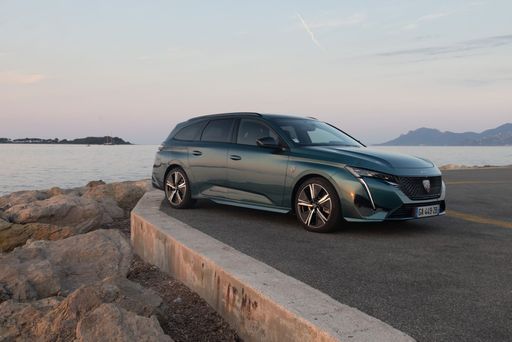
The Peugeot 2008 and the Peugeot 308 SW sit on different sides of the same practical fence: one is a compact, style-forward B‑SUV with elevated seating, the other a composed compact estate that prioritises cargo and long‑distance comfort. The 2008 projects a cool, contemporary image and makes city errands and tight parking feel effortless, while the 308 SW signals a more grown‑up, semi‑premium intent with a focus on usable space. Both cars trade a bit of raw driving drama for comfort and refinement, but they deliver that calm in different package forms. Choosing between the Peugeot 2008 and the Peugeot 308 SW is therefore less about absolute performance and more about whether you want SUV posture and urban agility or estate practicality and motorway composure.
308 SW

Cabin feel and perceived quality

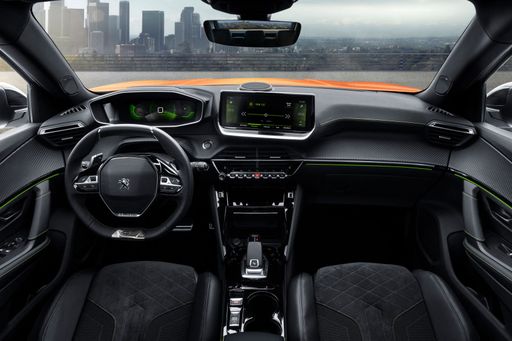
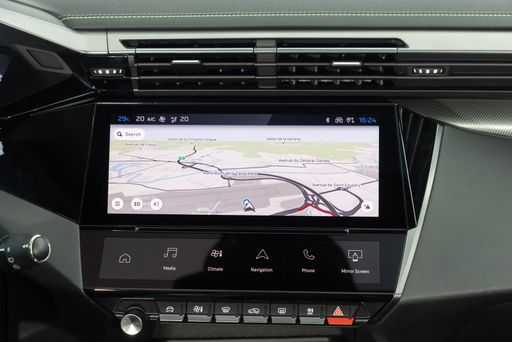
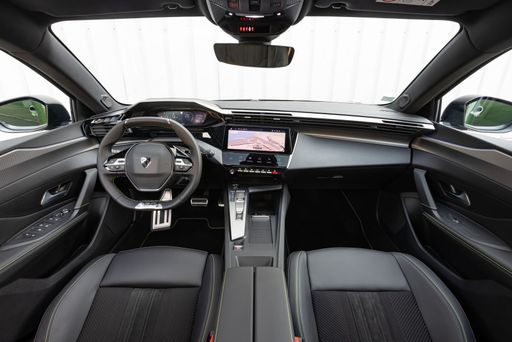
The Peugeot 2008 feels like a boutique SUV salon: materials and trim punch above its class and the interior styling gives a sense of modern flair that buyers notice instantly. The Peugeot 308 SW, by contrast, feels a touch more mature and restrained, with an air of “half‑premium” workmanship and very comfortable front seats that make long drives easier. Both models share Peugeot’s compact i‑Cockpit layout, which looks smart but can impede line‑of‑sight for some drivers, so the ergonomics land differently depending on stature. If interior drama and a loft‑style cabin appeal to you, the 2008 wins on first impressions; if you prioritise long‑haul seat comfort and a quieter, more adult cabin, the 308 SW nudges ahead.

2008

Practicality, family use and luggage

When it comes to loading and family logistics, the Peugeot 308 SW is the more utilitarian choice thanks to a flatter, more rectangular boot that makes bulky items far easier to stow and access. The Peugeot 2008 offers an impressively usable trunk for its category, especially in ICE/Hybrid form with clever two‑level loading, but it’s inherently smaller and the sloping rear line reduces vertical space. Rear‑seat reality is another split: the 2008’s compact footprint makes it handier for two children and short school runs, whereas the 308 SW can swallow more family gear but offers slightly less rear legroom than some rivals, so tall passengers may feel cramped. For city families who prioritise manoeuvrability and style, the 2008 suits better; for households where luggage versatility is king, the 308 SW is the smarter pick.

308 SW

City friendliness versus motorway temperament

In urban settings the Peugeot 2008’s lighter steering, small turning circle and raised driving position make it a natural commuter and apartment‑garage conqueror. The Peugeot 308 SW is still city‑friendly for a compact estate, but its strengths emerge on longer runs where a composed chassis, precise steering and more substantive engines deliver calm and reassurance at speed. The 2008 prefers relaxed, mixed‑route use and feels especially confident in stop‑start traffic and tight streets, while the 308 SW rewards buyers who spend real miles on motorways with steadier behaviour and stronger overtaking flexibility. Pick the 2008 if city life and easy parking are daily priorities; choose the 308 SW if you do regular long‑distance commuting and want a steadier high‑speed companion.

2008

Comfort, long‑distance behaviour and everyday annoyances

Both Peugeot 2008 and Peugeot 308 SW are tuned toward comfort, but the flavour differs: the 2008 soothes with a relaxed ride and elevated seats that keep fatigue at bay, whereas the 308 SW offers more plush, supportive front seats that excel on multi‑hour journeys. Shared irritants show up in both cabins — touch‑centric climate controls and menu layers demand patience — yet the 308 SW’s seating and luggage advantages reduce practical annoyances on long family trips. Noise insulation is broadly strong in each car, though the 308 SW’s longer‑distance orientation and available powertrains can make it marginally more effortless on motorways. If you prize immediate daily comfort and a city‑centric cocoon, the 2008 is appealing; if you value long‑haul seat support and luggage peace of mind, the 308 SW feels more grown‑up.

308 SW

Who should buy which car — clear trade‑offs before the specs

If your life is urban, style‑conscious and you want an easy‑to‑park car with a high seating position and standout cabin, the Peugeot 2008 fits that brief with minimal fuss and pleasing interior quality. If your priorities are maximum luggage utility, extended motorway miles, stronger on‑road composure and the option of very efficient long‑range powertrains, the Peugeot 308 SW is the more logical companion and will feel more capable on family trips. The decision is a trade‑off between SUV convenience and estate practicality, so use that lens when you read the technical pages: they will confirm which engines, boot layouts and weights translate these everyday strengths into measurable differences. Take a short urban loop in the 2008 and a long trunk‑loaded run in the 308 SW — that contrast tells you more than any spec sheet about which one will suit your life.

Here’s where it gets real: The technical differences in detail

2008

Costs and Efficiency:

Price and efficiency are key factors when choosing a car – and this is often where the real differences emerge.

Peugeot 2008 is visibly cheaper – starting at 24,800 £ , while the Peugeot 308 SW costs 30,100 £ . That’s a price difference of around 5,358 £.

Fuel consumption also shows a difference: the Peugeot 308 SW uses 2.3 L/100km and is significantly more efficient than the Peugeot 2008 with 4.9 L/100km. The difference is about 2.6 L/100km.

In terms of energy consumption, the Peugeot 2008 is only slightly more efficient: consuming 15.3 kWh/100km compared to 15.7 kWh/100km for the Peugeot 308 SW. That’s a difference of about 0.4 kWh/100km.

As for electric range, the Peugeot 308 SW offers barely more range – reaching up to 444 km, about 39 km more than the Peugeot 2008.

308 SW

Engine and Performance:

Power, torque and acceleration are the classic benchmarks for car enthusiasts – and here, some clear differences start to show.

When it comes to engine power, the Peugeot 308 SW offers somewhat more power – delivering 195 HP compared to 156 HP. That’s roughly 39 HP more horsepower.

When accelerating from 0 to 100 km/h, the Peugeot 308 SW is marginally quicker – completing the sprint in 7.7 s, while the Peugeot 2008 takes 8.3 s. That’s about 0.6 s quicker.

There’s also a difference in torque: the Peugeot 308 SW delivers barely more torque with 300 Nm compared to 270 Nm. That’s about 30 Nm more.

2008

Space and Everyday Use:

Whether family car or daily driver – which one offers more room, flexibility and comfort?

Both vehicles offer seating for 5 people.

In terms of curb weight, Peugeot 2008 is somewhat lighter – 1,263 kg compared to 1,484 kg. The difference is around 221 kg.

Looking at boot space, the Peugeot 308 SW offers visibly more boot space – 551 L compared to 434 L. That’s a difference of about 117 L.

When it comes to payload, the Peugeot 308 SW carries slightly more – 508 kg compared to 447 kg. That’s a difference of about 61 kg.

Who wins the race in the data check?

The Peugeot 308 SW is decisively ahead in the objective data comparison.
This result only shows which model scores more points on paper – not which of the two cars feels right for you.

from £30,100
308 SW

Peugeot 308 SW

  • Engine Type Petrol MHEV, Diesel, Plugin Hybrid, Electric
  • Transmission Automatic
  • Drive Type Front-Wheel Drive
  • Power HP 131 - 195 HP
  • Consumption L/100km 2.3 - 5.1 L/100km
  • Consumption kWh/100km 15.7 kWh/100km
  • Electric Range 81 - 444 km
Peugeot 2008
Peugeot 308 SW

Costs and Consumption

View detailed analysis

Engine and Performance

View detailed analysis

Dimensions and Body

View detailed analysis

Peugeot 2008

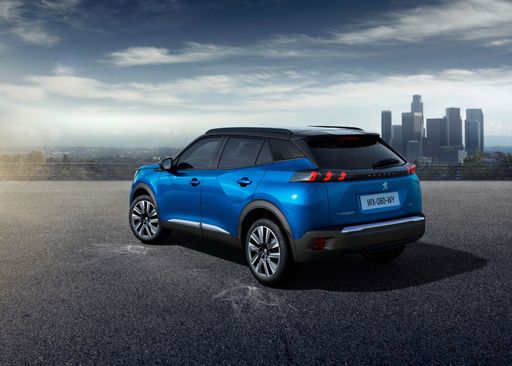
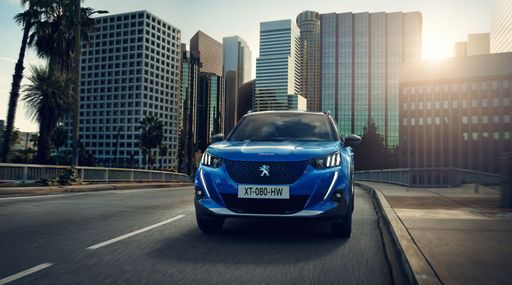
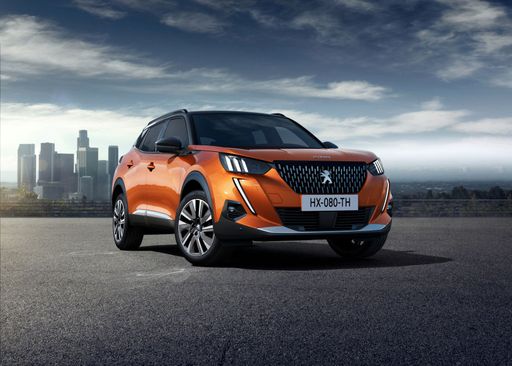
The Peugeot 2008 is a compact crossover that blends sharp French styling with a practical, high-riding layout, giving it more presence and versatility than a typical small hatchback. Inside it offers a clever, user-friendly cabin with sensible storage and modern infotainment, while a composed ride and efficient powertrains make it well suited to both city errands and longer journeys.

details

Peugeot 308 SW

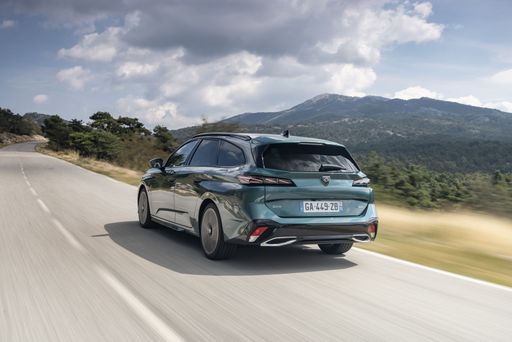
The Peugeot 308 SW blends French flair with estate practicality, dressing up daily chores in a surprisingly handsome package. Inside it's cleverly laid out and comfortable, and the composed, entertaining drive makes family duty feel a little less like a chore.

details
Peugeot 2008
Peugeot 308 SW

Costs and Consumption

Price
24,800 - 40,400 £
Price
30,100 - 43,800 £
Consumption L/100km
4.9 - 5.7 L/100km
Consumption L/100km
2.3 - 5.1 L/100km
Consumption kWh/100km
15.3 kWh/100km
Consumption kWh/100km
15.7 kWh/100km
Electric Range
405 km
Electric Range
81 - 444 km
Battery Capacity
-
Battery Capacity
-
co2
0 - 129 g/km
co2
0 - 134 g/km
Fuel tank capacity
-
Fuel tank capacity
-

Dimensions and Body

Body Type
SUV
Body Type
Estate
Seats
5
Seats
5
Doors
-
Doors
-
Curb weight
1,263 - 1,623 kg
Curb weight
1,484 - 1,783 kg
Trunk capacity
434 L
Trunk capacity
467 - 551 L
Length
-
Length
-
Width
1,770 mm
Width
1,852 mm
Height
-
Height
-
Max trunk capacity
-
Max trunk capacity
-
Payload
407 - 447 kg
Payload
417 - 508 kg

Engine and Performance

Engine Type
Petrol MHEV, Electric, Petrol
Engine Type
Petrol MHEV, Diesel, Plugin Hybrid, Electric
Transmission
Automatic, Manuel
Transmission
Automatic
Transmission Detail
Dual-Clutch Automatic, Reduction Gearbox, Manual Gearbox
Transmission Detail
Dual-Clutch Automatic, Automatic Gearbox, Reduction Gearbox
Drive Type
Front-Wheel Drive
Drive Type
Front-Wheel Drive
Power HP
101 - 156 HP
Power HP
131 - 195 HP
Acceleration 0-100km/h
8.3 - 10.9 s
Acceleration 0-100km/h
7.7 - 10.9 s
Max Speed
-
Max Speed
-
Torque
205 - 270 Nm
Torque
230 - 300 Nm
Number of Cylinders
3
Number of Cylinders
3 - 4
Power kW
74 - 115 kW
Power kW
96 - 143 kW
Engine capacity
1,199 cm3
Engine capacity
1,199 - 1,598 cm3

General

Model Year
2,025 - 2,026
Model Year
2,025 - 2,026
CO2 Efficiency Class
C, A, D
CO2 Efficiency Class
C, D, B, A
Brand
Peugeot
Brand
Peugeot
DriveDuel uses data analysis and artificial intelligence to evaluate vehicle data and create content. Content is regularly reviewed and improved. The displayed prices are estimates based on German list prices, adjusted to the respective country’s VAT. Country-specific registration taxes are not included. This information is not legally binding.