VS

Porsche Cayenne vs BMW X5 comparison

Compare performance (1,156 HP vs 625 HP), boot space and price (87,000 £ vs 77,100 £ ) at a glance. Find out which car is the better choice for you – Porsche Cayenne or BMW X5?

Porsche Cayenne vs BMW X5: Key differences

Porsche Cayenne

3.3 (2 Reviews)
rate
  • considerably more power
  • substantially more electric range
  • significantly quicker 0–100 km/h
  • only slightly lighter
  • a bit more trunk space

BMW X5

  • somewhat cheaper
  • visibly more efficient
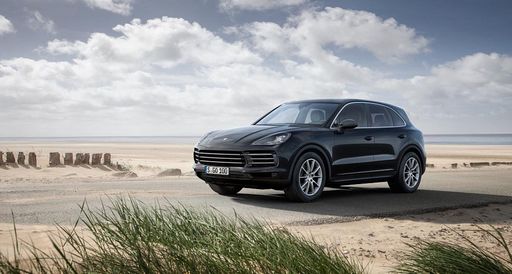
Cayenne

The Battle of the Titans: BMW X5 vs Porsche Cayenne

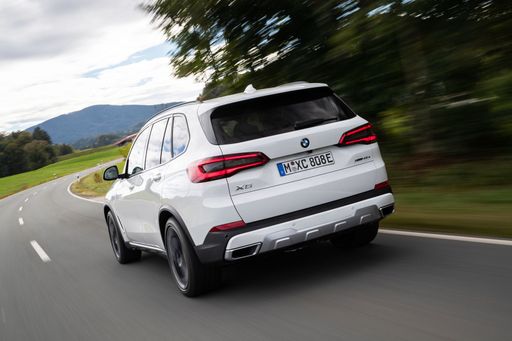
When it comes to luxury SUVs, the BMW X5 and Porsche Cayenne are two names that immediately come to mind. Both vehicles have established themselves as frontrunners in this segment, offering a blend of performance, luxury, and technological innovation. In this comparison, we'll delve into the technical aspects and unique innovations of these two automotive powerhouses to help you decide which one suits your driving style and needs.
X5

Under the Hood: Power and Efficiency

The BMW X5 offers a diverse range of engine options, with the lineup including Diesel MHEV, Petrol MHEV, and Plugin Hybrid versions. The power output for these models ranges from 298 to a staggering 625 horsepower, allowing for a top speed of up to 250 km/h. The X5 also boasts a noteworthy electric-only range of 97 km, thanks to its 25.7 kWh battery capacity.

In contrast, the Porsche Cayenne doesn't shy away from power either, offering Plugin Hybrid and Petrol variants that produce between 353 and 739 horsepower. It excels with a top speed capability that ranges up to 305 km/h. The Cayenne's electric range stretches from 72 to 78 km, supported by a 21.8 kWh battery pack.

Cayenne

Performance Metrics: Acceleration and Torque

For enthusiasts who crave speed and acceleration, the X5 delivers impressive 0-100 km/h times ranging from 6.1 to an exhilarating 3.9 seconds. This performance is matched by its substantial torque, with numbers between 540 and 750 Nm, making it a formidable presence on the road.

The Cayenne competes fiercely in this arena, achieving acceleration times from 4.9 to a blistering 3.6 seconds for the top-tier models. With torque figures ranging from 500 to 950 Nm, the Cayenne assures a thrilling ride complemented by Porsche’s renowned handling capabilities.

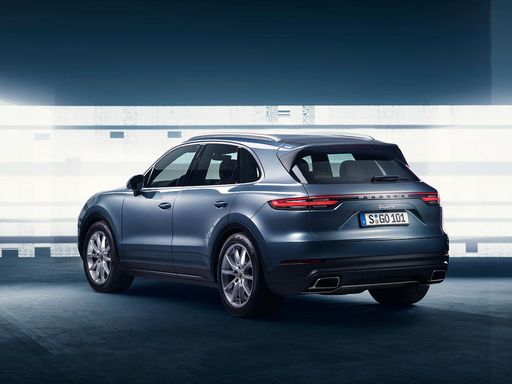
X5

Design and Dimensions: Space and Style

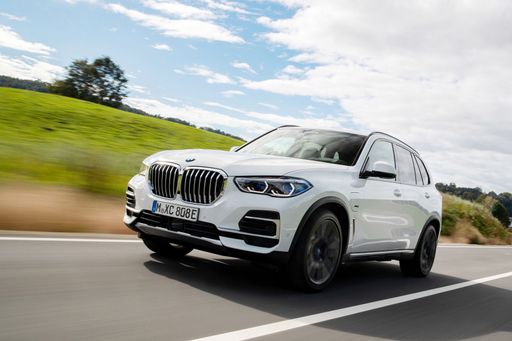
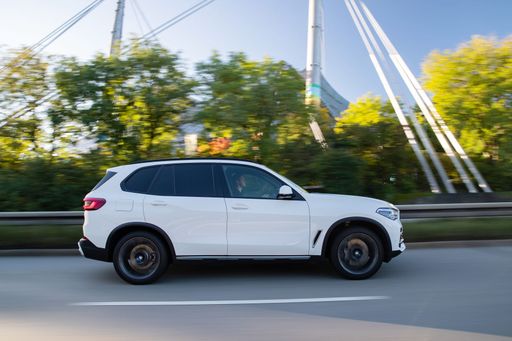
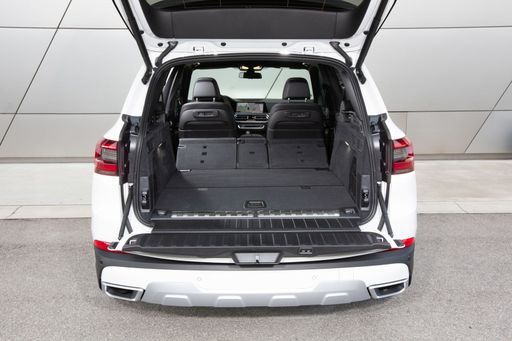
The BMW X5 stands out with a length of up to 4948 mm, a width of 2015 mm, and a height of 1765 mm, offering ample cabin space for its occupants. It provides a trunk capacity of 650 liters, speaking to its practicality as an everyday SUV. The exterior design embodies BMW's traditional sporty elegance, enhanced by modern features and technologies.

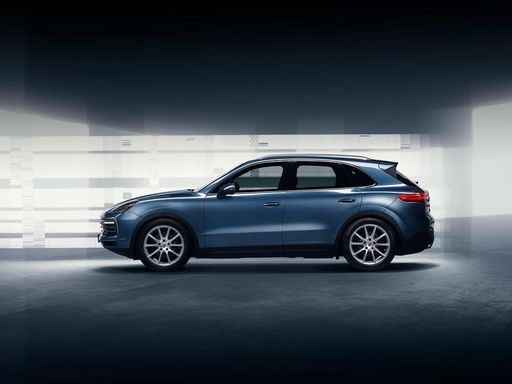
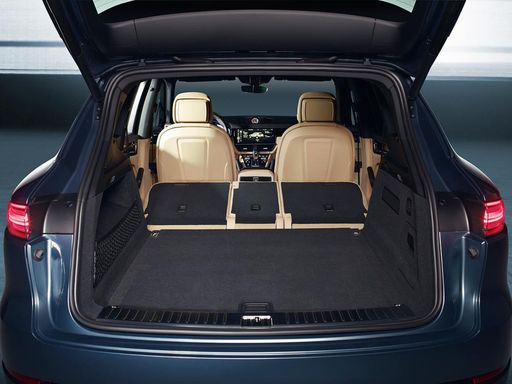
On the flip side, the Porsche Cayenne, slightly more compact with a length of 4930 mm and width of 1989 mm, offers a variable trunk capacity, maxing out at 772 liters, depending upon the model. Cayenne’s design screams sophistication and sportiness, capturing the essence of Porsche’s legacy in every curve.

Cayenne

Technological Innovations

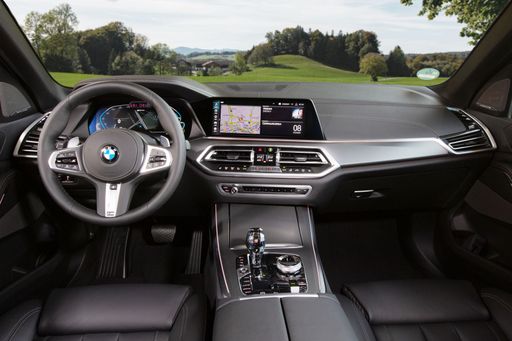
BMW's innovation in the X5 shines through with its integrated MHEV (Mild Hybrid Electric Vehicle) technology, which enhances fuel efficiency and reduces CO2 emissions. The X5’s infotainment system is equally commendable, blending user-friendly interfaces with advanced connectivity options.

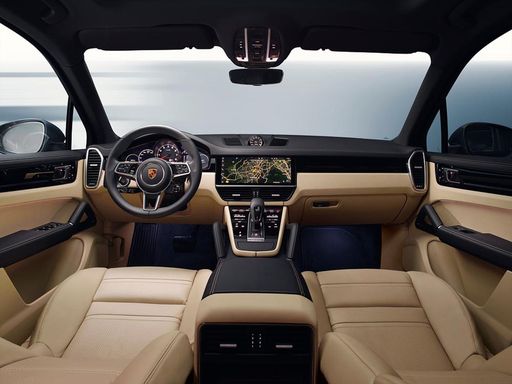
Porsche, never one to lag in technology, equips the Cayenne with cutting-edge features such as an advanced hybrid system and an intuitive infotainment setup, ensuring drivers have access to real-time data, navigation, and multimedia at their fingertips. Electric range management and efficient fuel consumption strategies make the Cayenne a marvel of modern engineering.

X5

Final Verdict: Choosing Your Champion

In conclusion, both the BMW X5 and Porsche Cayenne offer a luxurious experience coupled with outstanding performance. The choice between the two largely depends on personal preference, whether one prefers BMW's inline driving dynamics and extended range hybrid technology, or Porsche's iconic design and high-octane performance.

Both vehicles cater to the discerning customer who desires a blend of elegance, power, and advanced technology. Whichever one you choose, rest assured that both the BMW X5 and the Porsche Cayenne will deliver an exhilarating and luxurious drive, ensuring that your time on the road is always a remarkable journey.

Here’s where it gets real: The technical differences in detail

Cayenne

Costs and Efficiency:

Price and efficiency are key factors when choosing a car – and this is often where the real differences emerge.

BMW X5 is somewhat cheaper – starting at 77,100 £ , while the Porsche Cayenne costs 87,000 £ . That’s a price difference of around 9,943 £.

Fuel consumption also shows a difference: the BMW X5 uses 3 L/100km and is visibly more efficient than the Porsche Cayenne with 4 L/100km. The difference is about 1 L/100km.

As for electric range, the Porsche Cayenne offers substantially more range – reaching up to 642 km, about 537 km more than the BMW X5.

X5

Engine and Performance:

Power, torque and acceleration are the classic benchmarks for car enthusiasts – and here, some clear differences start to show.

When it comes to engine power, the Porsche Cayenne offers considerably more power – delivering 1,156 HP compared to 625 HP. That’s roughly 531 HP more horsepower.

When accelerating from 0 to 100 km/h, the Porsche Cayenne is significantly quicker – completing the sprint in 2.5 s, while the BMW X5 takes 3.9 s. That’s about 1.4 s quicker.

Looking at top speed, the Porsche Cayenne is moderately faster – reaching 305 km/h, while the BMW X5 tops out at 250 km/h. The difference is around 55 km/h.

There’s also a difference in torque: the Porsche Cayenne delivers significantly more torque with 1,500 Nm compared to 750 Nm. That’s about 750 Nm more.

Cayenne

Space and Everyday Use:

Cabin size, boot volume and payload all play a role in everyday practicality. Here, comfort and flexibility make the difference.

Both vehicles offer seating for 5 people.

In terms of curb weight, Porsche Cayenne is only slightly lighter – 2,130 kg compared to 2,240 kg. The difference is around 110 kg.

Looking at boot space, the Porsche Cayenne offers a bit more boot space – 781 L compared to 650 L. That’s a difference of about 131 L.

For maximum load capacity, the BMW X5 offers marginally more capacity – up to 1,870 L, about 162 L more than the Porsche Cayenne.

Maximum payload is identical – both can carry up to 705 kg.

Who wins the race in the data check?

The Porsche Cayenne is clearly superior overall in the objective data comparison.
This result only shows which model scores more points on paper – not which of the two cars feels right for you.

from £87,000
Cayenne

Porsche Cayenne

  • Engine Type : Petrol, Plugin Hybrid, Electric
  • Transmission : Automatic
  • Drive Type : All-Wheel Drive
  • Power HP : 353 - 1,156 HP
  • Consumption L/100km : 4 - 12.2 L/100km
  • Consumption kWh/100km : 19.7 - 20.6 kWh/100km
  • Electric Range : 74 - 642 km
Porsche Cayenne
BMW X5

Costs and Consumption

View detailed analysis

Engine and Performance

View detailed analysis

Dimensions and Body

View detailed analysis

Porsche Cayenne

Few SUVs blend athletic poise and Teutonic precision like the Porsche Cayenne, putting genuine sports‑car feeling into a roomy, everyday package. If you want a practical family hauler that still makes you grin every time you merge, the Cayenne delivers — turning errands into an excuse for a spirited drive.

details

BMW X5

The BMW X5 blends athletic handling with a roomy, premium interior, feeling equally at home on twisty country roads and the school-run car park. Its executive-lounge cabin and confident road presence make it a tempting choice for buyers who want comfort, capability and just a little bit of bragging rights.

details
Porsche Cayenne
BMW X5

Costs and Consumption

Price
87,000 - 186,400 £
Price
77,100 - 143,500 £
Consumption L/100km
4 - 12.2 L/100km
Consumption L/100km
3 - 12.8 L/100km
Consumption kWh/100km
19.7 - 20.6 kWh/100km
Consumption kWh/100km
-
Electric Range
74 - 642 km
Electric Range
105 km
Battery Capacity
21.8 kWh
Battery Capacity
25.7 kWh
co2
0 - 277 g/km
co2
68 - 289 g/km
Fuel tank capacity
70 - 90 L
Fuel tank capacity
69 - 83 L

Dimensions and Body

Body Type
SUV
Body Type
SUV
Seats
4 - 5
Seats
5
Doors
5
Doors
5
Curb weight
2,130 - 2,720 kg
Curb weight
2,240 - 2,495 kg
Trunk capacity
434 - 781 L
Trunk capacity
500 - 650 L
Length
4,930 mm
Length
4,935 mm
Width
1,980 - 1,989 mm
Width
2,004 - 2,015 mm
Height
1,652 - 1,698 mm
Height
1,755 - 1,765 mm
Max trunk capacity
1,344 - 1,708 L
Max trunk capacity
1,720 - 1,870 L
Payload
365 - 705 kg
Payload
565 - 705 kg

Engine and Performance

Engine Type
Petrol, Plugin Hybrid, Electric
Engine Type
Petrol MHEV, Diesel MHEV, Plugin Hybrid
Transmission
Automatic
Transmission
Automatic
Transmission Detail
Automatic Gearbox, Reduction Gearbox
Transmission Detail
Automatic Gearbox
Drive Type
All-Wheel Drive
Drive Type
All-Wheel Drive
Power HP
353 - 1,156 HP
Power HP
298 - 625 HP
Acceleration 0-100km/h
2.5 - 6 s
Acceleration 0-100km/h
3.9 - 6.1 s
Max Speed
248 - 305 km/h
Max Speed
250 km/h
Torque
500 - 1,500 Nm
Torque
540 - 750 Nm
Number of Cylinders
6 - 8
Number of Cylinders
6 - 8
Power kW
260 - 850 kW
Power kW
219 - 460 kW
Engine capacity
2,995 - 3,996 cm3
Engine capacity
2,993 - 4,395 cm3

General

Model Year
2,025 - 2,026
Model Year
2,025
CO2 Efficiency Class
G, B, C, A
CO2 Efficiency Class
G, B
Brand
Porsche
Brand
BMW
DriveDuel uses data analysis and artificial intelligence to evaluate vehicle data and create content. Content is regularly reviewed and improved. The displayed prices are estimates based on German list prices, adjusted to the respective country’s VAT. Country-specific registration taxes are not included. This information is not legally binding.