
 Deutschland
 France
 Nederland
 Great Britain
 Sverige
 Norge
Norge Danmark
 Suomi
Suomi Italia
 Polska
 España
VS
smart #3 vs VW ID. Buzz Cargo – Performance, range & efficiency compared
#3
@ smart Europe GmbH
Costs and Efficiency:
Price and efficiency are often the first things buyers look at. Here it becomes clear which model has the long-term edge – whether at the pump, the plug, or in purchase price.
smart #3 has a distinct advantage in terms of price – it starts at 34700 £, while the VW ID. Buzz Cargo costs 43600 £. That’s a price difference of around 8859 £.
In terms of energy consumption, the advantage goes to the smart #3: with 16.30 kWh per 100 km, it’s somewhat more efficient than the VW ID. Buzz Cargo with 19.20 kWh. That’s a difference of about 2.90 kWh.
Range is almost identical – both manage about 455 km on a single charge.
ID. Buzz Cargo
@ Volkswagen AG / VW Media
Engine and Performance:
Power, torque and acceleration are the classic benchmarks for car enthusiasts – and here, some clear differences start to show.
When it comes to engine power, the smart #3 has a clearly perceptible edge – offering 428 HP compared to 340 HP. That’s roughly 88 HP more horsepower.
In terms of top speed, the smart #3 performs somewhat better – reaching 180 km/h, while the VW ID. Buzz Cargo tops out at 160 km/h. The difference is around 20 km/h.
There’s also a difference in torque: VW ID. Buzz Cargo pulls slightly stronger with 679 Nm compared to 584 Nm. That’s about 95 Nm difference.
#3
@ smart Europe GmbH
Space and Everyday Use:
Beyond pure performance, interior space and usability matter most in daily life. This is where you see which car is more practical and versatile.
Seats: smart #3 offers evident more seating capacity – 5 vs 3.
In curb weight, smart #3 is clearly perceptible lighter – 1780 kg compared to 2264 kg. The difference is around 484 kg.
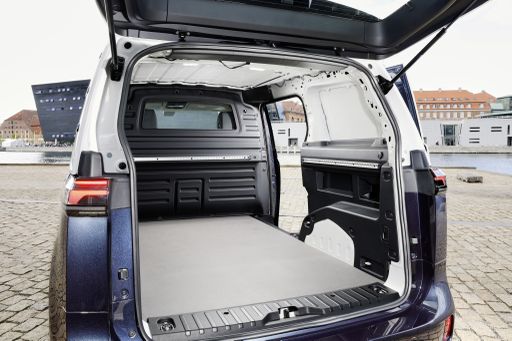
In maximum load capacity, the VW ID. Buzz Cargo performs decisively better – up to 3900 L, which is about 2740 L more than the smart #3.
When it comes to payload, VW ID. Buzz Cargo clearly takes the win – 753 kg compared to 450 kg. That’s a difference of about 303 kg.
Who comes out on top?
Overall, the smart #3 shows itself to be won narrowly and secures the title of DriveDuel Champion.
It convinces with the more balanced overall package and proves to be the more versatile choice for everyday use.
smart #3
VW ID. Buzz Cargo
Costs and Consumption
View detailed analysis
View detailed analysis
Engine and Performance
View detailed analysis
View detailed analysis
Dimensions and Body
View detailed analysis
View detailed analysis
from about £34,700
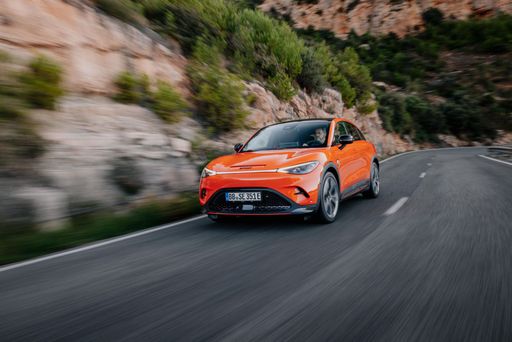 @ smart Europe GmbH
smart #3
smart #3
5 (1 Reviews)
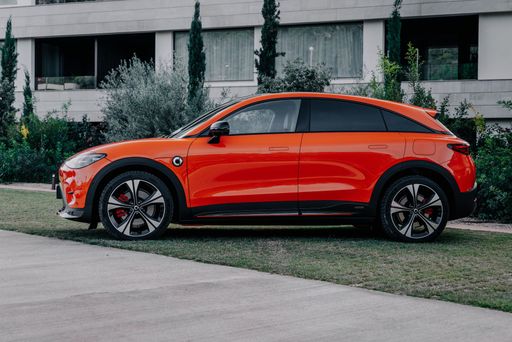
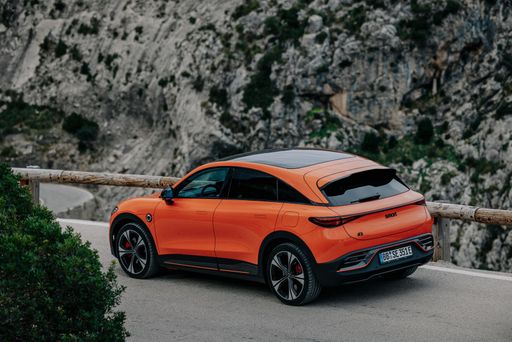
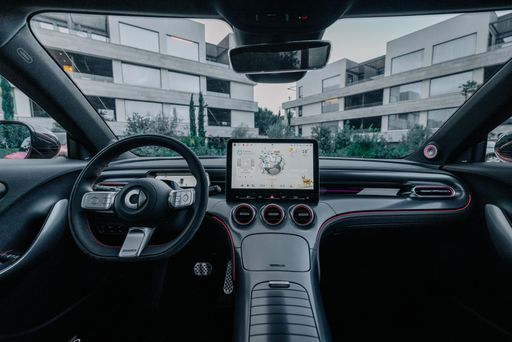
The Smart #3 turns the brand's cheeky city-car attitude into a grown-up compact SUV, pairing sleek styling with a surprisingly roomy, well-made interior. It's a brilliant pick for buyers who want electric ease without dullness — practical enough for daily life, but still lively enough to make parking and grocery runs feel a little fun.
details
@ smart Europe GmbH
 @ smart Europe GmbH
 @ smart Europe GmbH
 @ smart Europe GmbH
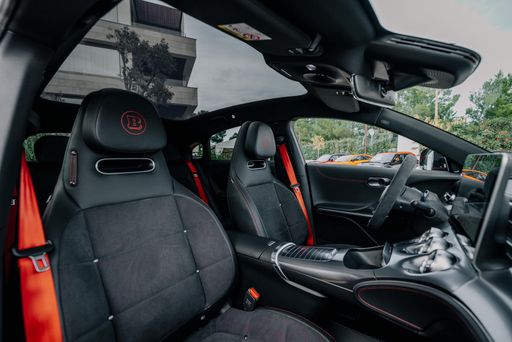 @ smart Europe GmbH
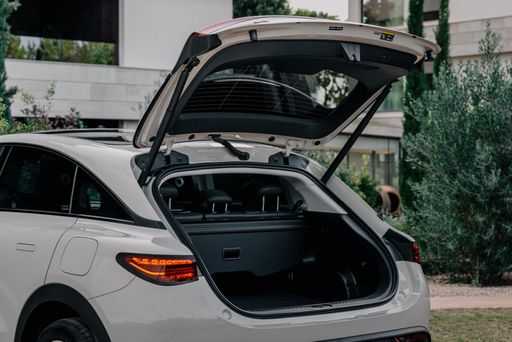 @ smart Europe GmbH
VW ID. Buzz Cargo
The VW ID. Buzz Cargo marries retro Volkswagen charm with a thoroughly modern electric work van, offering a surprisingly spacious and practical load area wrapped in friendly, iconic styling. It's a smart pick for urban tradespeople and small businesses who want quiet, effortless driving, lower running costs and easy maneuverability — with a healthy dash of nostalgia on the job.
details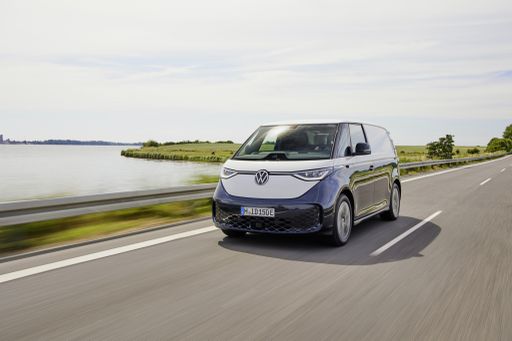 @ Volkswagen AG / VW Media
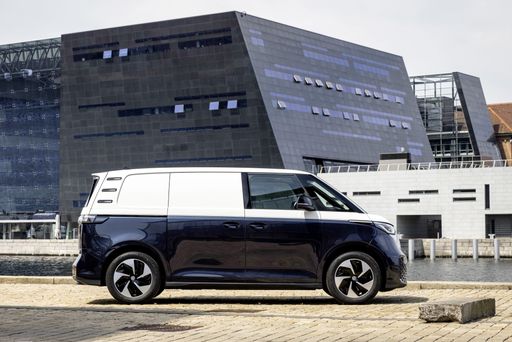 @ Volkswagen AG / VW Media
 @ Volkswagen AG / VW Media
smart #3
VW ID. Buzz Cargo
|
@ smart Europe GmbH
|
@ Volkswagen AG / VW Media
|
|
|
|
Costs and Consumption |
|
|---|---|
|
Price
34700 - 45800 £
|
Price
43600 - 51400 £
|
|
Consumption L/100km
-
|
Consumption L/100km
-
|
|
Consumption kWh/100km
16.3 - 17.6 kWh
|
Consumption kWh/100km
19.2 - 20.3 kWh
|
|
Electric Range
325 - 455 km
|
Electric Range
330 - 455 km
|
|
Battery Capacity
47 - 62 kWh
|
Battery Capacity
59 - 79 kWh
|
|
co2
0 g/km
|
co2
0 g/km
|
|
Fuel tank capacity
-
|
Fuel tank capacity
-
|
Dimensions and Body |
|
|---|---|
|
Body Type
SUV
|
Body Type
Cargo Van
|
|
Seats
5
|
Seats
3
|
|
Doors
5
|
Doors
4
|
|
Curb weight
1780 - 1910 kg
|
Curb weight
2264 - 2510 kg
|
|
Trunk capacity
370 L
|
Trunk capacity
-
|
|
Length
4400 mm
|
Length
4712 mm
|
|
Width
1844 mm
|
Width
1985 mm
|
|
Height
1556 mm
|
Height
1932 mm
|
|
Max trunk capacity
1160 L
|
Max trunk capacity
3900 L
|
|
Payload
419 - 450 kg
|
Payload
640 - 753 kg
|
Engine and Performance |
|
|---|---|
|
Engine Type
Electric
|
Engine Type
Electric
|
|
Transmission
Automatic
|
Transmission
Automatic
|
|
Transmission Detail
Reduction Gearbox
|
Transmission Detail
-
|
|
Drive Type
Rear-Wheel Drive, All-Wheel Drive
|
Drive Type
Rear-Wheel Drive, All-Wheel Drive
|
|
Power HP
272 - 428 HP
|
Power HP
170 - 340 HP
|
|
Acceleration 0-100km/h
3.7 - 5.8 s
|
Acceleration 0-100km/h
-
|
|
Max Speed
180 km/h
|
Max Speed
145 - 160 km/h
|
|
Torque
343 - 584 Nm
|
Torque
310 - 679 Nm
|
|
Number of Cylinders
-
|
Number of Cylinders
-
|
|
Power kW
200 - 315 kW
|
Power kW
125 - 250 kW
|
|
Engine capacity
-
|
Engine capacity
-
|
General |
|
|---|---|
|
Model Year
2023 - 2025
|
Model Year
2024
|
|
CO2 Efficiency Class
A
|
CO2 Efficiency Class
A
|
|
Brand
smart
|
Brand
VW
|
What drive types are available for the smart #3?
The smart #3 is available as Rear-Wheel Drive or All-Wheel Drive.
The prices and data displayed are estimates based on German list prices and may vary by country. This information is not legally binding.