
 Deutschland
 Schweiz (DE)
 France
 Nederland
 Great Britain
 Italia
 España
VS
Toyota Yaris VS BMW X1 – Specs, Efficiency & Price Comparison
Which model is the better choice – the Toyota Yaris or the BMW X1? We compare performance (280 HP vs 326 HP), boot capacity (286 L vs 540 L), efficiency (3.80 L vs 0.80 L), and of course, the price (21900 £ vs 38200 £).
Find out now which car fits your needs better!
The Toyota Yaris (Hatchback) is powered by a Full Hybrid or Petrol engine and comes with a Automatic or Manuel transmission. In comparison, the BMW X1 (SUV) features a Diesel, Petrol, Diesel MHEV, Petrol MHEV or Plugin Hybrid engine and a Automatic gearbox.
When it comes to boot capacity, the Toyota Yaris offers 286 L, while the BMW X1 provides 540 L – depending on what matters most to you. If you’re looking for more power, you’ll need to decide whether the 280 HP of the Toyota Yaris or the 326 HP of the BMW X1 suits your needs better.
There are also differences in efficiency: 3.80 L vs 0.80 L. In terms of price, the Toyota Yaris starts at 21900 £, while the BMW X1 is available from 38200 £.
Compare all the key specs now and find out which model fits your lifestyle best!
Toyota Yaris
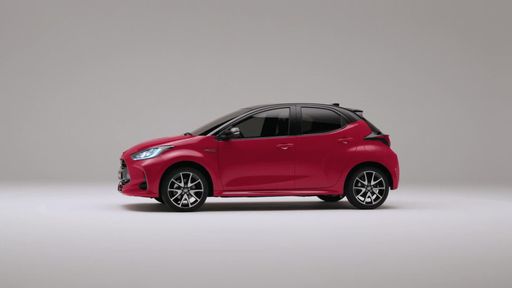
The Toyota Yaris exudes a charming blend of practicality and style, making it an appealing choice for urban drivers. Its compact design allows for easy manoeuvrability in crowded city streets, while the interior offers a surprisingly spacious and comfortable environment. With a focus on fuel efficiency and reliability, the Yaris remains a popular option for those seeking a balance between performance and economy.
details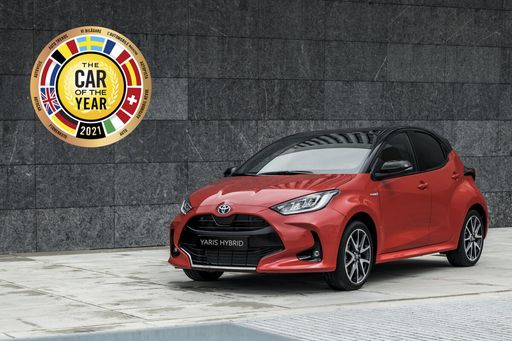 @ Toyota
 @ Toyota
BMW X1
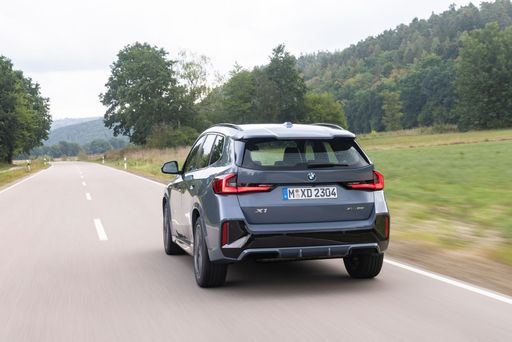
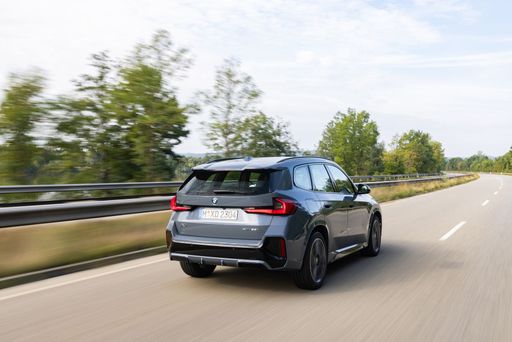
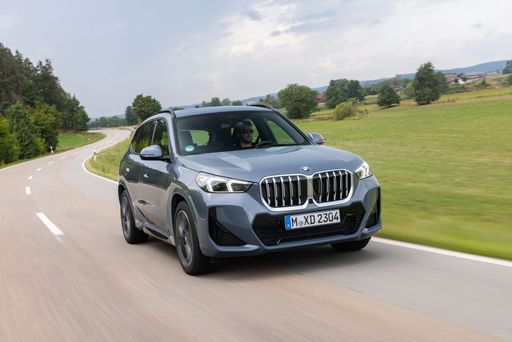
The new BMW X1 effortlessly blends sporty elegance with practical functionality, making it a standout choice in the compact SUV segment. Inside, the sophisticated cabin design is complemented by high-quality materials and cutting-edge technology, creating a welcoming and advanced driving environment. On the road, the vehicle's agile handling and responsive performance promise an engaging driving experience, whether navigating urban streets or embarking on longer journeys.
details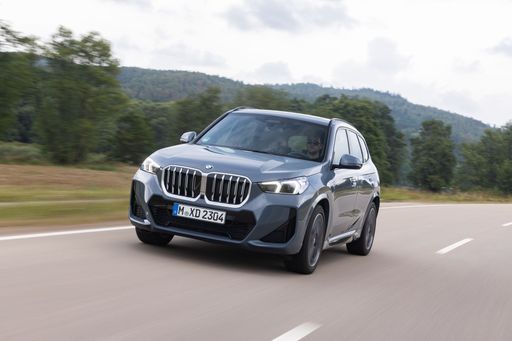 @ press.bmwgroup.com
 @ press.bmwgroup.com
 @ press.bmwgroup.com
 @ press.bmwgroup.com
 @ press.bmwgroup.com
Toyota Yaris
BMW X1
|
|
|
|
|
|
Costs and Consumption |
|
|---|---|
|
Price
21900 - 45000 £
|
Price
38200 - 55500 £
|
|
Consumption L/100km
3.8 - 9.5 L
|
Consumption L/100km
0.8 - 7.7 L
|
|
Consumption kWh/100km
-
|
Consumption kWh/100km
-
|
|
Electric Range
-
|
Electric Range
81 km
|
|
Battery Capacity
-
|
Battery Capacity
14.20 kWh
|
|
co2
87 - 215 g/km
|
co2
18 - 175 g/km
|
|
Fuel tank capacity
36 - 50 L
|
Fuel tank capacity
47 - 54 L
|
Dimensions and Body |
|
|---|---|
|
Body Type
Hatchback
|
Body Type
SUV
|
|
Seats
4 - 5
|
Seats
5
|
|
Doors
3 - 5
|
Doors
5
|
|
Curb weight
1090 - 1356 kg
|
Curb weight
1575 - 1935 kg
|
|
Trunk capacity
141 - 286 L
|
Trunk capacity
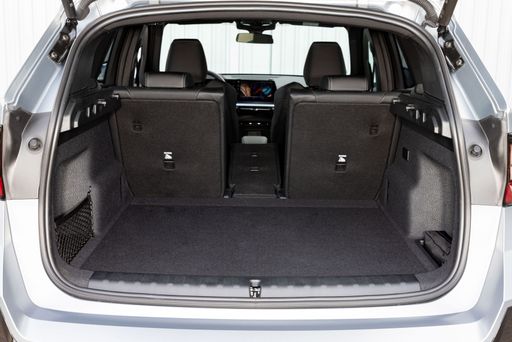
490 - 540 L
|
|
Length
3940 - 3995 mm
|
Length
4500 - 4505 mm
|
|
Width
1745 - 1805 mm
|
Width
1845 mm
|
|
Height
1455 - 1500 mm
|
Height
1622 - 1642 mm
|
|
Payload
289 - 525 kg
|
Payload
490 - 500 kg
|
Engine and Performance |
|
|---|---|
|
Engine Type
Full Hybrid, Petrol
|
Engine Type
Diesel, Petrol, Diesel MHEV, Petrol MHEV, Plugin Hybrid
|
|
Transmission
Automatic, Manuel
|
Transmission
Automatic
|
|
Transmission Detail
Schaltgetriebe, Automatikgetriebe
|
Transmission Detail
Automat. Schaltgetriebe (Doppelkupplung)
|
|
Drive Type
Front-Wheel Drive, All-Wheel Drive
|
Drive Type
Front-Wheel Drive, All-Wheel Drive
|
|
Power HP
116 - 280 HP
|
Power HP
136 - 326 HP
|
|
Acceleration 0-100km/h
5.5 - 9.7 s
|
Acceleration 0-100km/h
5.4 - 9.2 s
|
|
Max Speed
175 - 230 km/h
|
Max Speed
190 - 250 km/h
|
|
Torque
390 Nm
|
Torque
230 - 477 Nm
|
|
Number of Cylinders
3
|
Number of Cylinders
3 - 4
|
|
Power kW
85 - 206 kW
|
Power kW
100 - 240 kW
|
|
Engine capacity
1490 - 1618 cm3
|
Engine capacity
1499 - 1998 cm3
|
General |
|
|---|---|
|
Model Year
2024 - 2025
|
Model Year
2023 - 2024
|
|
CO2 Efficiency Class
B, G
|
CO2 Efficiency Class
D, E, B, F
|
|
Brand
Toyota
|
Brand
BMW
|
Toyota Yaris
Introducing the Next-Gen Toyota Yaris: A Blend of Innovation and Technology
The Toyota Yaris has long been lauded for its efficiency, reliability, and practicality. As we venture into the 2024 model year, Toyota has upped the ante with the latest versions of this popular hatchback, melding cutting-edge technology with eco-conscious design. Here’s an in-depth look at what makes the current Yaris line-up stand out from the crowd.
Efficient Powertrains: Hybrid and Beyond
Spearheading the technological innovation in the Yaris range is the introduction of various hybrid models. The Yaris offers a 1.5-litre full-hybrid engine, marrying a petrol engine with an electric motor to produce between 116 and 130 PS. This power blend is controlled via a sophisticated CVT-gearbox, optimizing both performance and fuel efficiency, with consumption figures ranging from an impressive 3.8 to 4.2 litres per 100 km.
For those seeking pure performance, the GR Yaris variants provide a turbocharged 1.6-litre engine capable of producing 280 PS. This power is delivered via a choice of manual or automatic transmission, giving drivers the tactile involvement or convenience they desire.
Design that Fulfils and Inspires
The Yaris hasn't forgotten its roots as a compact, city-friendly hatchback, measuring between 3,940 and 3,995 mm in length. With its bold front grille, sleek lines, and a choice of striking colours, it's a car that turns heads while remaining perfectly suited for urban environments.
The interior is equally impressive, designed with a focus on driver convenience and comfort. Depending on the variant, Yaris can offer generous cargo space of up to 286 litres, making it a perfect companion for everyday tasks or weekend escapes.
Technological Integration: The Smart Choice
Toyota's approach goes beyond just improving engine technology; the Yaris is packed with innovative features aimed at enhancing the driving experience. It boasts a suite of advanced safety systems such as lane departure alert, pre-collision system, and adaptive cruise control, ensuring peace of mind on the road.
The infotainment system in the Yaris is designed to keep you connected, offering seamless smartphone integration, a user-friendly interface, and an intuitive navigation system, ensuring that you're always informed and entertained.
The Cost of Innovation
Owning a Yaris is not just about impressive technology; it's also about making economic sense. With a price range between €25,500 and €49,990, and monthly costs spanning from €748 to €1,513, it offers a broad spectrum to suit different budget needs.
Concerned about emissions? You can rest easy knowing that the Yaris boasts a CO2 efficiency class ranging from B to G, thanks to its low emissions output of between 87 to 215 g/km.
Conclusion: The Toyota Yaris Drives the Future
The Toyota Yaris continues to be a strong contender in the compact car segment, pushing boundaries with its innovative full-hybrid systems and performance-oriented GR models. It's a remarkable blend of design, technology, and economy, ensuring it remains a top choice for drivers who demand more from their hatchbacks.
Whether you're seeking the efficiency of a hybrid or the thrill of the GR Yaris, there's a model tailored to your unique driving needs in Toyota's latest Yaris lineup.
BMW X1
The New BMW X1: A Fusion of Innovation and Performance
For those in search of a luxury SUV that masterfully combines technical innovation with driving pleasure, the BMW X1 stands as a paragon of design and engineering excellence. As part of the competitive compact SUV segment, the BMW X1 offers a robust array of features targeted towards both the tech-savvy and the driving enthusiast.
Advanced Engine Options
The BMW X1 delivers a versatile range of powertrains to suit the specific needs of different drivers. From the efficient diesel engines to cutting-edge plug-in hybrid variants, there’s a model for every preference. The diesel variants, including mild-hybrids, provide a balance between fuel efficiency and power delivery. Petrol engines, on the other hand, offer spirited performance with a more traditional feel.
Efficiency Meets Performance
The BMW X1's remarkable range of power, from 136 PS to an impressive 326 PS, caters to diverse driving needs. Models fitted with mild-hybrid technology afford drivers reduced fuel consumption and emissions, with the plug-in hybrid leading the field in eco-efficiency with consumption figures as low as 0.8 L/100km and an electric range of up to 83 km.
Technological Innovation
Stepping inside the BMW X1, drivers are greeted with an intuitive cockpit, seamlessly integrating the latest BMW technology. An advanced infotainment system offers connectivity at the touch of a button, while an array of driver assistance systems ensure that safety and convenience are at the forefront.
Design and Comfort
The BMW X1 exudes a powerful presence on the road with its refined SUV aesthetics. Offering substantial interior space, it comfortably accommodates up to five passengers with ample boot capacity ranging from 490 to 540 litres. BMW also offers various trim levels, including the luxurious M Sport package, that enhance both the aesthetic and dynamic appeal.
Dynamic Driving Experience
BMW enthusiasts will appreciate the dynamic handling characteristics synonymous with the brand. Whether it's the front-wheel drive or the xDrive all-wheel system, the BMW X1 delivers responsive handling and a smooth driving experience, making it ideal for both urban and motorway driving scenarios.
Conclusion
The BMW X1 raises the bar for compact SUVs, offering a harmonious blend of innovation, efficiency, and driving pleasure. For those seeking a vehicle that stands out both in terms of aesthetics and technology, the X1 is undoubtedly a worthy contender.
The prices and data displayed are estimates based on German list prices and may vary by country. This information is not legally binding.