VS

Volvo EX90 vs Mercedes EQS SUV comparison

Compare performance (680 HP vs 658 HP), boot space and price (73,700 £ vs 95,000 £ ) at a glance. Find out which car is the better choice for you – Volvo EX90 or Mercedes EQS SUV?

Volvo EX90 vs Mercedes EQS SUV: Key differences

Volvo EX90

  • visibly cheaper
  • only slightly more power
  • somewhat more efficient
  • very slightly quicker 0–100 km/h
  • barely lighter

Mercedes EQS SUV

  • moderately more electric range
EX90

A New Era of Electric SUVs: Mercedes EQS SUV vs Volvo EX90

The electric vehicle market is rapidly expanding, with automakers pushing the boundaries of innovation. Two such titans, the Mercedes EQS SUV and the Volvo EX90, represent the pinnacle of luxury electric SUVs. How do they stack up against each other? Let's delve into the technical aspects and innovations that set these vehicles apart.
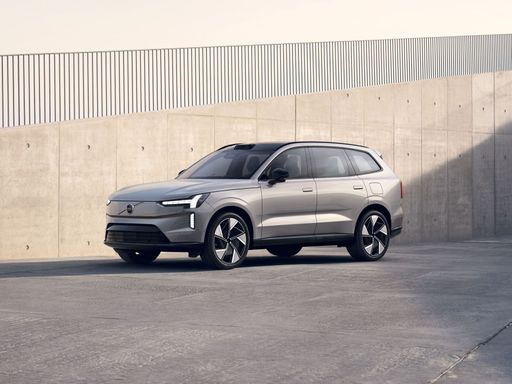
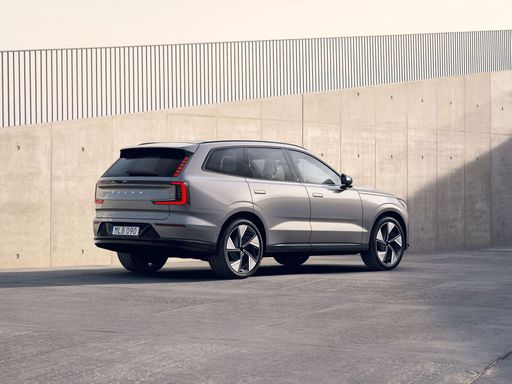
EQS SUV

Power and Performance

The Mercedes EQS SUV offers a versatile range of powertrains, catering to varied driving preferences. It comes with power outputs ranging from 360 HP to a staggering 658 HP, powered by electric motors that can propel this luxury SUV from 0 to 100 km/h in as little as 4.4 seconds. The maximum speed for this vehicle is capped at 210 km/h. The torque variants stand out, delivering between 568 Nm and 950 Nm, ensuring a smooth and potent performance.

On the other side, the Volvo EX90 provides a more streamlined range of options, offering power ratings of 279 HP, 408 HP, and 517 HP. Acceleration is impressive too, with the EX90 reaching 100 km/h from a standstill in just 4.9 seconds. Its maximum velocity is slightly lower, limited to 180 km/h, with torque offerings of 490 Nm to a robust 910 Nm.

EX90

Range and Efficiency

The EQS SUV boasts an exceptional electric range, whispering up to 709 km on a single charge, while being remarkably efficient with consumption figures ranging between 19.1 kWh/100km and 22.5 kWh/100km. Its high capacity batteries are rated at 118 kWh and 108.4 kWh.

The Volvo EX90 also impresses with its range, capable of traveling up to 614 km. With an energy consumption between 19.9 kWh/100km and 20.8 kWh/100km, it strikes a commendable balance between efficiency and power, supported by battery capacities of 101 kWh and 107 kWh.

EQS SUV

Comfort and Space

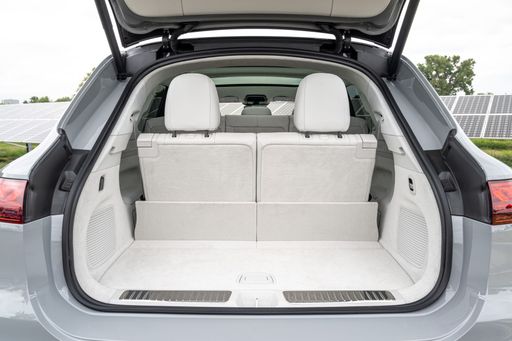
Both models epitomize luxury and comfort, yet they differ slightly in interior offerings. The EQS SUV can comfortably accommodate up to five passengers with a relatively high trunk capacity of 645 liters. Its spacious interior is complemented by dimensions of 5125 mm in length, 2034 mm in width, and 1721 mm in height.

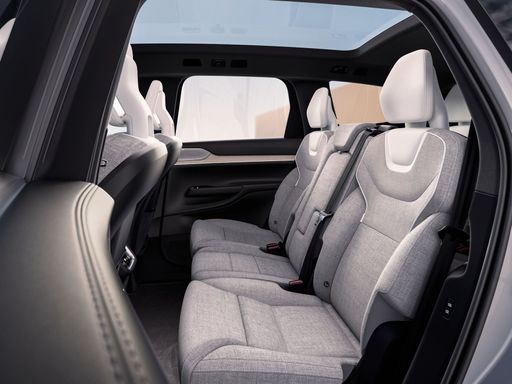
Meanwhile, the Volvo EX90 offers a versatile seating arrangement for up to six passengers, though its trunk capacity is a more modest 310 liters. It measures 5037 mm long, 1964 mm wide, and 1744 mm high, providing a slightly more compact option without sacrificing comfort.

EX90

Final Thoughts

These electric giants are more than just modes of transport; they are statements of sustainability, innovation, and luxury. The Mercedes EQS SUV stands out with its range, power variety, and expansive trunk space, while the Volvo EX90 offers substantial power and a unique six-seater configuration. Ultimately, both vehicles represent the future of automotive innovation, leaving potential buyers spoiled for choice depending on their priorities.

As we move towards an electrified future, both the Mercedes EQS SUV and Volvo EX90 showcase what luxury and environmental responsibility can look like in harmony.

Here’s where it gets real: The technical differences in detail

EX90

Costs and Efficiency:

Price and efficiency are key factors when choosing a car – and this is often where the real differences emerge.

Volvo EX90 is visibly cheaper – starting at 73,700 £ , while the Mercedes EQS SUV costs 95,000 £ . That’s a price difference of around 21,267 £.

In terms of energy consumption, the Volvo EX90 is somewhat more efficient: consuming 17.8 kWh/100km compared to 19.6 kWh/100km for the Mercedes EQS SUV. That’s a difference of about 1.8 kWh/100km.

As for electric range, the Mercedes EQS SUV offers moderately more range – reaching up to 695 km, about 75 km more than the Volvo EX90.

EQS SUV

Engine and Performance:

Under the bonnet, it becomes clear which model is tuned for sportiness and which one takes the lead when you hit the accelerator.

When it comes to engine power, the Volvo EX90 offers only slightly more power – delivering 680 HP compared to 658 HP. That’s roughly 22 HP more horsepower.

When accelerating from 0 to 100 km/h, the Volvo EX90 is very slightly quicker – completing the sprint in 4.2 s, while the Mercedes EQS SUV takes 4.4 s. That’s about 0.2 s quicker.

There’s also a difference in torque: the Mercedes EQS SUV delivers only slightly more torque with 950 Nm compared to 870 Nm. That’s about 80 Nm more.

EX90

Space and Everyday Use:

Whether family car or daily driver – which one offers more room, flexibility and comfort?

Seats: Volvo EX90 offers more seats – 7 vs 5.

In terms of curb weight, Volvo EX90 is barely lighter – 2,555 kg compared to 2,695 kg. The difference is around 140 kg.

When it comes to payload, the Volvo EX90 carries barely more – 585 kg compared to 570 kg. That’s a difference of about 15 kg.

Who wins the race in the data check?

The Volvo EX90 stands well ahead of its rival in the objective data comparison.
This result only shows which model scores more points on paper – not which of the two cars feels right for you.

from £73,700
EX90

Volvo EX90

  • Engine Type : Electric
  • Transmission : Automatic
  • Drive Type : Rear-Wheel Drive, All-Wheel Drive
  • Power HP : 333 - 680 HP
  • Consumption kWh/100km : 17.8 - 19.3 kWh/100km
  • Electric Range : 570 - 620 km
Volvo EX90
Mercedes EQS SUV

Costs and Consumption

View detailed analysis

Engine and Performance

View detailed analysis

Dimensions and Body

View detailed analysis

Volvo EX90

The Volvo EX90 feels like a Scandinavian fortress on wheels, combining serene luxury with smart safety features that make everyday driving remarkably calm and confident. It dresses cutting-edge electric technology in understated elegance, so buyers who want peace of mind without shouting about it will find it hard to resist.

details

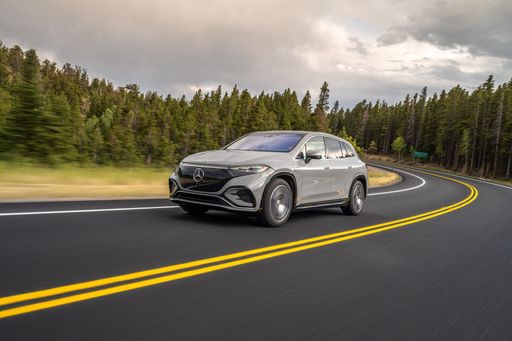
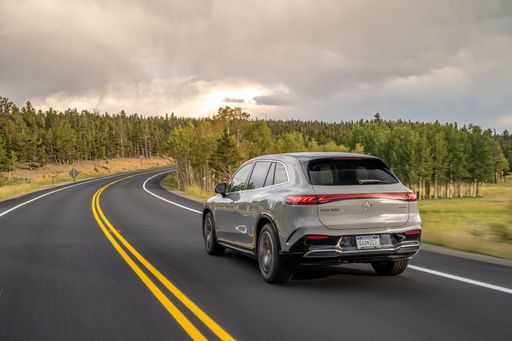
Mercedes EQS SUV

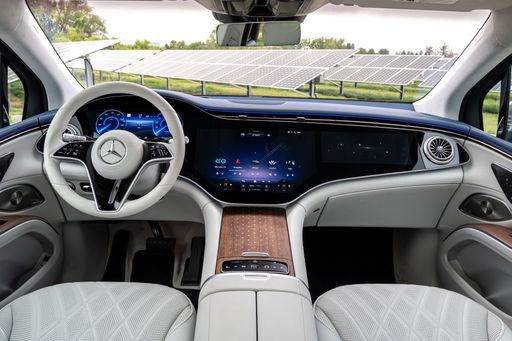
The Mercedes EQS SUV blends limousine-level quiet and luxury with the commanding presence of an SUV, wrapping passengers in sumptuous materials and a futuristic, screen-dominated cabin. It drives with serene confidence and delivers the kind of effortless refinement that makes city commutes and long trips feel like first-class experiences — just be prepared for attention wherever you park it.

details
Volvo EX90
Mercedes EQS SUV

Costs and Consumption

Price
73,700 - 91,700 £
Price
95,000 - 212,100 £
Consumption L/100km
-
Consumption L/100km
-
Consumption kWh/100km
17.8 - 19.3 kWh/100km
Consumption kWh/100km
19.6 - 21.9 kWh/100km
Electric Range
570 - 620 km
Electric Range
615 - 695 km
Battery Capacity
-
Battery Capacity
108.4 - 118 kWh
co2
0 g/km
co2
0 g/km
Fuel tank capacity
-
Fuel tank capacity
-

Dimensions and Body

Body Type
SUV
Body Type
SUV
Seats
6 - 7
Seats
4 - 5
Doors
-
Doors
5
Curb weight
2,555 - 2,764 kg
Curb weight
2,695 - 3,075 kg
Trunk capacity
-
Trunk capacity
440 - 645 L
Length
-
Length
5,125 mm
Width
1,964 mm
Width
1,959 - 2,034 mm
Height
-
Height
1,718 - 1,721 mm
Max trunk capacity
-
Max trunk capacity
2,100 L
Payload
544 - 585 kg
Payload
425 - 570 kg

Engine and Performance

Engine Type
Electric
Engine Type
Electric
Transmission
Automatic
Transmission
Automatic
Transmission Detail
Reduction Gearbox
Transmission Detail
Reduction Gearbox
Drive Type
Rear-Wheel Drive, All-Wheel Drive
Drive Type
All-Wheel Drive, Rear-Wheel Drive
Power HP
333 - 680 HP
Power HP
360 - 658 HP
Acceleration 0-100km/h
4.2 - 6.8 s
Acceleration 0-100km/h
4.4 - 6.8 s
Max Speed
-
Max Speed
210 km/h
Torque
480 - 870 Nm
Torque
568 - 950 Nm
Number of Cylinders
-
Number of Cylinders
-
Power kW
245 - 500 kW
Power kW
265 - 484 kW
Engine capacity
-
Engine capacity
-

General

Model Year
2,025
Model Year
2,024
CO2 Efficiency Class
A
CO2 Efficiency Class
A
Brand
Volvo
Brand
Mercedes-Benz
DriveDuel uses data analysis and artificial intelligence to evaluate vehicle data and create content. Content is regularly reviewed and improved. The displayed prices are estimates based on German list prices, adjusted to the respective country’s VAT. Country-specific registration taxes are not included. This information is not legally binding.