
 Deutschland
 France
 Nederland
 Great Britain
 Sverige
 Norge
Norge Danmark
 Suomi
Suomi Italia
 Polska
 España
VS
Volvo XC90 vs BYD Atto 2 – Which model is better for everyday use?
Two cars, one duel: Volvo XC90 meets BYD Atto 2.
Which one wins in performance, efficiency and value for money? Find out now!
XC90
@ Volvo Cars
Costs and Efficiency:
Price and efficiency are often the first things buyers look at. Here it becomes clear which model has the long-term edge – whether at the pump, the plug, or in purchase price.
BYD Atto 2 has a clearly advantage in terms of price – it starts at 27400 £, while the Volvo XC90 costs 69800 £. That’s a price difference of around 42342 £.
As for range, the BYD Atto 2 performs decisively better – achieving up to 312 km, about 241 km more than the Volvo XC90.
Atto 2
@ BYD Auto / BYD Global Media
Engine and Performance:
Power, torque and acceleration say a lot about how a car feels on the road. This is where you see which model delivers more driving dynamics.
When it comes to engine power, the Volvo XC90 has a convincingly edge – offering 455 HP compared to 177 HP. That’s roughly 278 HP more horsepower.
In acceleration from 0 to 100 km/h, the Volvo XC90 is clearly quicker – completing the sprint in 5.40 s, while the BYD Atto 2 takes 7.90 s. That’s about 2.50 s faster.
In terms of top speed, the Volvo XC90 performs slightly better – reaching 180 km/h, while the BYD Atto 2 tops out at 160 km/h. The difference is around 20 km/h.
There’s also a difference in torque: Volvo XC90 pulls clearly stronger with 709 Nm compared to 290 Nm. That’s about 419 Nm difference.
XC90
@ Volvo Cars
Space and Everyday Use:
Beyond pure performance, interior space and usability matter most in daily life. This is where you see which car is more practical and versatile.
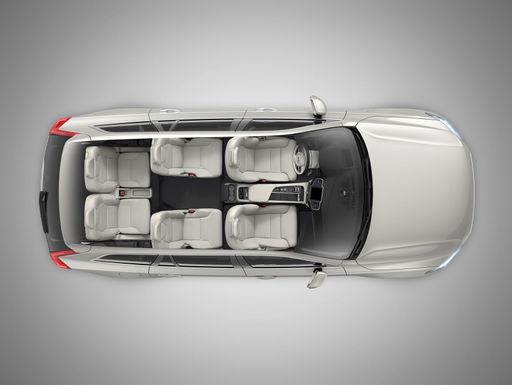
Seats: Volvo XC90 offers evident more seating capacity – 7 vs 5.
In curb weight, BYD Atto 2 is distinct lighter – 1570 kg compared to 2080 kg. The difference is around 510 kg.
In terms of boot space, the BYD Atto 2 offers distinct more room – 400 L compared to 302 L. That’s a difference of about 98 L.
In maximum load capacity, the Volvo XC90 performs clearly perceptible better – up to 1856 L, which is about 516 L more than the BYD Atto 2.
When it comes to payload, Volvo XC90 decisively takes the win – 710 kg compared to 410 kg. That’s a difference of about 300 kg.
Who comes out on top?
Overall, the Volvo XC90 shows itself to be secures victory with a clear margin and secures the title of DriveDuel Champion.
It convinces with the more balanced overall package and proves to be the more versatile choice for everyday use.
from about £69,800
 @ Volvo Cars
Volvo XC90
Volvo XC90
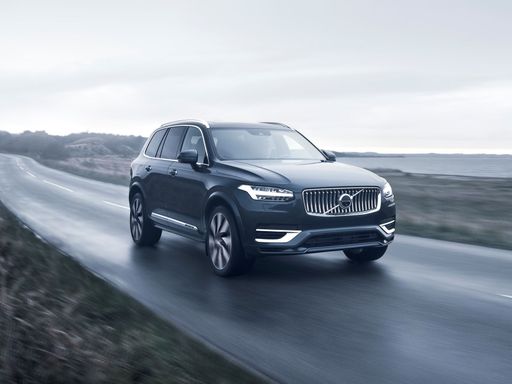
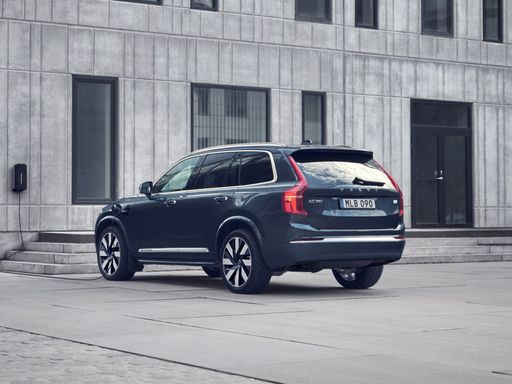
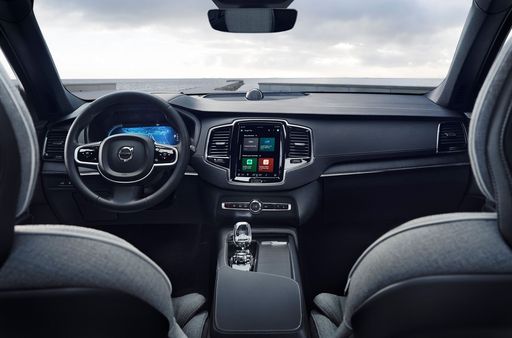
The Volvo XC90 is a serene Scandinavian SUV that mixes minimalist luxury with a composed, confidence-inspiring presence — ideal for buyers who want family practicality without sacrificing style. Inside it serves up a calm, well-crafted cabin and user-friendly tech that keeps long journeys pleasant and tantrums to a minimum, making the XC90 a smart, stylish pick for sensible drivers.
details
@ Volvo Cars
 @ Volvo Cars
 @ Volvo Cars
 @ Volvo Cars
 @ Volvo Cars
BYD Atto 2
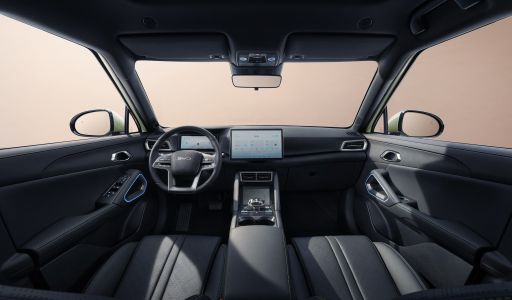
The Atto 2 is making waves in the electric vehicle market with its sleek design and impressive range. This innovative model combines cutting-edge technology with captivating aesthetics, making it a standout choice for eco-conscious drivers. With its spacious interior and advanced features, the Atto 2 offers both comfort and convenience for everyday use.
details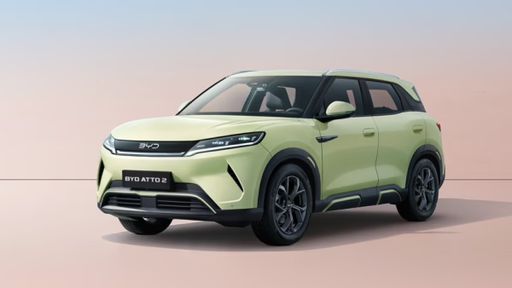 @ BYD Auto / BYD Global Media
 @ BYD Auto / BYD Global Media
Volvo XC90
BYD Atto 2
|
@ Volvo Cars
|
@ BYD Auto / BYD Global Media
|
|
|
|
Costs and Consumption |
|
|---|---|
|
Price
69800 - 84600 £
|
Price
27400 - 30000 £
|
|
Consumption L/100km
3.5 - 8.5 L
|
Consumption L/100km
-
|
|
Consumption kWh/100km
-
|
Consumption kWh/100km
16 kWh
|
|
Electric Range
71 km
|
Electric Range
312 km
|
|
Battery Capacity
14.70 kWh
|
Battery Capacity
-
|
|
co2
79 - 191 g/km
|
co2
0 g/km
|
|
Fuel tank capacity
71 L
|
Fuel tank capacity
-
|
Dimensions and Body |
|
|---|---|
|
Body Type
SUV
|
Body Type
SUV
|
|
Seats
7
|
Seats
5
|
|
Doors
5
|
Doors
5
|
|
Curb weight
2080 - 2297 kg
|
Curb weight
1570 kg
|
|
Trunk capacity
262 - 302 L
|
Trunk capacity
400 L
|
|
Length
4953 mm
|
Length
4310 mm
|
|
Width
1923 mm
|
Width
1830 mm
|
|
Height
1771 mm
|
Height
1675 mm
|
|
Max trunk capacity
1816 - 1856 L
|
Max trunk capacity
1340 L
|
|
Payload
653 - 710 kg
|
Payload
410 kg
|
Engine and Performance |
|
|---|---|
|
Engine Type
Petrol MHEV, Plugin Hybrid
|
Engine Type
Electric
|
|
Transmission
Automatic
|
Transmission
Automatic
|
|
Transmission Detail
Automatic Gearbox
|
Transmission Detail
Reduction Gearbox
|
|
Drive Type
All-Wheel Drive
|
Drive Type
Front-Wheel Drive
|
|
Power HP
250 - 455 HP
|
Power HP
177 HP
|
|
Acceleration 0-100km/h
5.4 - 7.7 s
|
Acceleration 0-100km/h
7.90 s
|
|
Max Speed
180 km/h
|
Max Speed
160 km/h
|
|
Torque
360 - 709 Nm
|
Torque
290 Nm
|
|
Number of Cylinders
4
|
Number of Cylinders
-
|
|
Power kW
184 - 335 kW
|
Power kW
130 kW
|
|
Engine capacity
1969 cm3
|
Engine capacity
-
|
General |
|
|---|---|
|
Model Year
2024 - 2025
|
Model Year
2025
|
|
CO2 Efficiency Class
G, B
|
CO2 Efficiency Class
A
|
|
Brand
Volvo
|
Brand
BYD
|
What drivetrain options does the Volvo XC90 have?
Available configurations include All-Wheel Drive.
The prices and data displayed are estimates based on German list prices and may vary by country. This information is not legally binding.