VS

VW Caddy vs Ford Transit Connect comparison

Compare performance (150 HP vs 150 HP), boot space and price (27,800 £ vs 26,700 £ ) at a glance. Find out which car is the better choice for you – VW Caddy or Ford Transit Connect?

VW Caddy vs Ford Transit Connect: Key differences

VW Caddy

  • marginally more electric range
details

Ford Transit Connect

  • only slightly cheaper
  • barely lighter
details

By Achim Sedelmaier

Caddy

In the competitive world of compact vans, the Ford Transit Connect and VW Caddy have emerged as formidable contenders, each boasting a blend of functionality, performance, and modern technology. As both brands continue to innovate in 2024, we take a closer look at how these two popular models compare in terms of technical specifications, innovations, and practical applications.

Transit Connect

Body and Dimensions

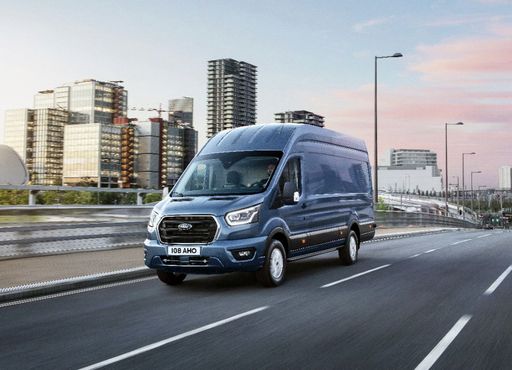
The Ford Transit Connect is designed primarily as a cargo van, measuring between 4500 and 4868 mm in length, 1855 mm in width, and standing at 1860 mm tall. Its cargo capacity is impressive, making it a robust choice for small business owners.

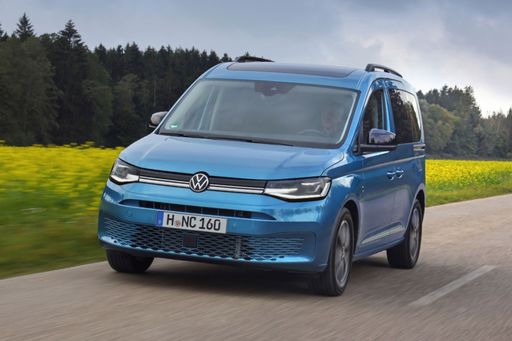
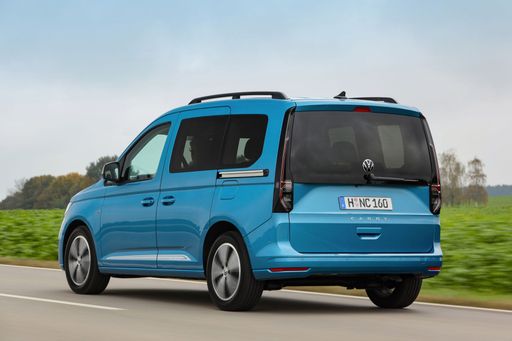
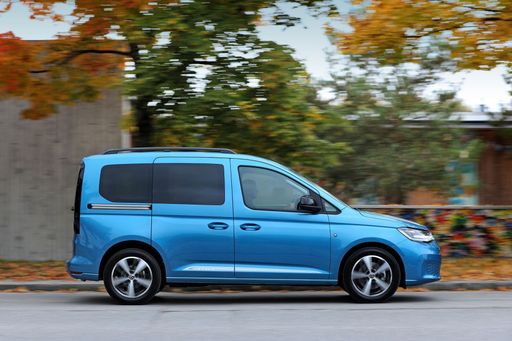
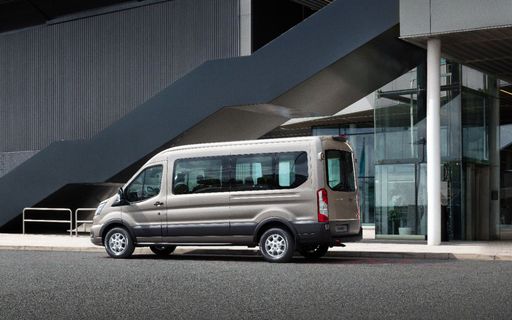
Alternatively, the VW Caddy presents itself as a high roof wagon, sharing a similar width at 1855 mm but offering a more spacious cabin with a height ranging from 1819 to 1860 mm. The Caddy also measures 4500 mm in length, providing ample passenger and cargo space.

Caddy

Powertrains and Performance

When it comes to engines, the Ford Transit Connect offers a choice between diesel and plug-in hybrid options, with power outputs ranging from 102 to 150 HP. It features a front-wheel-drive system coupled with a manual or dual-clutch automatic transmission, making it versatile for various driving conditions.

Conversely, the VW Caddy provides both petrol and diesel engine configurations, as well as a plug-in hybrid variant. Power ratings for the Caddy also span from 102 to 150 HP, and this model offers both front-wheel and all-wheel drive, giving it an edge in traction under challenging conditions.

Transit Connect

Acceleration and Top Speed

The Transit Connect demonstrates commendable acceleration capabilities, with a 0-100 km/h time as quick as 11.4 seconds and a top speed of 175 km/h. This performance is enabled by its efficient engine choices and lightweight design, making it suitable for urban and highway use alike.

In comparison, the VW Caddy boasts a slightly improved acceleration time of 11.4 seconds and a higher top speed reaching up to 182 km/h. Such performance can appeal to those who prioritize a dynamic driving experience.

Caddy

Fuel Efficiency and Battery Range

Fuel economy is a crucial factor for commercial vehicles, and both models deliver competitive figures. The Ford Transit Connect showcases a fuel tank capacity of 50 liters, allowing it to maintain distances between refuels effectively.

On the other hand, the VW Caddy’s fuel consumption ranges from 5.3 to 6.9 L/100 km across its different engine options, coupled with a comparable tank size. Furthermore, the Caddy's plug-in hybrid variant comes equipped with a 19.7 kWh battery, providing an electric range of up to 121 km—perfect for short urban commutes.

Transit Connect

Interior and Comfort Features

Inside the Ford Transit Connect, drivers will find an ergonomic design focused on practicality. With options for two or five seats, the van emphasizes cargo space, but it also includes modern technology to enhance the driving experience.

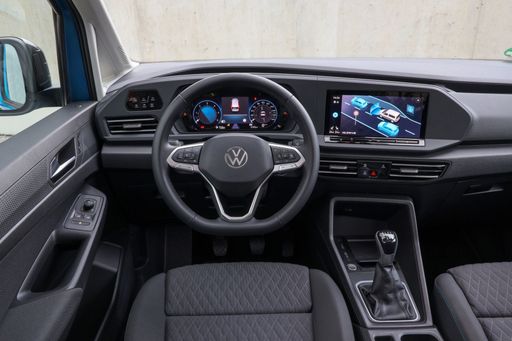
The VW Caddy takes the interior experience a step further. With seating for up to seven and a more dynamic layout, it focuses on comfort and functionality. The Caddy is equipped with advanced connectivity options, enhancing user interaction with smart devices and navigation systems.

Caddy

Conclusion: Which One Reigns Supreme?

Both the Ford Transit Connect and VW Caddy showcase their unique strengths—while the Transit Connect excels in versatility and practical cargo handling, the Caddy impresses with its advanced technology and overall driving comfort. Ultimately, the choice between these two compact vans may come down to personal preferences, intended usage, and brand loyalty.

As businesses continue to evolve in their logistics and mobility needs, both models are likely to remain integral players in the commercial vehicle market for years to come.

Here’s where it gets real: The technical differences in detail

Caddy

Costs and Efficiency:

Looking at overall running costs, both models reveal some interesting differences in everyday economy.

Ford Transit Connect is only slightly cheaper – starting at 26,700 £ , while the VW Caddy costs 27,800 £ . That’s a price difference of around 1,035 £.

Both cars consume an average of 0.5 L/100km – no difference here.

As for electric range, the VW Caddy offers marginally more range – reaching up to 121 km, about 3 km more than the Ford Transit Connect.

Transit Connect

Engine and Performance:

Power, torque and acceleration say a lot about how a car feels on the road. This is where you see which model delivers more driving dynamics.

Both models deliver identical power – 150 HP each.

Both models accelerate almost equally fast – 11.4 s from 0 to 100 km/h.

There’s no difference in top speed – both reach 186 km/h.

There’s also a difference in torque: the Ford Transit Connect delivers marginally more torque with 350 Nm compared to 320 Nm. That’s about 30 Nm more.

Caddy

Space and Everyday Use:

Cabin size, boot volume and payload all play a role in everyday practicality. Here, comfort and flexibility make the difference.

Seats: VW Caddy offers more seats – 7 vs 5.

In terms of curb weight, Ford Transit Connect is barely lighter – 1,477 kg compared to 1,575 kg. The difference is around 98 kg.

Maximum load volume is the same – both hold up to 3,700 L.

When it comes to payload, the Ford Transit Connect carries a bit more – 792 kg compared to 710 kg. That’s a difference of about 82 kg.

Who wins the race in the data check?

The VW Caddy holds a slight edge in the objective data comparison.
This result only shows which model scores more points on paper – not which of the two cars feels right for you.

from £27,800
Caddy

VW Caddy

  • Engine Type : Petrol, Diesel, Plugin Hybrid
  • Transmission : Manuel, Automatic
  • Drive Type : Front-Wheel Drive, All-Wheel Drive
  • Power HP : 102 - 150 HP
  • Consumption L/100km : 0.5 - 6.9 L/100km
  • Electric Range : 116 - 121 km
VW Caddy
Ford Transit Connect

Costs and Consumption

View detailed analysis

Engine and Performance

View detailed analysis

Dimensions and Body

View detailed analysis

VW Caddy

The VW Caddy is the Swiss-army knife of compact vans — practical, surprisingly refined, and ready to swap a weekend adventure for a grocery run without breaking a sweat. It’s user-friendly, comfortable enough for daily driving, and sensible for buyers who want utility with a dash of style and no drama.

details

Ford Transit Connect

The Ford Transit Connect is the go-to compact workhorse for urban professionals who need cargo space without driving a full-size van. It balances practicality and everyday manners with clever storage ideas and a surprisingly comfortable ride, making it a sensible choice for small businesses and families who value function over flair.

details
VW Caddy
Ford Transit Connect

Costs and Consumption

Price
27,800 - 45,900 £
Price
26,700 - 41,500 £
Consumption L/100km
0.5 - 6.9 L/100km
Consumption L/100km
0.5 - 5.8 L/100km
Consumption kWh/100km
-
Consumption kWh/100km
-
Electric Range
116 - 121 km
Electric Range
118 km
Battery Capacity
19.7 kWh
Battery Capacity
19.7 kWh
co2
10 - 165 g/km
co2
11 - 153 g/km
Fuel tank capacity
50 L
Fuel tank capacity
32 - 50 L

Dimensions and Body

Body Type
High Roof Estate
Body Type
Cargo Van
Seats
5 - 7
Seats
2 - 5
Doors
5
Doors
4
Curb weight
1,575 - 1,998 kg
Curb weight
1,477 - 1,866 kg
Trunk capacity
-
Trunk capacity
-
Length
4,500 - 4,853 mm
Length
4,500 - 4,868 mm
Width
1,855 mm
Width
1,855 mm
Height
1,819 - 1,860 mm
Height
1,856 - 1,860 mm
Max trunk capacity
2,556 - 3,700 L
Max trunk capacity
2,500 - 3,700 L
Payload
501 - 710 kg
Payload
602 - 792 kg

Engine and Performance

Engine Type
Petrol, Diesel, Plugin Hybrid
Engine Type
Diesel, Plugin Hybrid
Transmission
Manuel, Automatic
Transmission
Manuel, Automatic
Transmission Detail
Manual Gearbox, Dual-Clutch Automatic
Transmission Detail
Manual Gearbox, Dual-Clutch Automatic
Drive Type
Front-Wheel Drive, All-Wheel Drive
Drive Type
Front-Wheel Drive, All-Wheel Drive
Power HP
102 - 150 HP
Power HP
102 - 150 HP
Acceleration 0-100km/h
11.4 - 14 s
Acceleration 0-100km/h
11.4 - 13.5 s
Max Speed
173 - 186 km/h
Max Speed
175 - 186 km/h
Torque
220 - 320 Nm
Torque
280 - 350 Nm
Number of Cylinders
4
Number of Cylinders
4
Power kW
75 - 110 kW
Power kW
75 - 110 kW
Engine capacity
1,498 - 1,968 cm3
Engine capacity
1,498 - 1,968 cm3

General

Model Year
2024
Model Year
2,024 - 2,025
CO2 Efficiency Class
E, F, B
CO2 Efficiency Class
E, B
Brand
VW
Brand
Ford
DriveDuel uses data analysis and artificial intelligence to evaluate vehicle data and create content. Content is regularly reviewed and improved. The displayed prices are estimates based on German list prices, adjusted to the respective country’s VAT. Country-specific registration taxes are not included. This information is not legally binding.