VS

VW Golf Variant vs Skoda Octavia Combi comparison

Compare performance (333 HP vs 265 HP), boot space and price (26,100 £ vs 25,600 £ ) at a glance. Find out which car is the better choice for you – VW Golf Variant or Skoda Octavia Combi?

VW Golf Variant vs Skoda Octavia Combi: Key differences

VW Golf Variant

  • markedly more power
  • only slightly more efficient
  • markedly quicker 0–100 km/h

Skoda Octavia Combi

  • marginally cheaper
  • only slightly more trunk space
Golf Variant

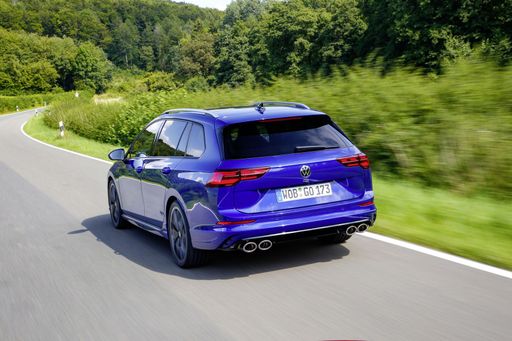
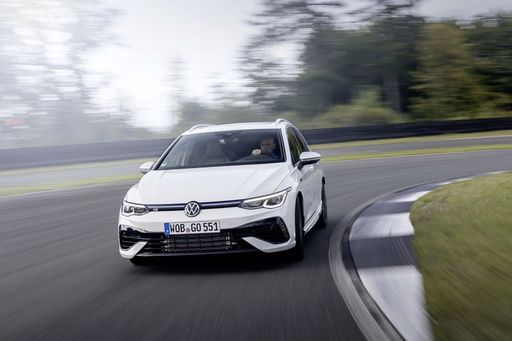
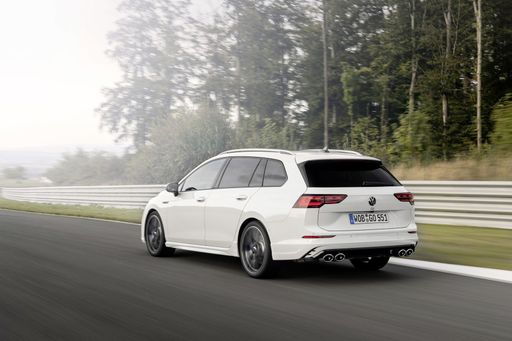
Different Faces from the Same Stable

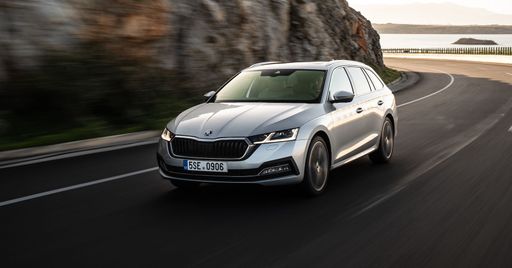
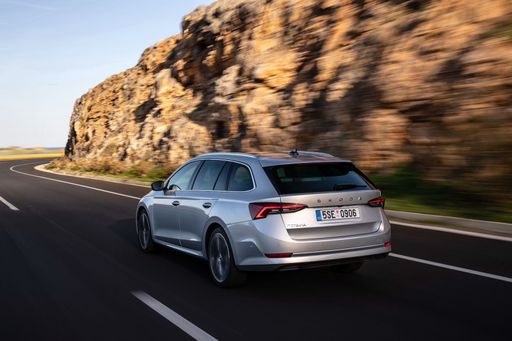
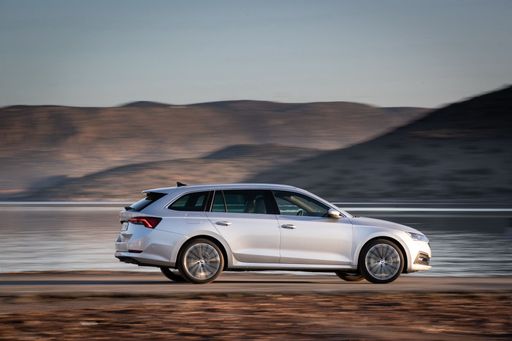
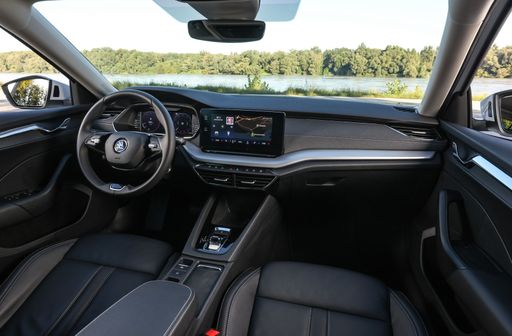
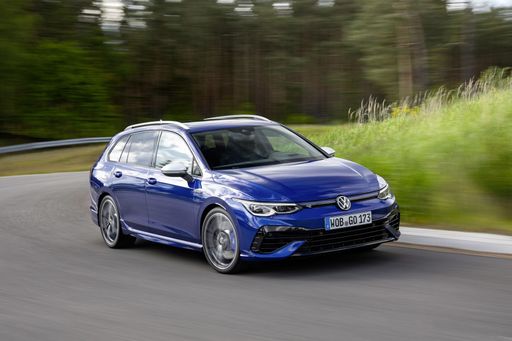
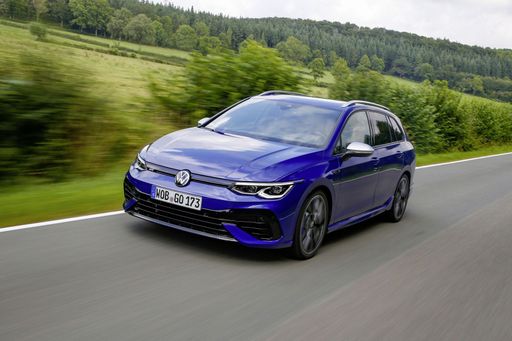
The Skoda Octavia Combi and the VW Golf Variant wear closely related coats but project distinct personalities: one leans toward pragmatic understatement while the other prefers a tidier, more urbane presence. From a distance both read as familiar and sensible, yet up close the detailing and stance tell different stories about who they want to appeal to. Buyers who favour subtle usefulness will notice different cues than those chasing a tidier badge and finish. Either way, both feel refreshingly cohesive rather than fragmented stylistically.
Octavia Combi

How They Behave When the Road Turns

Behind the wheel, the two share a composed manner but diverge in emotional tone: one is reassuringly steady and forgiving, the other sharper and more immediate under direction. Steering feel and suspension tuning give each its character — one invites relaxed mile-munching, the other encourages you to place it on line and enjoy the feedback. Neither is punishing, but your mood will dictate which temperament suits a typical commute or spirited weekend drive. Both are confidence-inspiring in their own ways.

Golf Variant

Practicalities That Matter at Home and Away

When it comes to day-to-day usefulness, both estates think like grown-ups: flexible load space, friendly packaging and easy-access tailgates that make grocery runs and DIY trips less of a chore. One clearly leans into cargo practicality with a more utilitarian layout, while the other focuses on clever touches and tighter packaging that make the interior feel tidier. Families and active owners will appreciate the usable surfaces and sensible storage rather than headline figures. Practicality here is about usable space and thoughtful details, not spectacle.

Octavia Combi

Cabin Comfort and Living With It Every Day

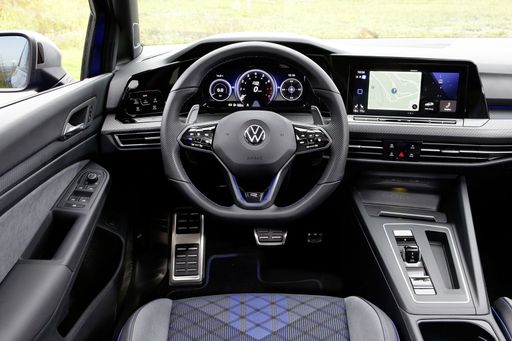
Interior ambience is where small differences become big impressions: materials, seat shaping and control ergonomics determine whether long stints feel like a treat or a test. One cabin emphasises straightforward comfort and roominess, while the other feels a touch more upscale and curated in its presentation. Both offer good visibility and a relaxed driving position, with interfaces that are largely familiar rather than revolutionary. The day-to-day comfort score will depend on what you prefer to touch and see daily.

Golf Variant

Where Each Shines on Your Map

Think of one as the long-haul companion — settled, composed and happy to cover distance without drama — and the other as the city-friendly, sharper alternative that makes quick maneuvers feel natural. Urban buyers will like the way one snugly negotiates tight spaces while country-road fans will enjoy the planted ride and confidence on sweepers. Both cope well with variety, but their strengths point toward different weekly routines. Match the car to the way you use it and the compromises become choices.

Octavia Combi

Which Shopper Should Look Twice

Commuters who value a relaxed daily ride will find one of these hard to ignore, while families and practical-minded owners may be drawn to the other’s utility and clever detailing. Style-conscious buyers who want a tidy presentation and a slightly sharper edge will take comfort in the more polished choice, whereas those who prioritise maximum everyday usefulness will appreciate the more workmanlike option. Your lifestyle — school runs, business miles, weekend kit — should steer you more than badge loyalty. Test both with your real life in mind and the right fit will become obvious.

Golf Variant

Turn the Page

If you’ve enjoyed the comparison so far, keep going — we’ll unpack the finer points, real-world usability and ownership insights next, and the DriveDuel Champion will be revealed afterwards.

Here’s where it gets real: The technical differences in detail

Golf Variant

Costs and Efficiency:

Price and efficiency are often the first things buyers look at. Here it becomes clear which model has the long-term edge – whether at the pump, the plug, or in purchase price.

Skoda Octavia Combi is marginally cheaper – starting at 25,600 £ , while the VW Golf Variant costs 26,100 £ . That’s a price difference of around 561 £.

Fuel consumption also shows a difference: the VW Golf Variant uses 4.3 L/100km and is only slightly more efficient than the Skoda Octavia Combi with 4.4 L/100km. The difference is about 0.1 L/100km.

Octavia Combi

Engine and Performance:

Under the bonnet, it becomes clear which model is tuned for sportiness and which one takes the lead when you hit the accelerator.

When it comes to engine power, the VW Golf Variant offers markedly more power – delivering 333 HP compared to 265 HP. That’s roughly 68 HP more horsepower.

When accelerating from 0 to 100 km/h, the VW Golf Variant is markedly quicker – completing the sprint in 4.8 s, while the Skoda Octavia Combi takes 6.5 s. That’s about 1.7 s quicker.

There’s no difference in top speed – both reach 250 km/h.

There’s also a difference in torque: the VW Golf Variant delivers moderately more torque with 420 Nm compared to 370 Nm. That’s about 50 Nm more.

Golf Variant

Space and Everyday Use:

Cabin size, boot volume and payload all play a role in everyday practicality. Here, comfort and flexibility make the difference.

Both vehicles offer seating for 5 people.

Both models weigh roughly the same – around 1,366 kg.

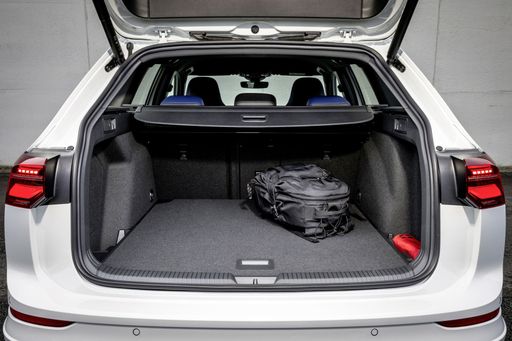
Looking at boot space, the Skoda Octavia Combi offers only slightly more boot space – 640 L compared to 611 L. That’s a difference of about 29 L.

For maximum load capacity, the Skoda Octavia Combi offers only slightly more capacity – up to 1,700 L, about 58 L more than the VW Golf Variant.

When it comes to payload, the VW Golf Variant carries only slightly more – 547 kg compared to 534 kg. That’s a difference of about 13 kg.

Who wins the race in the data check?

The VW Golf Variant holds a decisive overall lead in the objective data comparison.
This result only shows which model scores more points on paper – not which of the two cars feels right for you.

from £26,100
Golf Variant

VW Golf Variant

  • Engine Type : Petrol MHEV, Petrol, Diesel
  • Transmission : Automatic, Manuel
  • Drive Type : Front-Wheel Drive, All-Wheel Drive
  • Power HP : 116 - 333 HP
  • Consumption L/100km : 4.3 - 8.2 L/100km
VW Golf Variant
Skoda Octavia Combi

Costs and Consumption

View detailed analysis

Engine and Performance

View detailed analysis

Dimensions and Body

View detailed analysis

VW Golf Variant

The Golf Estate packs Volkswagen's familiar poise into a practical, grown-up estate that quietly makes everyday life easier without shouting for attention. It's clever, comfortable and roomy enough for weekend kit or family chaos, offering smart packaging and refined manners that make it a sensible and surprisingly stylish choice for buyers who need space but don't want a van.

details

Skoda Octavia Combi

The Skoda Octavia Combi is the sensible family wagon that somehow turns grocery runs and long trips into a pleasant, unshowy experience — spacious, practical and built like it prefers reliability over flash. With smart touches, clever storage and a cabin that feels grown-up rather than frugal, it’s an easy recommendation for buyers who want maximum utility without sacrificing comfort or style.

details
VW Golf Variant
Skoda Octavia Combi

Costs and Consumption

Price
26,100 - 48,700 £
Price
25,600 - 42,300 £
Consumption L/100km
4.3 - 8.2 L/100km
Consumption L/100km
4.4 - 6.9 L/100km
Consumption kWh/100km
-
Consumption kWh/100km
-
Electric Range
-
Electric Range
-
Battery Capacity
-
Battery Capacity
-
co2
114 - 185 g/km
co2
113 - 157 g/km
Fuel tank capacity
45 - 55 L
Fuel tank capacity
45 - 55 L

Dimensions and Body

Body Type
Estate
Body Type
Estate
Seats
5
Seats
5
Doors
5
Doors
5
Curb weight
1,366 - 1,621 kg
Curb weight
1,366 - 1,553 kg
Trunk capacity
611 L
Trunk capacity
640 L
Length
4,631 - 4,651 mm
Length
4,698 - 4,709 mm
Width
1,789 mm
Width
1,829 mm
Height
1,462 - 1,487 mm
Height
1,455 - 1,468 mm
Max trunk capacity
1,624 - 1,642 L
Max trunk capacity
1,700 L
Payload
489 - 547 kg
Payload
471 - 534 kg

Engine and Performance

Engine Type
Petrol MHEV, Petrol, Diesel
Engine Type
Petrol, Petrol MHEV, Diesel
Transmission
Automatic, Manuel
Transmission
Automatic, Manuel
Transmission Detail
Dual-Clutch Automatic, Manual Gearbox
Transmission Detail
Dual-Clutch Automatic, Manual Gearbox
Drive Type
Front-Wheel Drive, All-Wheel Drive
Drive Type
Front-Wheel Drive, All-Wheel Drive
Power HP
116 - 333 HP
Power HP
116 - 265 HP
Acceleration 0-100km/h
4.8 - 10.5 s
Acceleration 0-100km/h
6.5 - 10.7 s
Max Speed
203 - 250 km/h
Max Speed
203 - 250 km/h
Torque
220 - 420 Nm
Torque
220 - 370 Nm
Number of Cylinders
4
Number of Cylinders
4
Power kW
85 - 245 kW
Power kW
85 - 195 kW
Engine capacity
1,498 - 1,984 cm3
Engine capacity
1,498 - 1,984 cm3

General

Model Year
2,024 - 2,025
Model Year
2,024 - 2,025
CO2 Efficiency Class
D, G, F, C
CO2 Efficiency Class
E, F, D, C
Brand
VW
Brand
Skoda
DriveDuel uses data analysis and artificial intelligence to evaluate vehicle data and create content. Content is regularly reviewed and improved. The displayed prices are estimates based on German list prices, adjusted to the respective country’s VAT. Country-specific registration taxes are not included. This information is not legally binding.