VS

VW Golf vs CUPRA Leon comparison

Compare performance (325 HP vs 325 HP), boot space and price (28,300 £ vs 35,200 £ ) at a glance. Find out which car is the better choice for you – VW Golf or CUPRA Leon?

VW Golf vs CUPRA Leon: Key differences

VW Golf

4.6 (1 Reviews)
rate
  • noticeably cheaper
  • moderately more efficient
  • very slightly more electric range
  • barely quicker 0–100 km/h
  • very slightly lighter
  • very slightly more trunk space
details

CUPRA Leon

details

By Achim Sedelmaier

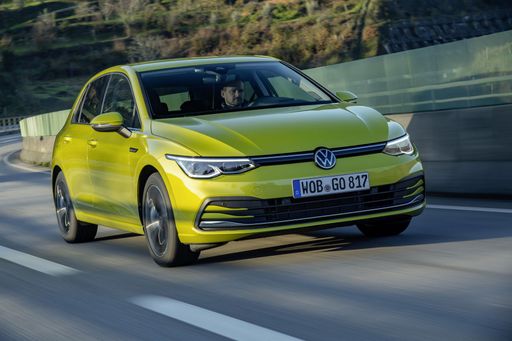
Golf

Quick take: CUPRA Leon vs VW Golf

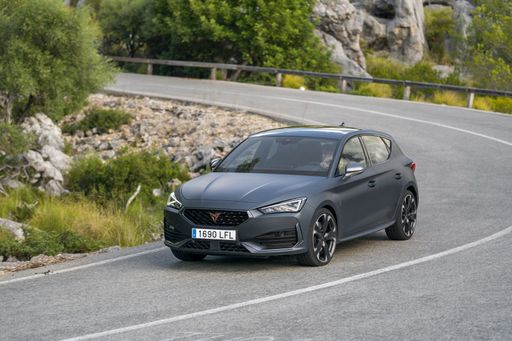
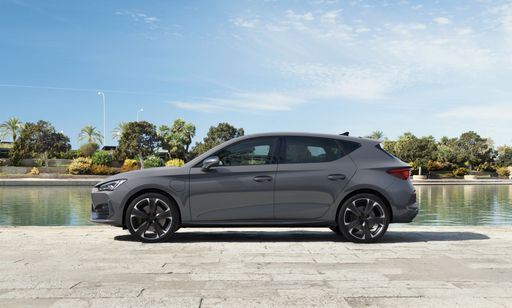
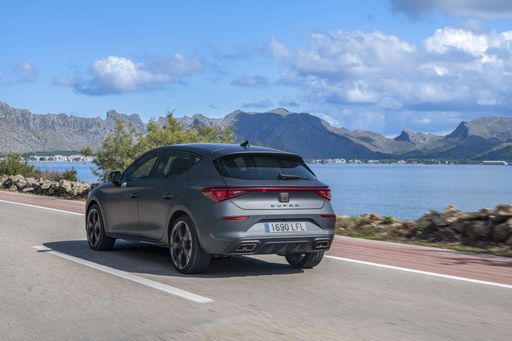
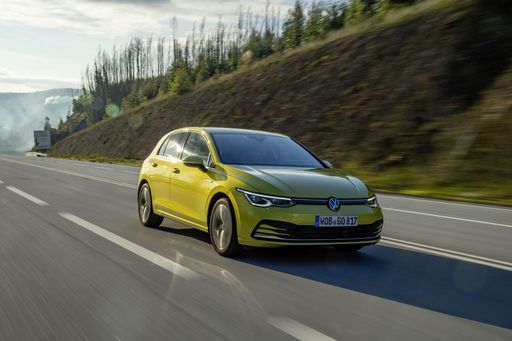
CUPRA Leon and VW Golf share architecture but not purpose: the Leon injects drama and a sportier edge into the compact class, while the Golf plays the composed, do‑everything role. The Leon is for buyers who want styling, sharper chassis responses and the option of a very practical estate in the ST; the Golf is for people who prioritise understated refinement, ergonomics and long‑distance calm. That contrast shows up everywhere from suspension tuning to how each manufacturer approaches controls and options. Expect the Leon to feel more emotional and the Golf to feel more sensible in everyday use. These are trade-offs that matter more than raw figures when you live with the car day after day.
Leon

Driving character and engagement

The CUPRA Leon leans into driver feedback: firmer initial suspension, a more eager turn‑in with the right setup and options like adaptive dampers that can flip between comfy and taut. The VW Golf favours balance and predictability, steering and suspension tuned for reassurance rather than theatrics, so long motorway stints are less fatiguing. In real use the Leon rewards someone who enjoys lively back‑road driving or wants a sportier feel on demand, while the Golf keeps mistakes forgiving and pace steady when you prefer to relax. PHEV versions of either blunt the liveliest edges—Leon’s heavier electrified variants trade bite for efficiency—so consider how you’ll actually use the car. Both can be quick, but the sensation of speed and control is distinctly different between the two.

Golf

Cabin feel and daily usability

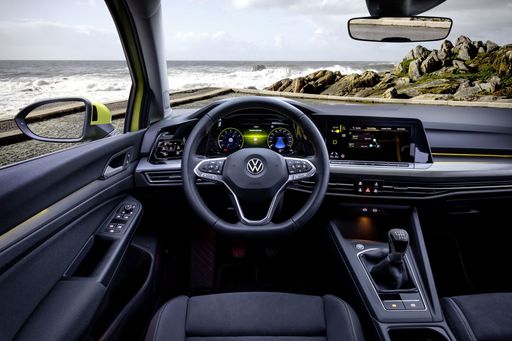
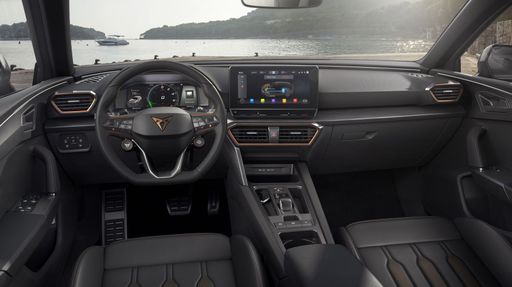
The CUPRA Leon’s interior aims to impress with sporty seats and a punchy visual layout, but its touch‑first climate and audio controls demand more attention and can be fiddly in traffic. The VW Golf takes a more pragmatic route: clearer menus, tactile shortcuts, illuminated sliders and physical controls that make routine adjustments simpler and less distracting. Material quality is solid in both, yet the Golf’s quieter, understated cabin reads as more mature, whereas the Leon’s surfaces and trim are chosen to reinforce its emotional character. If you value instant‑grasp ergonomics and fewer UI annoyances, the Golf has the edge; if you want a cabin that feels lively and supportive on spirited drives, the Leon will appeal more. Either way, expect the Leon to feel sportier and the Golf to feel more composed under daily pressures.

Leon

Comfort on the motorway and in the city

On long runs the VW Golf is the easier companion: lower interior noise, forgiving suspension and driver aids that reduce fatigue make it the calmer highway machine. The CUPRA Leon is also strong at speed—stable and planted—but larger wheels and firmer setups expose rough surfaces and raise tyre roar in the city. In tight urban environments the Leon’s compact footprint and parking tech help, but its firmer chassis and touch‑heavy controls are less forgiving in stop‑start traffic. The Golf’s park assist, wider comfort spread and softer basic setup make daily commutes and long trips feel less effortful. Choose the Leon if you want a car that’s alive on open roads; choose the Golf if you regularly cover long distances or want a gentler city ride.

Golf

Practicality and family suitability

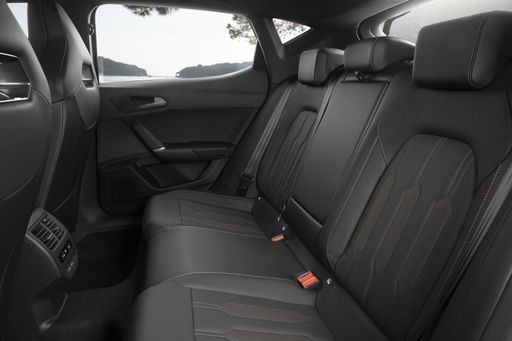
Practical differences matter in real life: the CUPRA Leon Sportstourer (ST) turns the sporty package into a genuinely family‑useful estate with an easy loading area and split‑fold seats, while the Leon hatch is competent but loses a lot of utility in electrified variants. The VW Golf delivers a roomy, well‑shaped boot in mainstream guises and a sensible, user‑friendly layout that suits four adults and their luggage reliably. Rear legroom in the Leon is adequate but a touch tighter than the Golf’s, and small annoyances like fiddly ISOFIX access or a high loading lip show up more in day‑to‑day family use. If cargo flexibility and rear passenger comfort are priorities, the Golf’s pragmatic packaging is hard to beat; if you want sportiness plus the occasional big load, the Leon ST is a strong alternative. Value for space therefore leans toward the Golf unless you opt for the Leon ST specifically.

Leon

Who should buy which car — buyer fit and the road ahead

If you prioritise emotion, sharper handling and a bolder visual statement, the CUPRA Leon suits buyers who want to feel engaged every time they climb in and who value the Sportstourer for occasional large loads. If your checklist is long motorway miles, intuitive controls, quieter cabins and broadly usable packaging, the VW Golf will likely reduce daily friction and deliver steadier ownership satisfaction. Price, options and whether you will regularly charge a PHEV are practical levers that amplify these differences, so think about running patterns as much as peak performance. The technical comparison below will unpack how consumption, boot space and suspension choices translate into real‑world costs and usability so you can judge which trade‑offs align with your life.

Here’s where it gets real: The technical differences in detail

Golf

Costs and Efficiency:

Price and efficiency are often the first things buyers look at. Here it becomes clear which model has the long-term edge – whether at the pump, the plug, or in purchase price.

VW Golf is noticeably cheaper – starting at 28,300 £ , while the CUPRA Leon costs 35,200 £ . That’s a price difference of around 6,904 £.

Fuel consumption also shows a difference: the VW Golf uses 1.1 L/100km and is moderately more efficient than the CUPRA Leon with 1.3 L/100km. The difference is about 0.2 L/100km.

As for electric range, the VW Golf offers very slightly more range – reaching up to 143 km, about 12 km more than the CUPRA Leon.

Leon

Engine and Performance:

Power, torque and acceleration say a lot about how a car feels on the road. This is where you see which model delivers more driving dynamics.

Both models deliver identical power – 325 HP each.

When accelerating from 0 to 100 km/h, the VW Golf is barely quicker – completing the sprint in 5.3 s, while the CUPRA Leon takes 5.4 s. That’s about 0.1 s quicker.

Both models offer the same torque – 420 Nm.

Golf

Space and Everyday Use:

Whether family car or daily driver – which one offers more room, flexibility and comfort?

Both vehicles offer seating for 5 people.

In terms of curb weight, VW Golf is very slightly lighter – 1,307 kg compared to 1,371 kg. The difference is around 64 kg.

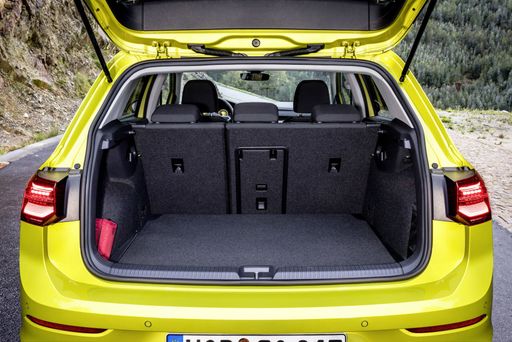
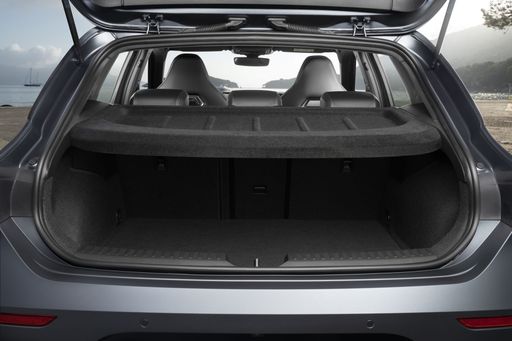
Looking at boot space, the VW Golf offers very slightly more boot space – 381 L compared to 380 L. That’s a difference of about 1 L.

When it comes to payload, the VW Golf carries marginally more – 508 kg compared to 493 kg. That’s a difference of about 15 kg.

Who wins the race in the data check?

The VW Golf is clearly superior overall in the objective data comparison.
This result only shows which model scores more points on paper – not which of the two cars feels right for you.

from £28,300
Golf

VW Golf

  • Engine Type : Petrol, Petrol MHEV, Diesel, Plugin Hybrid
  • Transmission : Manuel, Automatic
  • Drive Type : Front-Wheel Drive, All-Wheel Drive
  • Power HP : 116 - 325 HP
  • Consumption L/100km : 1.1 - 7.6 L/100km
  • Electric Range : 131 - 143 km
VW Golf
CUPRA Leon

Costs and Consumption

View detailed analysis

Engine and Performance

View detailed analysis

Dimensions and Body

View detailed analysis

VW Golf

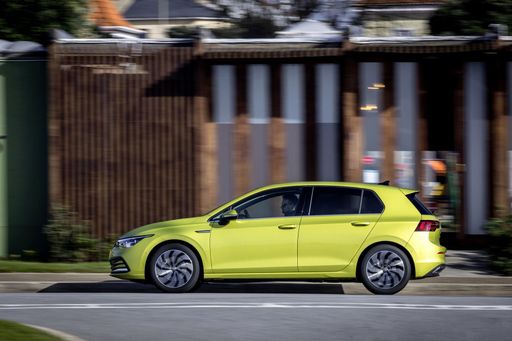
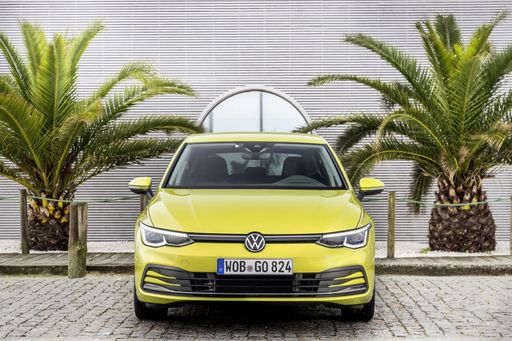
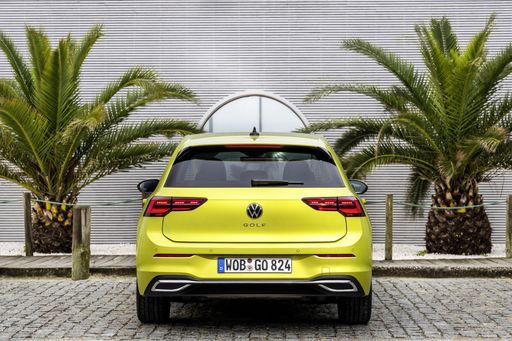
The Golf is a quietly accomplished compact that blends practicality, refinement and approachable driving manners into a very usable everyday package. It’s well built, comfortable and versatile, making it a smart choice whether you want sensible family transport or an enjoyable commuter.

details

CUPRA Leon

The Cupra Leon blends sporting intent with everyday practicality, serving up sharp handling and a cabin that feels more premium than its hatchback looks might suggest. It's a driver's car in commuter clothing — lively, distinctive, and clever enough to make daily driving feel a little less routine without screaming for attention.

details
VW Golf
CUPRA Leon

Costs and Consumption

Price
28,300 - 46,700 £
Price
35,200 - 50,900 £
Consumption L/100km
1.1 - 7.6 L/100km
Consumption L/100km
1.3 - 7.6 L/100km
Consumption kWh/100km
-
Consumption kWh/100km
-
Electric Range
131 - 143 km
Electric Range
124 - 131 km
Battery Capacity
-
Battery Capacity
-
co2
25 - 173 g/km
co2
28 - 172 g/km
Fuel tank capacity
-
Fuel tank capacity
-

Dimensions and Body

Body Type
Hatchback
Body Type
Hatchback
Seats
5
Seats
5
Doors
-
Doors
-
Curb weight
1,307 - 1,662 kg
Curb weight
1,371 - 1,708 kg
Trunk capacity
273 - 381 L
Trunk capacity
270 - 380 L
Length
-
Length
-
Width
1,789 mm
Width
1,799 mm
Height
-
Height
-
Max trunk capacity
-
Max trunk capacity
-
Payload
438 - 508 kg
Payload
432 - 493 kg

Engine and Performance

Engine Type
Petrol, Petrol MHEV, Diesel, Plugin Hybrid
Engine Type
Diesel, Plugin Hybrid, Petrol, Petrol MHEV
Transmission
Manuel, Automatic
Transmission
Automatic, Manuel
Transmission Detail
Manual Gearbox, Dual-Clutch Automatic
Transmission Detail
Dual-Clutch Automatic, Manual Gearbox
Drive Type
Front-Wheel Drive, All-Wheel Drive
Drive Type
Front-Wheel Drive
Power HP
116 - 325 HP
Power HP
150 - 325 HP
Acceleration 0-100km/h
5.3 - 10.2 s
Acceleration 0-100km/h
5.4 - 8.9 s
Max Speed
-
Max Speed
-
Torque
220 - 420 Nm
Torque
250 - 420 Nm
Number of Cylinders
4
Number of Cylinders
4
Power kW
85 - 239 kW
Power kW
110 - 239 kW
Engine capacity
1,498 - 1,984 cm3
Engine capacity
1,498 - 1,984 cm3

General

Model Year
2025
Model Year
2,025 - 2,026
CO2 Efficiency Class
D, C, F, B
CO2 Efficiency Class
D, B, F
Brand
VW
Brand
CUPRA
DriveDuel uses data analysis and artificial intelligence to evaluate vehicle data and create content. Content is regularly reviewed and improved. The displayed prices are estimates based on German list prices, adjusted to the respective country’s VAT. Country-specific registration taxes are not included. This information is not legally binding.