
 Deutschland
 France
 Nederland
 Great Britain
 Sverige
 Danmark
 Suomi
Suomi Italia
 Polska
 Česko
Česko España
VS
VW ID. Buzz Bus vs Bentley Flying Spur comparison
Compare performance (340 HP vs 550 HP), boot space and price (42,900 £ vs 180,900 £ ) at a glance. Find out which car is the better choice for you – VW ID. Buzz Bus or Bentley Flying Spur?
ID. Buzz Bus
Costs and Efficiency:
Price and efficiency are key factors when choosing a car – and this is often where the real differences emerge.
VW ID. Buzz Bus is significantly cheaper – starting at 42,900 £ , while the Bentley Flying Spur costs 180,900 £ . That’s a price difference of around 138,002 £.
As for electric range, the VW ID. Buzz Bus offers considerably more range – reaching up to 485 km, about 444 km more than the Bentley Flying Spur.
Flying Spur
Engine and Performance:
Power, torque and acceleration are the classic benchmarks for car enthusiasts – and here, some clear differences start to show.
When it comes to engine power, the Bentley Flying Spur offers markedly more power – delivering 550 HP compared to 340 HP. That’s roughly 210 HP more horsepower.
When accelerating from 0 to 100 km/h, the Bentley Flying Spur is significantly quicker – completing the sprint in 4.1 s, while the VW ID. Buzz Bus takes 6.1 s. That’s about 2 s quicker.
Looking at top speed, the Bentley Flying Spur is significantly faster – reaching 318 km/h, while the VW ID. Buzz Bus tops out at 160 km/h. The difference is around 158 km/h.
There’s also a difference in torque: the Bentley Flying Spur delivers a bit more torque with 770 Nm compared to 679 Nm. That’s about 91 Nm more.
ID. Buzz Bus
Space and Everyday Use:
Whether family car or daily driver – which one offers more room, flexibility and comfort?
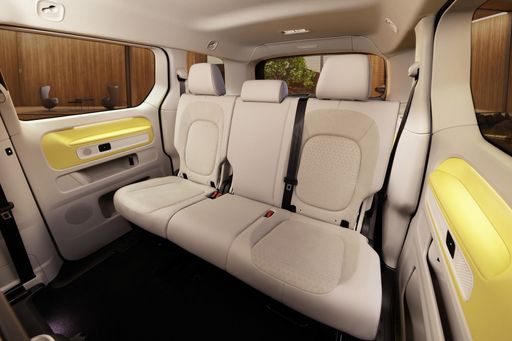
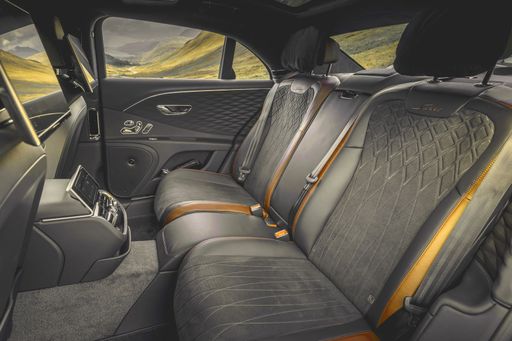
Seats: VW ID. Buzz Bus offers more seats – 5 vs 4.
In terms of curb weight, Bentley Flying Spur is barely lighter – 2,330 kg compared to 2,400 kg. The difference is around 70 kg.
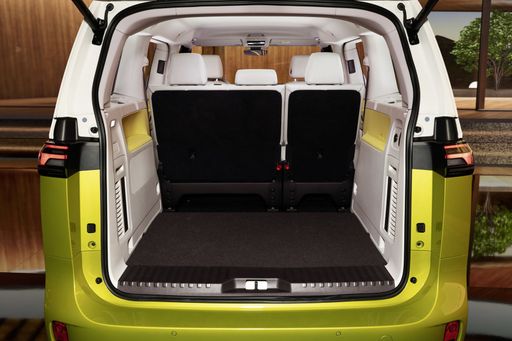
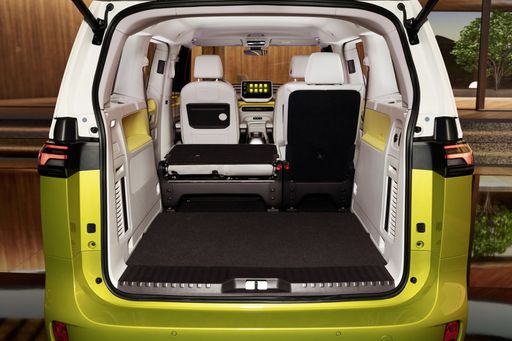
Looking at boot space, the VW ID. Buzz Bus offers significantly more boot space – 1,340 L compared to 420 L. That’s a difference of about 920 L.
When it comes to payload, the Bentley Flying Spur carries marginally more – 650 kg compared to 600 kg. That’s a difference of about 50 kg.
Who wins the race in the data check?
The VW ID. Buzz Bus is clearly superior overall in the objective data comparison.
This result only shows which model scores more points on paper – not which of the two cars feels right for you.
from £42,900
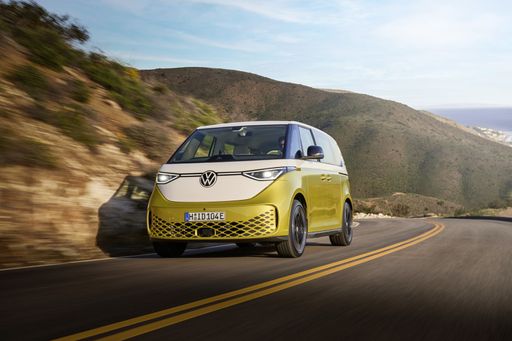
VW ID. Buzz Bus
VW ID. Buzz Bus
Bentley Flying Spur
Costs and Consumption
View detailed analysis
View detailed analysis
Engine and Performance
View detailed analysis
View detailed analysis
Dimensions and Body
View detailed analysis
View detailed analysis
VW ID. Buzz Bus
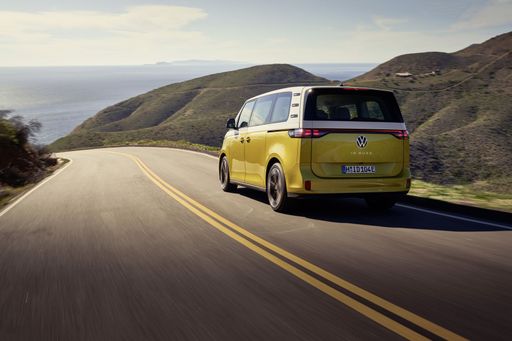
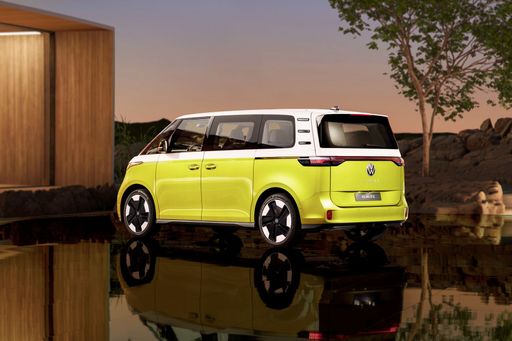
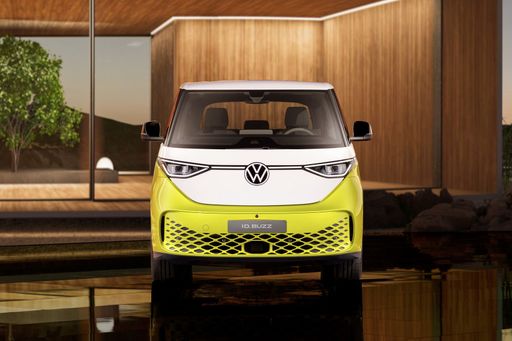
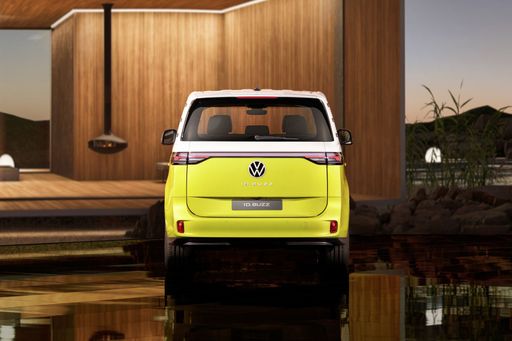
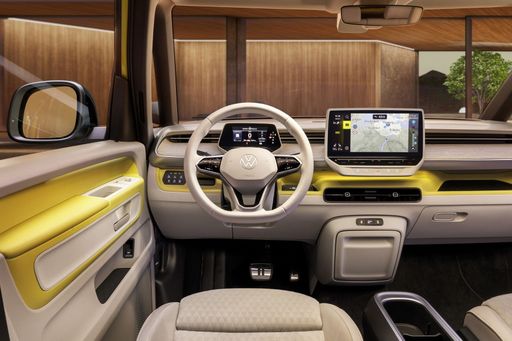
The VW ID. Buzz revives the classic camper van vibe with a modern electric twist, offering plush space and a friendly, futuristic face that stops traffic. It’s clearly built for weekend escapes and city runs alike, with clever interior details that make it as practical as it is charming.
details
Bentley Flying Spur
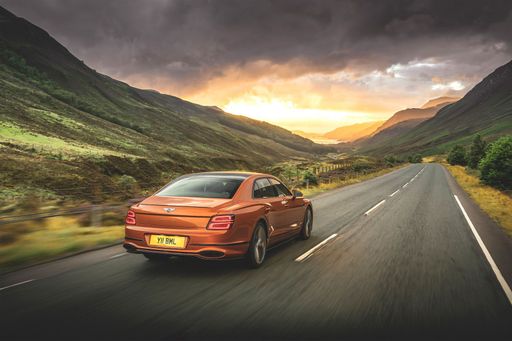
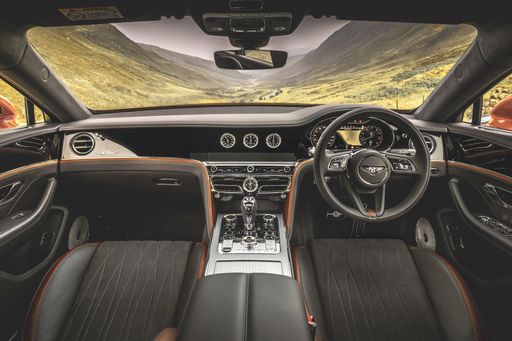
The Bentley Flying Spur wraps landmark luxury and bespoke British craft into a sedan that feels like a private members' club you can park in your driveway. It delivers chauffeur-grade comfort wrapped in driver-focused poise, turning an ordinary commute into a memorably grand arrival.
details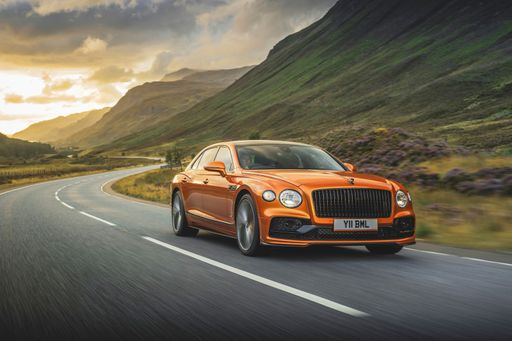

VW ID. Buzz Bus
Bentley Flying Spur
Costs and Consumption |
|
|---|---|
|
Price
42,900 - 64,200 £
|
Price
180,900 - 186,300 £
|
|
Consumption L/100km
-
|
Consumption L/100km
3.3 - 12.7 L/100km
|
|
Consumption kWh/100km
19 - 20.6 kWh/100km
|
Consumption kWh/100km
-
|
|
Electric Range
329 - 485 km
|
Electric Range
41 km
|
|
Battery Capacity
59 - 86 kWh
|
Battery Capacity
18 kWh
|
|
co2
0 g/km
|
co2
75 - 288 g/km
|
|
Fuel tank capacity
-
|
Fuel tank capacity
80 - 90 L
|
Dimensions and Body |
|
|---|---|
|
Body Type
Bus
|
Body Type
Sedan
|
|
Seats
5
|
Seats
4
|
|
Doors
5
|
Doors
4
|
|
Curb weight
2,400 - 2,780 kg
|
Curb weight
2,330 - 2,505 kg
|
|
Trunk capacity
1,121 - 1,340 L
|
Trunk capacity
420 L
|
|
Length
4,712 - 4,962 mm
|
Length
5,316 mm
|
|
Width
1,985 mm
|
Width
2,013 mm
|
|
Height
1,924 - 1,927 mm
|
Height
1,483 mm
|
|
Max trunk capacity
2,205 L
|
Max trunk capacity
-
|
|
Payload
462 - 600 kg
|
Payload
525 - 650 kg
|
Engine and Performance |
|
|---|---|
|
Engine Type
Electric
|
Engine Type
Plug-in Hybrid, Petrol
|
|
Transmission
Automatic
|
Transmission
Automatic
|
|
Transmission Detail
-
|
Transmission Detail
Dual-Clutch Automatic
|
|
Drive Type
Rear-Wheel Drive, All-Wheel Drive
|
Drive Type
All-Wheel Drive
|
|
Power HP
170 - 340 HP
|
Power HP
544 - 550 HP
|
|
Acceleration 0-100km/h
6.1 - 10.7 s
|
Acceleration 0-100km/h
4.1 - 4.3 s
|
|
Max Speed
145 - 160 km/h
|
Max Speed
285 - 318 km/h
|
|
Torque
310 - 679 Nm
|
Torque
750 - 770 Nm
|
|
Number of Cylinders
-
|
Number of Cylinders
6 - 8
|
|
Power kW
125 - 250 kW
|
Power kW
400 - 404 kW
|
|
Engine capacity
-
|
Engine capacity
2,894 - 3,996 cm3
|
General |
|
|---|---|
|
Model Year
2024
|
Model Year
2,021 - 2,022
|
|
CO2 Efficiency Class
A
|
CO2 Efficiency Class
B, G
|
|
Brand
VW
|
Brand
Bentley
|
DriveDuel uses data analysis and artificial intelligence to evaluate vehicle data and create content. Content is regularly reviewed and improved.
The displayed prices are estimates based on German list prices, adjusted to the respective country’s VAT. Country-specific registration taxes are not included. This information is not legally binding.