VS

VW Passat vs Audi A6 Avant comparison

Compare performance (272 HP vs 367 HP), boot space and price (36,500 £ vs 49,700 £ ) at a glance. Find out which car is the better choice for you – VW Passat or Audi A6 Avant?

VW Passat vs Audi A6 Avant: Key differences

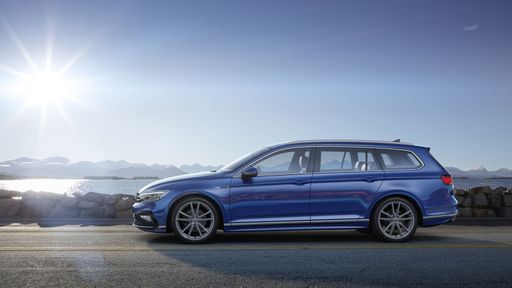
VW Passat

4.8 (4 Reviews)
rate
  • noticeably cheaper
  • clearly more efficient
  • markedly more electric range
  • moderately lighter
  • visibly more trunk space
details

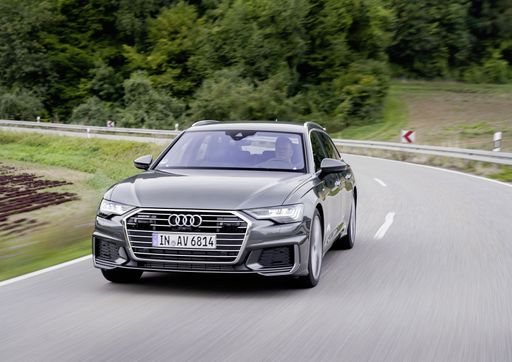
Audi A6 Avant

  • markedly more power
  • clearly quicker 0–100 km/h
details

All details on performance, efficiency, range and trunk space can be found in the technical comparison below – including user reviews for both models.

By Achim Sedelmaier

Passat

Quick take: Audi A6 Avant VS VW Passat

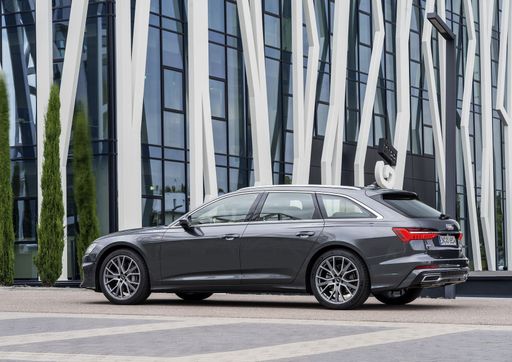
The Audi A6 Avant and the VW Passat are both business‑class Kombis, but they arrive with different priorities and different customers in mind. The Audi markets itself on refined silence, premium finishes and a tech‑heavy cockpit, while the Passat trades a touch of glamour for maximum usable space and lower running costs. In everyday terms that means the A6 feels like a calm, high‑end touring car and the Passat feels like a sensible, very roomy workhorse. Read on to see how those instincts play out in driving character, comfort, luggage space, cabin feel and who each car truly suits best.
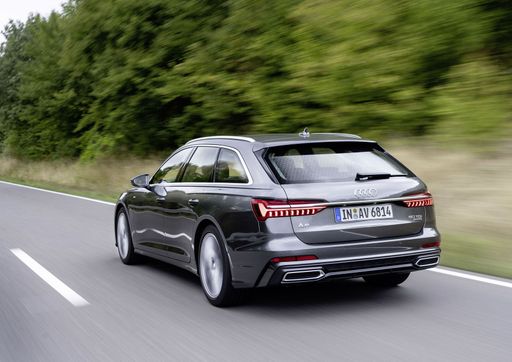
A6 Avant

Character and driving feel

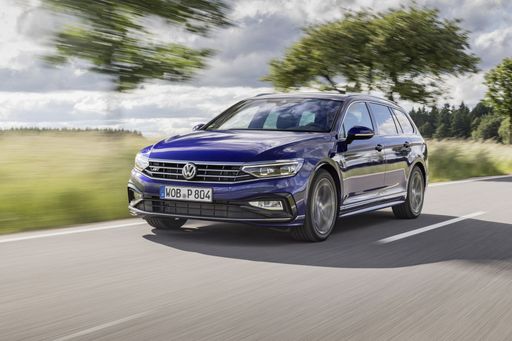
The Audi A6 Avant steers the experience toward serenity and composed authority; it accelerates with more enthusiasm and keeps motorway speeds effortless and hushed. The VW Passat is less theatrical but very competent—its focus is predictable, efficient progress rather than drama, which makes it easier to live with for daily commuting. Where the A6 rewards you with a hushed, planted feel and stronger shove when requested, the Passat rewards you with linear, economical performance that stretches the miles between stops. If you want sporty urgency and prestige in your daily drive the A6 tips the scale; if you want steadiness and low running fuss the Passat will feel more sensible.

Passat

Comfort and long‑distance behavior

On long trips the Audi A6 Avant creates a cocoon: lower road and wind noise, supportive seats and extensive driver assistance take fatigue out of high‑speed driving. The VW Passat is no slouch either—very comfortable seats, a calm straight‑line ride and available adaptive damping make long days behind the wheel surprisingly easy. The difference is nuance: the A6 makes long journeys feel more luxurious and insulation‑driven, whereas the Passat makes them feel more pragmatic and cost‑effective. Choose the A6 if motorway serenity and a premium travel environment are priorities; choose the Passat if you want similarly comfortable miles with better economy and a wider usable range of powertrains for commuting.

A6 Avant

Practicality and everyday usability

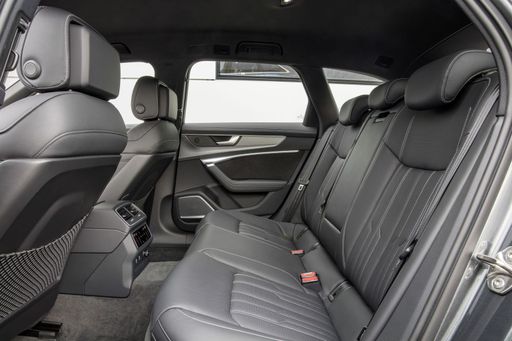
When it comes to luggage and rear‑seat space the VW Passat is the clear pragmatic choice: a vast, flat load bay and generous rear room turn it into a true family and cargo carrier. The Audi A6 Avant is cleverly packaged with useful split seats and neat loading details, but its overall boot volume is noticeably smaller, which shows on longer trips or when you’re loading bulky gear. The Passat’s PHEV option can complicate cargo for some buyers because the battery eats into space, while the A6 keeps its versatility through thoughtful features rather than raw litres. If you regularly ferry sports gear, suitcases or family kit the Passat will reduce compromises; if you prize refined details and flexible seat splits more than raw capacity, the A6 remains competitive.

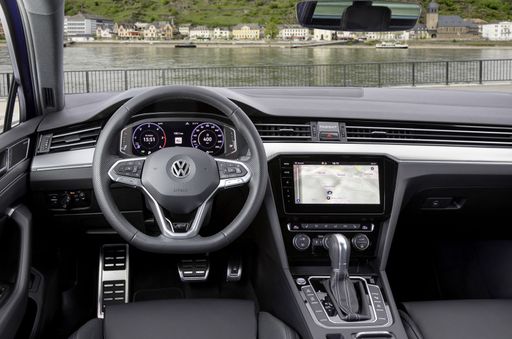
Passat

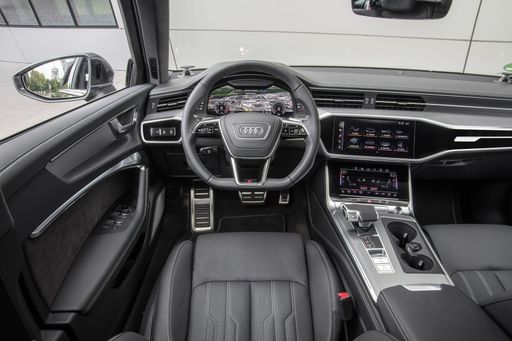
Cabin feel and perceived quality

The Audi A6 Avant projects a more premium atmosphere: tighter finishes, a more composed aesthetic and tech that reads as high‑end, even if many controls have migrated to touch surfaces. The VW Passat has closed the gap with improved materials and a more user‑friendly layout—real buttons and illuminated sliders where they help—but it still feels more utilitarian than aspirational. In real life that means the A6 impresses clients and feels nicer for long stints, while the Passat feels honest, robust and easier to operate without hunting through menus. If tactile luxury and that “executive” impression matter, the A6 delivers; if you prefer clarity, ergonomics and a straightforward cabin the Passat will be less fussy.

A6 Avant

Buyer fit: who should choose which car

Pick the Audi A6 Avant if your priority is a quiet, premium touring experience, strong motorway manners and a tech‑forward cabin where feeling affluent and relaxed matters more than every last litre of boot space. Opt for the VW Passat if your life demands maximum luggage, a roomy rear seat, top efficiency (especially on the diesel or plug‑in options) and lower day‑to‑day running impact. The trade‑off is simple: A6 trades a bit of practicality for refinement and status, Passat trades some showroom sheen for sheer usefulness and economy. Below you’ll find the technical comparison that breaks down engines, fuel and boot specifics so you can match figures to these real‑world choices.

Here’s where it gets real: The technical differences in detail

Passat

Costs and Efficiency:

Price and efficiency are key factors when choosing a car – and this is often where the real differences emerge.

VW Passat is noticeably cheaper – starting at 36,500 £ , while the Audi A6 Avant costs 49,700 £ . That’s a price difference of around 13,252 £.

Fuel consumption also shows a difference: the VW Passat uses 1.2 L/100km and is clearly more efficient than the Audi A6 Avant with 2.3 L/100km. The difference is about 1.1 L/100km.

As for electric range, the VW Passat offers markedly more range – reaching up to 135 km, about 34 km more than the Audi A6 Avant.

A6 Avant

Engine and Performance:

Power, torque and acceleration are the classic benchmarks for car enthusiasts – and here, some clear differences start to show.

When it comes to engine power, the Audi A6 Avant offers markedly more power – delivering 367 HP compared to 272 HP. That’s roughly 95 HP more horsepower.

When accelerating from 0 to 100 km/h, the Audi A6 Avant is clearly quicker – completing the sprint in 4.7 s, while the VW Passat takes 7.1 s. That’s about 2.4 s quicker.

There’s also a difference in torque: the Audi A6 Avant delivers clearly more torque with 580 Nm compared to 400 Nm. That’s about 180 Nm more.

Passat

Space and Everyday Use:

Cabin size, boot volume and payload all play a role in everyday practicality. Here, comfort and flexibility make the difference.

Both vehicles offer seating for 5 people.

In terms of curb weight, VW Passat is moderately lighter – 1,573 kg compared to 1,865 kg. The difference is around 292 kg.

Looking at boot space, the VW Passat offers visibly more boot space – 690 L compared to 503 L. That’s a difference of about 187 L.

When it comes to payload, the VW Passat carries barely more – 577 kg compared to 570 kg. That’s a difference of about 7 kg.

Who wins the race in the data check?

The VW Passat is clearly superior overall in the objective data comparison.
This result only shows which model scores more points on paper – not which of the two cars feels right for you.

from £36,500
Passat

VW Passat

  • Engine Type Petrol MHEV, Diesel, Plugin Hybrid
  • Transmission Automatic
  • Drive Type Front-Wheel Drive, All-Wheel Drive
  • Power HP 122 - 272 HP
  • Consumption L/100km 1.2 - 5.8 L/100km
  • Electric Range 124 - 135 km
VW Passat
Audi A6 Avant

Costs and Consumption

View detailed analysis

Engine and Performance

View detailed analysis

Dimensions and Body

View detailed analysis

VW Passat

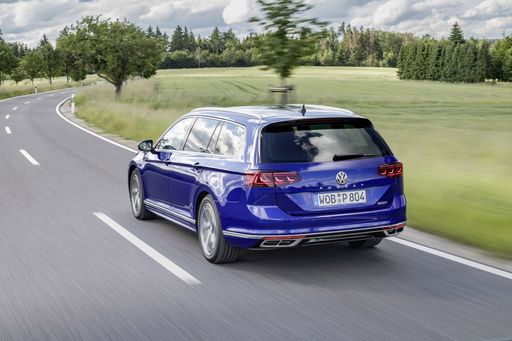
The VW Passat is the grown-up family car that gets the basics absolutely right — roomy, comfortable and built to handle weekday commutes and weekend getaways without fuss. It won't set your pulse racing, but its calm composure and sensible packaging make it boring in the best possible way: a dependable, no‑drama choice for buyers who value practicality over flash.

details

Audi A6 Avant

The Audi A6 Avant wraps executive poise and usable practicality into an impeccably finished estate that makes everyday driving feel noticeably more grown-up. It serves up a calm, composed ride and clever packaging for buyers who want space and refinement without ostentation — the sensible choice that still manages to impress.

details
VW Passat
Audi A6 Avant

Costs and Consumption

Price
36,500 - 58,500 £
Price
49,700 - 70,200 £
Consumption L/100km
1.2 - 5.8 L/100km
Consumption L/100km
2.3 - 7.5 L/100km
Consumption kWh/100km
-
Consumption kWh/100km
-
Electric Range
124 - 135 km
Electric Range
94 - 101 km
Battery Capacity
-
Battery Capacity
-
co2
28 - 153 g/km
co2
53 - 170 g/km
Fuel tank capacity
-
Fuel tank capacity
-

Dimensions and Body

Body Type
Estate
Body Type
Estate
Seats
5
Seats
5
Doors
-
Doors
-
Curb weight
1,573 - 1,858 kg
Curb weight
1,865 - 2,240 kg
Trunk capacity
510 - 690 L
Trunk capacity
404 - 503 L
Length
-
Length
-
Width
1,849 mm
Width
1,875 mm
Height
-
Height
-
Max trunk capacity
-
Max trunk capacity
-
Payload
501 - 577 kg
Payload
535 - 570 kg

Engine and Performance

Engine Type
Petrol MHEV, Diesel, Plugin Hybrid
Engine Type
Petrol, Petrol MHEV, Diesel MHEV, Plugin Hybrid
Transmission
Automatic
Transmission
Automatic
Transmission Detail
Dual-Clutch Automatic
Transmission Detail
Dual-Clutch Automatic
Drive Type
Front-Wheel Drive, All-Wheel Drive
Drive Type
Front-Wheel Drive, All-Wheel Drive
Power HP
122 - 272 HP
Power HP
204 - 367 HP
Acceleration 0-100km/h
7.1 - 10.7 s
Acceleration 0-100km/h
4.7 - 8.3 s
Max Speed
-
Max Speed
-
Torque
250 - 400 Nm
Torque
340 - 580 Nm
Number of Cylinders
4
Number of Cylinders
4 - 6
Power kW
90 - 200 kW
Power kW
150 - 270 kW
Engine capacity
1,498 - 1,968 cm3
Engine capacity
1,968 - 2,995 cm3

General

Model Year
2,024 - 2,025
Model Year
2025
CO2 Efficiency Class
D, E, B
CO2 Efficiency Class
F, D, E, B
Brand
VW
Brand
Audi
DriveDuel uses data analysis and artificial intelligence to evaluate vehicle data and create content. Content is regularly reviewed and improved. The displayed prices are estimates based on German list prices, adjusted to the respective country’s VAT. Country-specific registration taxes are not included. This information is not legally binding.