
 Deutschland
 France
 Nederland
 Great Britain
 Sverige
 Danmark
 Suomi
Suomi Italia
 Polska
 Česko
Česko España
VS
XPeng P7 vs Maxus eTERRON 9 comparison
Compare performance (473 HP vs 442 HP), boot space and price (42,500 £ vs 64,200 £ ) at a glance. Find out which car is the better choice for you – XPeng P7 or Maxus eTERRON 9?
XPeng P7 vs Maxus eTERRON 9: Key differences
All details on performance, efficiency, range and trunk space can be found in the technical comparison below – including user reviews for both models.
P7
Costs and Efficiency:
Price and efficiency are key factors when choosing a car – and this is often where the real differences emerge.
XPeng P7 is significantly cheaper – starting at 42,500 £ , while the Maxus eTERRON 9 costs 64,200 £ . That’s a price difference of around 21,735 £.
In terms of energy consumption, the XPeng P7 is significantly more efficient: consuming 16.8 kWh/100km compared to 26.7 kWh/100km for the Maxus eTERRON 9. That’s a difference of about 9.9 kWh/100km.
As for electric range, the XPeng P7 offers visibly more range – reaching up to 576 km, about 146 km more than the Maxus eTERRON 9.
eTERRON 9
Engine and Performance:
Power, torque and acceleration say a lot about how a car feels on the road. This is where you see which model delivers more driving dynamics.
When it comes to engine power, the XPeng P7 offers marginally more power – delivering 473 HP compared to 442 HP. That’s roughly 31 HP more horsepower.
When accelerating from 0 to 100 km/h, the XPeng P7 is substantially quicker – completing the sprint in 4.1 s, while the Maxus eTERRON 9 takes 5.8 s. That’s about 1.7 s quicker.
There’s also a difference in torque: the XPeng P7 delivers marginally more torque with 757 Nm compared to 700 Nm. That’s about 57 Nm more.
P7
Space and Everyday Use:
Whether family car or daily driver – which one offers more room, flexibility and comfort?
Both vehicles offer seating for 5 people.
In terms of curb weight, XPeng P7 is substantially lighter – 2,020 kg compared to 2,925 kg. The difference is around 905 kg.
When it comes to payload, the Maxus eTERRON 9 carries clearly more – 575 kg compared to 430 kg. That’s a difference of about 145 kg.
Who wins the race in the data check?
The XPeng P7 is far ahead overall in the objective data comparison.
This result only shows which model scores more points on paper – not which of the two cars feels right for you.
from £42,500
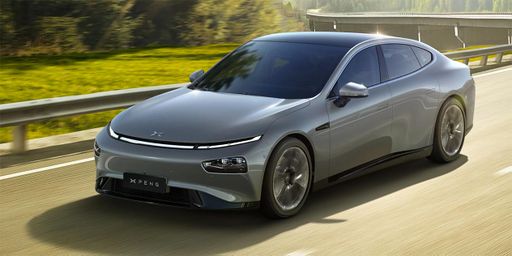
XPeng P7
XPeng P7
Maxus eTERRON 9
Costs and Consumption
View detailed analysis
View detailed analysis
Engine and Performance
View detailed analysis
View detailed analysis
Dimensions and Body
View detailed analysis
View detailed analysis
XPeng P7
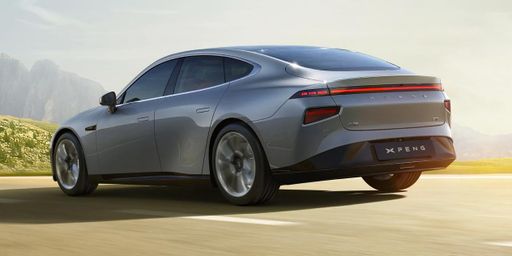
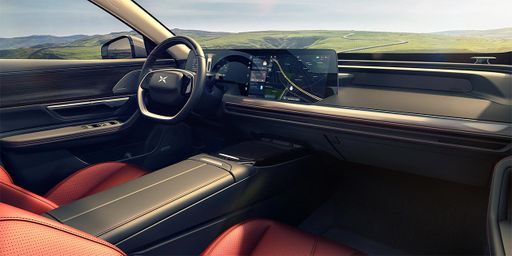
The XPeng P7 cuts a sleek, coupe-like silhouette that looks like a tech firm's idea of a stylish electric sedan, and its minimalist cabin packs smart screens and handy features that actually improve everyday life. Underneath the future-facing image it drives with surprising poise and comes loaded with advanced driver aids, making it a tempting choice for buyers who want electric charisma without the hype.
details
Maxus eTERRON 9
The eTERRON 9 stands out with its striking design and innovative features, making it a compelling choice for eco-conscious drivers. Its spacious interior and advanced technology provide a seamless driving experience that prioritizes both comfort and connectivity. With impressive efficiency and an array of smart capabilities, the eTERRON 9 is redefining what modern electric vehicles can offer.
details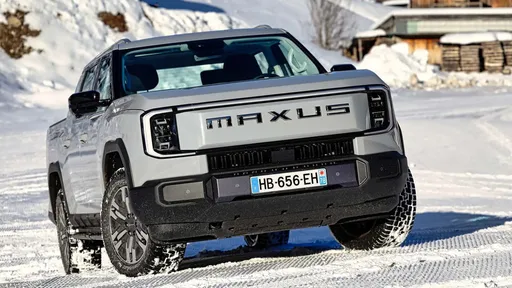
XPeng P7
Maxus eTERRON 9
Costs and Consumption |
|
|---|---|
|
Price
42,500 - 50,200 £
|
Price
64,200 - 66,800 £
|
|
Consumption L/100km
-
|
Consumption L/100km
-
|
|
Consumption kWh/100km
16.8 - 19.2 kWh/100km
|
Consumption kWh/100km
26.7 kWh/100km
|
|
Electric Range
505 - 576 km
|
Electric Range
430 km
|
|
Battery Capacity
82.7 kWh
|
Battery Capacity
-
|
|
co2
0 g/km
|
co2
0 g/km
|
|
Fuel tank capacity
-
|
Fuel tank capacity
-
|
Dimensions and Body |
|
|---|---|
|
Body Type
Sedan
|
Body Type
Pickup
|
|
Seats
5
|
Seats
5
|
|
Doors
5
|
Doors
-
|
|
Curb weight
2,020 - 2,140 kg
|
Curb weight
2,925 - 2,955 kg
|
|
Trunk capacity
440 L
|
Trunk capacity
-
|
|
Length
4,888 mm
|
Length
-
|
|
Width
1,896 mm
|
Width
1,997 mm
|
|
Height
1,450 mm
|
Height
-
|
|
Max trunk capacity
-
|
Max trunk capacity
-
|
|
Payload
430 kg
|
Payload
545 - 575 kg
|
Engine and Performance |
|
|---|---|
|
Engine Type
Electric
|
Engine Type
Electric
|
|
Transmission
Automatic
|
Transmission
Automatic
|
|
Transmission Detail
Reduction Gearbox
|
Transmission Detail
Reduction Gearbox
|
|
Drive Type
Rear-Wheel Drive, All-Wheel Drive
|
Drive Type
All-Wheel Drive
|
|
Power HP
276 - 473 HP
|
Power HP
442 HP
|
|
Acceleration 0-100km/h
4.1 - 6.7 s
|
Acceleration 0-100km/h
5.8 s
|
|
Max Speed
200 km/h
|
Max Speed
-
|
|
Torque
440 - 757 Nm
|
Torque
700 Nm
|
|
Number of Cylinders
-
|
Number of Cylinders
-
|
|
Power kW
203 - 348 kW
|
Power kW
325 kW
|
|
Engine capacity
-
|
Engine capacity
-
|
General |
|
|---|---|
|
Model Year
2024
|
Model Year
2025
|
|
CO2 Efficiency Class
A
|
CO2 Efficiency Class
A
|
|
Brand
XPeng
|
Brand
Maxus
|
DriveDuel uses data analysis and artificial intelligence to evaluate vehicle data and create content. Content is regularly reviewed and improved.
The displayed prices are estimates based on German list prices, adjusted to the respective country’s VAT. Country-specific registration taxes are not included. This information is not legally binding.