Hyundai i30 Hatchback, starting at 24000 £

The Hyundai i30 Hatchback impresses with 140 HP and an attractive starting price of 24000 £ . Here are all the details at a glance.

from about £24,000
i30

Hyundai i30

  • Engine Type : Petrol, Petrol MHEV
  • Transmission : Manuel, Automatic
  • Drive Type : Front-Wheel Drive
  • Power HP : 100 - 140 HP
  • Consumption L/100km : 5.7 - 6 L

Street Style with a Grown-Up Attitude

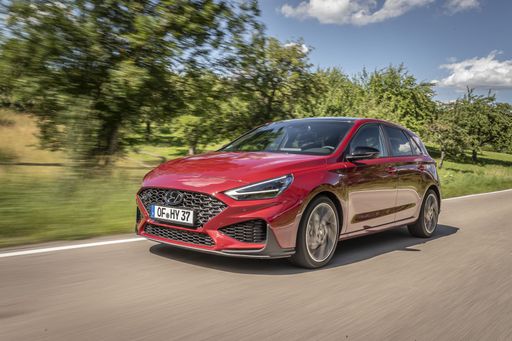
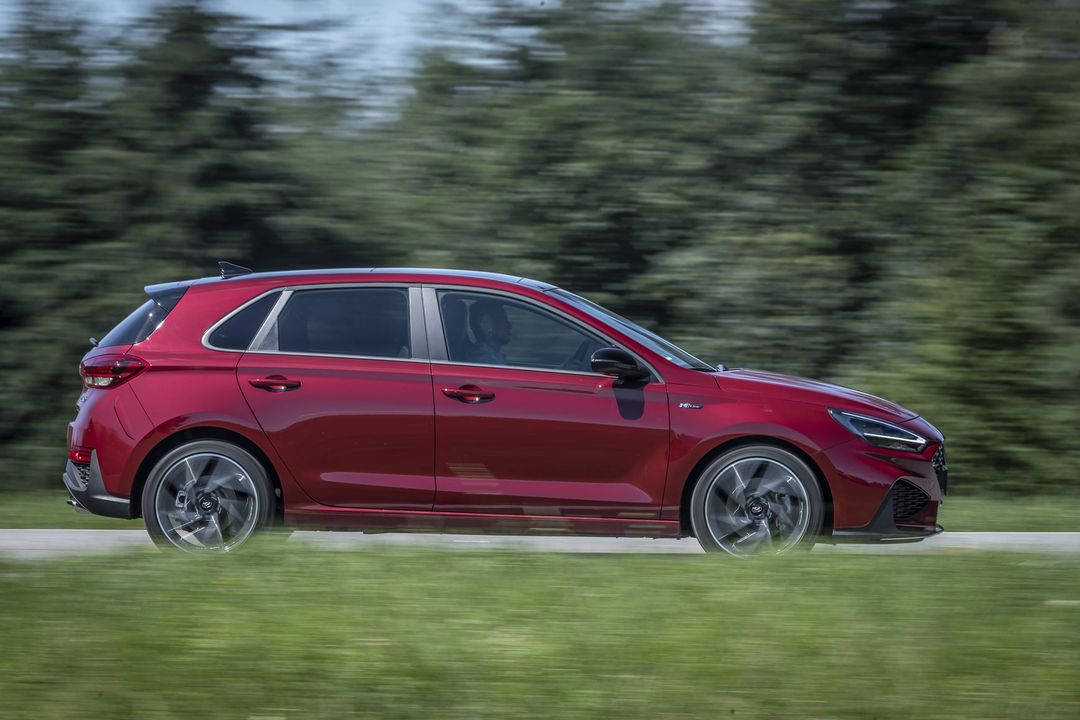
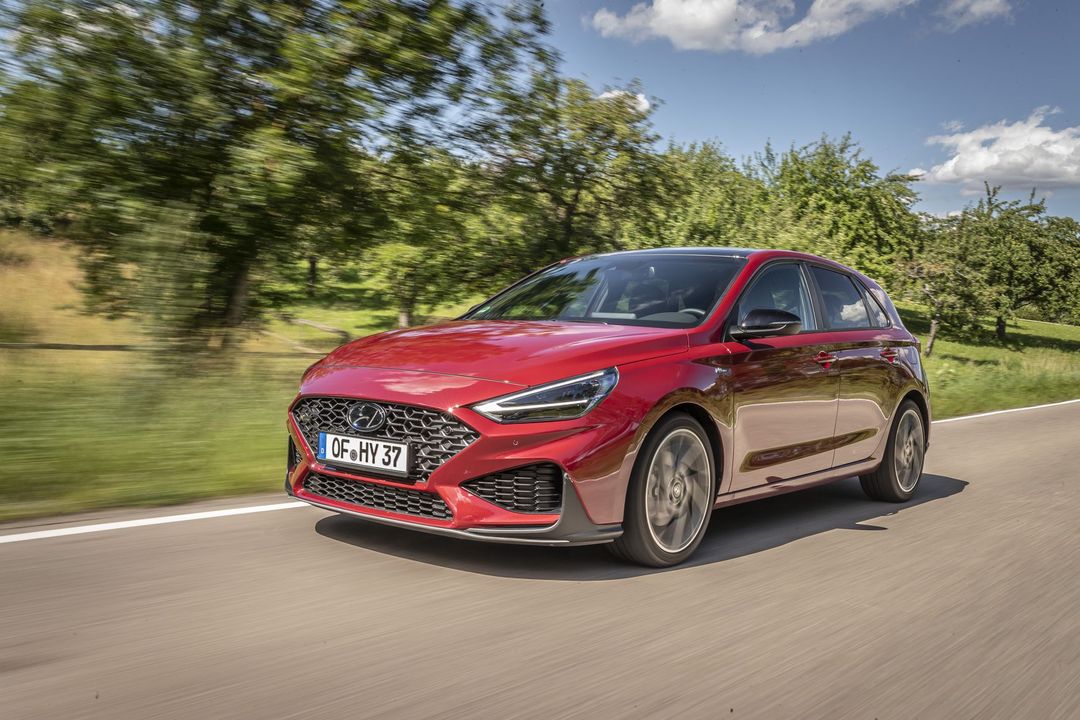
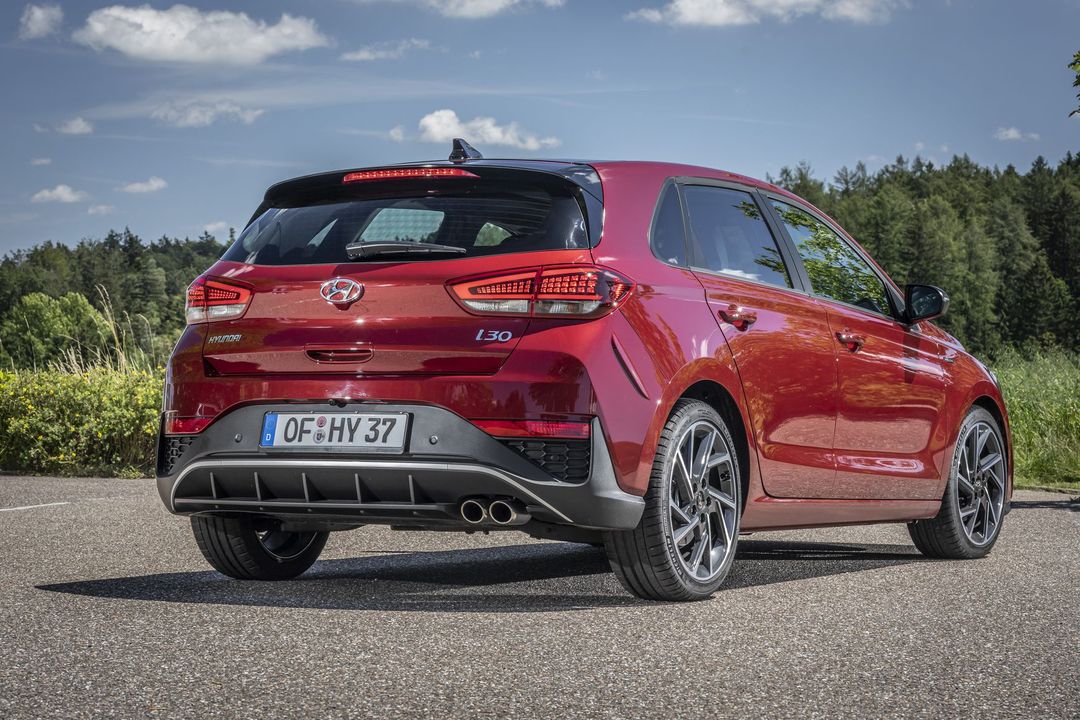
The Hyundai i30 dresses like a sensible hatch that wants to be noticed, with clean lines, a wide stance and a modern front end that keeps the look contemporary without shouting. At 4,340 mm long it reads as compact in city traffic but long enough to look balanced on the motorway, and details like full-LED lights and crisp panel joints lift it above bargain-basement styling. The overall effect is confident rather than sporty, so it suits buyers who want a mature compact rather than an attention-seeking hot hatch.
Cabin Comfort That Punches Above Its Class

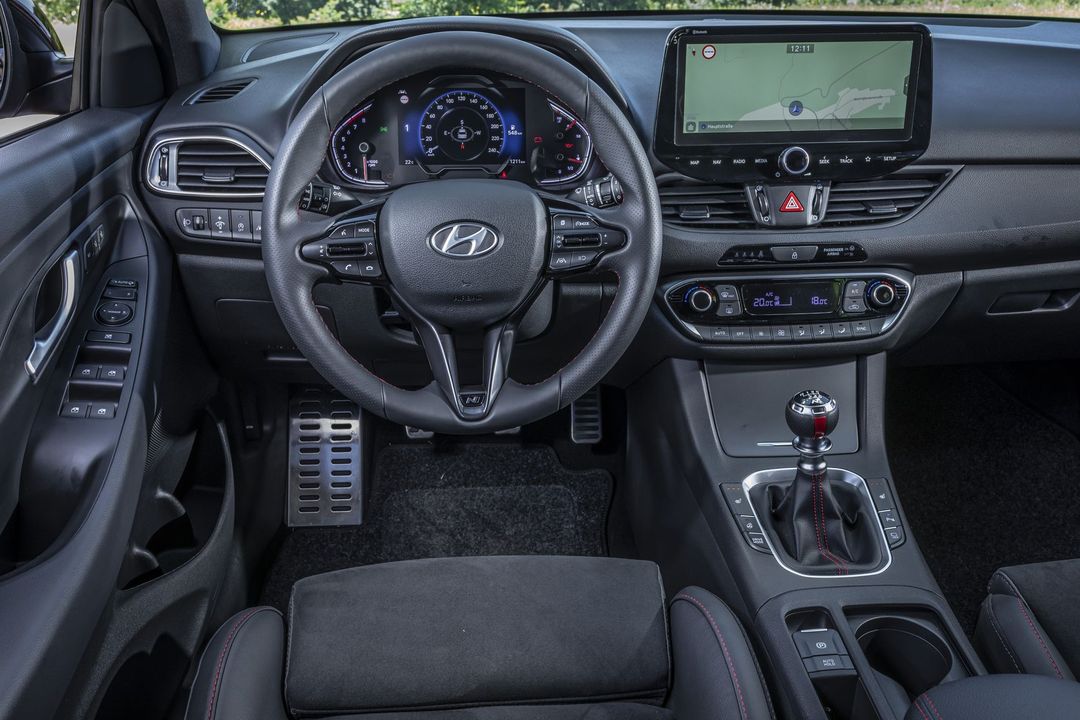
Inside, the i30 aims for user-friendly ergonomics: logically placed controls, a tidy dash and materials that feel solid where it matters, with soft-touch surfaces in frequently used areas and harder plastics out of sight. Seats are supportive for long commutes and visibility is good, so daily driving stays relaxed even after an hour on the motorway. The infotainment screen is intuitive and the climate controls are easy to operate, which keeps life simple behind the wheel.

Practical Space for Real Life

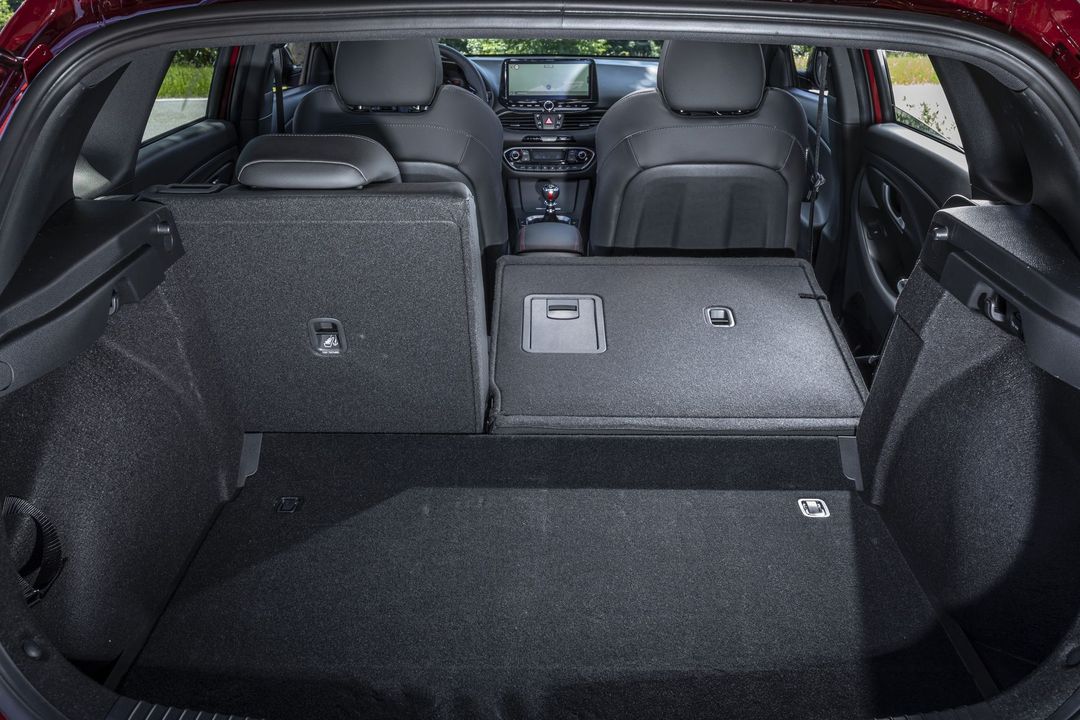
The i30 is a genuinely practical five-seater with a 395-litre boot that swallows weekly shopping, a couple of suitcases or a folded buggy, and with the rear seats down the space expands to a maximum of about 1,301 litres for bulkier loads. Rear legroom is competitive for the class and the 50-litre fuel tank reduces the need for constant fill-ups on longer trips. Overall, it’s a sensible package for small families or anyone who values usable cargo volume over flash dimensions.

Composed Ride, Predictable Handling

Handling leans toward composed and predictable rather than razor-sharp: steering is direct and the chassis keeps body control tidy through corners, which makes the car confidence-inspiring for everyday driving. Powertrain options cover a 100 hp three-cylinder for economical city use and a 140 hp 1.5-litre 48V mild-hybrid that brings stronger mid-range punch; 0–100 km/h ranges from roughly 9.6 to 13.1 seconds depending on the spec, so motorway overtakes are effortless in the 140 hp version while the base engine is adequate for urban commuting. Front-wheel drive is the rule, and the combination of curb weights in the 1,290–1,400 kg bracket keeps fuel use and dynamics well balanced.

Real-World Consumption and Range

Official consumption figures sit around 5.7–6.0 L/100 km across the range and CO2 is in the low 130s g/km, which translates into pragmatic running costs for a compact petrol car. With a 50-litre tank that equates to a real-world cruising range of roughly 800–900 kilometres between fill-ups depending on driving style, so motorway drivers will appreciate fewer fuel stops. The mild-hybrid system helps trim consumption in town, smoothing stop-start traffic and giving a small but useful efficiency benefit.

Tech That Keeps Things Simple and Safe

The i30 offers a sensible suite of driver aids and connectivity: adaptive cruise control, lane-keeping assistance and parking sensors are available to reduce the stress of daily driving, while Apple CarPlay and Android Auto provide smartphone mirroring for maps and media. The user interface is straightforward and the optional dual-clutch automatic adds convenience in traffic, making the car feel modern without overcomplicating the driving experience. Safety and assistance are positioned to match what buyers expect in this segment rather than to dazzle with gimmicks.

Who Should Buy the i30?

The Hyundai i30 suits buyers after a practical, well-equipped compact hatch: commuters, small families and those who want a reliable daily driver without the premium price. The range includes economical 1.0-litre petrol and a 1.5-litre 48V mild-hybrid option, with manual or dual-clutch automatic gearboxes, so customers can prioritise fuel economy or a more eager pace depending on needs. In short, it’s a sensible all-rounder that favours usability and value over headline-grabbing performance.

Costs and Consumption

Price
24000 - 29300 £
Consumption L/100km
5.7 - 6 L
Consumption kWh/100km
-
Electric Range
-
Battery Capacity
-
co2
130 - 136 g/km
Fuel tank capacity
50 L

Dimensions and Body

Body Type
Hatchback
Seats
5
Doors
5
Curb weight
1291 - 1407 kg
Trunk capacity
395 L
Length
4340 mm
Width
1795 mm
Height
1455 mm
Max trunk capacity
1301 L
Payload
463 - 509 kg

Engine and Performance

Engine Type
Petrol, Petrol MHEV
Transmission
Manuel, Automatic
Transmission Detail
Manual Gearbox, Dual-Clutch Automatic
Drive Type
Front-Wheel Drive
Power HP
100 - 140 HP
Acceleration 0-100km/h
9.6 - 13.1 s
Max Speed
178 - 197 km/h
Torque
172 - 253 Nm
Number of Cylinders
3 - 4
Power kW
74 - 103 kW
Engine capacity
998 - 1482 cm3

General

Model Year
2024
CO2 Efficiency Class
D, E
Brand
Hyundai
What drive types are available for the Hyundai i30?

Available configurations include Front-Wheel Drive.

The prices shown are estimates based on German list prices, adjusted for local VAT. Local registration taxes (e.g. NoVA, BPM or CO2 malus) are not included. This information is not legally binding.