Jaguar E-Pace SUV, starting at 32400 £

The Jaguar E-Pace SUV impresses with 269 HP 69 km and an attractive starting price of 32400 £ . Here are all the details at a glance.

from about £32,400
E-Pace

Jaguar E-Pace

  • Engine Type : Plugin Hybrid, Diesel MHEV, Petrol MHEV
  • Transmission : Automatic
  • Drive Type : All-Wheel Drive, Front-Wheel Drive
  • Power HP : 160 - 269 HP
  • Consumption L/100km : 1.4 - 8.2 L
  • Electric Range : 69 km

Looks That Punch Above Its Class

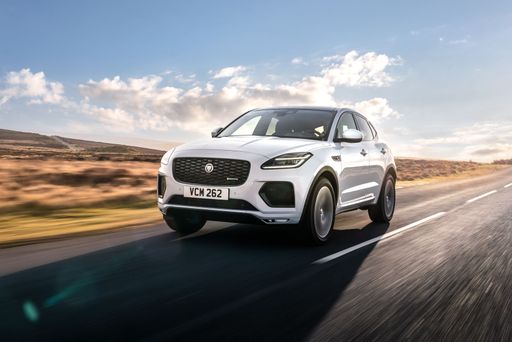
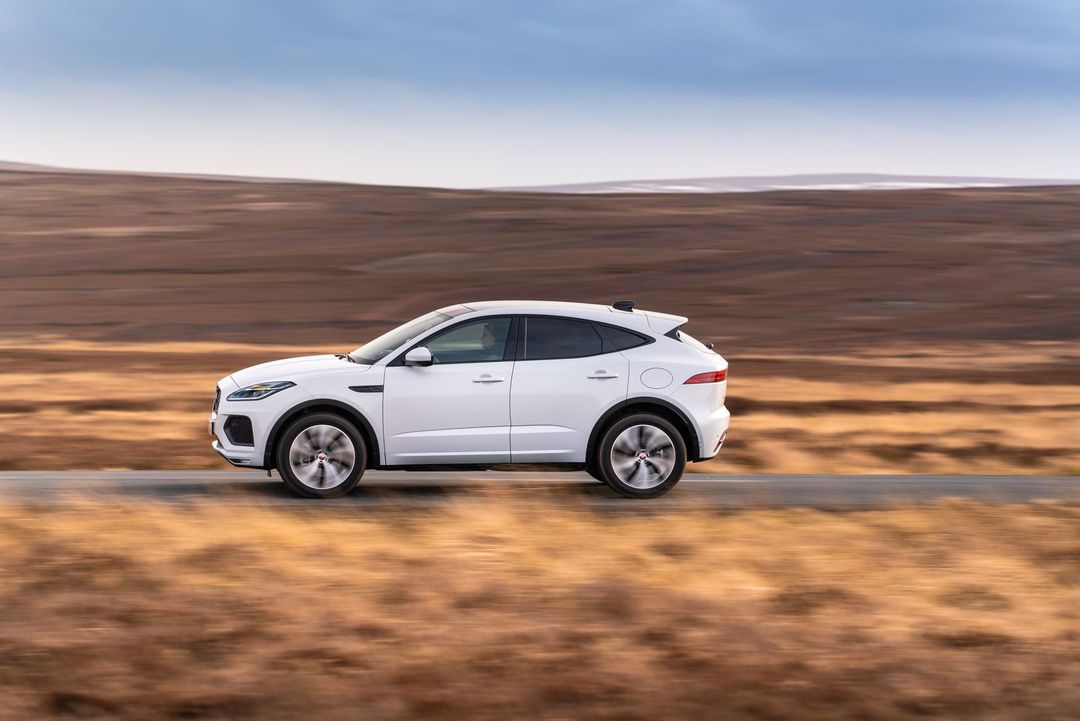
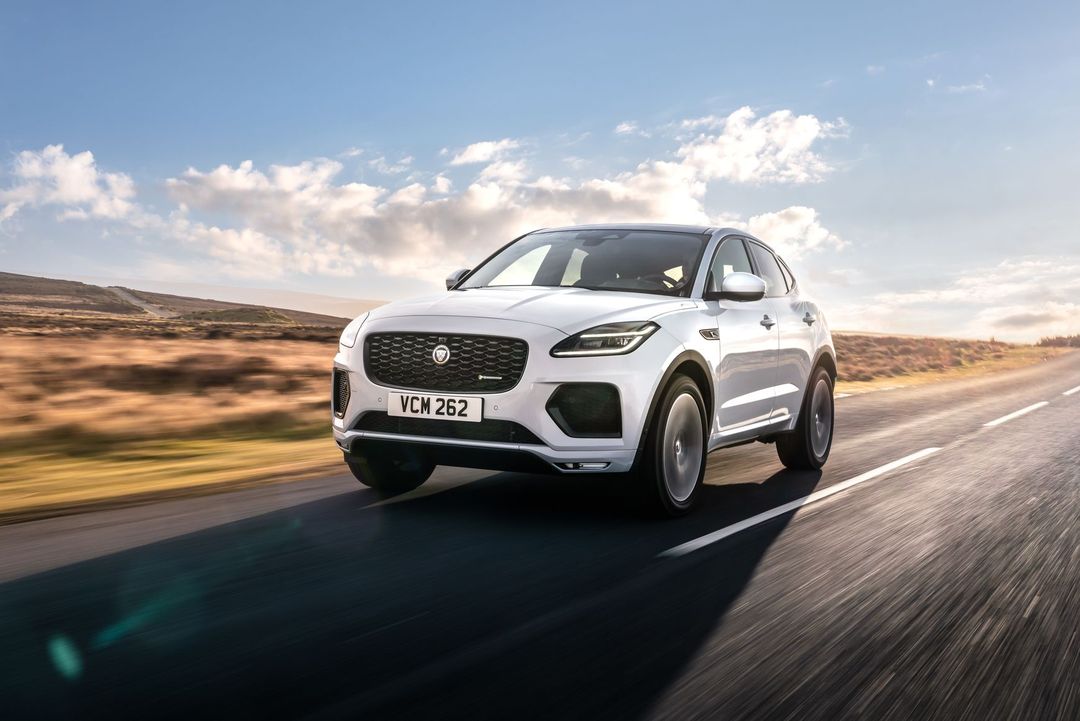
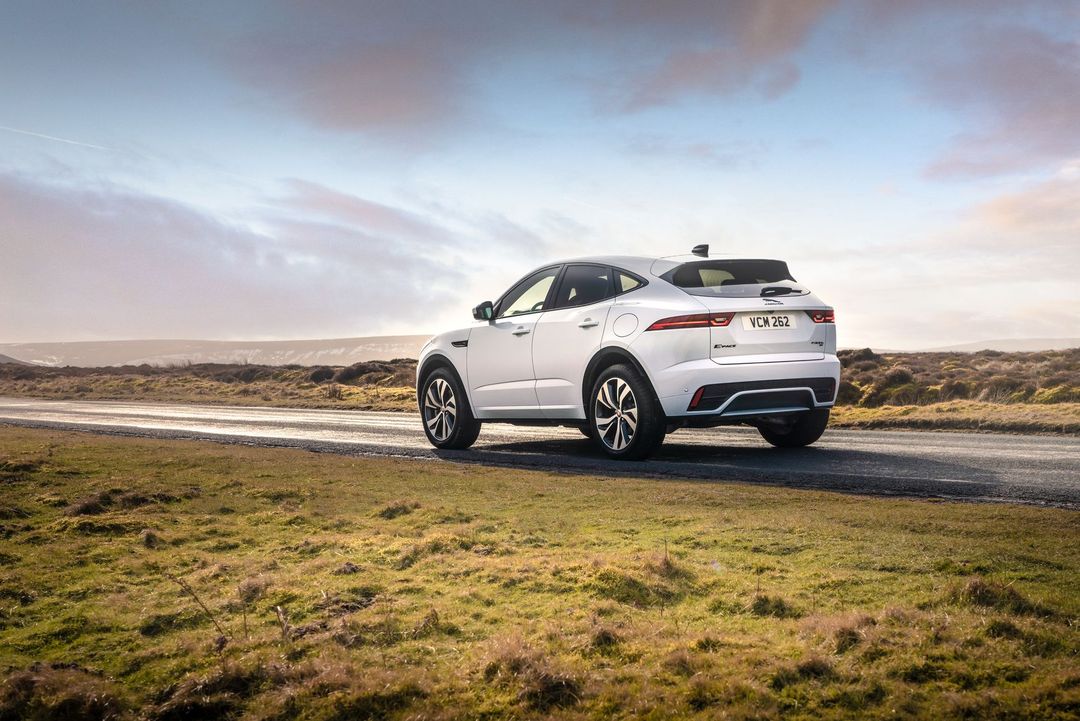
The E‑Pace wears Jaguar intent on its sleeve: compact proportions, a low-slung roofline and pronounced wheel arches give it a sporty, ready-to-pounce stance that still reads upscale at a glance. At 4,395 mm long and 1,984 mm wide it feels more athletic than some of its boxier rivals, but the tapered roof sacrifices a little practicality for style. A modern grille, slim headlights and a choice of muscular body colours help the E‑Pace stand out in traffic without shouting for attention.
Cabin: Small Jaguar, Big Ambition

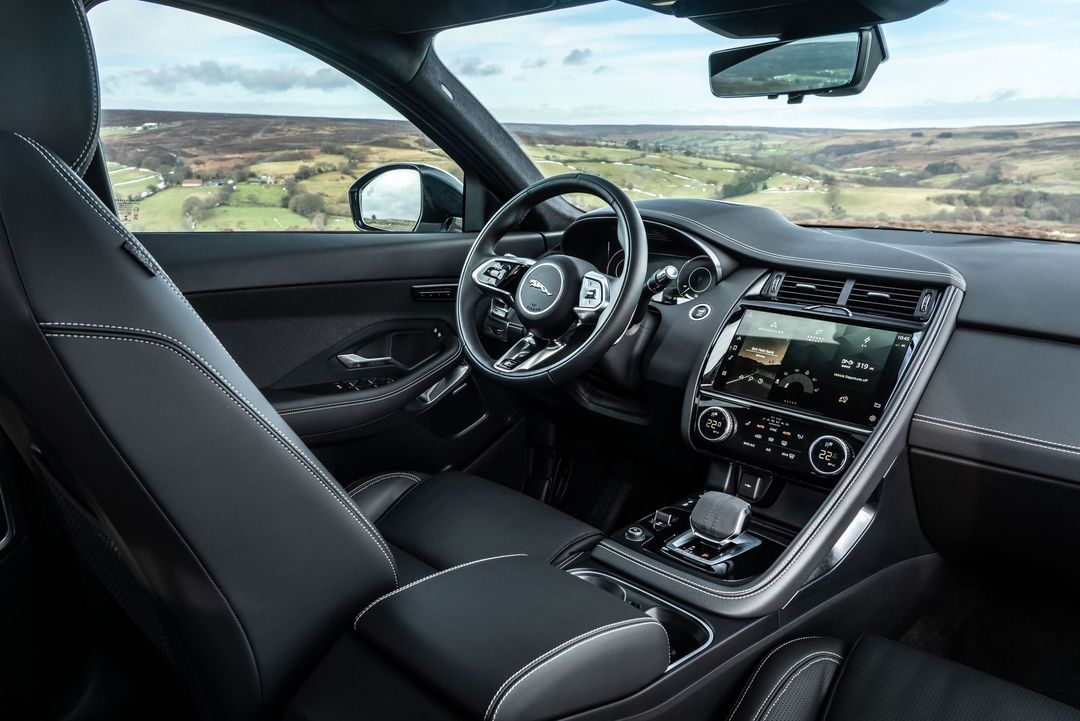
The interior pairs premium touches with practical simplicity: soft-touch surfaces, clean lines and tactile controls make the cabin feel grown-up, while optional leather and trim packs lift the ambience closer to larger Jaguars. The driver-facing layout and clear instrumentation keep information readable in daily driving, and overall fit and finish are competitive for the class. Noise insulation is generally effective, although heavier powertrains like the plug‑in hybrid add some low-end weight and a firmer ride at city speeds.

Everyday Space: Clever But Not Class Leading

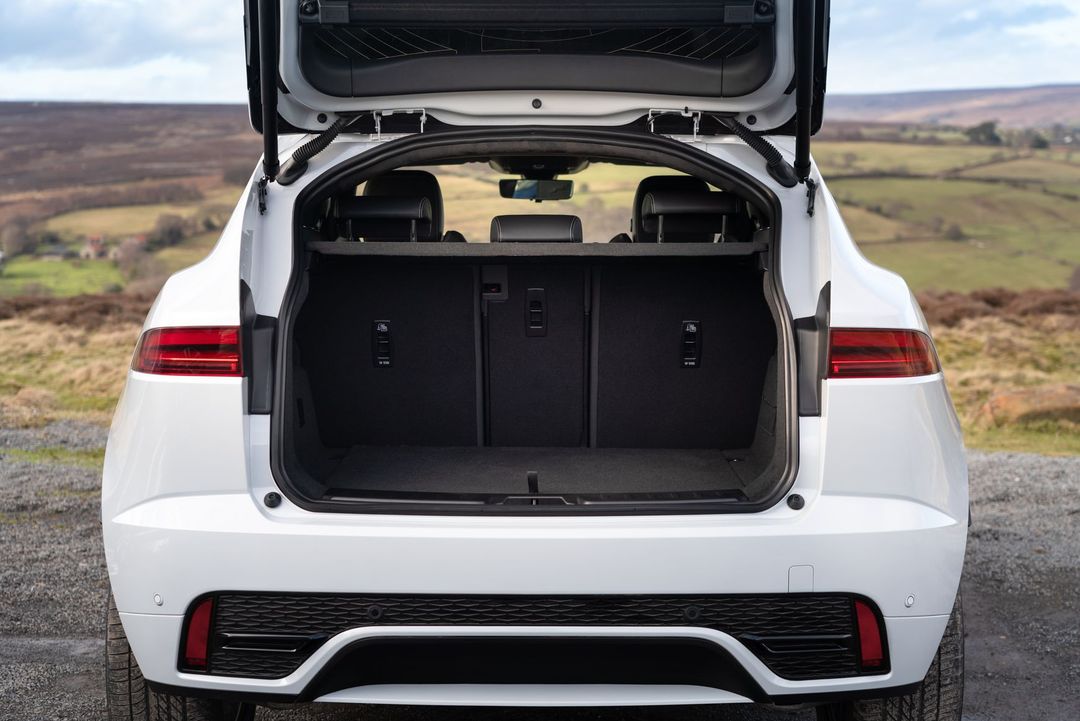
Seating for five is standard, but rear headroom is slightly compromised by the coupe-like roof; taller passengers will notice the slope on long journeys. The boot holds a useful 494 litres with the seats up and expands to a maximum of 1,170 litres with the rear seats folded, which covers most weekly shopping and weekend luggage needs. At city kerbs the E‑Pace’s compact footprint and 56–67 litre fuel tank options make parking and range management straightforward, though payload varies depending on trim and drivetrain.

On the Road: Jaguar Handling With Practical Compromises

Steering is direct and the chassis favours agility, so the E‑Pace rewards confident cornering and feels lighter than its curb weight suggests on twisty roads, though the plug‑in hybrid variant tips the scales at around 2,173 kg and dulls the last edge of responsiveness. Powertrains span from a 160 hp petrol mild‑hybrid up to a 269 hp plug‑in hybrid that completes 0–100 km/h in about 7.3 s, with diesel variants offering the middle ground and long-distance composure. Brake feel and suspension tuning strike a balance between comfort and control, making the E‑Pace an accomplished all‑rounder rather than a track toy.

Efficiency and Real-World Range

The PHEV is the headline for economy, pairing an 11.5 kWh battery with an official electric range of around 69 km and a combined consumption figure that can be as low as 1.4 L/100 km in mixed use, which translates to genuine short‑commute EV driving for many owners. Diesel mild‑hybrids return roughly 6.8–7.0 L/100 km and suit high-mileage drivers with steady motorway work, while the petrol MHEV sits closer to 8.2 L/100 km under normal conditions. In practice, PHEV economy depends on charging habits, whereas diesel remains the most efficient choice for long-distance consistency.

Gadgets, Safety and Everyday Smarts

Infotainment is clear and responsive, with smartphone mirroring and a driver display that keeps key data prominent; higher trims add larger screens and premium audio for a more hotel‑lobby feel. A comprehensive suite of assists is available, including adaptive cruise, lane‑keeping and park aids, which are useful in urban congestion and motorway driving alike. Over-the-air updates and connected services help keep the software fresh, though some advanced features are optional rather than standard.

Who Should Consider an E‑Pace?

The E‑Pace suits buyers who want Jaguar styling and a premium cabin in a compact, city‑friendly SUV package, with drivetrain choices that match most lifestyles: the PHEV for commuter-first owners, diesels for high-mileage motorway work and petrol MHEV for lighter use. Practical families who prioritise rear space over sporty silhouette might prefer slightly roomier rivals, but those after a compact SUV that feels special, drives with poise and offers modern hybrid choices will find the E‑Pace compelling. With power outputs from around 160–269 hp and a clear emphasis on styling and on‑road manners, it remains a strong contender in the premium small SUV segment.

Costs and Consumption

Price
32400 - 56100 £
Consumption L/100km
1.4 - 8.2 L
Consumption kWh/100km
-
Electric Range
69 km
Battery Capacity
11.50 kWh
co2
33 - 185 g/km
Fuel tank capacity
56 - 67 L

Dimensions and Body

Body Type
SUV
Seats
5
Doors
5
Curb weight
1783 - 2173 kg
Trunk capacity
494 L
Length
4395 mm
Width
1984 mm
Height
1648 mm
Max trunk capacity
1170 L
Payload
497 - 554 kg

Engine and Performance

Engine Type
Plugin Hybrid, Diesel MHEV, Petrol MHEV
Transmission
Automatic
Transmission Detail
Automatic Gearbox
Drive Type
All-Wheel Drive, Front-Wheel Drive
Power HP
160 - 269 HP
Acceleration 0-100km/h
7.3 - 10.5 s
Max Speed
190 - 211 km/h
Torque
260 - 540 Nm
Number of Cylinders
3 - 4
Power kW
118 - 198 kW
Engine capacity
1498 - 1998 cm3

General

Model Year
2024
CO2 Efficiency Class
B, G
Brand
Jaguar
What drive types are available for the Jaguar E-Pace?

The Jaguar E-Pace is offered with All-Wheel Drive or Front-Wheel Drive.

The prices shown are estimates based on German list prices, adjusted for local VAT. Local registration taxes (e.g. NoVA, BPM or CO2 malus) are not included. This information is not legally binding.