Jeep Compass SUV – Petrol MHEV or Electric, starting at 34200 £

2 (1)
rate

The Jeep Compass SUV impresses with a Petrol MHEV or Electric engine, 213 HP 500 km and an attractive starting price of 34200 £. Here are all the details at a glance.

from about £34,200
Compass @ Jeep / Stellantis Media

Jeep Compass

  • Engine Type : Petrol MHEV, Electric
  • Transmission : Automatic
  • Drive Type : Front-Wheel Drive
  • Power HP : 145 - 213 HP
  • Consumption L/100km : 5.8 - 5.9 L
  • Consumption kWh/100km : 17.50 kWh
  • Electric Range : 500 km
@ Jeep / Stellantis Media

Road‑Ready Looks with a Familiar Attitude

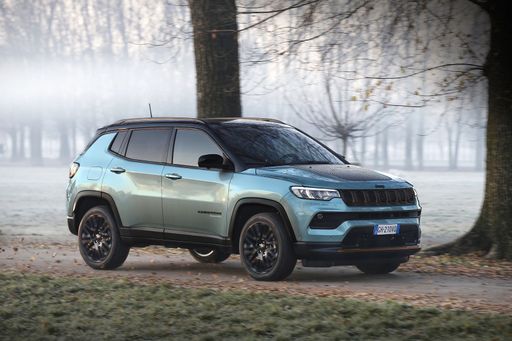
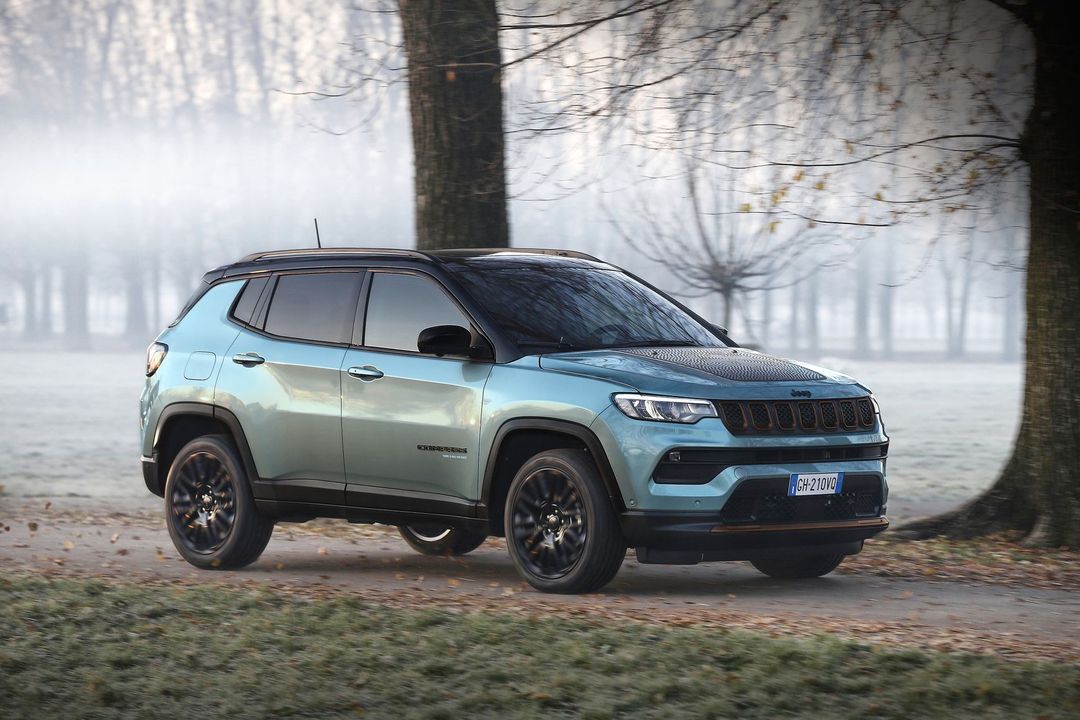
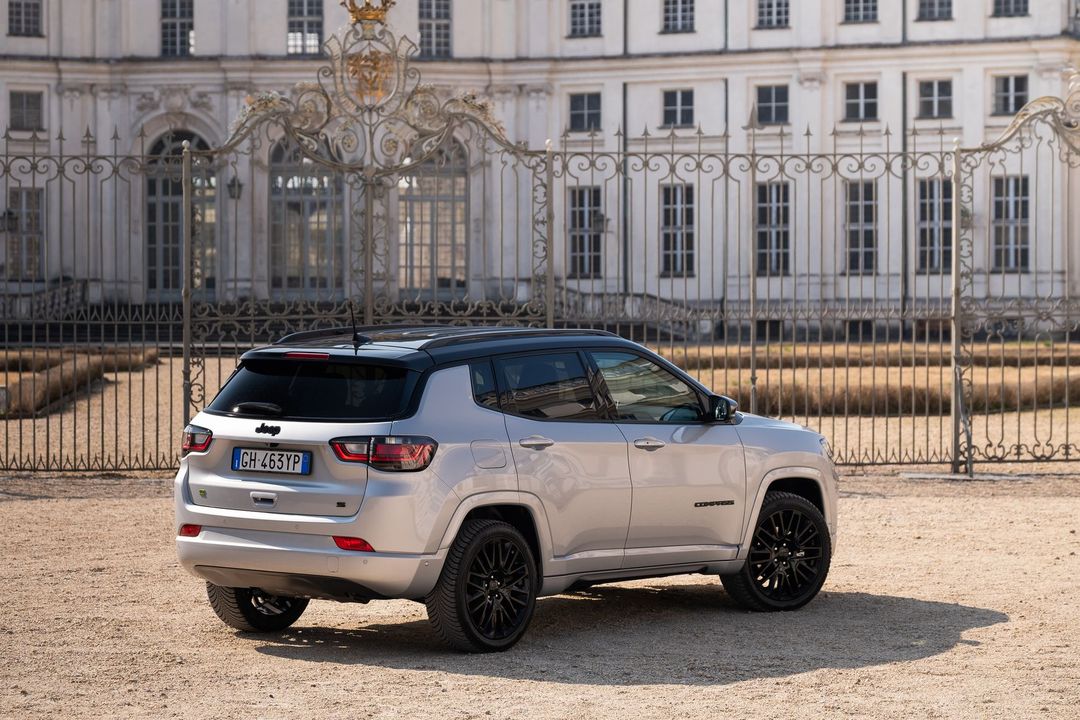
The Compass keeps Jeep’s upright, seven‑slot grill and chunky wheel arches but tightens the lines for a more modern, urban SUV look; at roughly 4.4–4.55 metres long and 1.82 metres wide it sits squarely in the compact class without trying to disappear. Front and rear treatments are cleaner than before, so it reads as rugged without being overtly trucky, and higher trims add useful visual muscle with larger wheels and contrasting roofs. Ground clearance still nods to light off‑road capability, but the styling is aimed at buyers who want presence on city streets as much as on gravel tracks.
@ Jeep / Stellantis Media

Cabin That Tries Hard to Impress

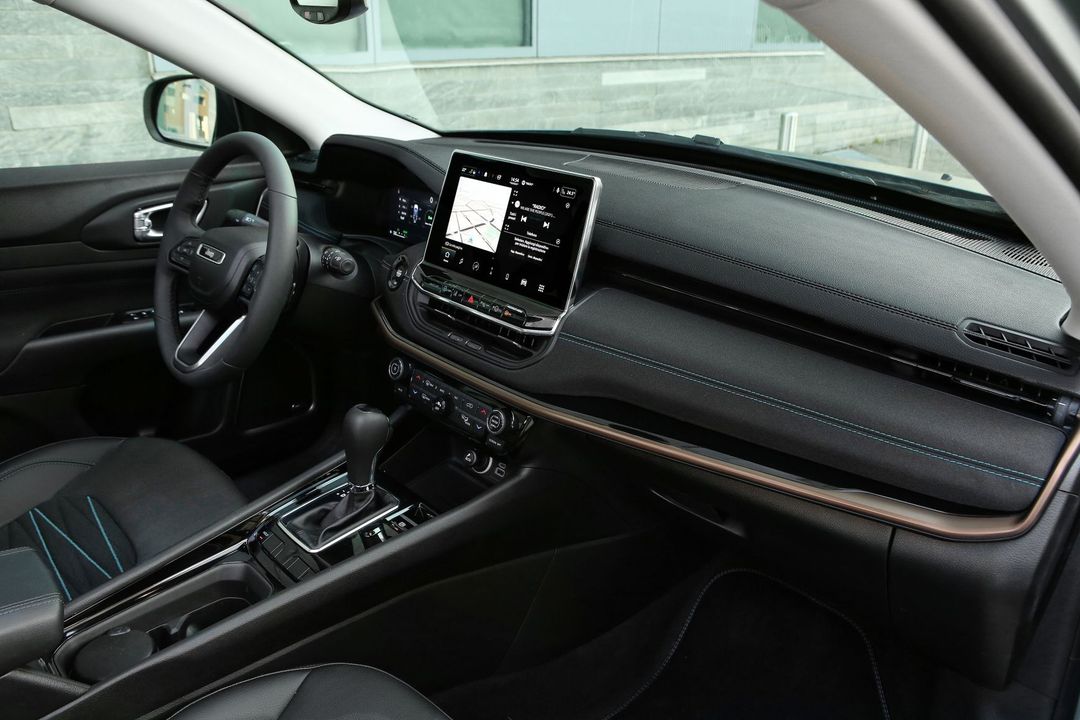
Interior quality has been upgraded with softer surfaces and neat stitching across the dash, though the lower door plastics remain functional rather than premium. Controls are logically placed and the seats offer supportive comfort for long drives, making daily commutes and motorway runs less tiring. Noise insulation is acceptable for the class; heavier hybrid and electric variants feel accordingly more planted thanks to added mass.

@ Jeep / Stellantis Media

Room for People and Practical Stuff

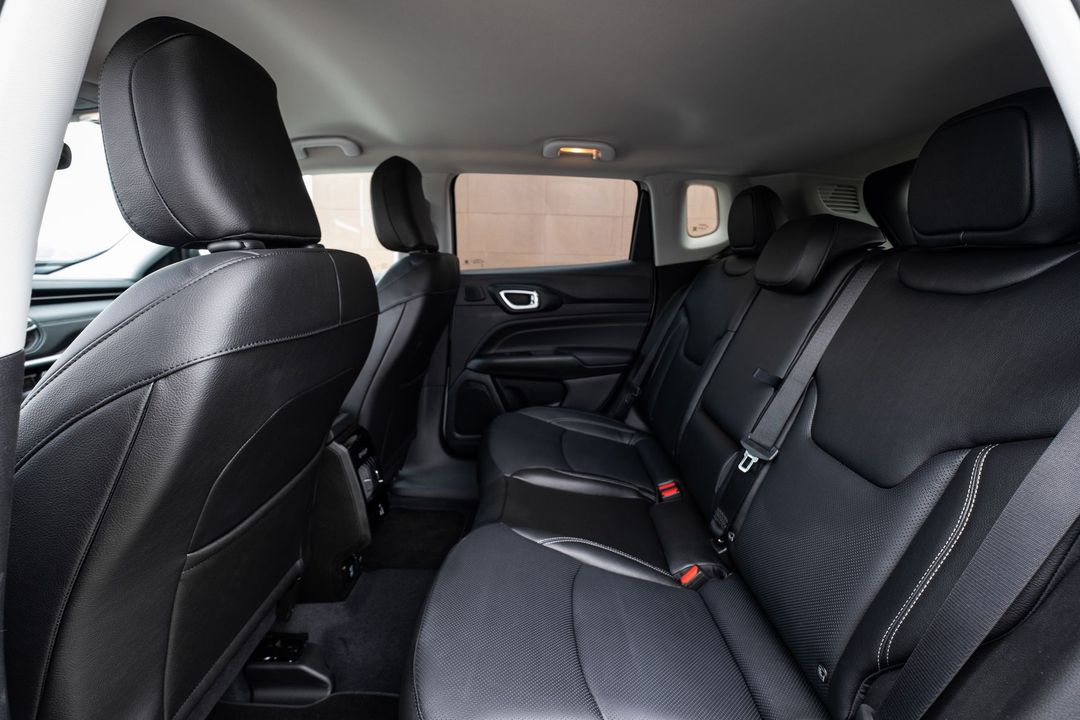
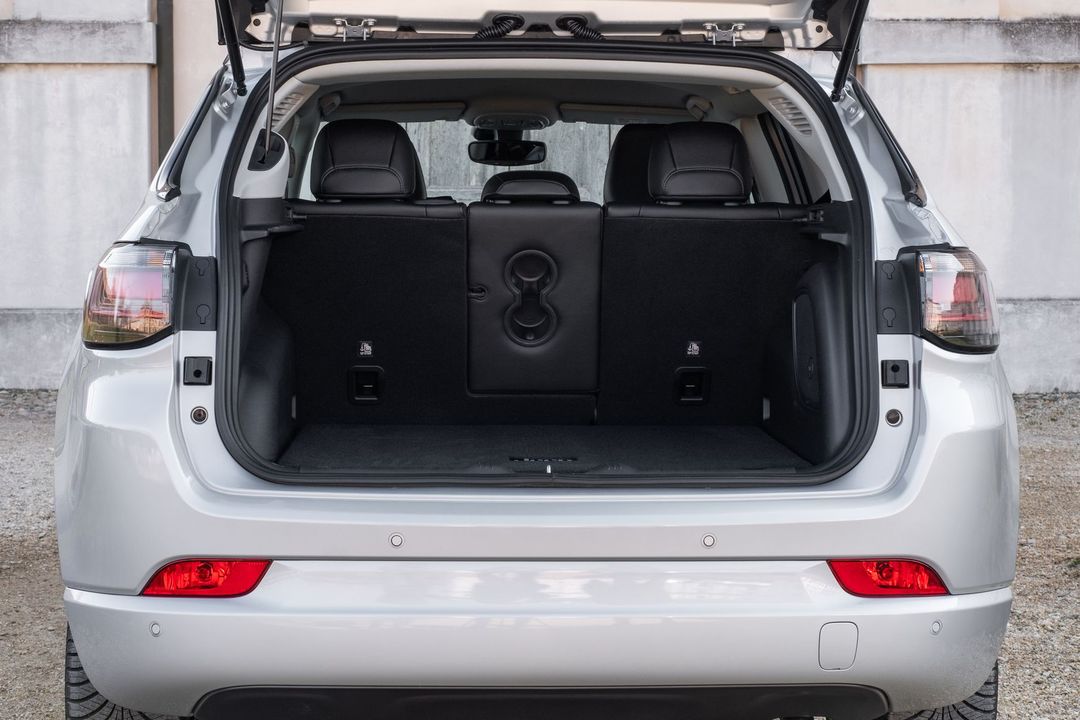
Space is competitive: five adults fit reasonably well and the rear seat offers usable knee room for two adults or a small family, while the boot ranges from about 438 litres in petrol variants to larger figures in electric layouts, with folding seats expanding load capacity to well over a cubic metre on demand. Small items are catered for with sensible cubbying, and the tailgate aperture is wide enough for pushchairs and flat‑pack furniture. Everyday practicality is therefore strong — groceries, luggage and weekend gear are handled without gymnastic packing.

@ Jeep / Stellantis Media

Composed on Road, Varied in Spirit

Handling leans toward safe and composed rather than sporty: steering is light and the Compass masks body roll competently, which suits relaxed family driving but won’t excite enthusiastic drivers. Powertrains add character differences — the 1.5 MHEV 130 hp unit is adequately brisk with a roughly 0–100 km/h time near 10 seconds, while the 1.3 PHEV versions (190–240 hp) cut that to the 7–8 second bracket for genuinely eager overtakes. All‑wheel drive on the PHEV models improves grip in poor conditions, turning the Compass into a practical all‑weather companion rather than a performance SUV.

@ Jeep / Stellantis Media

Fuel, Electrons and Real‑World Range

Fuel consumption depends heavily on the chosen drivetrain: the 1.5 MHEV returns around 5.5 L/100 km in official figures, the 1.2 e‑Hybrid shows roughly 5.9 L/100 km, and PHEV variants claim about 2.1 L/100 km with an electric range of around 36 km — useful for short daily commutes on pure electric power. The full electric Compass promises about 500 km WLTP range from a roughly 74 kWh battery and consumption near 17.5 kWh/100 km in official testing, which translates to genuine long‑run capability for most buyers. In practice, mild‑hybrids help reduce fuel use in stop‑start traffic, PHEVs suit buyers who can charge at home for most trips, and the BEV removes fuel costs for those with charging access.

Driver Aids and Connected Convenience

Standard safety tech includes adaptive cruise, lane‑keeping aids and automatic emergency braking, with higher trims addingpark assist and a 360‑degree camera for easier urban manoeuvres. The infotainment runs Jeep’s Uconnect suite with smartphone mirroring and an intuitive layout, though higher resolution screens and a fully digital instrument panel are reserved for upper grades. Software responsiveness and voice recognition are competent, providing a modern, if not class‑leading, connected experience.

Who Should Buy the Compass?

The Compass suits buyers who want Jeep’s styling and an elevated driving position without stepping up to a larger SUV; it’s practical for families and commuters alike and offers a choice of drivetrains to match different priorities. Budget‑minded drivers will find the 1.5 MHEV logical for mixed use, commuters with charging access will benefit from the 36 km PHEV electric range, and those seeking zero‑tailpipe motoring can consider the long‑range electric version. Overall, the Compass is a pragmatic, style‑forward compact SUV for buyers who value presence, practicality and drivetrain choice over outright sportiness.

Costs and Consumption

Price
34200 - 43200 £
Consumption L/100km
5.8 - 5.9 L
Consumption kWh/100km
17.50 kWh
Electric Range
500 km
Battery Capacity
74 kWh
co2
0 - 133 g/km
Fuel tank capacity
55 L

Dimensions and Body

Body Type
SUV
Seats
5
Doors
5
Curb weight
1667 - 2198 kg
Trunk capacity
550 L
Length
4552 mm
Width
1928 mm
Height
1675 mm
Max trunk capacity
1561 L
Payload
-

Engine and Performance

Engine Type
Petrol MHEV, Electric
Transmission
Automatic
Transmission Detail
Dual-Clutch Automatic, Reduction Gearbox
Drive Type
Front-Wheel Drive
Power HP
145 - 213 HP
Acceleration 0-100km/h
8.5 - 10.3 s
Max Speed
180 - 188 km/h
Torque
230 - 345 Nm
Number of Cylinders
3 - 4
Power kW
107 - 157 kW
Engine capacity
1199 cm3

General

Model Year
2025
CO2 Efficiency Class
D, A
Brand
Jeep
What drivetrain options does the Jeep Compass have?

The Jeep Compass is available as Front-Wheel Drive.

The prices and data displayed are estimates based on German list prices and may vary by country. This information is not legally binding.