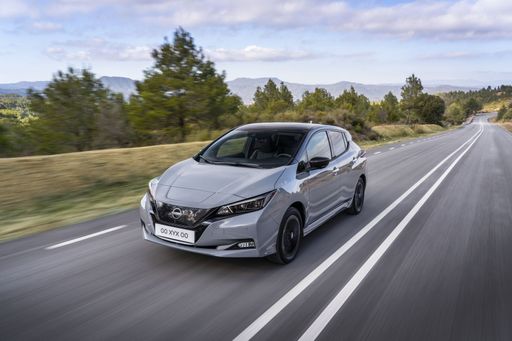
Nissan Leaf Hatchback, starting at 30800 £

The Nissan Leaf Hatchback impresses with 217 HP 385 km and an attractive starting price of 30800 £ . Here are all the details at a glance.

from about £30,800
Leaf

Nissan Leaf

  • Engine Type : Electric
  • Transmission : Automatic
  • Drive Type : Front-Wheel Drive
  • Power HP : 150 - 217 HP
  • Consumption kWh/100km : 16.7 - 17.8 kWh
  • Electric Range : 270 - 385 km

Design & Presence

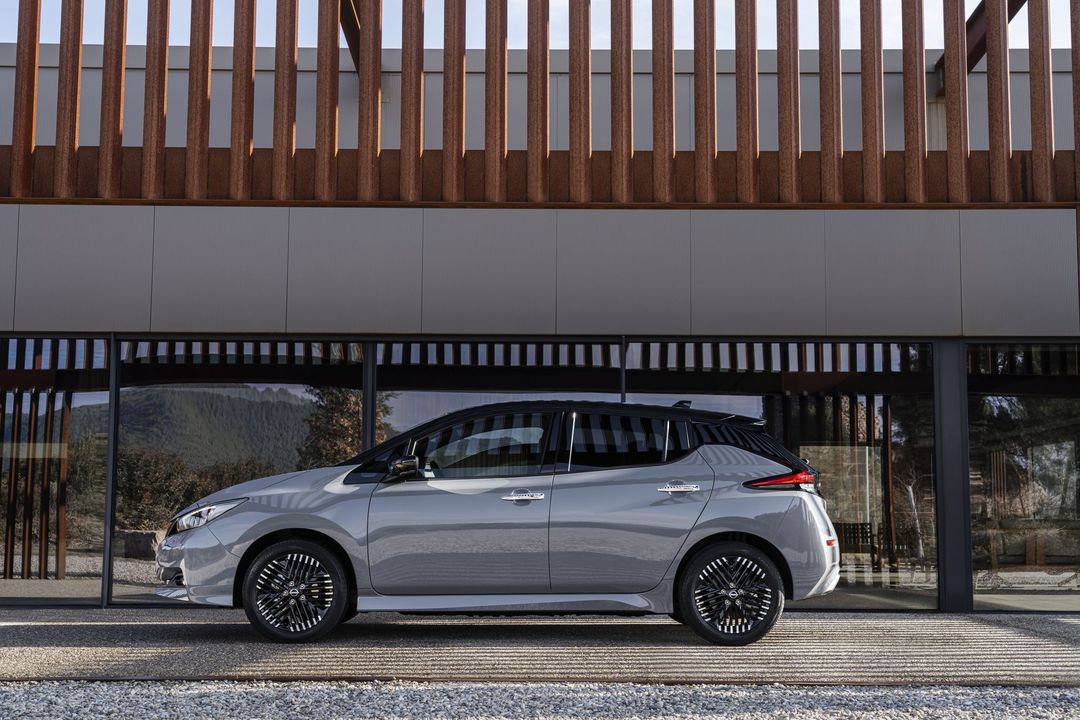
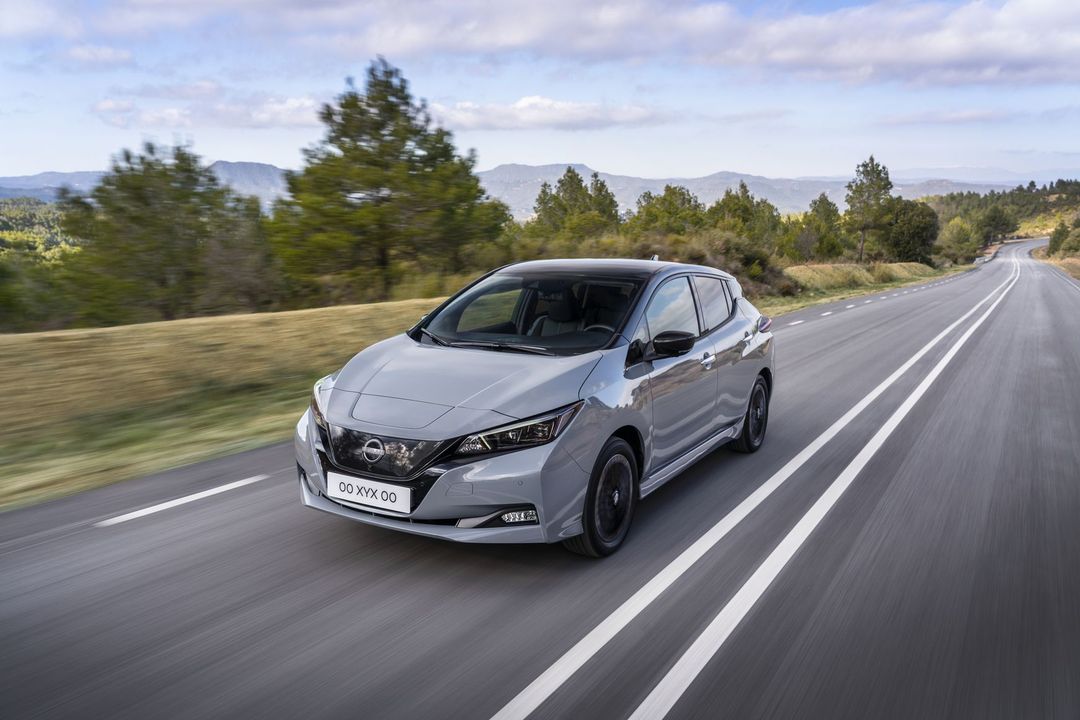
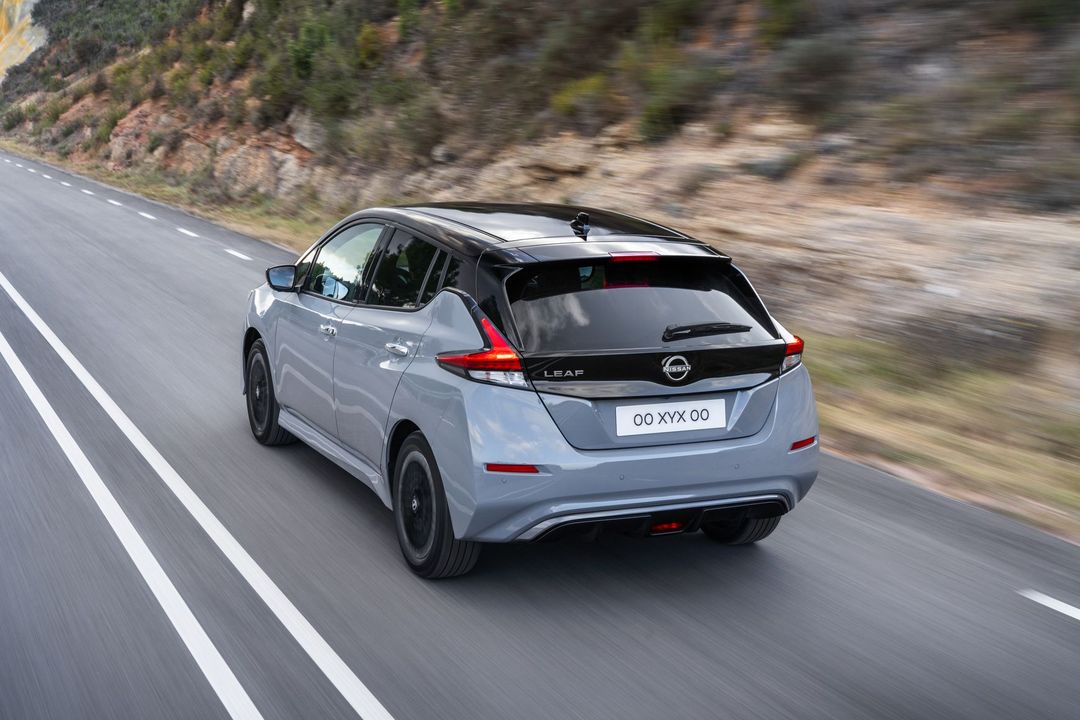
The Nissan Leaf wears a familiar silhouette that favours aerodynamic efficiency over flash, its hatchback proportions still practical and easy to live with. The styling is understated rather than showy, with clean lines and a compact footprint that suits urban parking and suburban drives. The front end and light signatures have been softened since early Leafs, so it looks modern without polarising buyers. Two powertrains are offered — a 40 kWh and a 62 kWh — but the look stays the same whatever the battery inside.
Interior & Usability

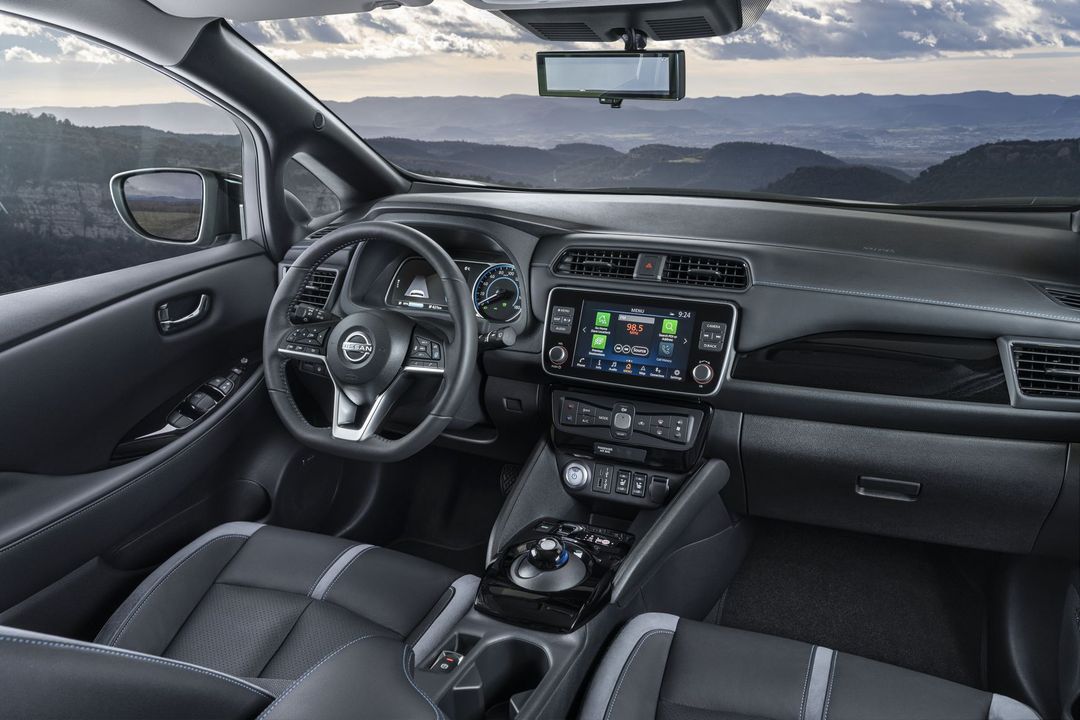
Cabin quality has improved over time, with softer surfaces where it matters and some hard plastics lower down that are easy to keep clean. Controls are logical and the driving position suits most body types, while seats are comfortable for daily commuting but not plush enough for long motorway marathon sessions. The infotainment and switchgear are straightforward, so there's little learning curve when switching from a combustion car.

Space & Everyday Practicality

Practicality is a strong suit: the Leaf seats five and offers a boot around 385–394 litres, expandable to about 790 litres with the rear seats down, so weekly shopping and a weekend bag fit without drama. Rear legroom is decent for adults on short to medium journeys, though taller passengers will feel the difference on longer trips. The kerb weight ranges from about 1,580 to 1,756 kg, which means the Leaf feels planted but carries the heft typical of an EV. Payload margins are sensible for family use, with loads of about 384–415 kg depending on specification.

Driving & Handling

Driveability centres on instant electric torque: the entry Leaf's 150 hp and the range-topping 217 hp both deliver brisk initial acceleration — roughly 0–100 km/h in 7.9 and 6.9 seconds respectively — so merging and overtaking are confidence-inspiring. Front-wheel drive and a short turning circle make town work easy, but hard acceleration can expose some torque steer and understeer under load. The ride is tuned for comfort rather than corner-carving, with compliant suspension that soaks up city imperfections at the cost of a bit more body roll on fast bends. Steering is light and predictable, which suits daily commuting but won't satisfy drivers after a sporty feel.

Efficiency/Consumption & Range

Nissan lists consumption at about 16.7 kWh/100 km for the smaller battery and 17.8 kWh/100 km for the larger pack, translating to WLTP ranges of roughly 270 km and 385 km respectively — real-world figures will vary with speed, temperature and heater use. In practice the 40 kWh Leaf is ideal for city users and daily commutes without frequent charging, while the 62 kWh model suits longer commutes and occasional motorway driving. Expect motorway driving and cold weather to shave range significantly, so plan charging stops on longer trips. Charging times depend on charger power, but the Leaf is designed for convenient overnight home charging and occasional public fast charges.

Assistance & Infotainment

Nissan packs the Leaf with sensible assistance systems such as adaptive cruise control, lane-keeping aids and automatic emergency braking to reduce stress in traffic and add safety for everyday driving. The infotainment is easy to use, supports smartphone mirroring and keeps functions simple rather than overwhelming with menus. Overall the technology choices prioritise functionality and reliability over gimmicks.

Who is it for?

The Leaf is aimed at buyers who want a no-nonsense electric hatchback for daily life — urban commuters, small families and anyone trading petrol for simpler ownership and lower running costs. Choose the 40 kWh version if most driving is around town and the 62 kWh version if longer trips are frequent or motorway miles stack up. It won't satisfy those seeking a premium cabin or sporty dynamics, but it remains a practical, well-rounded electric choice for mainstream buyers.

Costs and Consumption

Price
30800 - 37200 £
Consumption L/100km
-
Consumption kWh/100km
16.7 - 17.8 kWh
Electric Range
270 - 385 km
Battery Capacity
39 - 59 kWh
co2
0 g/km
Fuel tank capacity
-

Dimensions and Body

Body Type
Hatchback
Seats
5
Doors
5
Curb weight
1580 - 1756 kg
Trunk capacity
385 - 394 L
Length
4490 mm
Width
1788 mm
Height
1540 - 1545 mm
Max trunk capacity
790 L
Payload
384 - 415 kg

Engine and Performance

Engine Type
Electric
Transmission
Automatic
Transmission Detail
Reduction Gearbox
Drive Type
Front-Wheel Drive
Power HP
150 - 217 HP
Acceleration 0-100km/h
6.9 - 7.9 s
Max Speed
144 - 157 km/h
Torque
320 - 340 Nm
Number of Cylinders
-
Power kW
110 - 160 kW
Engine capacity
-

General

Model Year
2019
CO2 Efficiency Class
A
Brand
Nissan
What drivetrain options does the Nissan Leaf have?

Available configurations include Front-Wheel Drive.

The prices shown are estimates based on German list prices, adjusted for local VAT. Local registration taxes (e.g. NoVA, BPM or CO2 malus) are not included. This information is not legally binding.