SEAT Leon Hatchback, starting at 24500 £

4.4 (2 Reviews)
rate

The SEAT Leon Hatchback impresses with 272 HP 133 km and an attractive starting price of 24500 £ . Here are all the details at a glance.

from about £24,500
Leon

SEAT Leon

  • Engine Type : Petrol, Petrol MHEV, Diesel, Plugin Hybrid
  • Transmission : Manuel, Automatic
  • Drive Type : Front-Wheel Drive
  • Power HP : 116 - 272 HP
  • Consumption L/100km : 1.2 - 5.5 L
  • Electric Range : 133 km

First glance: sharper, but still familiar

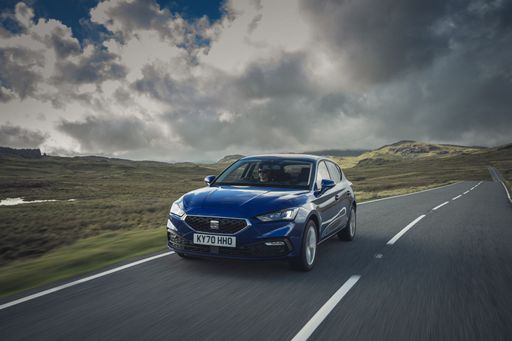
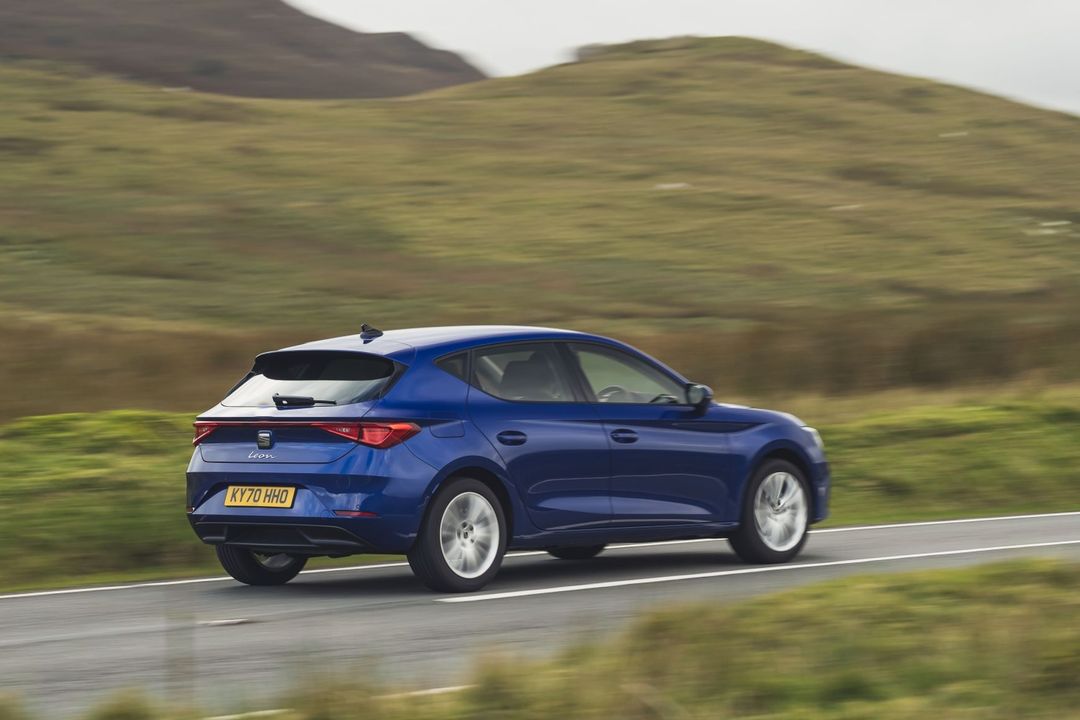
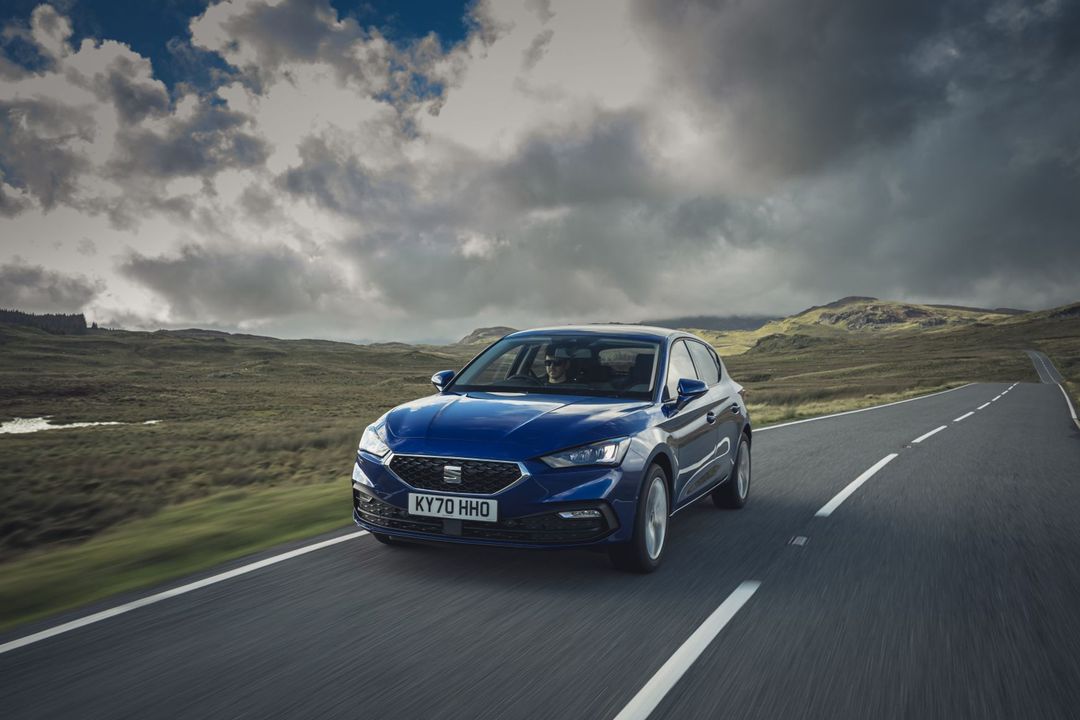
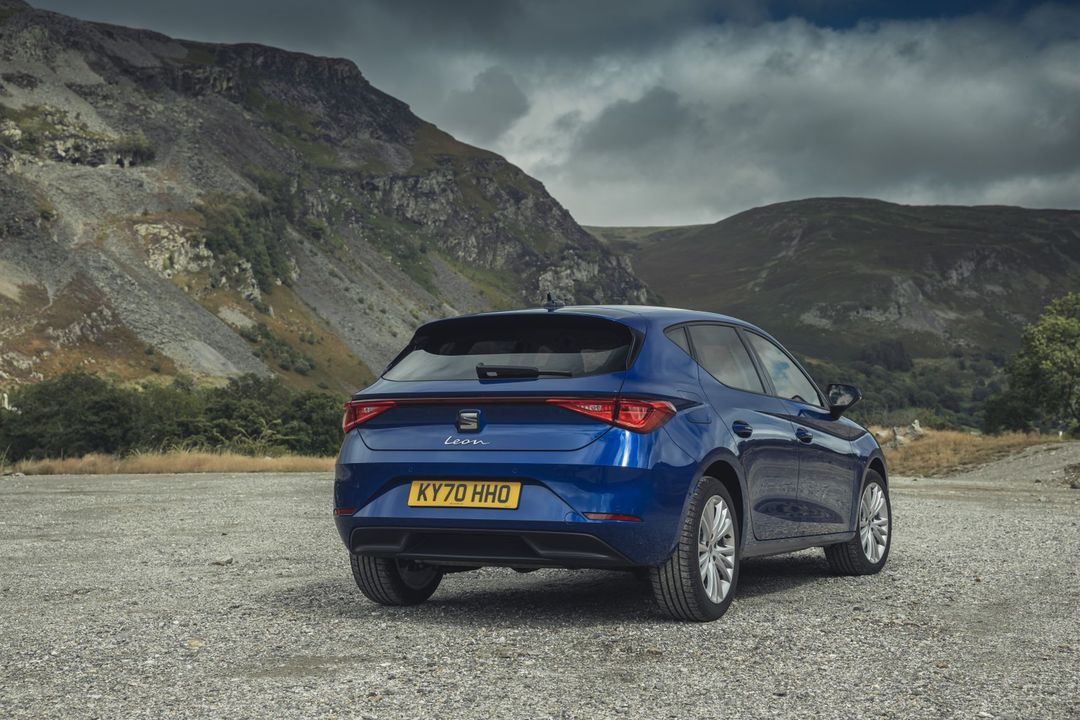
The SEAT Leon arrives with a taut, athletic silhouette that keeps the compact-hatch formula familiar while sharpening the details, and at 4,368 mm long it sits squarely in the class where style and practicality meet. LED signatures and strong shoulder lines give it presence without shouting, so it looks sporty on the driveway and tidy in a business car park. Proportions feel well balanced and the hatchback tail remains practical, making the Leon a sensible-looking small family car with a touch of intent. The range covers petrol, mild-hybrid, diesel and a potent plug-in hybrid, so the visual polish matches a wide set of mechanical choices.
Cabin that feels grown-up

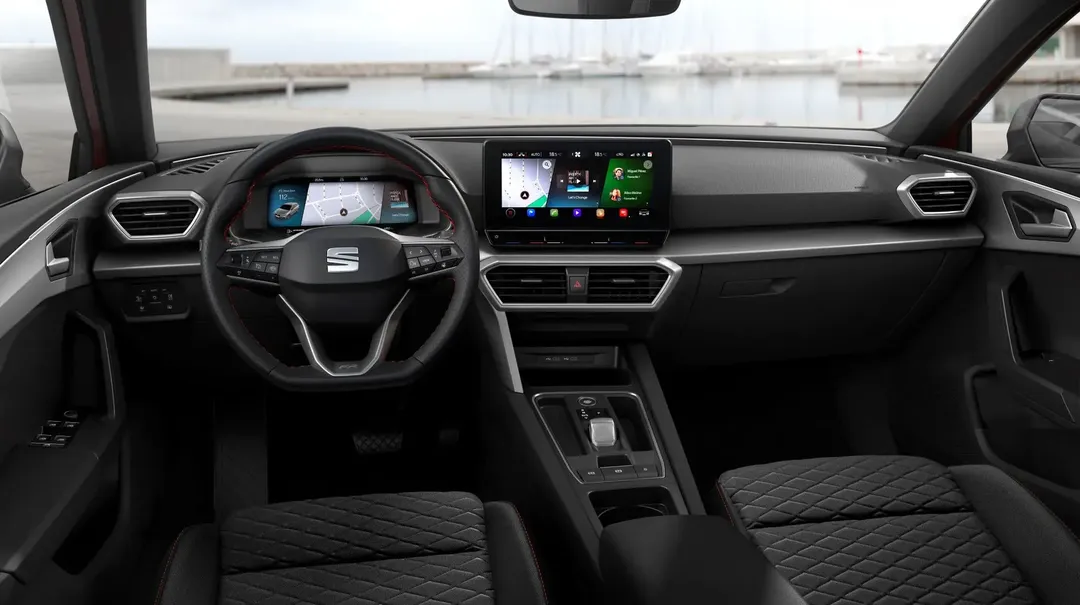
Inside the Leon the layout is driver-focused with materials that feel a step up from bargain-basement rivals: soft-touch surfaces where they matter and solid switchgear where drivers expect it. The digital instruments and central display deliver modern graphics, though some menus and functions are deeper than they should be to reach on the move. Front seats are supportive for long distances and ergonomics are sensible, so daily commutes or motorway runs stay comfortable. Overall the cabin balances a premium impression with no-nonsense usability.

Pack it, fold it, live with it

Space is competitive for the segment: five seats are onboard and the standard boot holds about 380 litres, enough for a week’s shop or weekend luggage, while folding rear seats expand capacity to a maximum near 1,301 litres for larger loads. The plug-in hybrid sacrifices cargo space, dropping the boot to around 270 litres thanks to batteries, which matters if regular luggage-hauling is required. Rear legroom is decent for average adults on shorter trips but taller passengers will find the compact class limits on long journeys. Practical touches and sensible door apertures keep everyday loading easy.

Handles with focus, engines for every mood

The Leon’s chassis is composed and communicative, with steering that leans toward precision rather than fluff, making it enjoyable on B-roads while remaining stable on the motorway. Base petrols around 116 hp are adequate for city driving and relaxed cruising, the 150 hp petrols add brisk mid-range shove, and the plug-in hybrid with roughly 272 hp turns the Leon into a quick compact with 0–100 km/h figures comparable to sporty rivals. Front-wheel drive and careful suspension tuning keep the car predictable; expect traction-limited bursts under hard acceleration but confident handling in everyday use.

Fuel figures that match how it's used

Real-world consumption depends on the chosen drivetrain: conventional petrols average around 5.5 l/100 km, mild-hybrid variants shave that to about 5.1 l/100 km, while diesels can drop into the mid 4s on mixed runs, which benefits frequent long-distance drivers. The plug-in hybrid claims a combined petrol equivalent near 1.2 l/100 km when regularly charged and offers an electric range of up to about 133 km on the WLTP cycle, which in practice covers most daily commutes without the engine. Charging behaviour and trip profile are decisive: the PHEV rewards disciplined charging, the diesel rewards motorway miles, and petrol is best for mixed urban and suburban use.

Tech that helps more than it frustrates

Driver aids are comprehensive with adaptive cruise, lane assist and parking aids available to take the stress out of long runs and city manoeuvres, and safety tech is competitive for the class. Infotainment supports smartphone mirroring and has a clear interface for navigation and media, though some functions are nested in touchscreen menus and that can make quick adjustments awkward while driving. High-spec cars add nicer finishes and convenience features, so moving up the trim ladder brings tangible comfort and tech gains. Overall the Leon’s systems feel contemporary and useful once the learning curve is passed.

Who should buy a Leon?

The Leon suits buyers who want a compact hatch with a sporty image but sensible everyday manners, plus a choice of efficient drivetrains from frugal diesels to a large-range plug-in hybrid for those wanting meaningful electric-only commutes. Urban drivers who rarely need heavy cargo will appreciate the standard boot and fuel-efficient petrols, while frequent motorway users should consider the diesel for economy and the PHEV for low running costs if regular charging is possible. For those after a balanced blend of style, technology and practical family use, the Leon remains a solid, well-rounded contender in the segment.

Costs and Consumption

Price
24500 - 36400 £
Consumption L/100km
1.2 - 5.5 L
Consumption kWh/100km
-
Electric Range
133 km
Battery Capacity
19.70 kWh
co2
27 - 126 g/km
Fuel tank capacity
40 - 45 L

Dimensions and Body

Body Type
Hatchback
Seats
5
Doors
5
Curb weight
1344 - 1657 kg
Trunk capacity
270 - 380 L
Length
4368 mm
Width
1799 mm
Height
1442 - 1460 mm
Max trunk capacity
1187 - 1301 L
Payload
473 - 521 kg

Engine and Performance

Engine Type
Petrol, Petrol MHEV, Diesel, Plugin Hybrid
Transmission
Manuel, Automatic
Transmission Detail
Manual Gearbox, Dual-Clutch Automatic
Drive Type
Front-Wheel Drive
Power HP
116 - 272 HP
Acceleration 0-100km/h
7.7 - 10.5 s
Max Speed
197 - 220 km/h
Torque
220 - 360 Nm
Number of Cylinders
4
Power kW
85 - 200 kW
Engine capacity
1498 - 1968 cm3

General

Model Year
2024 - 2025
CO2 Efficiency Class
D, B
Brand
SEAT
What drive types are available for the SEAT Leon?

The SEAT Leon is available as Front-Wheel Drive.

The prices shown are estimates based on German list prices, adjusted for local VAT. Local registration taxes (e.g. NoVA, BPM or CO2 malus) are not included. This information is not legally binding.