Toyota Highlander , starting at

The Toyota Highlander impresses with and an attractive starting price of . Here are all the details at a glance.

Highlander

Toyota Highlander

Street Presence and Looks

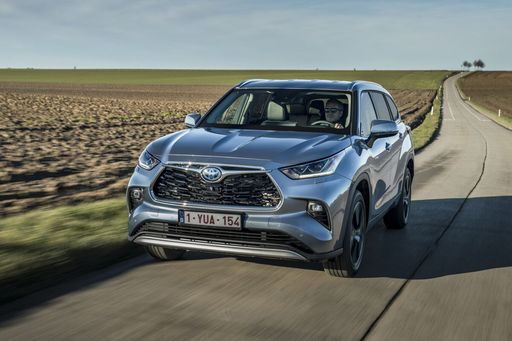
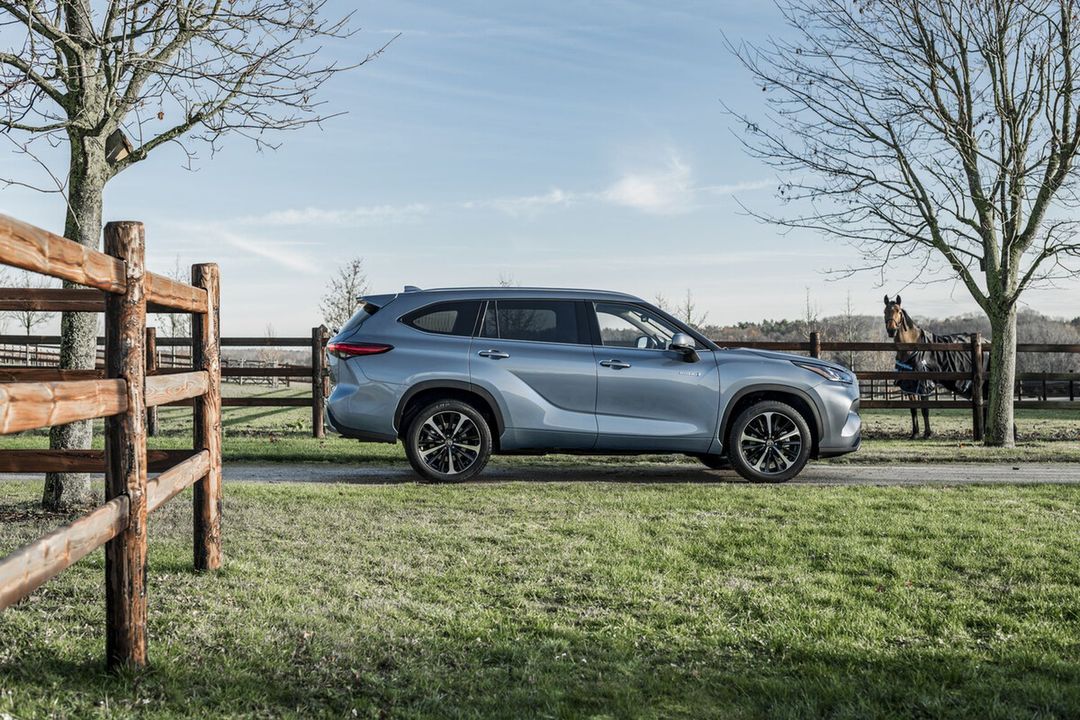
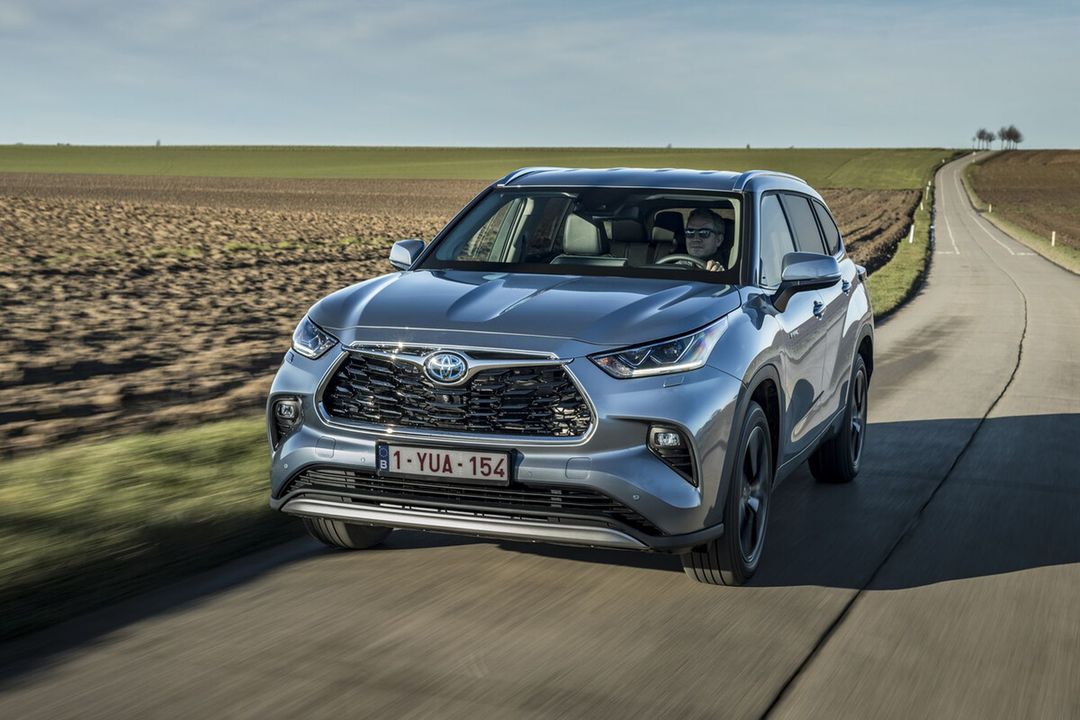
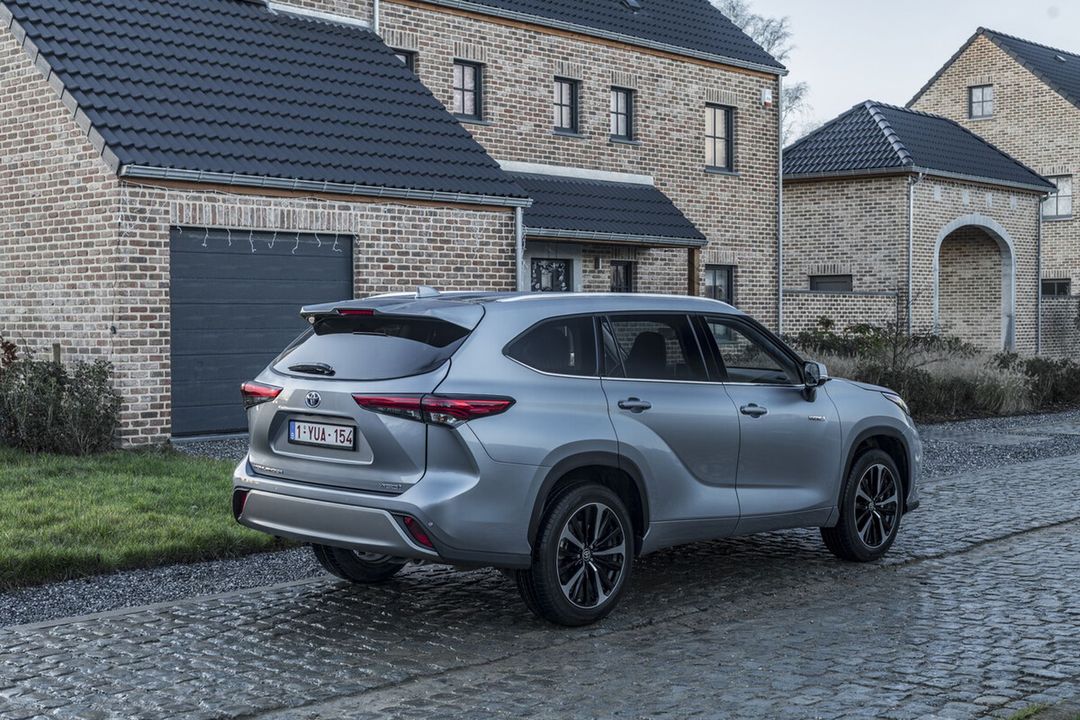
The Toyota Highlander presents a composed, family-friendly profile that reads as substantial without being ostentatious. A broad front end, slim headlamps and clean shoulder lines give it an assured stance that suits suburban driveways and long motorway runs alike. Details like optional two-tone paint and tasteful chrome trim lift the visual appeal without shouting for attention. Overall, the Highlander looks modern and purposeful rather than sporty or flashy.
Cabin Feel and Controls

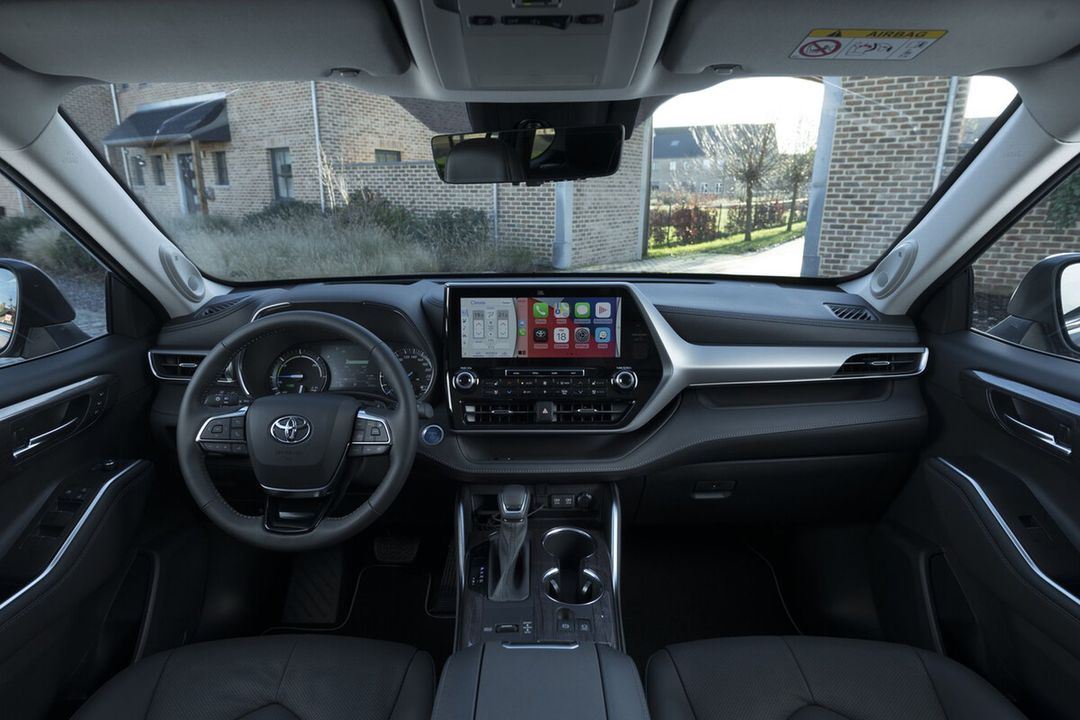
Inside, the Highlander prioritises durability and sensible ergonomics: soft-touch surfaces where it counts, harder plastics in less visible areas, and seats designed for long-distance comfort. The instrument layout is straightforward, with a clear central touchscreen and physical climate controls that stay useful on the move. Higher trims add leather, heated and ventilated seats, and nicer trim pieces that bring the cabin closer to premium feels. Cabin insulation is effective, so wind and tyre noise remain subdued at cruising speeds.

Room for People and Stuff

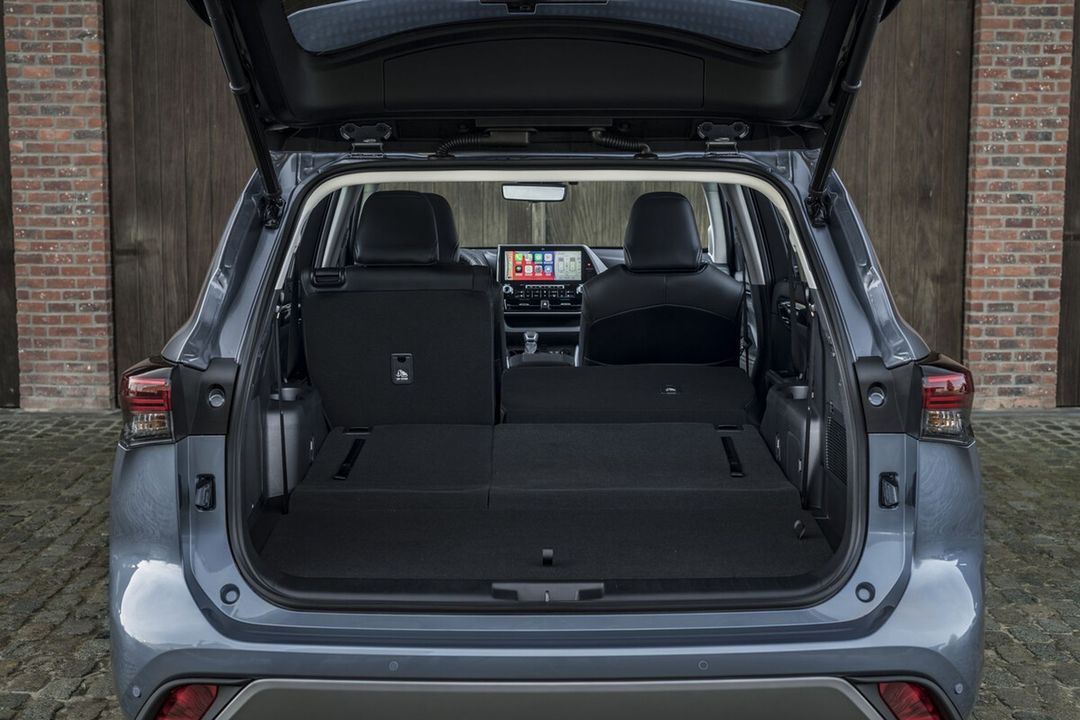
The Highlander is available in seven- or eight-seat layouts, with a third row best suited to children or short adult trips; adults will be happier in the second row. Cargo space behind the third row is modest for the class — roughly in the mid-hundreds of litres — but folding the rear seats opens up close to two thousand litres of usable room, enough for a week of family luggage or flat-packed furniture. Seat folding is intuitive and the second-row slides on many trims, which makes day-to-day loading and kid-taxi duties painless. Practical touches like multiple cupholders, accessible USB points and decent underfloor storage add up in regular use.

How it Drives

The Highlander is tuned for comfort rather than corner-carving: suspension soaks up bumps well and the ride remains composed when the road gets rough. Engine options typically include a 2.4‑litre turbo petrol producing about 265 hp and a hybrid system putting out around 240–250 hp combined, so acceleration is brisk enough for overtaking and motorway merges — expect 0–100 km/h (0–62 mph) times in the high 7s for the petrol and similar, slightly smoother performance from the hybrid. Steering is light and predictable, making urban manoeuvres easy, while the available AWD helps traction in poor conditions rather than adding sportiness. Tow ratings and robustness suit occasional towing and family adventures when the turbo petrol is chosen.

Fuel Use and Range

Fuel figures depend on the powertrain: the turbo petrol typically averages in the region of 8.5–9.5 L/100 km in combined driving, while the hybrid can return roughly 6.0–7.5 L/100 km depending on driving style and conditions. With a fuel tank around 65 litres, the petrol version will commonly deliver 700–800 km between fill-ups on mixed driving, and the hybrid can extend that range even further, which makes the hybrid appealing for long commuters and cost-conscious families. Real-world economy will vary with load, driving habits and whether frequent town driving allows more electric-assist in the hybrid. Choosing the hybrid makes particular sense when fuel costs and everyday efficiency are priorities.

Driver Help and Connectivity

Toyota Safety Sense is standard, bringing adaptive cruise control, lane-centring aids, automatic emergency braking and traffic-sign recognition that together make long motorway miles less fatiguing. Infotainment ranges from a sensible 8‑inch screen to an optional 12.3‑inch display, with Apple CarPlay and Android Auto (often wireless on higher trims) and an easy-to-read instrument cluster. Physical knobs for volume and climate controls keep basic functions intuitive while on the move, and higher trims add features like head-up display and premium audio. Over-the-air updates and connected services are increasingly offered, keeping maps and safety software up to date without a dealer visit.

Who is it for?

The Highlander suits families who want room, reliability and a comfortable long-distance cruiser rather than a compact, sporty SUV. Those needing towing capability or quicker mid-range performance will favour the 2.4‑litre turbo, while buyers prioritising running costs and mixed commuting will find the hybrid package compelling; current versions carry internal Toyota codes 318504, 318505 and 318506. Competitors may be sharper or more luxurious, but the Highlander’s blend of space, Toyota build quality and well-judged equipment makes it a pragmatic, low-drama choice for most family buyers.

Costs and Consumption

Price
-
Consumption L/100km
-
Consumption kWh/100km
-
Electric Range
-
Battery Capacity
-
co2
-
Fuel tank capacity
-

Dimensions and Body

Body Type
-
Seats
-
Doors
-
Curb weight
-
Trunk capacity
-
Length
-
Width
-
Height
-
Max trunk capacity
-
Payload
-

Engine and Performance

Engine Type
-
Transmission
-
Transmission Detail
-
Drive Type
-
Power HP
-
Acceleration 0-100km/h
-
Max Speed
-
Torque
-
Number of Cylinders
-
Power kW
-
Engine capacity
-

General

Model Year
-
CO2 Efficiency Class
-
Brand
-
The prices shown are estimates based on German list prices, adjusted for local VAT. Local registration taxes (e.g. NoVA, BPM or CO2 malus) are not included. This information is not legally binding.