VS

Mazda CX-80 vs Toyota Highlander - Differences and prices compared

Compare performance (327 HP vs ), boot space and price (49300 £ vs ) at a glance. Find out which car is the better choice for you – Mazda CX-80 or Toyota Highlander?

CX-80

Introducing the Compact SUV Showdown: Mazda CX-80 vs. Toyota Highlander

The burgeoning mid-size SUV market has seen exciting entries over the past few years, with two notable contenders leading the pack: the Mazda CX-80 and the Toyota Highlander. Both vehicles offer a unique blend of performance, technology, and comfort, but they cater to slightly different audiences. Join us as we take a closer look at their key specifications, innovations, and overall appeal.
Highlander

Performance and Engine Options

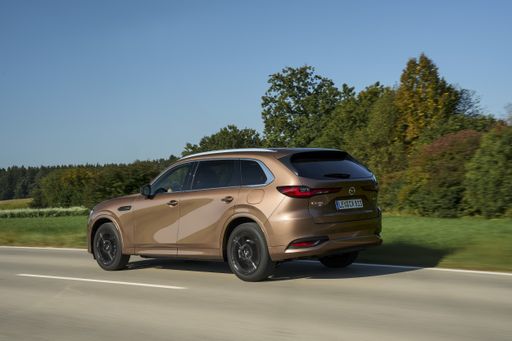
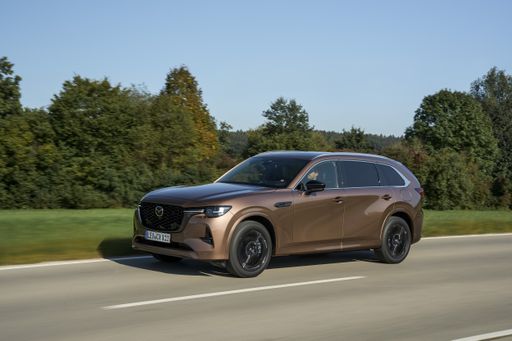
When it comes to performance, the Mazda CX-80 excels with its dual-engine offerings. The available Plugin Hybrid produces a robust 327 HP, while the Diesel MHEV variant generates a respectable 254 HP. Both variants come with an automatic transmission and all-wheel drive, providing smooth handling and adaptability to a variety of road conditions. Notably, the CX-80 Plugin Hybrid features an impressive electric range of 60 km and a fuel consumption as low as 1.6 L/100km, making it both efficient and environmentally friendly.

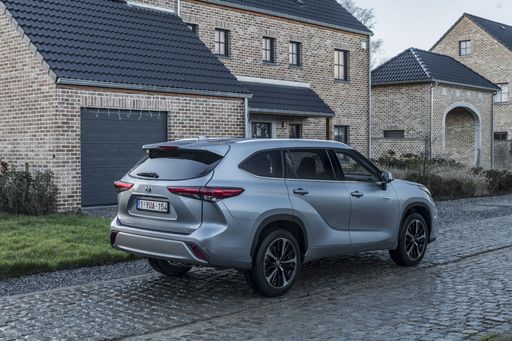
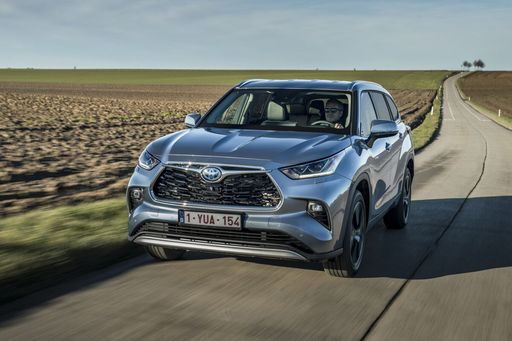
In comparison, the Toyota Highlander is known for its dependable performance and powerful 6-cylinder engine, although specific performance data has not been disclosed for the latest model. Typically, the Highlander combines a strong power delivery with a comfortable ride, catering to families and adventure-seekers alike.

CX-80

Acceleration and Handling

The Mazda CX-80 impresses with its acceleration capabilities, clocking in at an exhilarating 0-100 km/h time of just 6.8 seconds for the Plugin Hybrid model. This rapid acceleration, combined with its precise handling and agility, makes the CX-80 a spirited choice in its class. The Diesel MHEV variant still boasts commendable performance with a 0-100 km/h time of 8.4 seconds.

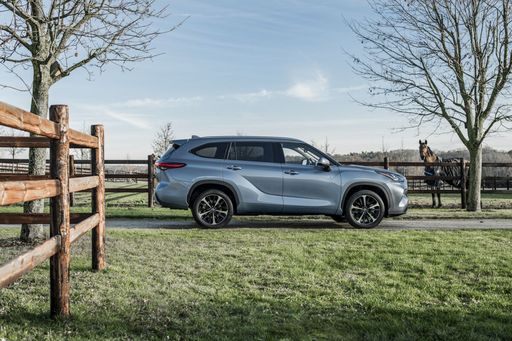
While the Toyota Highlander is renowned for its comfortable ride and exceptional stability, it often puts a stronger emphasis on family-oriented practicality over outright speed. The Highlander’s handling might not match the sporting edge of the CX-80, but it compensates with a smooth and confident driving experience.

Highlander

Interior Comfort and Cargo Space

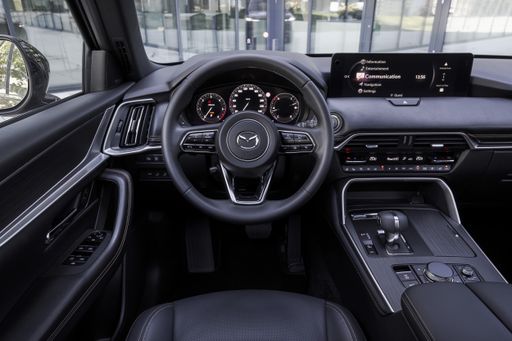
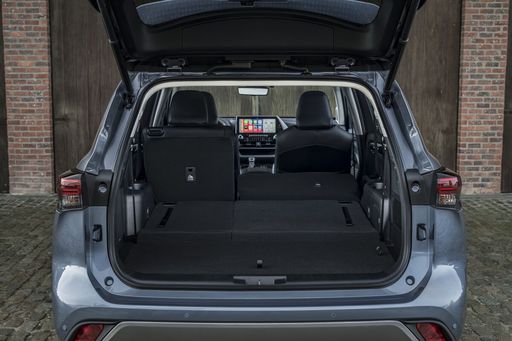
The Mazda CX-80 begins its advantage with a cabin that exudes quality and sophistication. With seating for up to seven passengers, it offers ample space for families. However, with a trunk capacity of 258 liters, it may lag slightly behind in cargo space compared to the Highlander. The Highlander tends to provide more generous storage solutions, catering well to adventurous families and providing versatile configurations for larger items.

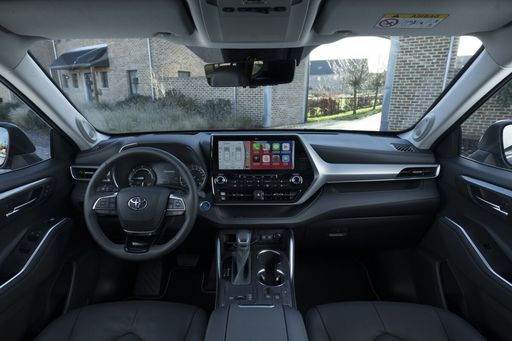
In terms of interior innovations, both vehicles come equipped with extensive technological features, but the CX-80 often emphasizes a more luxurious feel, utilizing high-quality materials and user-friendly interfaces. On the other hand, the Highlander offers a rugged appeal, packed with features designed for practical use, including a built-in navigation system and advanced safety technology.

CX-80

Safety and Innovation Features

Safety is a paramount concern for both Mazda and Toyota, and each brand showcases an impressive array of safety features in their respective models. The Mazda CX-80 is equipped with an advanced safety shield, including adaptive cruise control, lane-keeping assist, and traffic sign recognition. With Mazda’s focus on creating a safe driving experience, this SUV scores highly in crash tests and safety ratings.

The Toyota Highlander does not fall short in this department either, boasting a suite of safety technologies known as Toyota Safety Sense. This includes pre-collision warning systems, adaptive cruise control, and blind-spot monitoring, offering peace of mind for driver and passengers alike. Both vehicles meet high standards for safety and come with extensive warranties to ensure durability and reliability.

Highlander

Conclusion: Choosing the Right SUV for You

Deciding between the Mazda CX-80 and the Toyota Highlander ultimately boils down to personal preferences and requirements. If you are seeking a dynamic driving experience with a touch of luxury and competitive hybrid technology, the Mazda CX-80 is your go-to. Conversely, the Toyota Highlander remains a solid choice for families needing ample space, reliability, and practical features.

As these two SUVs continue to evolve, prospective buyers have exciting options that cater to various lifestyles and driving needs. The choice might be tough, but ultimately, both models promise to offer a reliable and enjoyable driving experience in the competitive SUV segment.

Mazda CX-80

Toyota Highlander

Here’s where it gets real: The technical differences in detail

Who wins the race in the data check?

The Toyota Highlander has only a minor advantage in the objective data comparison.
This result only shows which model scores more points on paper – not which of the two cars feels right for you.

Mazda CX-80
Toyota Highlander
Highlander

Toyota Highlander

Mazda CX-80

The Mazda CX-80 brings polished, near-premium styling and a cabin that feels far classier than its badge might imply. It steers with a composed, engaging character and packs the sensible practicality families want — with just enough flair to make school runs feel a little less ordinary.

details

Toyota Highlander

The Toyota Highlander is a roomy, no-nonsense family SUV that blends everyday practicality with Toyota’s trademark reliability and a comfortable, quiet cabin. It won’t thrill the sports-car crowd, but its composed ride, user-friendly interior and sensible features make it a savvy choice for buyers who want a car that simply does the job well.

details
Mazda CX-80
Toyota Highlander

Costs and Consumption

Price
49300 - 61400 £
Price
-
Consumption L/100km
4 - 5.6 L
Consumption L/100km
-
Consumption kWh/100km
-
Consumption kWh/100km
-
Electric Range
60 km
Electric Range
-
Battery Capacity
-
Battery Capacity
-
co2
91 - 146 g/km
co2
-
Fuel tank capacity
-
Fuel tank capacity
-

Dimensions and Body

Body Type
SUV
Body Type
-
Seats
7
Seats
-
Doors
-
Doors
-
Curb weight
2131 - 2240 kg
Curb weight
-
Trunk capacity
258 L
Trunk capacity
-
Length
-
Length
-
Width
1890 mm
Width
-
Height
-
Height
-
Max trunk capacity
-
Max trunk capacity
-
Payload
649 - 650 kg
Payload
-

Engine and Performance

Engine Type
Plugin Hybrid, Diesel MHEV
Engine Type
-
Transmission
Automatic
Transmission
-
Transmission Detail
Automatic Gearbox
Transmission Detail
-
Drive Type
All-Wheel Drive
Drive Type
-
Power HP
254 - 327 HP
Power HP
-
Acceleration 0-100km/h
6.8 - 8.4 s
Acceleration 0-100km/h
-
Max Speed
-
Max Speed
-
Torque
500 - 550 Nm
Torque
-
Number of Cylinders
4 - 6
Number of Cylinders
-
Power kW
187 - 241 kW
Power kW
-
Engine capacity
2488 - 3283 cm3
Engine capacity
-

General

Model Year
2025
Model Year
-
CO2 Efficiency Class
B, E
CO2 Efficiency Class
-
Brand
Mazda
Brand
-
What drive types are available for the Mazda CX-80?

The Mazda CX-80 is offered with All-Wheel Drive.

The prices shown are estimates based on German list prices, adjusted for local VAT. Local registration taxes (e.g. NoVA, BPM or CO2 malus) are not included. This information is not legally binding.