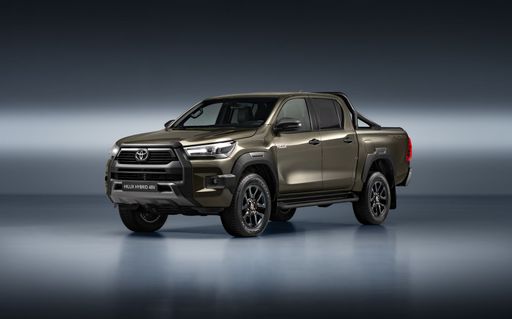
Toyota Hilux Pickup, starting at 39800 £

5 (1 Reviews)
rate

The Toyota Hilux Pickup impresses with 204 HP and an attractive starting price of 39800 £ . Here are all the details at a glance.

from about £39,800
Hilux

Toyota Hilux

  • Engine Type : Diesel MHEV, Diesel
  • Transmission : Automatic, Manuel
  • Drive Type : All-Wheel Drive
  • Power HP : 150 - 204 HP
  • Consumption L/100km : 9.7 - 10 L

Design & Presence

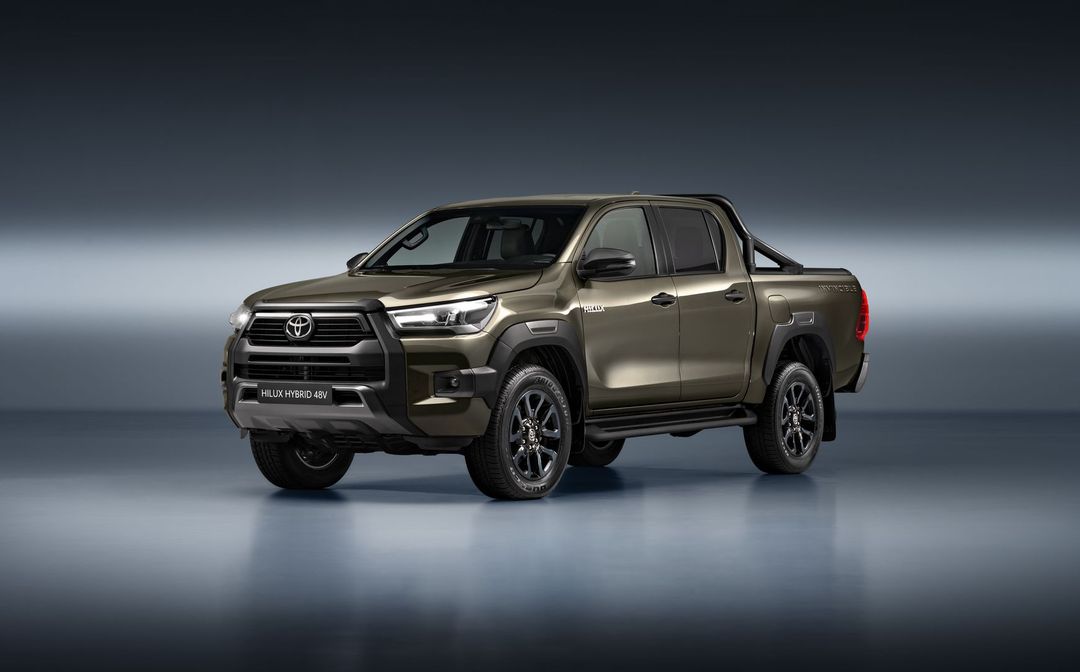
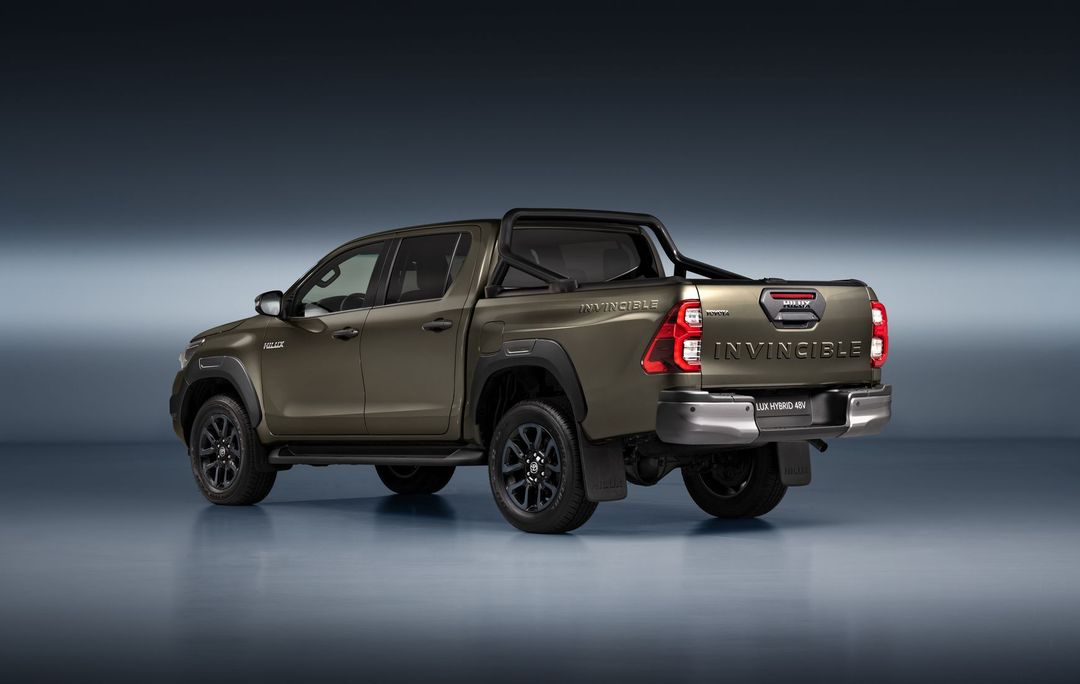
The Toyota Hilux still cuts an unmistakable silhouette on the road and at the jobsite. With a length of 5,325 mm and purposeful, squared-off proportions it favours function over fashion but pulls it off with a tidy, up-to-date face. Ground clearance, short overhangs and chunky wheelarches give genuine presence and a hint of off-road competence. The result is a pickup that looks capable without being unnecessarily aggressive.
Interior & Usability

Step inside and the Hilux follows the same brief: hard-wearing surfaces with a straightforward layout that doesn’t try to be a luxury SUV. Materials are durable rather than sumptuous, but switchgear is logical and knobs and buttons are chunky enough to use with work gloves. Infotainment sits in the centre of the dash with smartphone mirroring and practical connectivity, while higher trims add nicer trims and soft-touch panels. Overall, the cabin is built to take punishment rather than win showroom awards.

Front seats are supportive for long miles and the rear bench in double-cab models is adult-friendly for school runs or crew shifts. Ride comfort balances firm springs with good damping so bumps are absorbed without excessive bounce, although body roll is noticeable in quick direction changes. Noise insulation has improved over generations but heavy diesel versions and loaded beds still make their presence heard on the motorway.

Space & Everyday Practicality

The Hilux is pragmatic where it counts: payloads range from around 915 kg up to roughly 1,125 kg depending on the version, and the bed is sized for real tools, crates and weekend gear. Length and a useful 80‑litre fuel tank mean long runs between fill-ups and plenty of room for ladders or mountain bikes when fitted with a good rack. Curb weight varies from about 2,085 kg to over 2,295 kg, which helps stability but also affects fuel use when heavily loaded. Towing and payload capability make it a workhorse first and a recreational option second.

Driving & Handling

Under the bonnet the line-up covers the punchy 2.8‑litre MHEV with 204 hp and roughly 10 L/100 km consumption, down to a frugal 2.4‑litre diesel with about 150 hp and near 9.9 L/100 km, available with manual or automatic gearboxes and full all‑wheel drive. The 2.8 delivers strong mid-range torque (around 500 Nm) that makes towing and off-road work effortless, while the smaller engine is adequate for lighter duty and saves a little fuel. On road the Hilux feels stable and composed rather than sporty, with predictable handling and firm steering that inspires confidence off the beaten track. Acceleration and top speed are modest — expect around 170–175 km/h as a top speed — but performance is tuned to real-world loads rather than sprint times.

Efficiency/Consumption & Range

Real-world fuel use sits in the high single digits to around 10 L/100 km, rising when towing, off-roading or carrying heavy loads, so plan on average consumption similar to other diesel pickups. With an 80‑litre tank that translates to a practical cruising range often between roughly 700–800 km depending on conditions and payload, which keeps refuelling stops infrequent on long jobs. Curb weight and aerodynamics explain why economy won’t match a crossover, but the figures are competitive for a robust, heavy-duty pickup. Owners who use the MHEV 2.8 for regular heavy work will find the torque and low-end shove worth the slightly higher consumption.

Assistance & Infotainment

Toyota Safety Sense is standard equipment and brings features like pre‑collision assist, lane departure alerts and adaptive cruise on many models, which is helpful on long motorway stretches and busy jobsite commutes. The infotainment is functional with smartphone mirroring, clear menus and physical controls, though the screen graphics and system speed are not the class benchmark. Higher trims add navigation, better audio and more driver‑assistance layers, but the overall tech package leans towards reliability and ease of use rather than headline-grabbing gimmicks. Connectivity and safety are solid for daily work, fleet use or family duties, even if luxury tech fans will notice the conservative approach.

Who is it for?

The Hilux suits buyers who need a dependable, rugged pickup that can double as a family mover on weekends and a workhorse through the week. It is aimed at tradespeople, fleet buyers, rural customers and anyone who prioritises durability, payload and towing over premium interior polish or sporty dynamics. Choose the 2.8 MHEV for maximum torque and heavier towing, or the 2.4 diesel for a balance of cost and economy in less demanding roles. Ultimately the Hilux is a pragmatic choice: it won’t dazzle with luxury but it will keep earning its keep for years.

Costs and Consumption

Price
39800 - 56200 £
Consumption L/100km
9.7 - 10 L
Consumption kWh/100km
-
Electric Range
-
Battery Capacity
-
co2
253 - 264 g/km
Fuel tank capacity
80 L

Dimensions and Body

Body Type
Pickup
Seats
4 - 5
Doors
2 - 4
Curb weight
2085 - 2295 kg
Trunk capacity
-
Length
5325 mm
Width
1855 mm
Height
1810 - 1815 mm
Max trunk capacity
-
Payload
915 - 1125 kg

Engine and Performance

Engine Type
Diesel MHEV, Diesel
Transmission
Automatic, Manuel
Transmission Detail
Automatic Gearbox, Manual Gearbox
Drive Type
All-Wheel Drive
Power HP
150 - 204 HP
Acceleration 0-100km/h
-
Max Speed
170 - 175 km/h
Torque
400 - 500 Nm
Number of Cylinders
4
Power kW
110 - 150 kW
Engine capacity
2393 - 2755 cm3

General

Model Year
2024 - 2025
CO2 Efficiency Class
G
Brand
Toyota
What drive types are available for the Toyota Hilux?

The Toyota Hilux is offered with All-Wheel Drive.

The prices shown are estimates based on German list prices, adjusted for local VAT. Local registration taxes (e.g. NoVA, BPM or CO2 malus) are not included. This information is not legally binding.