VW Caddy High Roof Estate – Petrol, Diesel or Plugin Hybrid, starting at 27800 £

The VW Caddy High Roof Estate impresses with a Petrol, Diesel or Plugin Hybrid engine, 150 HP 121 km and an attractive starting price of 27800 £. Here are all the details at a glance.

from about £27,800
Caddy @ Volkswagen AG / VW Media

VW Caddy

  • Engine Type : Petrol, Diesel, Plugin Hybrid
  • Transmission : Manuel, Automatic
  • Drive Type : Front-Wheel Drive, All-Wheel Drive
  • Power HP : 102 - 150 HP
  • Consumption L/100km : 0.5 - 6.9 L
  • Electric Range : 116 - 121 km
@ Volkswagen AG / VW Media

Street Smart Looks with a Practical Stance

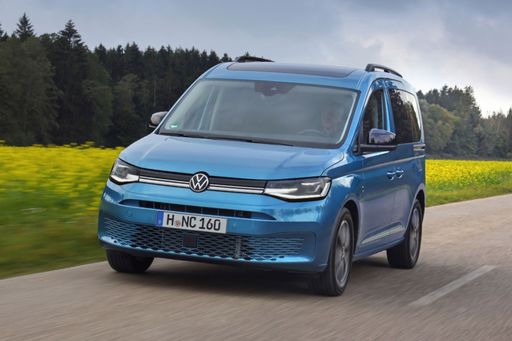
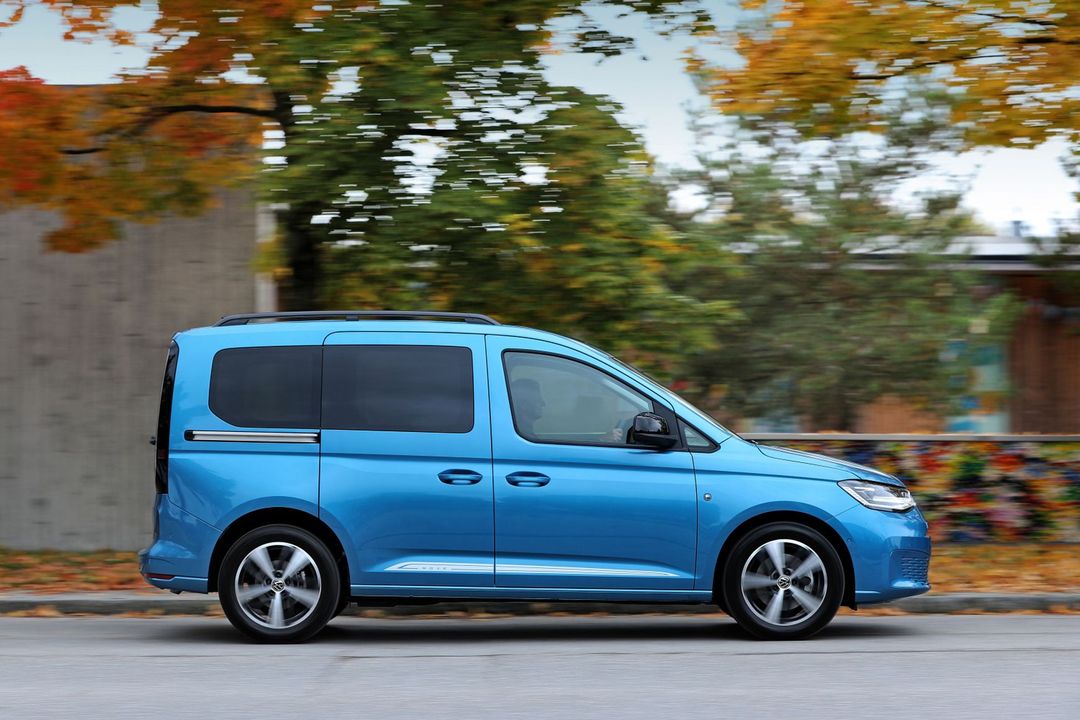
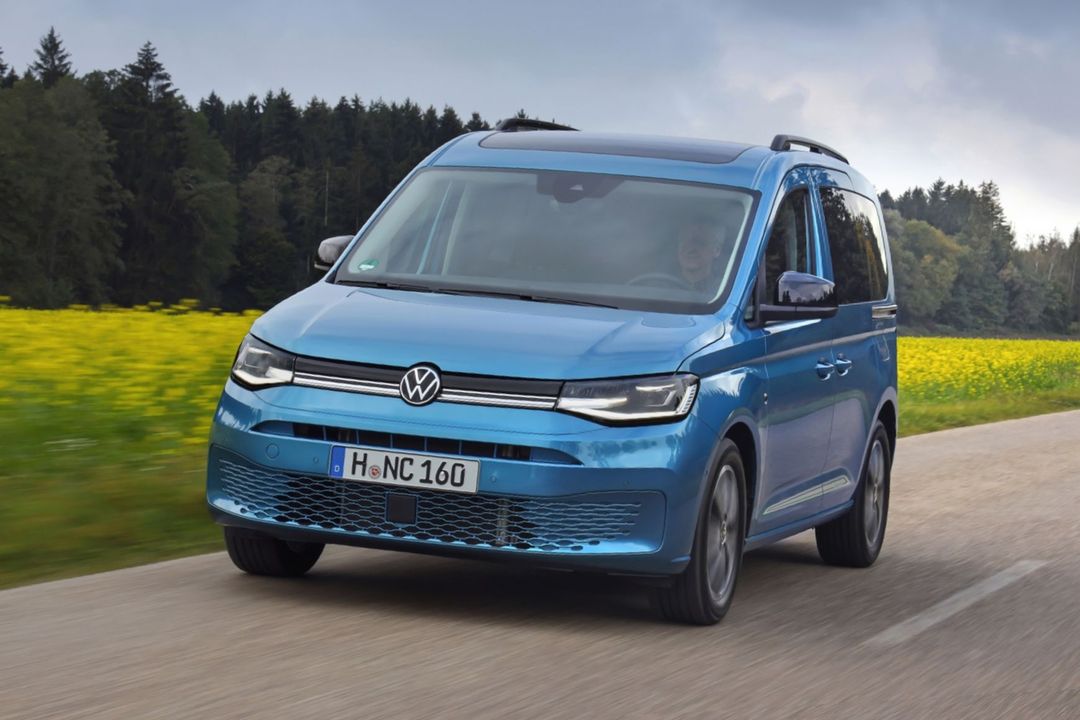
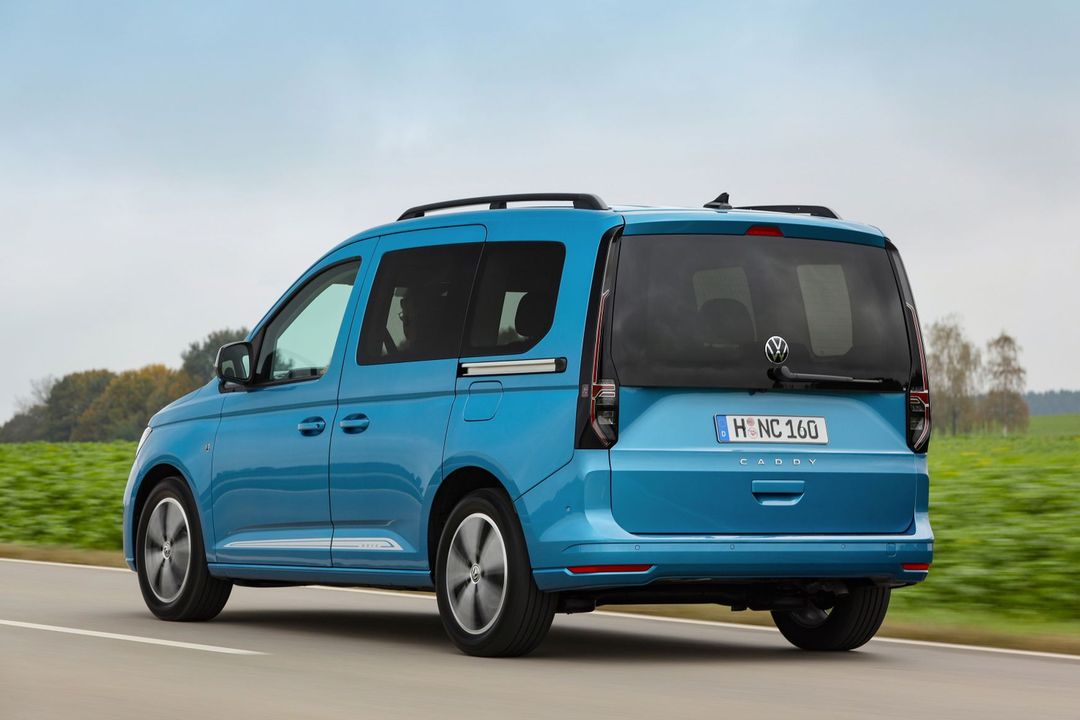
The VW Caddy keeps a familiar, conservative VW face but dresses it in a taller, squarer silhouette that immediately signals utility rather than sportiness. The high‑roof wagon proportions and optional Maxi length give it real presence without being ostentatious, so it fits in both business driveways and weekend DIY runs. Dimensions vary by version, but expect lengths around 4.5–4.85 m and a height that prioritises cargo and headroom. Visually, the new Caddy is more car-like than an old school van, which helps if clients or family are often on board.
@ Volkswagen AG / VW Media

A Straightforward Cabin That Works

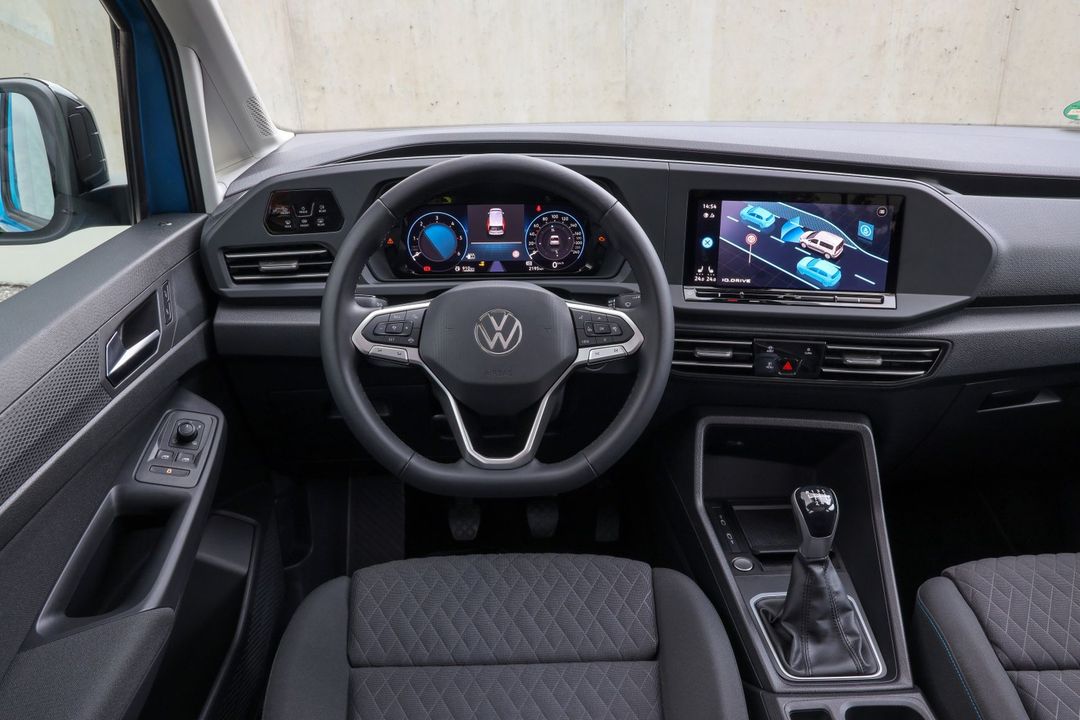
Inside, the Caddy follows VW’s pragmatic playbook: tidy switchgear, logical controls and surfaces that balance durability with acceptable refinement for long shifts. Soft touch areas are saved for the zones drivers use most, while harder plastics appear where scuffs and boots are likely; it’s built to survive life on the road rather than indulge. Seating is comfortable for long stints and the sliding rear doors make loading children, crates or bulky gear refreshingly easy. Practical touches like generous cupholders, door pockets and configurable rear seats keep everyday use simple and efficient.

@ Volkswagen AG / VW Media

Room to Haul — and Then Some

Space is the Caddy’s raison d’être: boot capacity stretches dramatically with rear seats folded or removed, reaching up to about 3,000–3,700 litres depending on body and seat configuration, while payloads can approach the ~700 kg mark on heavy-duty variants. The Maxi and passenger/Camper (California) derivatives add length and load flexibility, and the sliding doors plus low sill height make bulky items easy to manage. A 50 L fuel tank is typical, which blends into long-distance practicality for tradespeople. For families or small-business owners who need a single vehicle to cover cargo runs and daily driving, the Caddy’s space is a major selling point.

@ Volkswagen AG / VW Media

Comfortable, Predictable Drive — Not a Sports Car

The Caddy range covers petrol and diesel options led by the 1.5 TSI (116 hp), 2.0 TDI diesels with 102–122 hp and an electrified 1.5 TSI eHybrid (150 hp), with front‑wheel drive standard and all‑wheel drive available on certain diesel variants. Acceleration figures sit in the mid to high double digits for 0–100 km/h (roughly 11–14 s depending on engine), so performance is adequate rather than brisk, while the PHEV trims feel noticeably peppier in town. Steering is light and city-friendly, suspension tuned for comfort means some body roll when loaded but a composed ride for motorway miles. Heavy loads expose the Caddy’s commercial roots, where a calm, predictable chassis and useful engine torque are more valuable than razor-sharp handling.

Numbers That Matter on the Bottom Line

Fuel consumption on the petrol 1.5 sits around 6.5–6.9 L/100 km in official figures, while the diesels can manage about 5.3–5.7 L/100 km, translating to real-world ranges often between roughly 700–900 km on a full tank depending on driving style. The plug‑in hybrid’s labelled combined consumption can read as low as 0.5 L/100 km thanks to electric driving, with manufacturer electric ranges in the region of 116–121 km and a battery around 19.7 kWh, which is genuinely useful for daily commutes if recharged regularly. For mixed duties with long hauls and heavy loads, diesel remains the most economical choice; for city-centric use and low running costs, the PHEV shines. Buyers should match powertrain to mission: diesel for towing/long distances, petrol for lighter mixed use, PHEV for mostly short, charged journeys.

Tech That Helps, Not Distracts

Driver assistance and infotainment on the Caddy aim to remove stress rather than show off, with adaptive cruise, lane‑keeping aids, parking sensors and automated emergency interventions available in higher trims or as packs. The cabin usually features a modern touchscreen interface and digital instrument options that support Apple CarPlay and Android Auto, making navigation and phone-free media simple. These systems bring real convenience on motorway miles and tight urban manoeuvres, though the emphasis remains on reliability and ease of use. For commercial buyers, the safety tech reduces fatigue and insurance exposure; for families it makes longer trips less wearing.

Who Should Buy a Caddy?

The VW Caddy suits buyers who need one vehicle to cover business and family duties: tradespeople, small fleet operators and active families who prioritise versatility and sensible running costs over flash. Petrol 1.5 variants are fine for light mixed use, diesels reward high mileage and heavy loads, and the eHybrid is a compelling pick if daily commutes are short and charging is available. Those wanting camper conversion potential should consider the California or Maxi versions, while buyers who value easy loading, modular seating and low operating costs will find the Caddy hard to beat in this class. Overall, it’s a pragmatic, well-crafted tool with a touch of VW polish for those who need function first.

Costs and Consumption

Price
27800 - 45900 £
Consumption L/100km
0.5 - 6.9 L
Consumption kWh/100km
-
Electric Range
116 - 121 km
Battery Capacity
19.70 kWh
co2
10 - 165 g/km
Fuel tank capacity
50 L

Dimensions and Body

Body Type
High Roof Estate
Seats
5 - 7
Doors
5
Curb weight
1575 - 1998 kg
Trunk capacity
-
Length
4500 - 4853 mm
Width
1855 mm
Height
1819 - 1860 mm
Max trunk capacity
2556 - 3700 L
Payload
501 - 710 kg

Engine and Performance

Engine Type
Petrol, Diesel, Plugin Hybrid
Transmission
Manuel, Automatic
Transmission Detail
Manual Gearbox, Dual-Clutch Automatic
Drive Type
Front-Wheel Drive, All-Wheel Drive
Power HP
102 - 150 HP
Acceleration 0-100km/h
11.4 - 14 s
Max Speed
173 - 186 km/h
Torque
220 - 320 Nm
Number of Cylinders
4
Power kW
75 - 110 kW
Engine capacity
1498 - 1968 cm3

General

Model Year
2024
CO2 Efficiency Class
E, F, B
Brand
VW
Is the VW Caddy offered with different drivetrains?

Available configurations include Front-Wheel Drive or All-Wheel Drive.

The prices and data displayed are estimates based on German list prices and may vary by country. This information is not legally binding.