VW ID. Buzz Bus Bus, starting at 42900 £

The VW ID. Buzz Bus Bus impresses with 340 HP 485 km and an attractive starting price of 42900 £ . Here are all the details at a glance.

from about £42,900
ID. Buzz Bus

VW ID. Buzz Bus

  • Engine Type : Electric
  • Transmission : Automatic
  • Drive Type : Rear-Wheel Drive, All-Wheel Drive
  • Power HP : 170 - 340 HP
  • Consumption kWh/100km : 19 - 20.6 kWh
  • Electric Range : 329 - 485 km

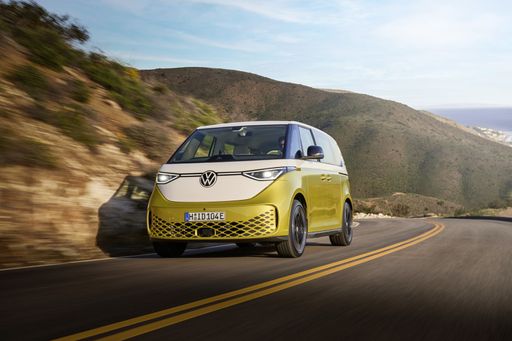
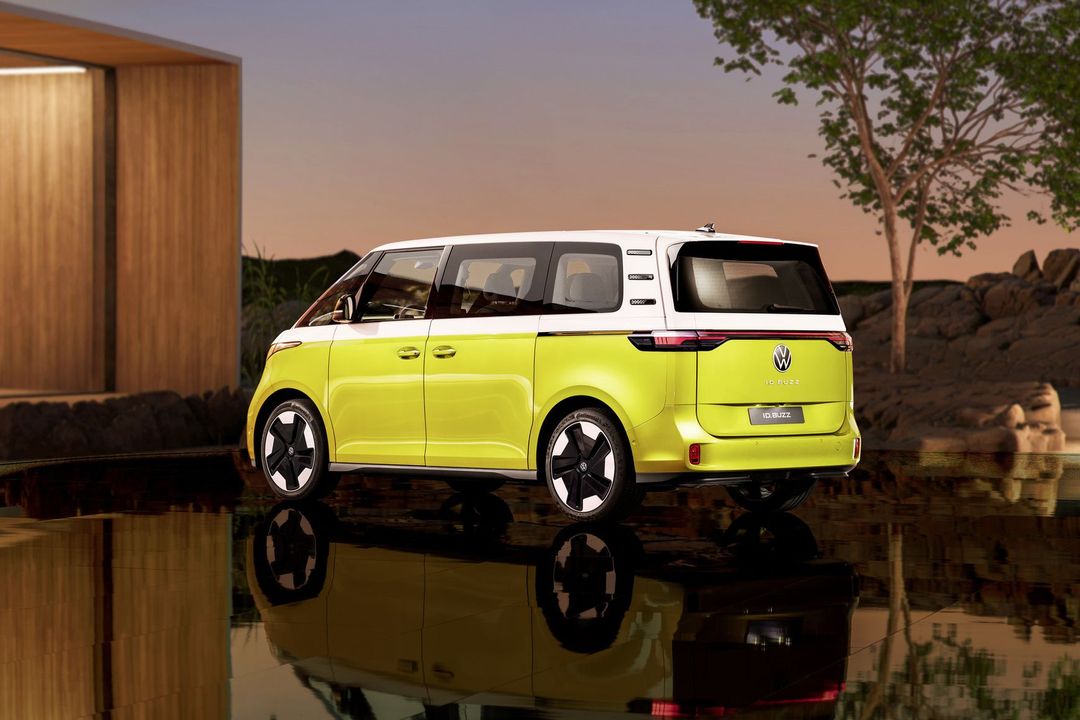
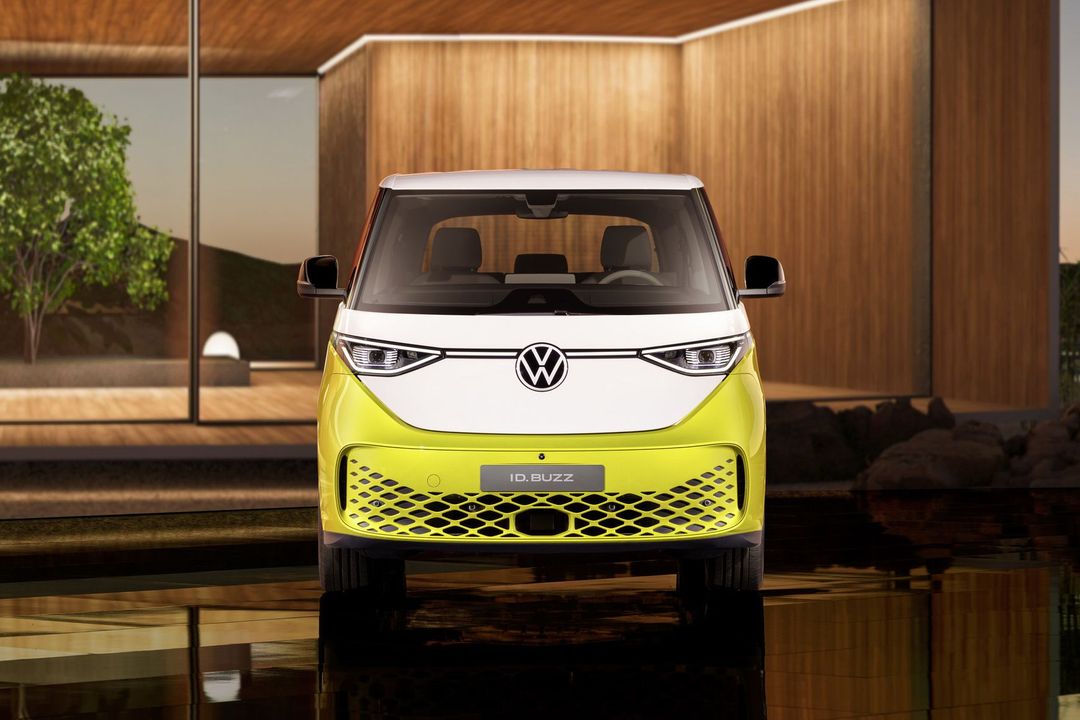
Retro looks with modern swagger

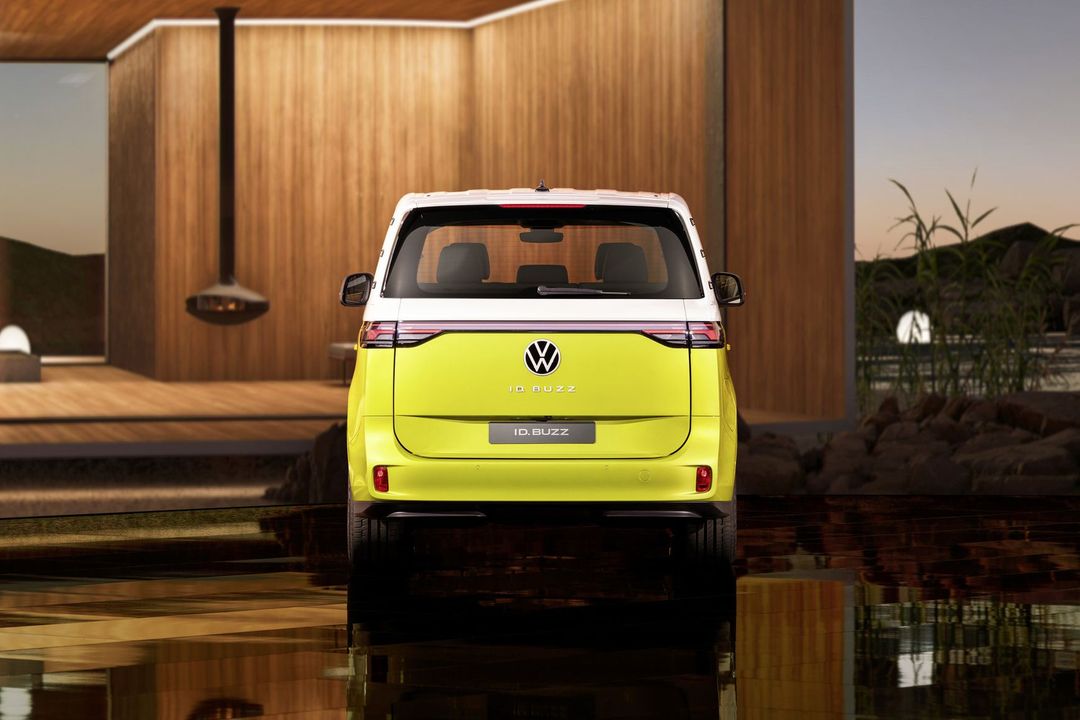
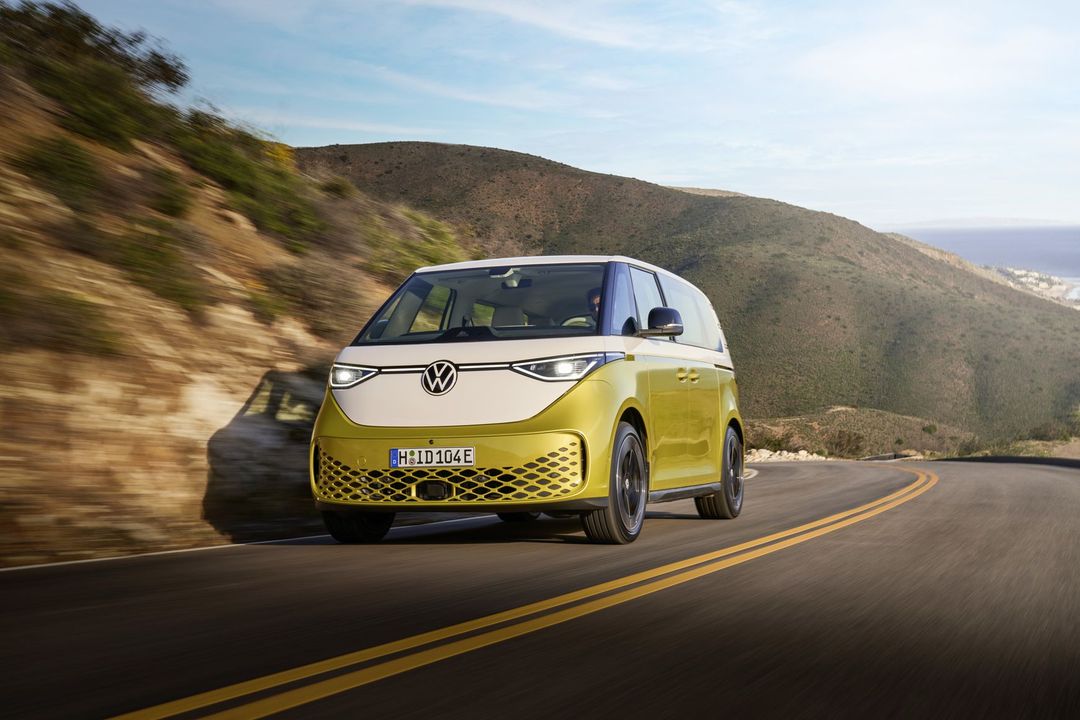
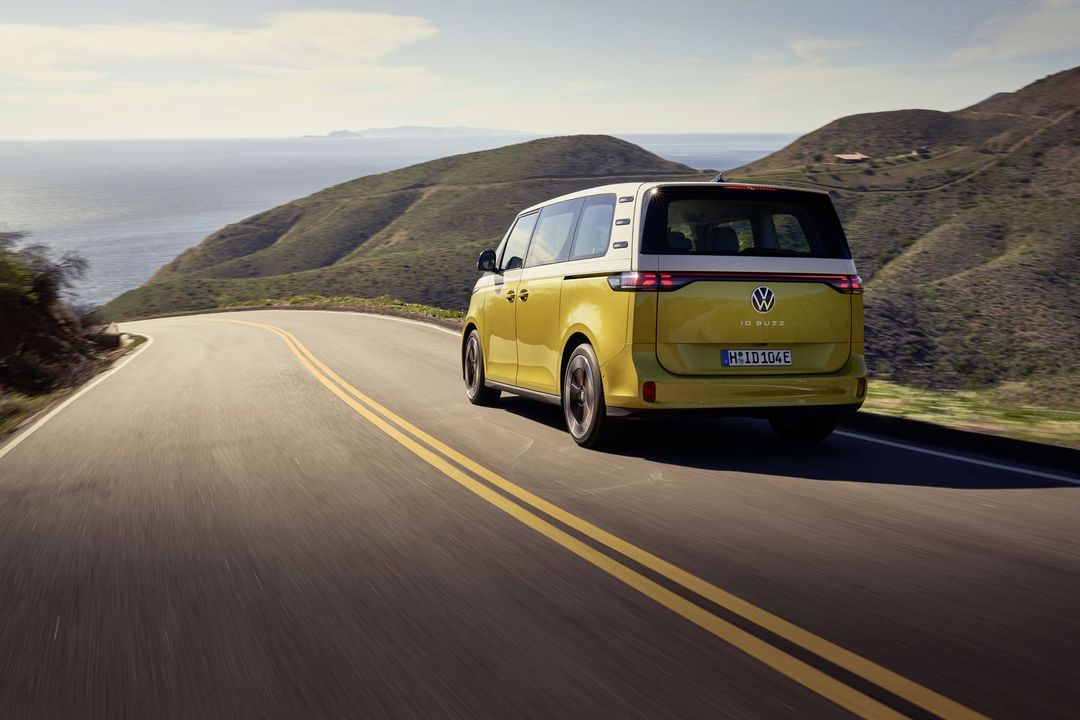
The ID. Buzz Bus wears Volkswagen's throwback van silhouette like a tailored suit—rounder, friendlier lines than most EVs and a face that still turns heads in town. It arrives in two lengths (about 4.7 m and 4.96 m) and stands nearly 1.93 m tall, so curb appeal comes with real road presence and easy visibility. The design cleverly hides its EV underpinnings: smooth surfaces and a flat floor translate into usable space without looking like an appliance. In traffic it reads as playful and practical rather than ostentatious, which suits buyers who want personality with purpose.
Cabin that mixes camping-van freedom with daily polish

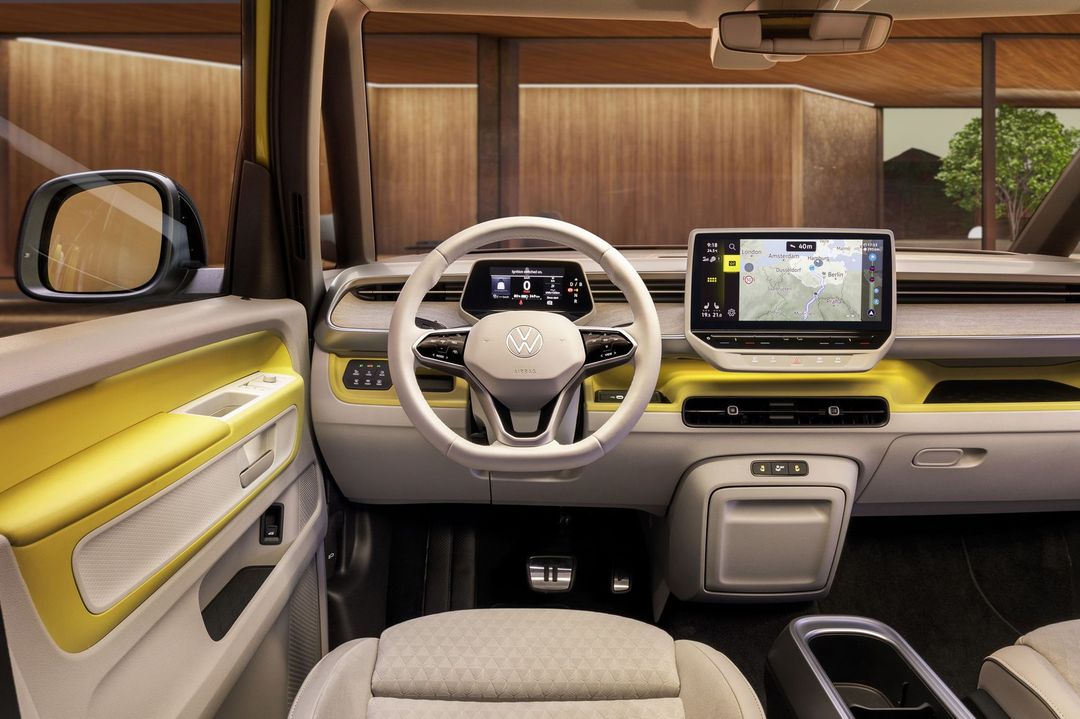
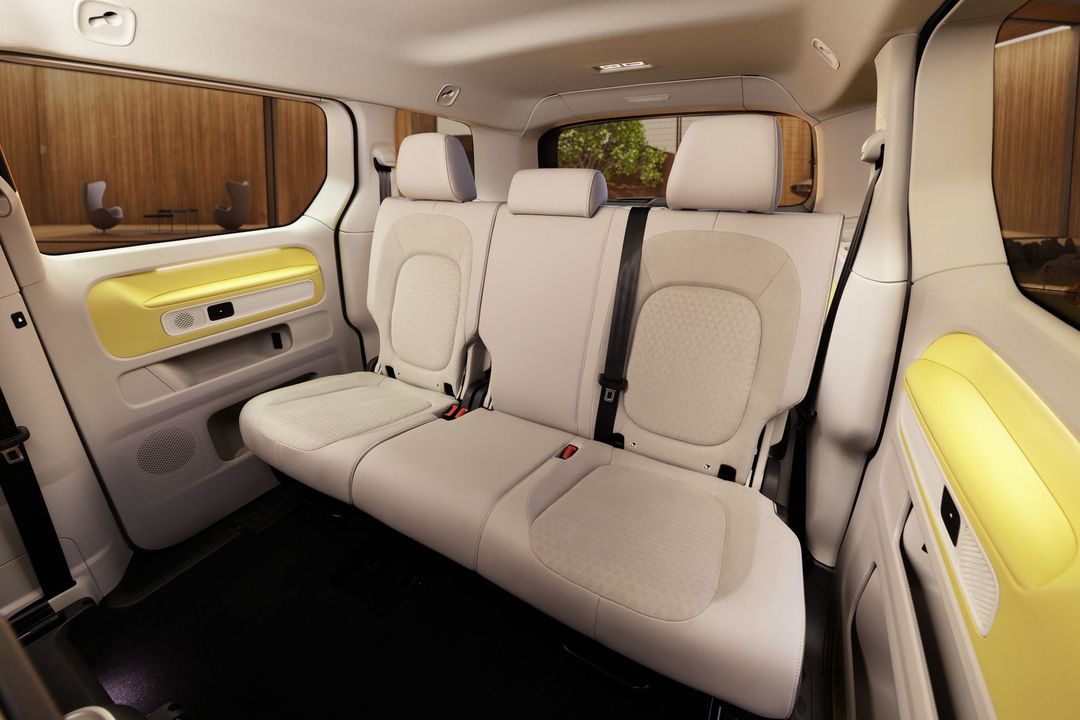
The interior balances durable, tactile materials with modern minimalism and a panoramic feel from a large windscreen, creating a relaxed cabin rather than a gadget-dominated cockpit. Seating is for five with a comfortable, upright posture and good headroom, and controls are mostly digital—useful but sometimes touch-sensitive where physical buttons would be quicker. Practical details such as multiple storage nooks and a cleancut dash make daily life easier, while trim quality is competitive for the class, though not quite premium-flagship plush. Overall it feels like a livable space made for weekend kit as much as weekday commuting.

Load it, live in it: real-world space and payload

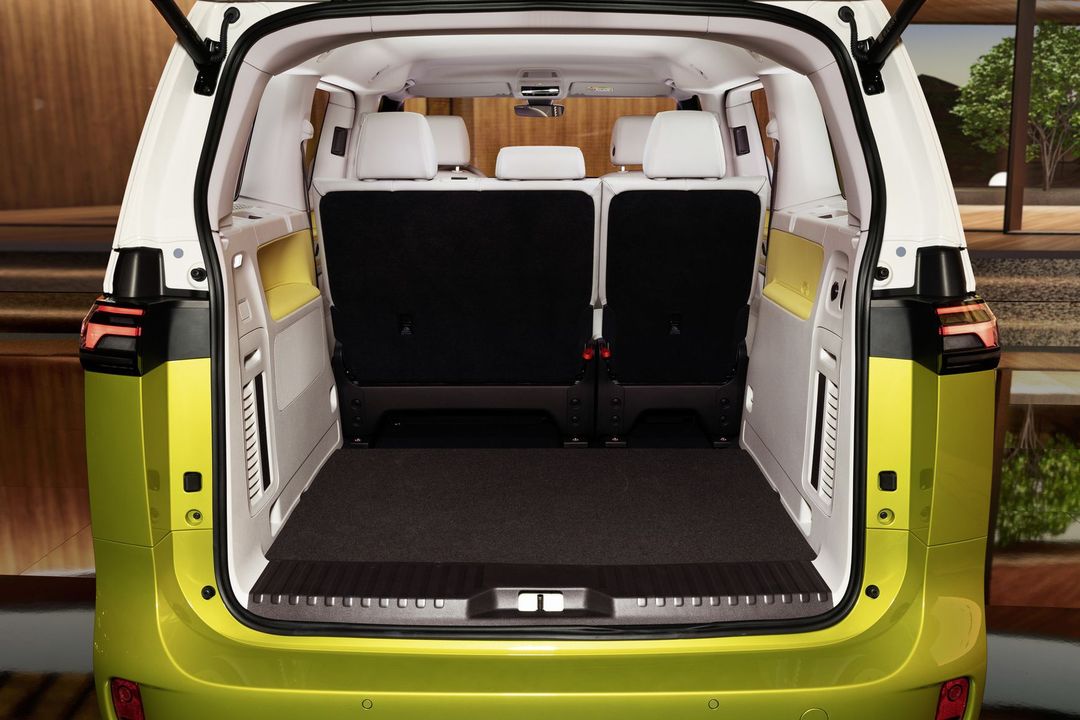
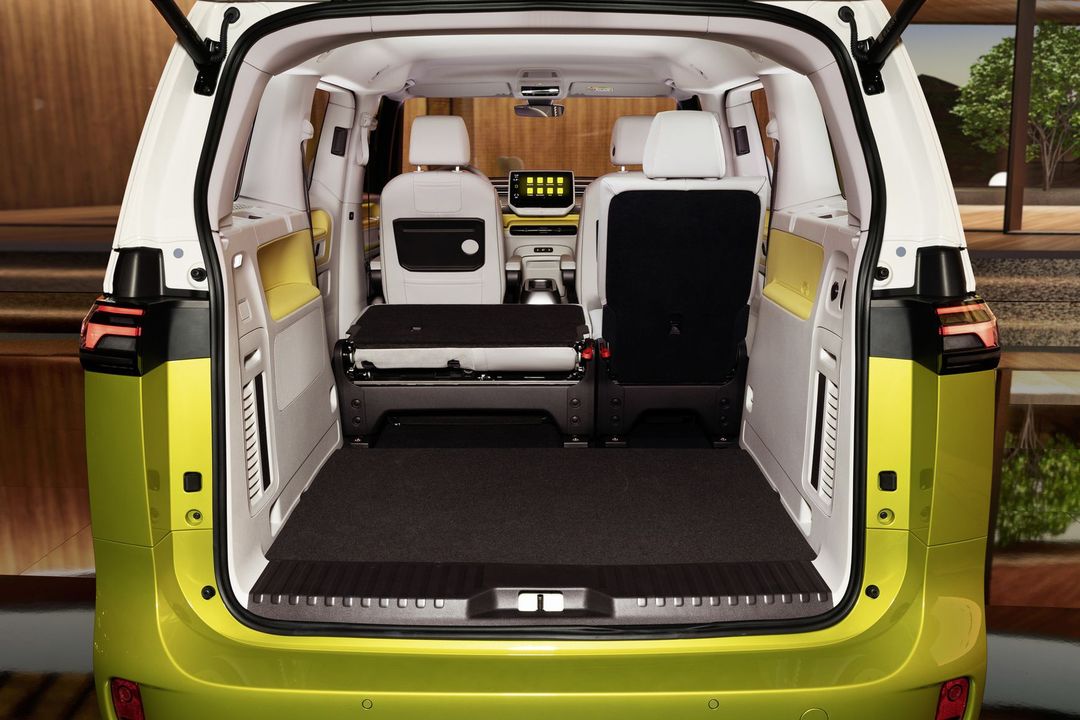
Boot volume on the ID. Buzz Bus is generous—around 1,121 to 1,340 litres in standard configuration and expandable up to roughly 2,205 litres with seats folded—so grocery runs, sports kit or a small furniture haul are straightforward. Curb weights range from about 2,400 to 2,780 kg and payloads sit roughly between 462 and 600 kg, which matters when planning full cabins and roof boxes for trips. The long-wheelbase variants add useful legroom and cargo length for families or small-business use without becoming unwieldy. In everyday use this means a van-like practicality without feeling like a commercial vehicle to drive.

Driving that softens the van stereotype

Powertrains span a mild 170 hp rear‑wheel drive setup to a punchy 286 hp Pro and a 340 hp GTX all‑wheel drive, with 0–100 km/h times from about 10.7 s down to roughly 6.1–6.4 s on the quickest cars, so buyers can choose relaxed or brisk character. Torque figures—from around 310 Nm up to 679 Nm on the AWD GTX—give surprisingly eager throttle response for overtakes, while top speeds are limited to about 145–160 km/h so efficiency and comfort are the priorities. Handling remains composed for a vehicle of this size: body roll is present but controlled, steering is light and parking is easier than imagined thanks to compact turning for its footprint. Long-distance cruising is comfortable and the driving experience leans toward motorway serenity rather than sporty sharpness.

Range numbers that actually translate to plans

Battery options cover roughly 59, 79 and 86 kWh packs and stated consumption sits in the high teens to low twenties kWh/100 km, producing WLTP ranges from about 329–335 km for the smaller battery models up to roughly 455–485 km for pro long-range versions, while the sporty GTX drops into the low 400s. In practical terms, expect daily commuting and weekend trips to be effortless on the Pro long-wheelbase variants, while the entry-level Pure is best for urban and shorter regional use. Consumption will rise with heavy loads, roof boxes or spirited driving, so pick the battery and trim to match typical usage rather than headline range alone. Charging behavior varies by charger network, but planning for public fast charging on longer trips remains sensible.

Tech that helps more than it distracts

Infotainment and driver assistance are extensive: a large central display, digital instrument cluster and standard driver aids like adaptive cruise and lane assistance make highway miles easier and city driving less fatiguing. The system supports smartphone integration and software updates, though some menus rely on touch controls that can be fiddly while on the move—physical shortcuts would be welcome for key functions. Active safety systems are comprehensive and tuned for everyday confidence rather than cutting-edge autonomy, which fits the Buzz’s relaxed mission. Overall the tech package prioritizes useful automation and connectivity over gimmicks.

Who the Buzz actually suits

The ID. Buzz Bus is aimed at buyers who want the van lifestyle without the work-van compromises: families, small business owners, outdoorsy types and retro-minded urbanites who value space and character. Choose the Pure for city-friendly runs, the Pro for maximum range and practicality, and the GTX for those who want brisk performance with all‑wheel traction—trim choice should follow typical trip lengths and load needs. It is not a bargain-basement compact EV, but it offers a unique blend of personality, practicality and electric efficiency that makes it compelling for buyers after a single vehicle that can do everyday chores and weekend escapes with equal ease.

Costs and Consumption

Price
42900 - 64200 £
Consumption L/100km
-
Consumption kWh/100km
19 - 20.6 kWh
Electric Range
329 - 485 km
Battery Capacity
59 - 86 kWh
co2
0 g/km
Fuel tank capacity
-

Dimensions and Body

Body Type
Bus
Seats
5
Doors
5
Curb weight
2400 - 2780 kg
Trunk capacity
1121 - 1340 L
Length
4712 - 4962 mm
Width
1985 mm
Height
1924 - 1927 mm
Max trunk capacity
2205 L
Payload
462 - 600 kg

Engine and Performance

Engine Type
Electric
Transmission
Automatic
Transmission Detail
-
Drive Type
Rear-Wheel Drive, All-Wheel Drive
Power HP
170 - 340 HP
Acceleration 0-100km/h
6.1 - 10.7 s
Max Speed
145 - 160 km/h
Torque
310 - 679 Nm
Number of Cylinders
-
Power kW
125 - 250 kW
Engine capacity
-

General

Model Year
2024
CO2 Efficiency Class
A
Brand
VW
Is the VW ID. Buzz Bus offered with different drivetrains?

The VW ID. Buzz Bus is available as Rear-Wheel Drive or All-Wheel Drive.

The prices shown are estimates based on German list prices, adjusted for local VAT. Local registration taxes (e.g. NoVA, BPM or CO2 malus) are not included. This information is not legally binding.